The best tips for traveling during a heatwave start before you reach the destination. Transit is often where exposure peaks: concrete aprons, packed terminal queues, shuttle buses with no airflow. Cooling methods that work, a schedule built around peak heat, and a clear line between heat exhaustion and heat stroke matter more than any packing list.
xFor wider trip preparation, see our guide on how to stay healthy while traveling.
Key Takeaways
- Airports, tarmacs and shuttle buses can be hotter than your destination.
- Book indoor plans for midday and outdoor plans for early morning or evening.
- Cool the neck, armpits and groin, where large blood vessels sit near the skin.
- Confusion with a very hot body signals heat stroke, even if skin feels damp.
- Infants, children and older adults need about two hours of air-conditioning daily.
Why Terminals and Tarmacs Are Often Worse Than Your Destination
Airports and transit hubs can expose you to more intense heat than your actual destination. Concrete and tarmac soak up sun and radiate it back at you, jet engines add exhaust heat, and crowded buses trap warm air. A parked plane adds its own problem. Cabin temperature climbs quickly whenever ground cooling lags, which is why airlines run air conditioning on the ground and ask passengers to open overhead vents on boarding.
Knowing how to stay cool at the airport in extreme heat comes down to a few habits:
- Refill an empty water bottle right after security.
- Wait inside air-conditioned gate areas, not outdoor shuttle queues.
- Wear loose, light layers, and pack a sweater for chilly cabins.
- Open the overhead air vent the moment you sit down.
- Keep a damp cloth in your carry-on for the neck.
Timing Your Day Around the Heat, Not Your Itinerary
The smartest heatwave strategy is rearranging your schedule around it. Put museums, markets with roofs, long lunches and hotel rest in the middle of the day, when heat peaks. Save walking tours, beaches and viewpoints for the hours before about 11 a.m. and for the evening.
Check the heat index because humidity decides how well sweat evaporates and how fast you overheat. Dawn and dusk also cut the sun exposure that adds to heat load.
Arrival days need extra caution. Heat tolerance builds over one to two weeks of gradual exposure, and a traveler stepping off a flight from a cooler climate has none of that adjustment yet. Keep the first two or three days light, with shorter outdoor blocks and more shade breaks than feels necessary.
Real Cooling Techniques: What the Science Actually Supports
Cooling works by pulling heat out of circulating blood, and the neck, armpits and groin are the fastest routes. Large blood vessels run close to the skin in those spots, so a cool wet cloth or ice pack there lowers blood temperature efficiently. These techniques are covered in full clinical detail in home remedies for heat stroke.
- Reapply the cloth as it warms, since a dry, warm cloth stops removing heat. Skip alcohol on hot travel days, and go easy on energy drinks.
- Evaporative cooling also has support. Wet skin with a spray bottle or damp towel, then add airflow. The National Weather Service advises using a fan only while the heat index stays below the high 90s Fahrenheit. Above that, a cool shower or an air-conditioned room does more.
- Hotel bedding traps heat overnight. If heat is disrupting sleep at your destination, see tips to sleep better in summer.
- Heavy sweating costs both fluid and sodium. Water plus regular, slightly salty meals usually covers it, and an electrolyte drink fits after a long sweat-soaked day. NIOSH advises against salt tablets.

Extra Precautions for Infants, Children, and Older Travelers
Infants and young children cannot report symptoms, and older adults often notice thirst late, so both groups need cooling before they ask for it. This is the core of heatwave travel safety for children and elderly relatives. AARP recommends roughly two hours in air-conditioning daily during heat emergencies. Older adults lose heat more slowly, a point also covered in home remedies for fever.
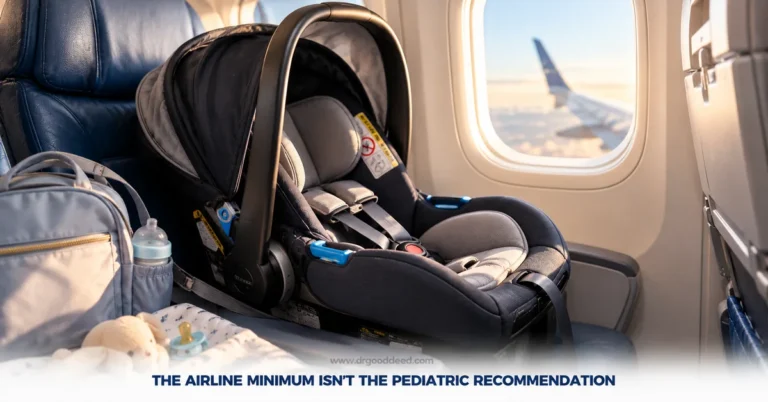
Pushchairs, car seats and hot stroller fabric trap heat around small children, and a child in a stationary stroller under a canopy can overheat while the adult walking beside it feels fine. Check the back of the neck and the chest. Flushed, very sweaty or unusually quiet means move to a cool place now.
- Confirm lodging and daytime attractions have air-conditioning before booking.
- Never leave a child or an older adult in a parked car.
- Schedule a cool indoor break every few hours, not just at lunch.
- Ask a pharmacist whether any regular medication affects heat tolerance.
- Dress infants in single light layers and offer fluids more often.
Heat Exhaustion vs Heat Stroke: How to Tell the Difference
Heat exhaustion and heat stroke can look similar at first, but one key sign tells them apart quickly. Heat exhaustion keeps the mind clear. Heat stroke does not. Headache, nausea and dizziness appear in both, so heat exhaustion vs heat stroke symptoms overlap early, and mental status is the deciding check.
Heat stroke is a core temperature of about 103°F (39.4°C) or higher with confusion or altered behavior. The skin is classically hot and dry because sweating mechanisms fail. The CDC lists hot, red, dry or damp skin, though, so a sweaty person can still have heat stroke, especially after exertion.
| Condition | Skin and sweating | Mental status |
| Heat cramps | Heavy sweating, normal skin | Alert and normal |
| Heat exhaustion | Heavy sweating, skin cool, pale and clammy | Alert, may feel weak or dizzy |
| Heat stroke (medical emergency) | Hot and red, dry or damp, sweating may have stopped | Confusion, slurred speech, possible loss of consciousness |

When to Call Emergency Services Abroad
Heat stroke is a true emergency that needs immediate hospital care, not home treatment. Call the local emergency number: 911 in the US, 999 in the UK, 112 across the European Union.
If an ambulance is slow, get the person to the nearest emergency department. While you wait, move them into shade or air-conditioning and apply cool wet cloths or ice packs at the neck, armpits and groin.
Heat exhaustion that includes vomiting, worsens, or lasts longer than an hour also needs medical help. Save your travel insurer’s 24-hour assistance number and the local word for ambulance before you leave, since a confused patient cannot give directions and a stressed companion may not find the words.
FAQs
Can heat and dehydration actually trigger headaches while traveling?
Yes, but through dehydration, not heat itself. Sweating, long transit and skipped drinks lower fluid levels, and the American Migraine Foundation says about one in three people with migraine report dehydration as a trigger.
Can heat and dehydration make travel constipation worse?
Yes. Low fluid intake lets the colon absorb more water from stool, leaving it harder, and NIDDK lists both travel and dehydration as causes. Heat-driven sweat loss adds to it. See travel constipation.
How much water should you drink before a day of heavy heat exposure?
Arrive hydrated, then sip about 8 ounces every 15 to 20 minutes during heavy exertion, before thirst starts. NIOSH caps intake at 48 ounces an hour because overdrinking dilutes blood sodium. These are worker guidelines, not travel-specific.
Sources
- CDC: Heat-Related Illness, What to Look For and What to Do link
- CDC and NIOSH: Heat Stress Hydration link
- National Weather Service: Heat Illness link
- NBC News: 11 ways to beat the heat while traveling link
- NBC News: Extreme heat makes flying harder link
- Healthwise via PeaceHealth: Placement of Ice Bags for Heatstroke link
- NIDDK: Symptoms and Causes of Constipation link
- American Migraine Foundation, as reported by WebMD: Dehydration and Migraine link
Medical Disclaimer: This article is for general information only and is not medical advice. It does not replace a diagnosis, treatment plan, or guidance from a qualified healthcare professional. Always talk to your doctor about your own symptoms and before starting, stopping, or changing any treatment. If you think you may be having a medical emergency, call 911 or go to your nearest emergency room.