
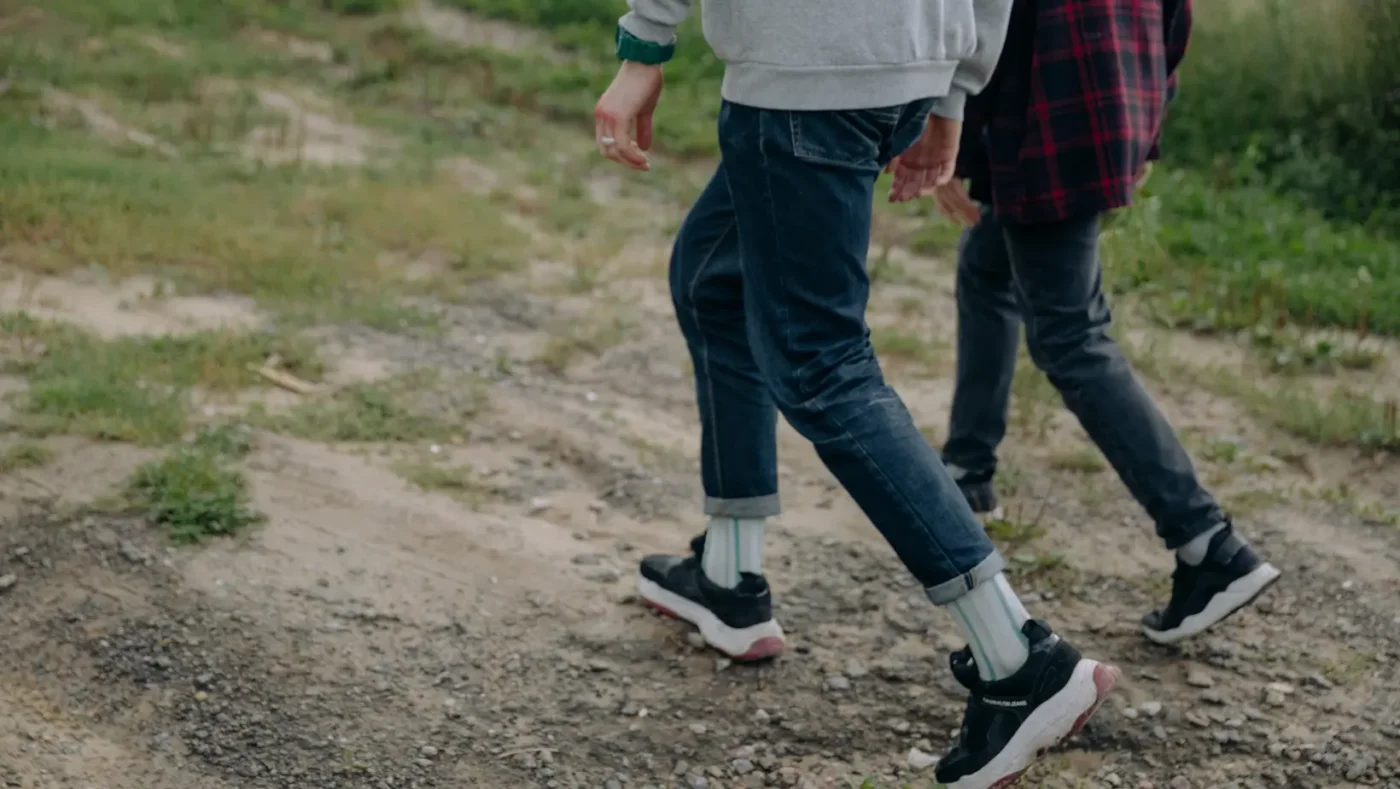

A short walk right after a meal is one of the few habits with real clinical proof behind it. The benefits of walking after eating include a smaller blood sugar spike, faster stomach emptying, less bloating, and a steadier mood, often after just 10 minutes of easy movement.
Blood sugar rises after every meal. It peaks 30 to 90 minutes after your first bite, according to Cleveland Clinic diabetes educators. For most healthy people, this rise is harmless. For people with prediabetes, type 2 diabetes, or insulin resistance, sharp repeated spikes wear on blood vessels over the years. Walking gives your muscles somewhere to send that glucose before it builds up in your blood.
What Actually Happens in Your Body When You Walk After Eating?
Your gut breaks carbohydrates into glucose, which enters your blood and triggers insulin release. Walking activates leg muscles that pull glucose out of the bloodstream directly, on top of what insulin does.
Your Muscles Become an Immediate Destination for Glucose
Here is the simple chain of events:
- You eat a meal containing carbohydrates.
- Your digestive system breaks those carbs into glucose.
- Glucose enters your bloodstream, and your blood sugar rises.
- Your pancreas releases insulin to move glucose into cells.
- Walking makes your leg muscles contract repeatedly, and contracting muscle pulls in glucose through a separate pathway that does not need insulin.
Researchers call this second pathway contraction-mediated glucose uptake. A 2011 study in Diabetes Care found that a single walking session improved glucose disposal in people with type 2 diabetes even when insulin signaling was impaired. This is why postprandial walking works even for people whose insulin response is sluggish. Your muscles act like a backup drain for sugar that would otherwise pool in your blood.
Movement Can Also Affect Gastric Emptying and GI Function
Walking speeds along a process called peristalsis, the wave-like muscle contractions that move food through your stomach and intestines. Gentle movement keeps that wave going. Sitting still, especially slouched on a couch, can slow it down and trap gas. This is the physiological reason walking after eating for digestion shows up so often in gastroenterology advice: light activity nudges food along without forcing your gut to work harder than it should.
What Are the Benefits of Walking After Eating?
Five separate benefits show up across the research: a smaller blood sugar spike, less time spent sedentary, easier digestion, better heart numbers, and improved mood. Light movement is enough to trigger all five, which is part of why the benefits of walking after eating are so easy to build into daily life.
1. Reduces the Post-Meal Blood Sugar Rise
This is the best-documented benefit. A 2016 randomized trial from the University of Otago, published in Diabetologia, had people with type 2 diabetes walk for 10 minutes after each meal versus walking 30 minutes once a day at any time. The post-meal group had blood sugar readings that averaged 12% lower, with a 22% drop specifically after dinner, the meal with the most carbohydrates and the most sitting afterward.
A larger 2023 systematic review in Sports Medicine, led by researchers at Goethe University Frankfurt, pooled dozens of trials and confirmed that exercise performed after a meal blunts the postprandial glucose excursion far more than exercise done before eating.
| Activity After a Meal | Effect on Blood Sugar Rise |
| Staying seated | Blood sugar climbs highest and stays elevated longest |
| Standing instead of sitting | Only a mild reduction in the glucose rise |
| Walking 2 to 5 minutes | A measurable, immediate drop in the glucose spike |
| Walking 10 to 15 minutes after each meal | Averaged 12% lower blood sugar than one 30-minute walk elsewhere in the day, and 22% lower after dinner |
Source: Reynolds et al., Diabetologia, 2016; Buffey et al., Sports Medicine, 2022.
2. Breaks the Sit-After-Eating Pattern
A 2022 meta-analysis in Sports Medicine from the University of Limerick found that interrupting long sitting stretches with light walking improved blood sugar and insulin markers more than simply standing up. Most people sit down right after a meal, at a desk or in front of a screen, which is exactly when blood sugar is climbing fastest. A short walk breaks that pattern at the worst possible moment for staying still.
3. May Support Gastric Emptying Without Needing Intense Exercise
You don’t need a run or a gym session for this. Light walking speeds gastric emptying and eases bloating, while vigorous exercise right after eating can do the opposite, since blood gets diverted from your gut to your working muscles, which can cause cramping or nausea. Easy movement is the sweet spot for walking after eating for digestion benefits without discomfort.
Promotes Heart Health
Blood sugar spikes and heart health are linked, since repeated glucose surges contribute to blood vessel stress over time. The American Heart Association lists walking among the top activities for supporting healthy blood pressure and circulation. A daily post-meal walk adds activity minutes toward that goal without needing a separate workout block.
Boosts Energy and Mood
Light walking increases blood flow and triggers a mild release of endorphins, which can counter the sluggish feeling that follows a heavy meal. Instead of fighting the urge to nap on the couch, a walk after eating channels that post-meal energy dip into something productive.
When Should You Walk After Eating?
Timing depends on your goal. For blood sugar, sooner is better. For digestive comfort, your own tolerance should set the pace.
For Blood Sugar: Earlier Generally Makes More Sense
Researchers behind the 2023 Sports Medicine meta-analysis noted that starting activity as close to the start of eating as possible produced the strongest glucose-lowering effect. Knowing when to walk after eating: waiting an hour lets blood sugar climb unchecked before your muscles get a chance to help clear it.
For Digestive Comfort: Let Tolerance Determine Timing
Some people feel fine walking immediately after finishing a plate. Others need 10 to 15 minutes to let the stomach settle before movement feels comfortable. If you’re wondering how soon to walk after eating, start with a 10-minute buffer after a large or rich meal, and adjust based on how your stomach responds.
How to Walk After Eating Safely
Keep the walk light, keep it short, and match it to how you feel that day.
When Is the Best Time to Walk?
Aim to walk within the 30 to 90 minute window after eating, since that’s when blood sugar is actively rising. This window is when a walk does the most work for walking after eating for blood sugar control.
How Long Should You Walk?
- Very limited time: take a brief two to five minute walk instead of sitting down right away.
- Practical routine: aim for 10 to 15 minutes after one or more meals. This is the 10 minute walk after eating dose used in most clinical trials.
- More time available: extend the walk if it feels comfortable, but don’t assume 30 minutes doubles the glucose benefit of 15 minutes. Research on how long to walk after eating shows the blood sugar benefit plateaus well before the 30-minute mark, even though longer walks still help your heart and mood.
What Walking Pace Is Ideal?
A light to moderate pace works best, roughly a pace where you can hold a conversation without gasping. Brisk walking is fine if it feels natural. Skip sprinting or heavy exertion right after eating, since intense exercise after eating can trigger a stress hormone response that temporarily raises blood sugar instead of lowering it.
Who Should Take Extra Precautions?
- People on insulin or sulfonylureas should check their glucose before walking to avoid a low blood sugar episode.
- People with gastroparesis, severe acid reflux, or recent abdominal surgery should ask their doctor before adding post-meal activity.
- Pregnant women can generally walk after meals but should confirm intensity and duration with their provider.
- Anyone with chest pain, dizziness, or shortness of breath during a walk should stop and seek medical care.
Which Meal Is Most Worth Walking After?
If you can only fit in one walk a day, make it count where it matters most.
Prioritize the Meal With the Biggest Glucose Load or Most Sitting Afterwards
Dinner usually wins on both counts. It tends to carry the most carbohydrates of the day, and it’s typically followed by hours of sitting on the couch. The 2016 Otago trial found the sharpest glucose improvement, 22%, came specifically from walking after dinner. That said, walking after lunch still helps if your afternoon involves long stretches at a desk, and the walking after dinner benefits compound when the habit is repeated daily rather than done once in a while.
FAQs
Is it good to walk after eating?
Yes. A 10-minute walk after eating lowers your after-meal blood sugar rise by about 12% on average compared with walking 30 minutes at any other time of day, based on a 2016 randomized trial in Diabetologia.
How long should I walk after a meal?
Walk 10 to 15 minutes. Trials on post-meal walking show three short walks after meals control 24-hour blood sugar better than one longer walk done at a different time of day.
Does walking after eating lower blood sugar?
Yes. Walking pulls glucose into muscle cells without needing extra insulin, cutting the blood sugar spike after meals in both diabetic and non-diabetic adults, according to a 2023 Sports Medicine meta-analysis.
Can walking after eating help with weight loss?
Indirectly. A 10-minute walk burns roughly 35 calories and reduces insulin spikes tied to fat storage, but weight loss still depends mainly on your total daily calorie balance, not this habit alone.
When should I avoid walking after eating?
Avoid brisk walking within 15 minutes of a large or rich meal if you have reflux, nausea, or recent abdominal surgery. Wait until the fullness eases, then walk at an easy pace.
Sources
- Reynolds AN, Mann JI, Williams S, Venn BJ. Advice to walk after meals is more effective for lowering postprandial glycaemia in type 2 diabetes mellitus than advice that does not specify timing. Diabetologia, 2016.
- Engeroff T, Groneberg DA, Wilke J. After Dinner Rest a While, After Supper Walk a Mile? A Systematic Review with Meta-analysis. Sports Medicine, 2023.
- Buffey AJ, Herring MP, Langley CK, Donnelly AE, Carson BP. The Acute Effects of Interrupting Prolonged Sitting Time with Standing and Light-Intensity Walking. Sports Medicine, 2022.
- DiPietro L, Gribok A, Stevens MS, Hamm LF, Rumpler W. Three 15-min Bouts of Moderate Postmeal Walking Significantly Improves 24-h Glycemic Control in Older People. Diabetes Care, 2013.
- Cleveland Clinic. How Walking After Eating Can Help Manage Your Blood Sugar.
- American Diabetes Association. Physical Activity Recommendations.
- American Heart Association. Walking for Heart Health.
- CDC. Physical Activity Basics for Adults.
- National Institute of Diabetes and Digestive and Kidney Diseases (NIDDK). Your Digestive System and How It Works.
- University of Otago. Short walks after meals may prove important tool in managing diabetes.










2 Comments
Comments are closed.