
The symptoms of a silent heart attack can look like tiredness, flu, or a sore muscle, which is exactly why so many go unrecognized until a routine test finds old damage weeks or months later. This guide covers what makes these events different, who faces the highest risk, and when unusual symptoms mean you should call for help now.
Key Takeaways
- Silent heart attacks account for roughly 1 in 5 to 2 in 5 of all heart attacks, according to Cleveland Clinic research.
- Silent heart attack symptoms often mimic the flu, sore muscles, or indigestion instead of crushing chest pain.
- Newer data suggests these events may be more common in women than older research assumed.
- The heart muscle damage is real even without pain, and it raises your risk of stroke, arrhythmia, and heart failure.
- Unusual or persistent fatigue, jaw ache, or breathlessness deserve a same-day call to your doctor, not a wait-and-see approach.
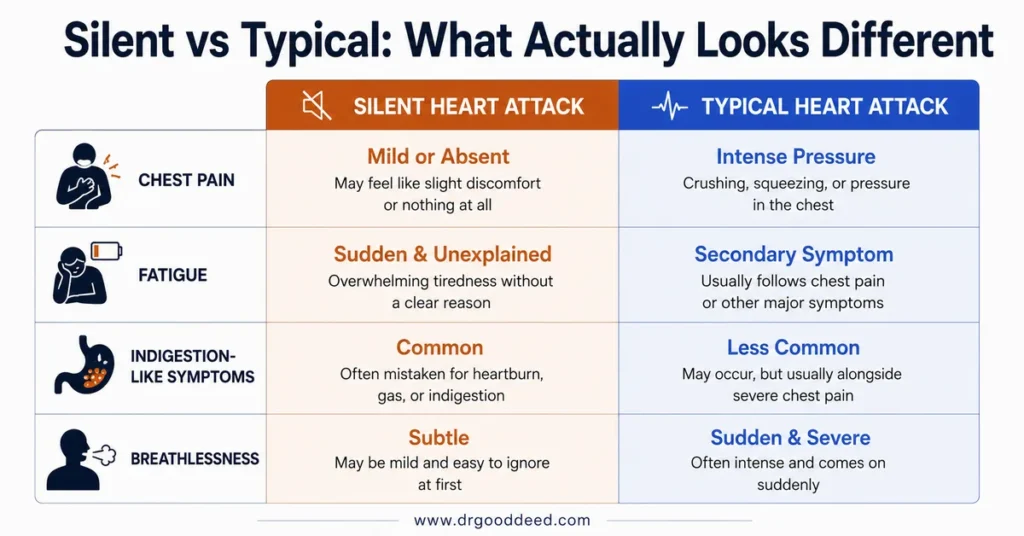
Silent vs Typical Heart Attack Symptoms
The table below separates symptoms of a silent heart attack pattern and symptoms of a typical heart attack so you know what actually to watch for.
| Symptom | Silent Heart Attack | Typical Heart Attack |
| Chest pain | Mild, absent, or felt as tightness | Intense pressure that does not ease with rest |
| Fatigue | Sudden, unexplained exhaustion for days | Present but usually secondary to chest pain |
| Indigestion-like feeling | Common, mistaken for heartburn | Less commonly the leading symptom |
| Shortness of breath | Subtle, during light activity | Often sudden and severe |
| How it’s usually mistaken | Flu, sore muscle, jaw ache, aging | Rarely mistaken, prompts 911 calls |
What Makes a Heart Attack Silent?
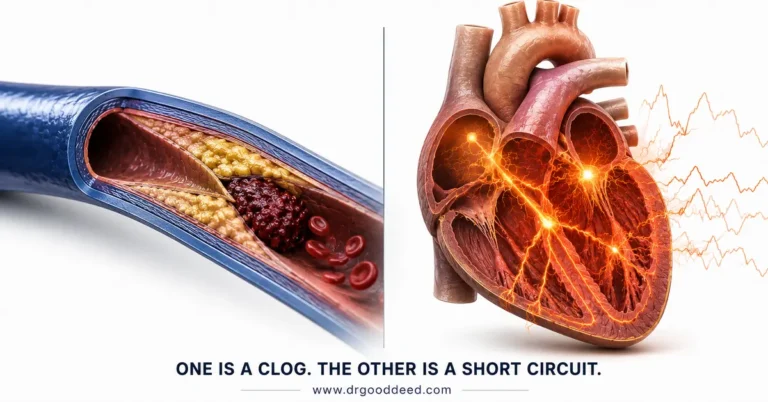
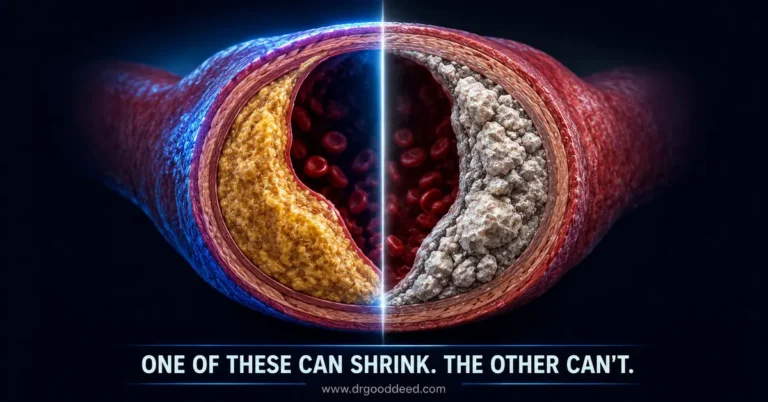
A silent myocardial infarction happens when your coronary artery gets blocked by plaque and a clot, cutting off oxygen to heart muscle, but your body never sends the alarm signal most people expect.
The nerve pathways that would normally register chest pain either react weakly or get interpreted by your brain as something ordinary, like a sore back. Diabetes plays a large role here because it can damage the nerves that carry pain signals from the heart, a condition called cardiac autonomic neuropathy.
Are Silent Heart Attacks More Common in Women or Men?
Older AHA-era sources framed silent heart attacks as more of a male pattern tied to diabetes and older age. Cleveland Clinic’s Dr. Leslie Cho, director of its Women’s Cardiovascular Center, now says women appear to experience silent heart attack signs more often than men, though the biological reason is not fully understood.
What is settled is that a silent heart attack in women carries the same muscle damage and the same downstream risks as one with textbook chest pain.
Who Is Most at Risk?
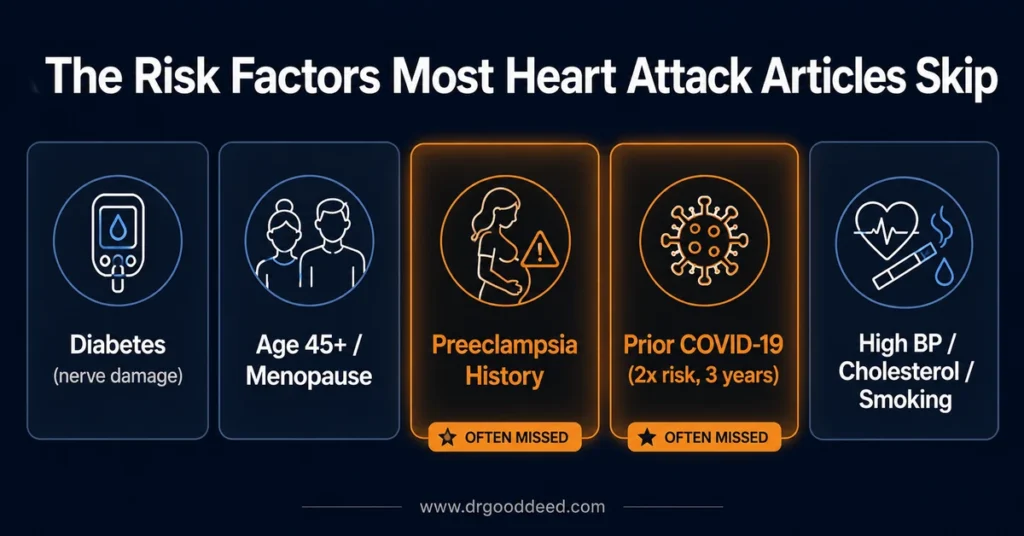
Certain groups face a measurably higher chance of a silent event, and a few of these silent heart attack risk factors rarely make it into mainstream coverage.
- Diabetes. Long-term high blood sugar damages the nerves that carry pain signals, which is why silent heart attacks cluster heavily in people with diabetes.
- Older age. Risk climbs after 45 in men and after menopause or age 55 in women, per Cleveland Clinic guidance.
- Preeclampsia during pregnancy. This raises long-term cardiovascular risk, a link most heart attack articles skip entirely.
- A history of COVID-19 or another infection. Cleveland Clinic-led research found any COVID-19 infection roughly doubled the long-term risk of a major cardiac event for up to three years afterward.
- Standard contributors also apply: high blood pressure, high cholesterol, smoking, obesity, and a family history of heart disease.
How a Silent Heart Attack Is Discovered
A silent heart attack is usually diagnosed through routine testing or a checkup for something unrelated. During a physical exam, a provider may notice a fast or uneven pulse, or unusual sounds when listening to your lungs.
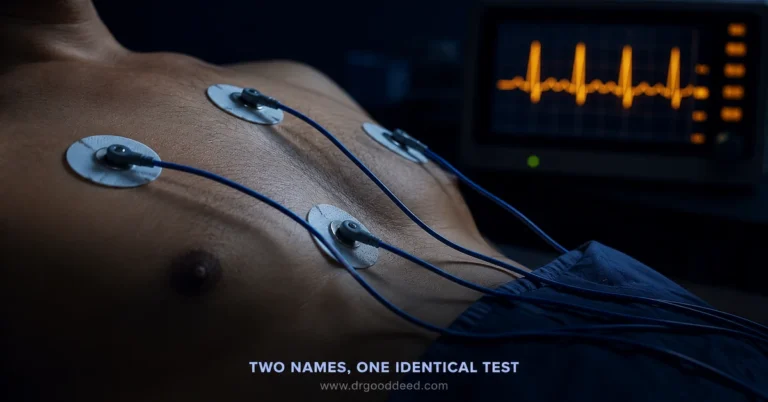
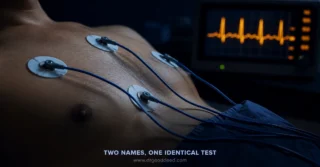
- An electrocardiogram can pick up patterns left behind by heart muscle that has healed after losing its blood supply.
- If those results raise concern, an echocardiogram shows how well your heart is pumping and can reveal areas of muscle that no longer move normally, evidence of a past silent myocardial infarction.
- Blood tests, a cardiac CT scan, or a stress test may follow to confirm the diagnosis and check for ongoing blockages.
What Happens If a Silent Heart Attack Goes Untreated?
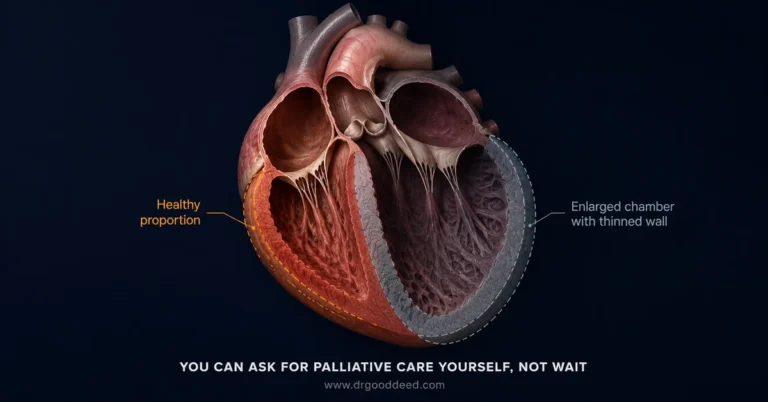
Heart muscle that loses blood flow during a silent event dies just as it would during a textbook heart attack, and that scar tissue does not regenerate. Left unaddressed, this raises your odds of an abnormal heart rhythm and, over time, heart failure as the heart works harder to compensate for the damaged section.
Cleveland Clinic-cited research also found a documented link between silent heart attacks and later ischemic stroke, since damaged heart tissue can promote clot formation that travels to the brain.
A 2018 study in the Journal of the American College of Cardiology found silent heart attacks raised heart failure risk by 35% compared to people with no evidence of one, with the risk climbing even higher in adults in their early 50s and younger.
How to Lower Your Risk (Pro Tips)
These steps target the symptoms of a silent heart attack before they ever have a chance to occur.
- Ask about a coronary calcium scan if heart disease runs in your family. This ten-minute CT scan detects calcium buildup in your arteries years before a blockage causes trouble, according to Franciscan Health cardiologists.
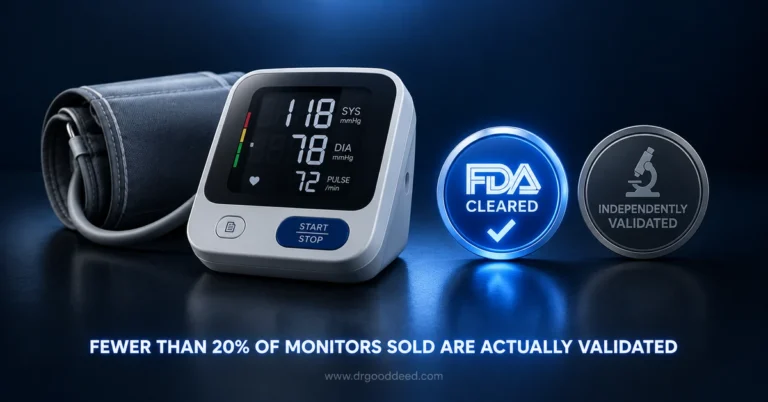
- Monitor blood pressure at home with an arm-cuff device. Cardiologist Dr. Angela Brittsan recommends a correctly sized arm cuff over wrist monitors, with a target under 120/80 mmHg.
- Treat diabetes and high blood pressure aggressively, not passively. Since nerve damage from these conditions can silence pain signals, tight control lowers your odds of missing a real event.
- Get an annual EKG if you have diabetes, are over 45, or have a family history of early heart disease, since it can catch silent changes before symptoms ever surface.
When to See a Doctor
Do not treat unusual fatigue, jaw ache, or breathlessness as something to monitor for a few days before deciding whether it is serious. If something feels off in your chest, jaw, arms, or upper back and does not have an obvious explanation, call 911. Paramedics can start treatment before you even reach the hospital.
FAQs
Can a silent heart attack go away on its own?
No. The blocked blood flow may briefly resolve, but the heart muscle damage already done does not reverse itself without medical evaluation and treatment.
How long can you have a silent heart attack without knowing?
Many people don’t find out for weeks or months, often only when an unrelated EKG or echocardiogram reveals old scarring on the heart.
Is a silent heart attack a warning sign of a bigger one?
Yes. Having one silent event raises your risk of a second heart attack, making follow-up care and risk-factor control essential.
Do silent heart attacks show up on a regular EKG?
Yes, in most cases. A standard EKG can detect patterns left by healed heart muscle, which is why routine cardiac screening matters for high-risk adults.
Can stress alone cause a silent heart attack?
No. Stress can trigger one in someone with existing artery blockages, but it is not a standalone cause without underlying coronary artery disease.
Sources
- Cleveland Clinic, Silent Heart Attack: Signs, Symptoms and Recovery link
- Cleveland Clinic, Women Face Higher Risk of Silent Heart Attacks link
- CDC, Heart Disease Facts link
- Cleveland Clinic Newsroom, History of COVID-19 Doubles Long-term Risk of Heart Attack, Stroke and Death link
- Franciscan Health, Symptoms of a Silent Heart Attack link
- Franciscan Health, What Do My Heart Scan Results Mean? link
- Cleveland Clinic, Women and Heart Disease link
- PubMed, Silent Myocardial Infarction and Subsequent Ischemic Stroke in the Cardiovascular Health Study link
- PubMed, Prevalence estimate of silent heart attacks link
- Cleveland Clinic, Can High Blood Pressure Cause a Heart Attack? Link
This article is for general information only and does not replace medical advice from a licensed healthcare provider. If you think you are having a heart attack, call 911 immediately.