
Heart attack symptoms in women frequently show up without chest pain, unlike the crushing chest pressure most people associate with cardiac events. Heart disease kills more women in the United States than every form of cancer combined, causing 1 in 5 female deaths each year. Yet only 44% of women recognize heart disease as their leading health threat.
Women wait an average of 54 hours before seeking treatment after symptoms start, compared to 16 hours for men. This guide covers heart attack symptoms in women by age, the symptoms women misread as something else, risk factors, diagnosis, and evidence-based prevention.
Heart Attack Symptoms in Women
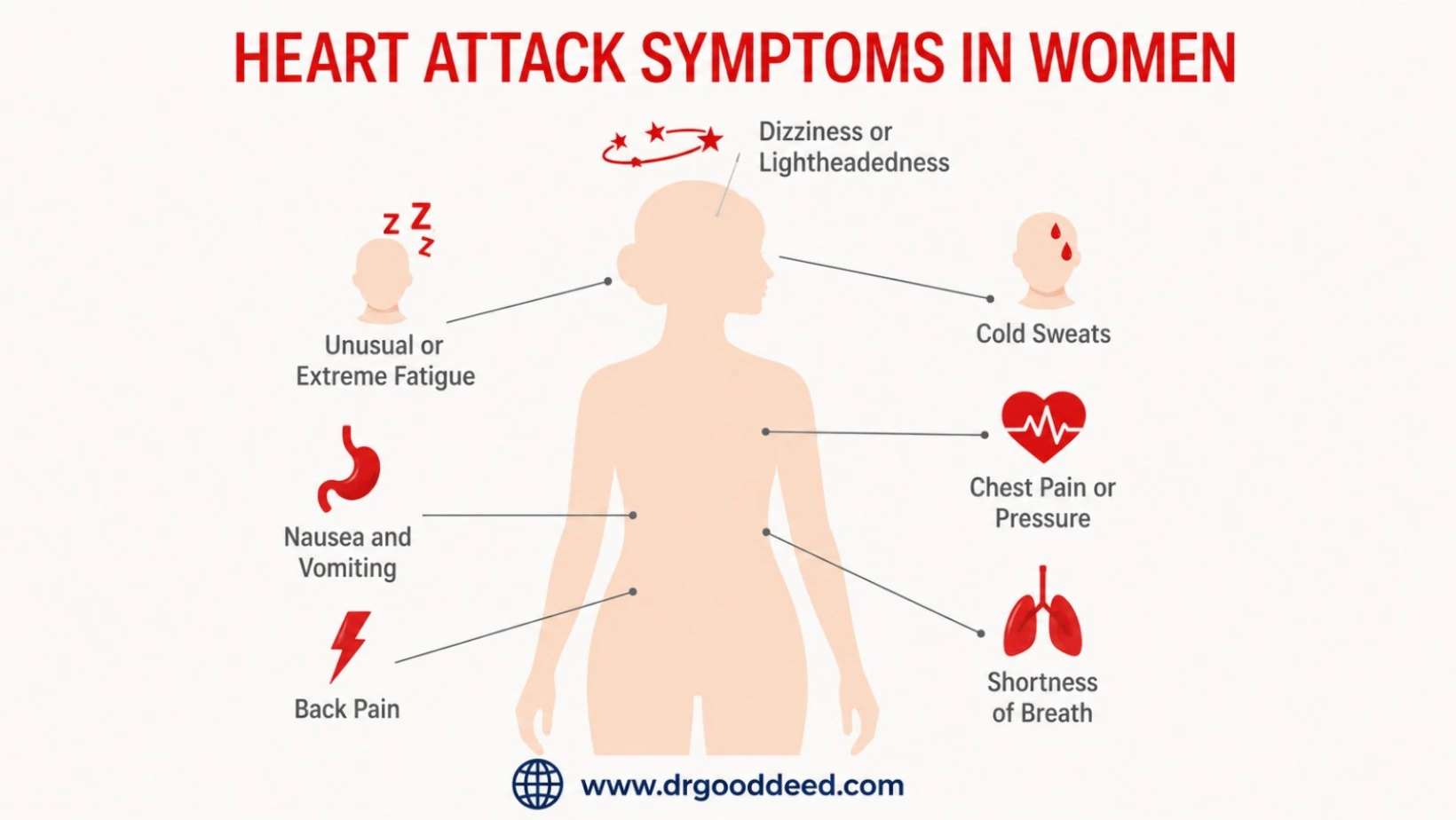
Chest pain remains the most reported symptom for both sexes, but heart attack symptoms in women show up differently often enough to change how emergency care should be approached. Roughly 30% of women having a heart attack report no chest pain at all.
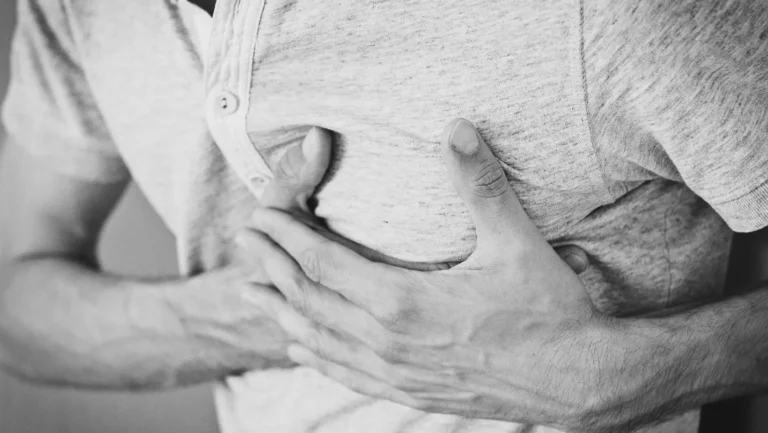
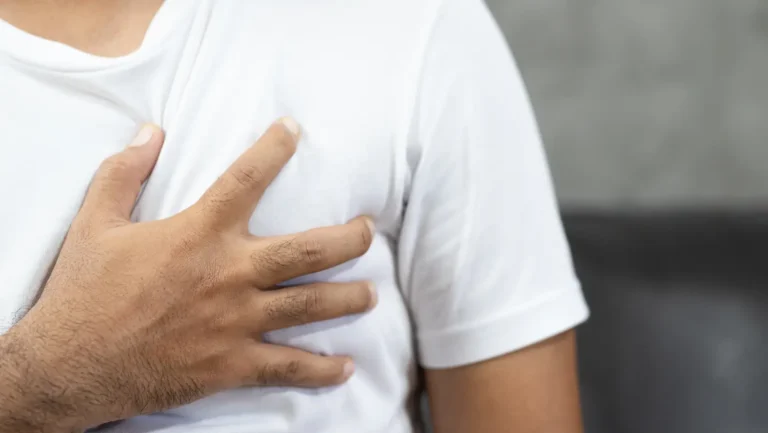
Chest Pain or Pressure
Women describe this as pressure, squeezing, fullness, or tightness in the center of the chest. It can last several minutes, fade, then return. Some women feel it as upper back pressure instead, like a rope tightening around the torso.
Shortness of Breath
Breathlessness can appear with or without chest discomfort. Some women notice it worsens while lying flat and eases when sitting up. This symptom alone, especially with no clear trigger like exercise, warrants immediate medical attention.
Unusual or Extreme Fatigue
A landmark study in the journal Circulation surveyed 515 women who survived heart attacks. Unusual fatigue was the most common early symptom, reported by 70.7% of them, often starting weeks before the actual event.
Pain in the Jaw, Neck, or Throat
This pain gets mistaken for a dental problem or a tension headache constantly. Without accompanying chest pain, women rarely connect it to their heart, and that disconnect delays treatment by hours.
Back Pain, Shoulder or Arm Pain
Pain can start in one spot and spread, or appear suddenly in the upper back, shoulders, or one or both arms. It’s frequently vague rather than sharp, which makes it easy to dismiss as muscle strain.
Nausea and Vomiting
Digestive symptoms show up more in women than men during a heart attack. Some women feel pain or pressure in the stomach that resembles heartburn or a stomach bug.
Cold Sweats
Sweating with no clear cause, like exercise or heat, is a red flag. It happens because the nervous system reacts to sudden oxygen shortage in the heart muscle.
Dizziness or Lightheadedness
A sudden drop in blood pressure or an irregular heartbeat during a heart attack can trigger dizziness. Paired with any other symptom above, it should never wait until morning.
Heart Attack Symptoms That Women Commonly Misinterpret
Many signs of a heart attack in women get filed under the wrong category entirely, and that misreading is exactly why so many cases go unrecognized until it’s an emergency. Jaw pain gets blamed on a dental issue. Fatigue gets blamed on a busy week. Nausea gets blamed on food. Sleep disturbance in the weeks before a heart attack was reported by 47.8% of women in the Circulation study, yet almost none of them connected it to their heart at the time.
This is a mismatch between what medical textbooks describe as a heart attack and what actually happens in a woman’s body. A 2022 study in the Journal of the American Heart Association found women waited 11 minutes longer than men in the ER before being seen, 48 minutes versus 37 minutes, even when reporting chest pain.
Risk Factors for Heart Attack in Women
Several risk factors for heart attack in women carry more weight than they do in men, and some are unique to female biology entirely.
- Diabetes: Raises heart attack risk more sharply in women than men.
- High blood pressure: Common after menopause and often undertreated in women.
- Smoking: Women who smoke face a steeper relative risk increase than male smokers.
- Autoimmune conditions: Lupus and rheumatoid arthritis, more common in women, raise cardiovascular risk.
- Pregnancy complications: Preeclampsia and gestational diabetes double later heart disease risk.
- Mental health stress: Depression and chronic stress trigger heart attacks more often in women than men.
- Menopause: Estrogen decline removes a natural protective effect on blood vessels.
Diabetes Increasing Heart Attack Risk in Women
Diabetes deserves its own spotlight because the numbers are striking. A meta-analysis of 64 cohorts covering nearly 900,000 people found diabetes almost tripled coronary heart disease risk in women, while it only doubled that risk in men.
Women with diabetes also have a twofold increased risk of heart disease compared to men with diabetes, and their first heart attacks tend to happen earlier and prove fatal more often.
Heart Attack Symptoms by Age
Symptom patterns shift across a woman’s lifespan, largely tracking hormonal changes and how doctors interpret her risk at each stage.
Women Under 40
Heart attacks are rare but rising in this group, often tied to smoking, obesity, or undiagnosed autoimmune disease. Symptom combinations vary more in women under 55 than in men, making diagnosis harder even for experienced physicians.
Women Between 40 and 60
This is the decade when perimenopause begins shifting cardiovascular risk upward. Fatigue, jaw pain, and shortness of breath become more common alongside classic chest pressure.
Women Over 60
Symptoms often blend with other age-related conditions like arthritis or acid reflux, which delays recognition. Silent or minimally symptomatic heart attacks appear more frequently in this group.
Postmenopausal Women
Estrogen’s protective effect on arteries disappears after menopause, and heart attack rates in women climb sharply within a decade. Chest pain becomes slightly more common again, but so does back and jaw discomfort.
Women Who May Experience Less Typical Heart Attack Symptoms
Certain groups face a higher chance of a heart attack showing up without the textbook signs entirely.
Women with Diabetes
Nerve damage from long-term diabetes can dull pain signals, meaning a heart attack might feel like mild indigestion instead of severe chest pain. This is one reason diabetic women are more likely to have a silent heart attack.
Older Women
Age-related changes in pain perception mean older women more often report only fatigue or breathlessness, without any chest discomfort at all.
Younger Women
Younger women sometimes dismiss symptoms as anxiety or panic attacks, especially when chest pain is absent, and dizziness or nausea dominates.
Post-Menopausal Women
Hormonal shifts change how pain is processed and reported, and postmenopausal women more often describe vague upper body discomfort rather than sharp chest pain.
How Heart Attacks Are Diagnosed
Diagnosis relies on a combination of tools, not a single test, and getting the sequence right within the first hour changes outcomes significantly.
Medical History
Doctors ask about symptom onset, duration, and personal or family cardiac history. Women should mention every symptom, even ones that feel unrelated, like unusual tiredness or nausea.
Electrocardiogram (ECG)
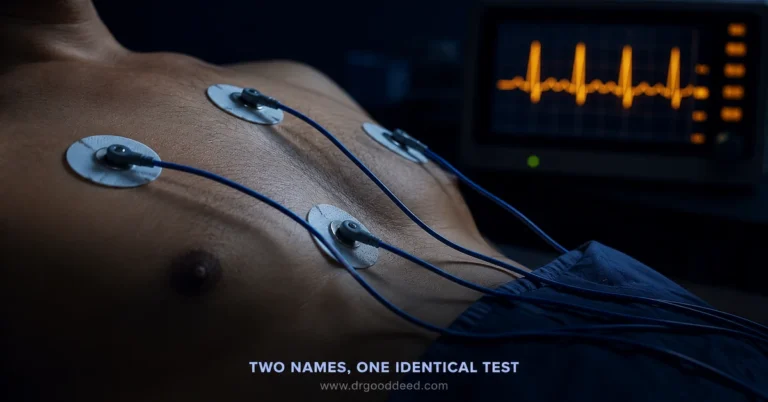
This test records the heart’s electrical activity and can detect a heart attack within minutes. It’s usually the first test run in the emergency room.
Blood Tests
Troponin, a protein released when the heart muscle is damaged, rises within 3 to 6 hours of an attack. Blood tests confirm what the ECG suggests.
Cardiac Imaging
Echocardiograms and CT scans show how well the heart is pumping and reveal areas of damaged muscle. These tests matter more for women, who are more prone to blockages in smaller vessels that basic tests miss.
Coronary Angiography
This procedure uses a catheter and dye to map blockages directly inside the coronary arteries. It’s also how doctors identify nonobstructive coronary artery disease, a condition more common in women where there’s heart damage without a major blockage.
Treatment for Heart Attack in Women
Treatment for heart attack in women follows the same core pathway as in men. This includes clot-dissolving medication or a procedure called percutaneous coronary intervention (PCI) to reopen the blocked artery, typically within a 90-minute window of arrival at the hospital. But research shows women receive this treatment less aggressively and less quickly than men do.
Studies show women are also less likely to receive an ECG promptly and less likely to be hospitalized after reporting chest pain, a gap that directly affects survival. Effective treatment for heart attack in women depends on providers taking female-specific symptoms seriously from the first minute of contact.
Preventing Heart Attacks in Women
Preventing heart attacks in women starts with controlling the modifiable risk factors already outlined and staying alert to symptoms textbooks tend to underplay.
- Get blood pressure and cholesterol checked annually starting in your 20s.
- Ask specifically about diabetes screening if you have a family history.
- Track menstrual and menopause changes with your doctor, since hormonal shifts affect cardiovascular risk.
- Quit smoking; risk drops significantly within one year of quitting.
- Manage stress and depression actively, not as an afterthought to physical health.
- Stay active with at least 150 minutes of moderate exercise weekly.
Preventing heart attacks in women also means never dismissing a combination of fatigue, nausea, and breathlessness as “just stress.”
FAQs
What are the first heart attack symptoms in women?
Unusual fatigue, sleep disturbance, and shortness of breath typically appear weeks before, reported by 70.7%, 47.8%, and 42.1% of women, respectively in a Circulation study of 515 survivors.
How do women’s heart attack symptoms differ from men’s?
Women report jaw, neck, and back pain more often, plus nausea and fatigue. Only 29.7% report chest discomfort beforehand, compared to chest pain being the dominant symptom in men.
Can women have a heart attack without chest pain?
Yes. About 30% of women having a heart attack report no chest pain at all, relying instead on shortness of breath, nausea, or unexplained fatigue as the only signals.
Why does diabetes increase heart attack risk in women?
Diabetes nearly triples coronary heart disease risk in women versus doubling it in men, per a 64-cohort meta-analysis of almost 900,000 people. Nerve damage also masks warning pain.
What should a woman do if she suspects a heart attack?
Call 911 immediately, even without chest pain. Do not drive yourself. Chew aspirin if not allergic, sit down, and describe every symptom, including fatigue or nausea, to responders.
How is a heart attack diagnosed in women?
ECG detects electrical changes within minutes. Troponin blood tests confirm muscle damage within 3 to 6 hours. Imaging checks smaller vessel blockages, which are more common in women.
Can younger women have heart attacks?
Yes. Rates are rising in women under 40, mainly linked to smoking, obesity, and undiagnosed autoimmune disease. Symptom patterns also vary more in women under 55 than in men.
Are heart attack symptoms different after menopause?
Yes. Estrogen’s protective effect disappears, and chest pain becomes slightly more common again alongside jaw and back discomfort, with overall heart attack rates rising sharply within a decade.
What is a silent heart attack?
A silent heart attack causes minimal or no noticeable symptoms, often just mild fatigue or indigestion. It’s more common in women with diabetes due to nerve damage dulling pain signals.
How long do heart attack symptoms usually last?
Chest discomfort can last several minutes or come and go. Untreated, symptoms and heart muscle damage can continue for hours, making immediate emergency care essential regardless of symptom intensity.
Sources
- American Heart Association: Heart Attack Symptoms in Women
- American Heart Association: Changing the Way We View Women’s Heart Attack Symptoms
- Mayo Clinic: Heart Disease in Women
- Circulation (AHA Journal): Women and Heart Attacks
- American Heart Association: Diabetes and Women’s Heart Health Risk
- Diabetologia: Diabetes as Risk Factor for Coronary Heart Disease in Women vs Men
- Medical News Today: Heart Attack in Women, Symptoms and Risk Factors
- Texas Health Resources: Heart Attack Warning Signs Women Often Miss
- Centers for Disease Control and Prevention: Heart Disease Facts
- National Heart, Lung, and Blood Institute: Heart Attack