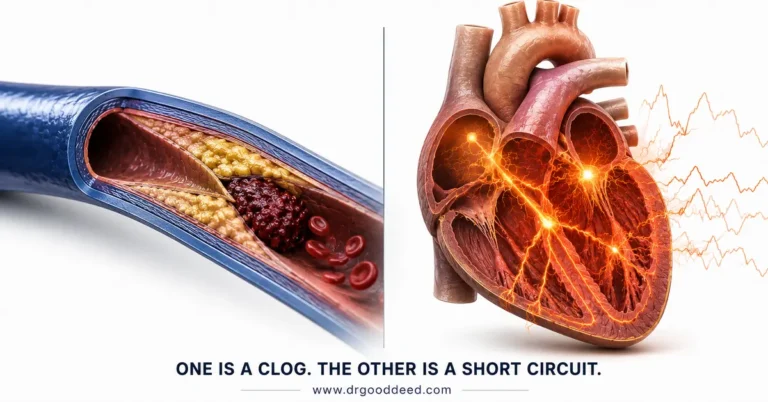

The warning signs of a heart attack include chest pressure, pain that spreads to the arm or jaw, cold sweats, nausea, and sudden shortness of breath. A heart attack happens when a blocked artery cuts off blood flow to part of the heart muscle. In the United States, someone has a heart attack roughly every 40 seconds, according to the CDC.
This guide covers every major symptom, how to tell a heart attack apart from a panic attack, what doctors do in the emergency room, and the early clues your body sends out days before the main event.
Warning Signs of a Heart Attack
The most common warning signs of a heart attack are chest discomfort, pain that spreads to the upper body, breathlessness, cold sweats, nausea, dizziness, and sudden tiredness. Symptoms usually build together over several minutes, and they often get worse with movement instead of easing off with rest.
Chest Pain or Pressure
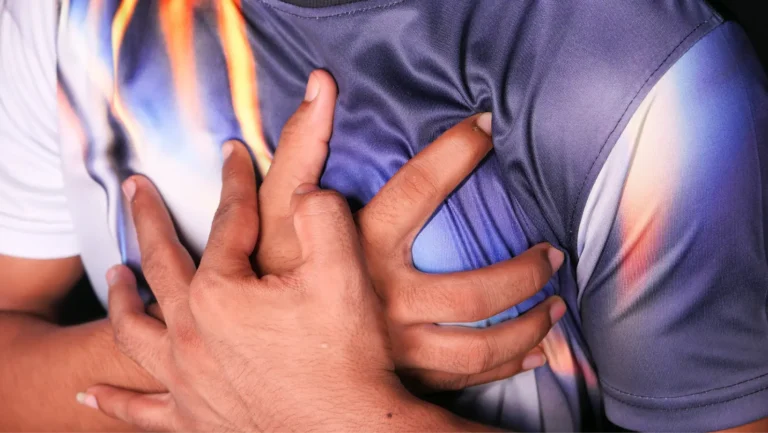
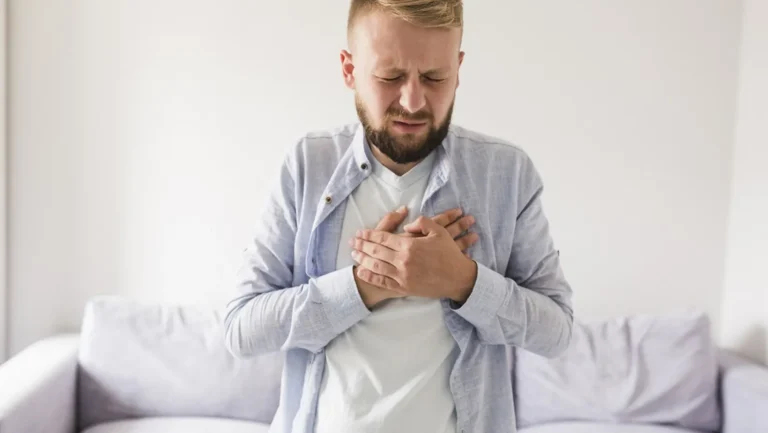
Most heart attacks bring a heavy, squeezing feeling in the center of the chest. People describe it as fullness, tightness, or something sitting on their chest. It can last several minutes, fade, then come back.
Pain Radiating to the Arm
Pain that spreads down one or both arms is a classic heart attack warning symptom. The left arm is affected more often, but right-arm pain happens too and gets dismissed more easily. The ache can feel dull, like a pulled muscle, which is exactly why people ignore it.
Jaw, Neck, Shoulder, or Back Pain
Heart pain does not stay in the chest. It can travel to the jaw, neck, shoulder blades, or upper back. This referred pain happens because the heart and these areas share nerve pathways. Dentists have caught early heart attacks in patients who came in only for jaw pain.
Shortness of Breath
Breathlessness can show up with chest pain or completely on its own. If climbing a single flight of stairs suddenly leaves you gasping when it never did before, treat that as one of the more urgent warning signs of a heart attack, not general fatigue.
Cold Sweats
A sudden, unexplained cold sweat, breaking out with no heat or exercise involved, points to the body’s stress response during reduced blood flow to the heart. It often appears alongside chest pressure but can precede it by several minutes.
Nausea or Vomiting
Nausea, indigestion-like discomfort, or actual vomiting during a cardiac event happens more in women and in people having a heart attack affecting the lower part of the heart. Many mistake it for food poisoning or a stomach bug.
Dizziness or Lightheadedness
A sudden drop in blood pressure during a heart attack can leave a person feeling faint or unsteady on their feet. Paired with chest discomfort or sweating, dizziness should never be brushed off as simple exhaustion.
Unusual Fatigue
Bone-deep tiredness that appears without extra physical effort is one of the early warning signs of a heart attack that gets missed the most, especially in women. It can build for days before any chest symptom shows up at all.
Heart Attack vs Panic Attack Symptoms
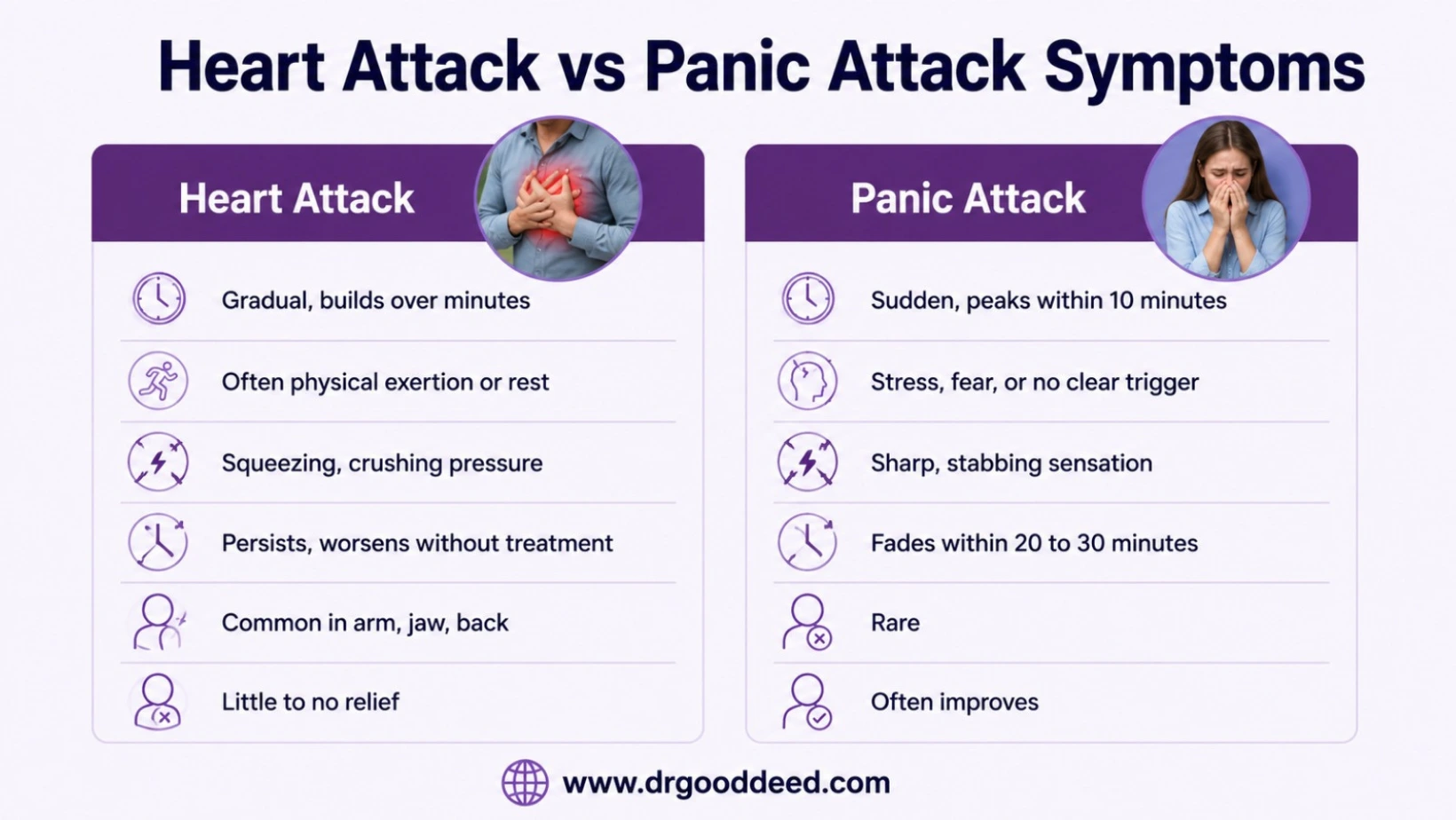
Understanding heart attack vs panic attack symptoms starts with timing. Panic attacks peak within about ten minutes and usually fade within thirty. Heart attack symptoms build gradually, often worsen with activity, and do not resolve with rest or calming breaths. When chest pain lasts more than ten minutes, treat it as a heart attack until proven otherwise.
Key Differences
| Feature | Heart Attack | Panic Attack |
| Onset | Gradual, builds over minutes | Sudden, peaks within 10 minutes |
| Trigger | Often physical exertion or rest | Stress, fear, or no clear trigger |
| Pain quality | Squeezing, crushing pressure | Sharp, stabbing sensation |
| Duration | Persists, worsens without treatment | Fades within 20 to 30 minutes |
| Radiating pain | Common in arm, jaw, back | Rare |
| Response to rest | Little to no relief | Often improves |
Both conditions can bring chest pain, sweating, and a racing heart, which is why the heart attack vs panic attack symptoms comparison confuses even experienced patients. If you cannot rule out a cardiac cause on your own, call 911. Emergency staff can run an EKG in minutes and settle the question fast.
Early Warning Signs That May Appear Hours or Days Before a Heart Attack
Recognizing these early warning signs of a heart attack gives you a real window to act before an artery closes completely. You may feel warning symptoms of a heart attack hours, days, or even weeks in advance.
Watch for these patterns in the days leading up to a possible event:
- Unexplained fatigue that does not improve with sleep or rest
- Reduced exercise tolerance, such as needing to stop halfway through a walk you normally finish easily
- Chest tightness that comes and goes, sometimes triggered by activity and relieved by stopping
- Unusual breathlessness during light tasks like climbing stairs or carrying groceries
- Disrupted sleep, including waking up short of breath or unable to lie flat comfortably
- Unexplained anxiety or a sense that something is wrong, even without an obvious cause
- Recurring upper body discomfort in the arm, back, or jaw that shows up, fades, and returns
About one in five heart attacks are silent, meaning the damage happens without the person realizing it, according to the CDC and American Heart Association. These silent heart attack warning signs often masquerade as heartburn, a pulled muscle, or the flu. People with diabetes are at higher risk for silent heart attacks because nerve damage can blunt normal pain signals.
What to Do Immediately If You Notice Warning Signs
Fast, correct action in the first minutes after symptoms start has the biggest impact on survival and long-term heart damage. Follow these five steps without delay.
- Recognize the symptom pattern, not just one symptom. Chest pressure paired with sweating, nausea, or arm pain carries far more weight than any single sign alone.
- Stop physical activity immediately. Sit or lie down to reduce the demand on your heart while you assess what is happening.
- Call emergency medical services immediately. Do not drive yourself. Paramedics can begin treatment on the way and alert the hospital before you arrive.
- Note the exact time symptoms began. This detail directly shapes which treatments doctors can safely use once you reach the hospital.
- If the person becomes unresponsive, check for breathing and a pulse. If neither is present, begin hands-only CPR at a pace of 100 to 120 compressions per minute until help arrives.
Emergency Treatment for a Heart Attack Performed by Doctors
Hospitals treat heart attacks by restoring blood flow to the heart as fast as possible. The method chosen depends on how quickly you arrive and which artery is blocked.
Percutaneous Coronary Intervention (PCI)
PCI, commonly called angioplasty, is the primary treatment for most heart attacks today. A cardiologist threads a thin catheter to the blocked artery, inflates a small balloon to open it, and typically places a stent to keep it open. Current guidelines favor completing this procedure within 90 minutes of hospital arrival.
Clot-Dissolving Medications
When a hospital cannot perform PCI fast enough, doctors use clot-dissolving drugs called thrombolytics. These medications break down the blood clot blocking the artery. They work best when given within 30 minutes of arrival and are most effective in the first few hours after symptoms begin.
Coronary Artery Bypass Surgery
Coronary artery bypass grafting, or CABG, reroutes blood around a severely blocked artery using a healthy blood vessel taken from elsewhere in the body. Surgeons reserve this open-heart procedure for cases involving multiple blockages or arteries that PCI cannot safely reach.
Medications to Prevent Future Events
After the emergency passes, doctors prescribe medications such as aspirin, statins, and blood pressure drugs to lower the risk of a second event. Because high blood pressure and heart attack risk are closely linked, controlling blood pressure becomes a lifelong priority for survivors.
Cardiac Rehabilitation
Cardiac rehab combines supervised exercise, nutrition counseling, and education to help the heart recover and to cut the risk of another attack. Patients who complete a full program show measurably better long-term outcomes than those who skip it.
FAQs
Can heart attack symptoms come and go?
Yes. Chest discomfort can fade and return several times before a full heart attack occurs. Any repeating chest pressure, especially with activity, needs urgent medical evaluation rather than a wait-and-see approach.
Can high blood pressure lead to a heart attack?
Yes. Uncontrolled high blood pressure and heart attack risk rise together because constant pressure damages artery walls, speeding up plaque buildup that eventually blocks blood flow to the heart.
How long do heart attack symptoms usually last?
Heart attack symptoms typically persist longer than 10 minutes and worsen without treatment, unlike panic attacks, which usually peak and fade within 20 to 30 minutes on their own.
What should I do if I think someone is having a heart attack?
Call 911 immediately, help the person sit or lie down, and note when symptoms started. Begin hands-only CPR only if the person stops breathing or has no pulse.
Can a heart attack happen without severe chest pain?
Yes. Roughly one in five heart attacks are silent, causing damage without recognizable pain. Fatigue, breathlessness, or jaw discomfort can be the only clues someone gets.
How is a heart attack diagnosed?
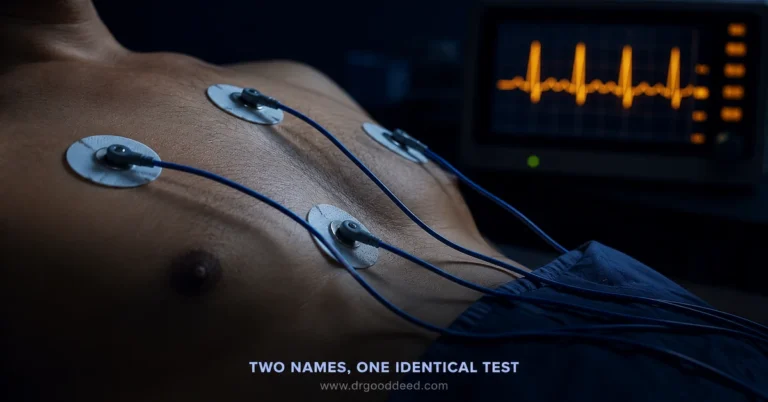
Doctors confirm a heart attack using an EKG, blood tests for cardiac enzymes like troponin, and sometimes a cardiac catheterization to locate the exact blocked artery causing symptoms.
Sources
- American Heart Association: Warning Signs of a Heart Attack
- American Heart Association: Heart Attack Symptoms in Women
- Mayo Clinic: Heart Attack Symptoms and Causes
- Mayo Clinic: Heart Attack Diagnosis and Treatment
- CDC: Heart Disease Facts
- CDC: High Blood Pressure Facts
- Cleveland Clinic: Silent Heart Attack
- Cleveland Clinic: Heart Attack vs. Panic Attack
- Mayo Clinic News Network: Panic Attack vs. Heart Attack
- American Heart Association News: Silent Heart Attacks All Too Common