
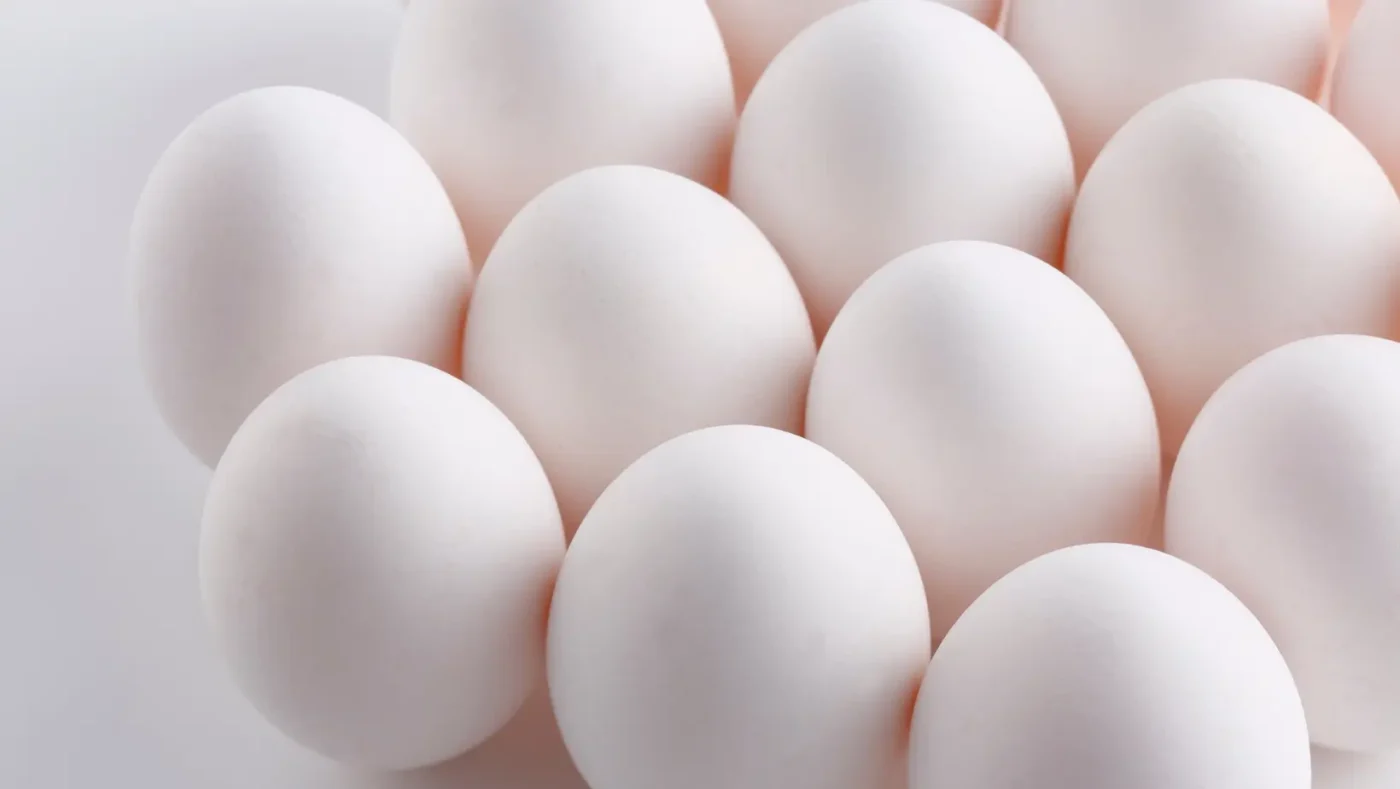

A large egg has about 6 to 6.5 grams of protein in one egg, based on USDA FoodData Central values. This egg protein carries all nine essential amino acids (the building blocks your body cannot make on its own), packed into a food you can cook in minutes. These egg nutrition facts hold true whether you boil, fry, or scramble your eggs, because cooking method barely changes total egg protein content.
This guide breaks down protein by egg size, by white versus yolk, and by daily intake needs, so you know exactly where eggs fit in your meals.
How Much Protein Does an Egg Have?
The amount of protein in an egg depends mostly on size. A small egg holds close to 5 grams, while a jumbo egg can carry up to 8 grams. Most recipes and nutrition labels use the large egg as the standard, which sits at roughly 6 to 6.5 grams of egg protein per egg.
| Egg Size | Approximate Protein |
| Small | ~5 g |
| Medium | ~5.5–6 g |
| Large | ~6–6.5 g |
| Extra Large | ~7 g |
| Jumbo | ~8 g |
Protein Content in a Whole Egg
A whole egg gives you both the white and the yolk, and both parts add to the protein in one egg. The white supplies the bigger share, while the yolk adds a smaller but still meaningful amount, along with fat, vitamins, and minerals you would miss if you tossed it out.
Protein in Egg White vs Egg Yolk
A large egg white holds about 3.6 grams. The yolk carries around 2.7 grams. Together, this is how a large egg reaches its total egg nutrition facts protein count of roughly 6 grams.
Does Egg Size Change Protein Amount?
Yes. Every jump in egg size, from small to jumbo, adds close to half a gram to a full gram more protein. A large egg gives about 6 to 6.5 grams, while a jumbo gives close to 8 grams, a difference worth noting if you track protein closely.
Egg White vs. Egg Yolk: Where Is the Protein?
| Component | Protein | Main Nutrients |
| Egg white | Majority of protein | Albumin (the main white protein), water |
| Egg yolk | Remaining protein | Vitamins, minerals, healthy fats, choline |
The egg white contains most of the egg’s protein content, but the yolk still adds real protein on top of nearly all the egg’s vitamins, minerals, and healthy fats. Skipping the yolk to save on fat also means losing choline, vitamin D, and vitamin B12, nutrients your body needs for brain and nerve function. For most healthy people, eating the whole egg makes more nutritional sense than eating whites alone.
Why Egg Protein Is Beneficial
Egg protein stands out because your body absorbs it easily and uses nearly all of it for repair and growth. Eggs are one of the few whole foods that meet the definition of a complete protein, meaning they supply every essential amino acid your body needs from food.
Muscle Growth and Recovery
Muscle tissue repairs itself using amino acids, and egg protein delivers a strong dose of leucine, the amino acid that triggers muscle rebuilding after exercise. This is why eggs for muscle building show up often in athlete meal plans and post-workout meals.
Satiety and Appetite Control
Protein slows digestion more than carbs or fat, which keeps hunger away longer. Starting your day with protein in one egg or two can reduce snacking later, which is one reason eggs for weight loss plans often include them at breakfast.
Healthy Aging and Muscle Preservation
As people age, muscle mass naturally declines, a process doctors call sarcopenia (age-related muscle loss). Eating enough high-quality protein, including egg protein, throughout the day helps slow this muscle loss and supports strength in older adults.
Brain and Nervous System Health
Egg yolks contain choline, a nutrient your brain uses to build cell membranes and support memory. This is separate from the protein itself, but it adds to why whole eggs, not just whites, deliver more complete nutrition.
Does Cooking Change the Protein in Eggs?
Cooking does not remove protein from an egg. Heat changes the protein’s shape but keeps the amount your body can use about the same, sometimes even improving how easily your body absorbs it.
Raw vs. Cooked Eggs
Raw eggs contain a protein called avidin, which can block your body from absorbing biotin (a B vitamin) if eaten often. Cooking breaks down avidin, so cooked eggs are safer and just as rich in egg protein as raw ones, without that absorption problem.
Boiled vs. Scrambled vs. Fried
Boiled egg protein content stays close to the raw egg’s original amount, since no fat or liquid is added during cooking. Scrambled egg protein content and fried egg protein content stay nearly identical too, though frying with oil or butter adds extra calories and fat that boiling does not.
Does Heat Destroy Protein?
No. Heat unfolds the protein structure through a process called denaturation, which is exactly what makes egg whites turn from clear and runny to firm and white. The protein grams stay the same, whether the egg is raw, boiled, fried, or scrambled.
How Many Eggs Should You Eat for Protein?
| Goal | Practical Intake |
| General healthy adults | 1–2 eggs a day can fit into a balanced diet |
| Muscle building | Combine eggs with other protein sources to meet daily targets |
| Weight management | Eggs can be part of a calorie-controlled diet |
| Older adults | Include high-quality protein across meals |
| Higher cholesterol concerns | Individualize based on overall diet and healthcare guidance |
How many eggs you should eat per day depends on your goals, activity level, and any health conditions. For most healthy adults, current NIH and Dietary Guidelines for Americans guidance treats eggs as a normal part of a balanced diet, without a strict daily cap for most people.
Protein Needs Based on Your Goals
If you exercise often or want eggs for muscle building, you likely need more total daily protein than a mostly sedentary adult. Two or three eggs can cover a solid share of that target, but pairing them with other foods like beans, fish, or dairy fills the rest of your daily needs.
Eating Eggs for Weight Management
Eggs for weight loss work well because they are low in calories relative to how full they make you feel. A large egg has around 70 calories but still delivers real protein in one egg, making it an efficient food if you are watching your calorie intake.
Are Eggs Enough Protein for Breakfast?
Two large eggs give you about 12 to 13 grams of protein, which is a solid start but usually not your full breakfast protein target if you’re active. Pairing eggs with Greek yogurt, beans, or whole grain toast rounds out the meal and keeps you full past mid-morning.
Eggs are a complete protein, meaning they contain all nine essential amino acids your body cannot make on its own. This puts egg protein on par with meat, fish, and dairy for protein quality, and ahead of most plant proteins, which often lack one or more essential amino acids.
Egg protein vs chicken protein shows chicken breast has more grams per serving (about 25 to 30 grams per 100 grams), but eggs are easier to prepare and cheaper per gram of protein. Egg protein vs whey protein shows whey protein powder is more concentrated, with 20 to 25 grams per scoop, making it useful for people who need a lot of protein fast without cooking.
FAQs
How many grams of protein are in one egg?
A large egg has about 6 to 6.5 grams of egg protein. A medium egg has close to 5.5 grams, and a jumbo egg reaches nearly 8 grams, so protein in one egg shifts with size.
Do egg whites have more protein than yolks?
Yes. Egg whites hold about 3.6 grams of protein, while yolks hold about 2.7 grams. Whites carry the larger share of eggs’ protein content, but yolks still add meaningful protein plus most vitamins.
Are eggs a good source of protein?
Yes. Eggs are a complete protein with all nine essential amino acids, making egg protein as high-quality as meat or dairy protein, while costing far less per gram than most animal sources.
How many eggs should I eat per day?
Most healthy adults can eat 1 to 2 eggs daily as part of a balanced diet, per NIH-aligned dietary guidance. Athletes or people building muscle may safely eat more, spread across meals for steady protein intake.
Is egg protein better than other protein sources?
Egg protein ranks among the highest-quality proteins by digestibility and amino acid balance, similar to whey. It has less protein per gram than chicken or whey powder, but wins on cost, convenience, and nutrient variety.








2 Comments
Comments are closed.