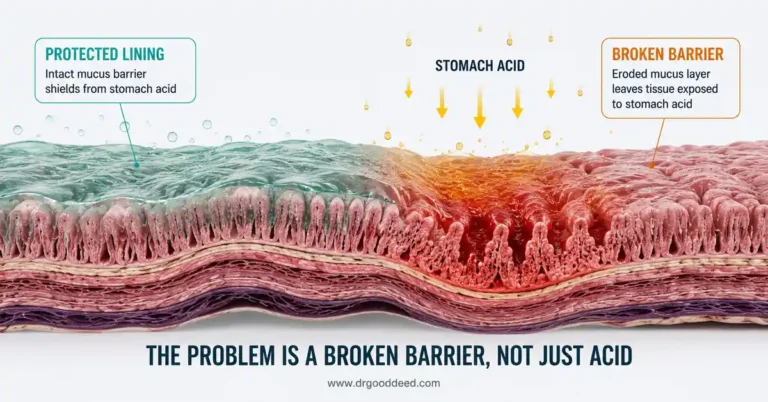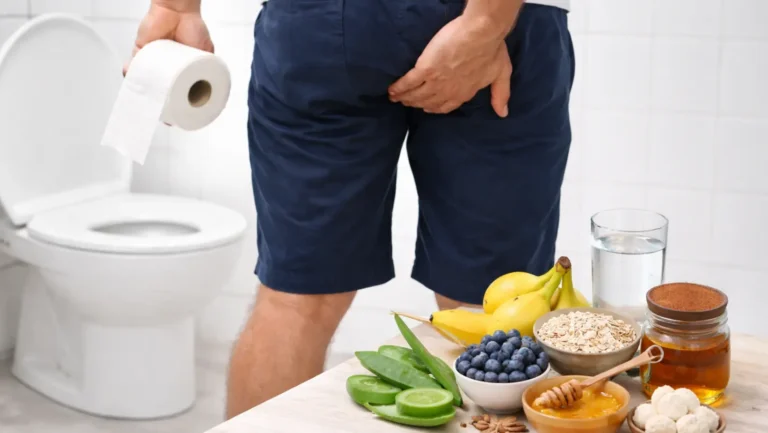

Mild and occasional acidity responds well to home remedies for acidity, like cold milk, ginger tea, fennel seeds, and bananas. These work by either neutralizing stomach acid, reducing inflammation in the food pipe, or slowing acid production. Frequent acidity, meaning more than twice a week, or acidity with chest pain, difficulty swallowing, or weight loss, needs a doctor.
This article covers the 6 home remedies for acidity relief, the best drinks to take, what to do after overeating or eating spicy food, and when home care is no longer enough.
6 Home Remedies for Acidity Relief
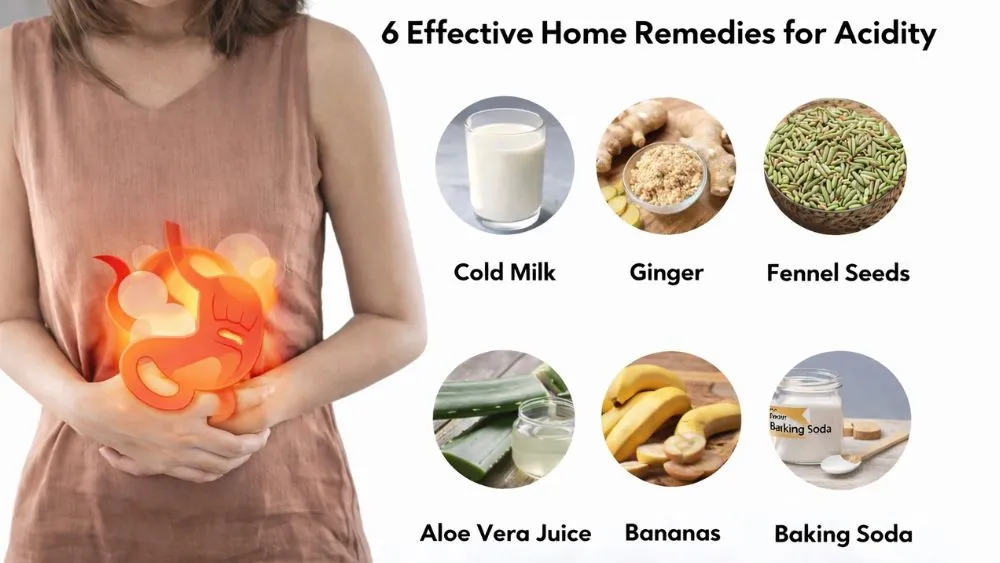
These 6 home remedies for acidity relief work on different parts of the problem. Some neutralize existing acid. Others prevent more acid from forming. A few repairs irritated tissue in the food pipe.
1. Cold Milk
Cold milk works because it is alkaline. Milk has a pH of around 6.5 to 6.7, which sits just below neutral. When it reaches the stomach, it temporarily raises the acid environment and reduces the burning sensation. The calcium in milk also briefly buffers acid production.
Use full-fat or low-fat cold milk. Avoid flavored milk or sugar. Drink half a cup slowly. The relief is fast, usually within 10 to 15 minutes. The limitation is that milk also stimulates the stomach to produce more acid after the initial buffering effect. So cold milk is a short-term fix, not a daily strategy.
2. Ginger
Ginger contains gingerols and shogaols. These compounds reduce inflammation in the stomach lining and food pipe. Ginger also speeds up gastric emptying, meaning it helps the stomach move food down faster. Slower gastric emptying is one reason some people get acidity after meals.
Make ginger tea by steeping a small piece of fresh ginger in hot water for 5 minutes. Drink it warm but not burning hot. Avoid adding lemon, as citrus can trigger more acid in sensitive people. This is one of the most effective home remedies for acidity when bloating and indigestion come with heartburn.
3. Fennel Seeds
Fennel seeds contain anethole, a compound that reduces spasms in the stomach and intestine. It also reduces gas production, which is why fennel works well when bloating accompanies acidity.
Chew half a teaspoon of fennel seeds after meals. Or make fennel water by soaking one teaspoon in a glass of water overnight and drinking it in the morning. Fennel seed water is also used as an acidity with bloating because it addresses both problems together.
4. Aloe Vera Juice (Limited Quantity)
Aloe vera juice soothes the inner lining of the food pipe and stomach. It contains polysaccharides that coat irritated tissue and reduce the burning sensation. It also has a mild laxative effect, which helps if constipation is making acidity worse.
Drink 20 to 30 ml of food-grade, decolorized aloe vera juice before a meal. Large amounts cause diarrhea and stomach cramps. Do not use aloe vera gel meant for skin. Only use aloe juice labeled safe for internal consumption.
5. Bananas
Bananas are natural antacids. They contain potassium, which buffers excess stomach acid. They also have a compound called pectin, a type of fiber that helps food move through the stomach faster. Faster movement means less time for acid to build up.
Ripe bananas work better than unripe ones for acidity. Unripe bananas are higher in tannins, which can sometimes worsen symptoms in sensitive people. One ripe banana eaten 30 minutes before a meal reduces post-meal acid production in most people.
6. Baking Soda (Occasional Use Only)
Baking soda (sodium bicarbonate) neutralizes stomach acid almost immediately. The chemical reaction between baking soda and acid releases carbon dioxide, which is why some people burp after taking it. That burp also helps release gas.
Mix half a teaspoon in 200 ml of plain water. Drink slowly. Relief comes within 5 minutes. But baking soda is high in sodium. Frequent use raises blood pressure and disrupts the body’s acid-base balance. Use it only in emergencies, not more than once a day, and never if you are on a low-sodium diet or have kidney disease.
Best Drinks for Acidity Relief
The best drinks for acidity relief work by either neutralizing acid, coating the food pipe, or reducing acid production.
Recommended drinks:
- Cold milk (fast neutralization, half a cup at a time)
- Ginger tea (reduces inflammation and speeds digestion)
- Fennel water (reduces gas and acid together)
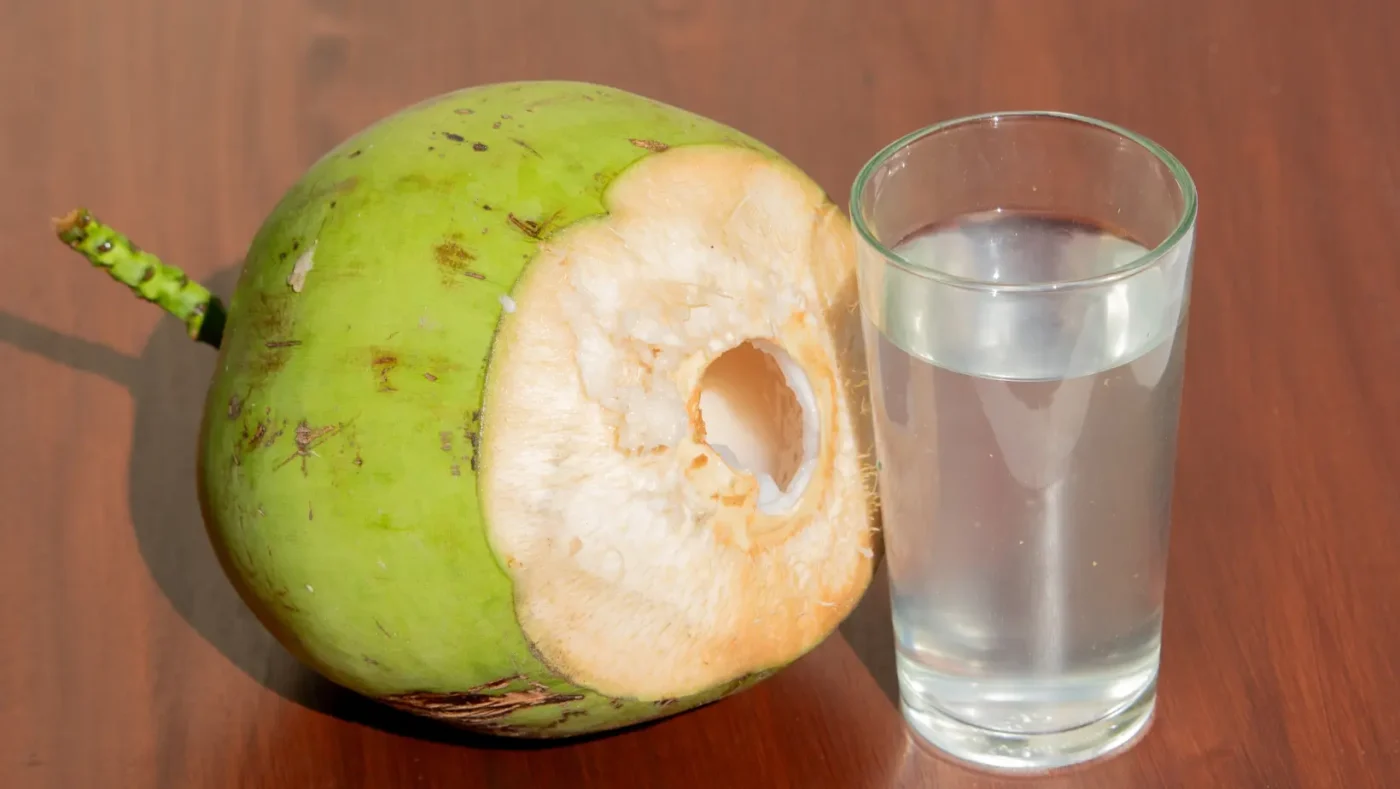
- Coconut water (alkaline pH of 5.5 to 7.8, soothes the stomach lining)
- Chamomile tea (reduces stomach muscle spasms and lowers acid production)
Drinks to avoid:
- Carbonated beverages (carbon dioxide gas increases stomach pressure)
- Alcohol (relaxes the lower esophageal sphincter, which lets acid move up)
- Caffeinated drinks like coffee and black tea (stimulate more acid production)
- Citrus juices like orange and lemon (directly irritate an already-inflamed food pipe)
The best drinks for acidity relief are cold milk and coconut water for immediate relief, and ginger tea or chamomile tea for ongoing management.
Acidity After Overeating Home Remedy
Overeating stretches the stomach. A stretched stomach pushes acid upward through the lower esophageal sphincter. That is why acidity after large meals feels worse than everyday acidity.
The right acidity after overeating a home remedy is pressure reduction.
Relief steps:
- Walk slowly for 10 to 15 minutes after eating. Light movement helps the stomach empty faster.
- Avoid lying down for at least 2 to 3 hours after a large meal. Gravity keeps acid down.
- Loosen tight clothing around the waist. Tight waistbands increase abdominal pressure.
- Sip warm water or ginger tea. Cold water after overeating slows digestion.
What not to do: Do not use baking soda repeatedly after every heavy meal. Regular use causes sodium overload. Do not eat again to “settle” the stomach. It only adds more pressure.
Acidity Due to Spicy Food Remedy
Spicy food contains capsaicin. Capsaicin irritates the gastric lining and slows gastric emptying. Both effects increase acid production and worsen heartburn. The burning sensation from spicy food acidity is often more intense than regular acidity.
Acidity due to spicy food remedy options:
- Cold milk: Casein, the protein in milk, binds to capsaicin and removes it from the stomach lining. This is why milk reduces spicy food burning faster than water.
- Banana: Coats the stomach lining and reduces capsaicin irritation.
- Plain yogurt (if tolerated): The fat and casein in yogurt neutralize capsaicin and provide a short-term protective layer over the stomach lining.
- Avoid more spicy or acidic food for the next 4 to 6 hours.
Long-term, if spicy food triggers acidity every time, limiting the trigger is more reliable than depending on remedies.
Acidity With Bloating Home Treatment
Acidity and bloating together usually signal a combination of excess acid and slow gastric emptying or gas buildup in the intestines. The stomach is not moving food downward fast enough, gas gets trapped, and acid reflux follows.
The most effective acidity and bloating home treatment:
- Fennel seeds: Address both gas and acid at the same time
- Light walking for 15 to 20 minutes: Stimulates gut movement and releases trapped gas
- Smaller meals: A full stomach slows gastric emptying further
- Avoid fatty foods during a flare: Fat stays in the stomach the longest of all food types
If bloating with acidity happens after every meal, regardless of what is eaten, food intolerance (especially lactose or gluten) is worth checking. An elimination diet under a doctor’s guidance can identify the trigger. No home remedies for acidity will fix intolerance-driven symptoms consistently.
Acidity with bloating home treatment works best when portion size and food choices change alongside the remedies.
Lifestyle Changes That Prevent Acidity
Home remedies for acidity treat flare-ups. Lifestyle changes prevent them.
- Eat smaller meals, 4 to 5 smaller meals a day instead of 2 to 3 large ones
- Avoid lying down within 2 hours of eating
- Maintain a healthy body weight (excess abdominal fat pushes up on the stomach)
- Reduce spicy, oily, and processed foods
- Limit coffee to one cup a day
- Quit smoking (nicotine relaxes the lower esophageal sphincter)
- Raise the head of the bed by 6 to 8 inches if night acidity is a problem
People who change these habits reduce acidity frequency significantly within 2 to 4 weeks, without any medication.
When to See a Doctor
Home remedies for acidity are not enough in these situations:
- Acidity or heartburn more than twice a week (this meets the clinical definition of GERD)
- Difficulty swallowing food or liquids
- Persistent vomiting or vomiting blood
- Unexplained weight loss alongside acidity
- Chest pain (always rule out cardiac causes first)
Chronic, untreated GERD can cause Barrett’s esophagus, where the lining of the food pipe changes permanently and raises the risk of esophageal cancer. A gastroenterologist can assess this with an endoscopy. Do not delay if symptoms are frequent and persistent.
How Long Does Acidity Last?
- Mild, occasional acidity: 30 minutes to a few hours with home remedies for acidity
- Acidity from a specific trigger (spicy food, overeating): 2 to 4 hours
- Recurrent daily acidity: This pattern indicates GERD and requires medical evaluation
FAQs
Is milk good for acidity?
Yes, cold milk provides fast relief because it is alkaline, and its casein protein neutralizes stomach acid on contact. But milk also triggers more acid production 30 to 45 minutes later. Use it for immediate relief only, not as a daily acidity fix.
Can drinking water help acidity?
Yes, but only plain water in small sips. Water dilutes stomach acid and helps flush it back down. Drink 100 to 150 ml slowly. Drinking large amounts quickly increases stomach pressure and worsens reflux. Warm water works better than cold water for this purpose.
Is baking soda safe for acidity?
Yes, for occasional use. Half a teaspoon in 200 ml of water neutralizes acid in under 5 minutes. Baking soda contains 630 mg of sodium per half teaspoon. Daily use raises blood pressure and disturbs the body’s pH balance. People with kidney disease or hypertension should avoid it.
Can stress cause acidity?
Yes. Stress activates the vagus nerve, which directly increases stomach acid secretion. It also slows gastric emptying and tightens the gut. Studies show people with high cortisol levels report more frequent acid reflux episodes. Stress management, including sleep and breathing exercises, reduces acidity frequency.
What is the fastest natural remedy for acidity?
Cold milk and baking soda water give the fastest relief, usually within 5 to 15 minutes. Cold milk works through alkaline buffering. Baking soda works through direct acid neutralization. Of the two, baking soda acts faster but cannot be used frequently.
Can Acidity Be Treated at Home?
Yes. Mild and occasional acidity responds well to home remedies for acidity. Cold milk neutralizes acid in minutes. Ginger reduces inflammation in the food pipe. Fennel seeds ease gas and bloating alongside acidity.
The cases that need medical attention are acidity that occurs more than twice a week (this is classified as GERD, gastroesophageal reflux disease), acidity with difficulty swallowing, and acidity that does not improve after 2 weeks of home care.
At that stage, a gastroenterologist may recommend acid-reducing medications like proton pump inhibitors or H2 blockers.