
Superfoods for kidney health include nutrient-rich foods such as berries, apples, cauliflower, cabbage, olive oil, and fish, which can provide antioxidants, fiber, healthy fats, and other beneficial nutrients. However, there is no single “superfood” that can prevent or treat kidney disease, and people with reduced kidney function may need to limit or adjust foods high in potassium, phosphorus, sodium, or protein depending on their condition.
This guide is built for US adults with healthy or unknown kidney function who want prevention-focused nutrition. It covers the best foods for kidney health, the habits that work against them, and exactly where common food advice stops applying once someone has diagnosed kidney disease.
Key Takeaways
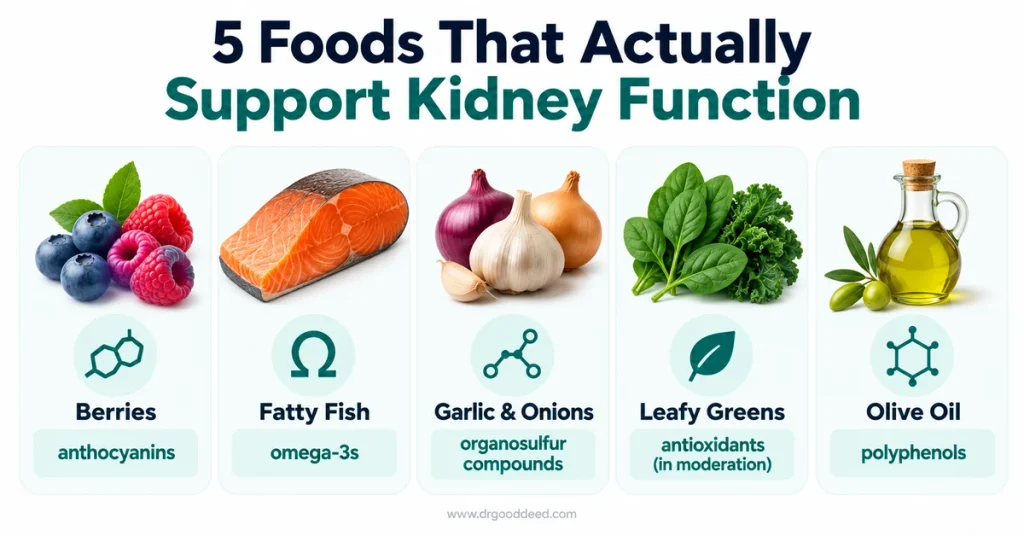
- Berries, fatty fish, garlic, leafy greens, and olive oil are the core foods that support kidney function in a general prevention diet.
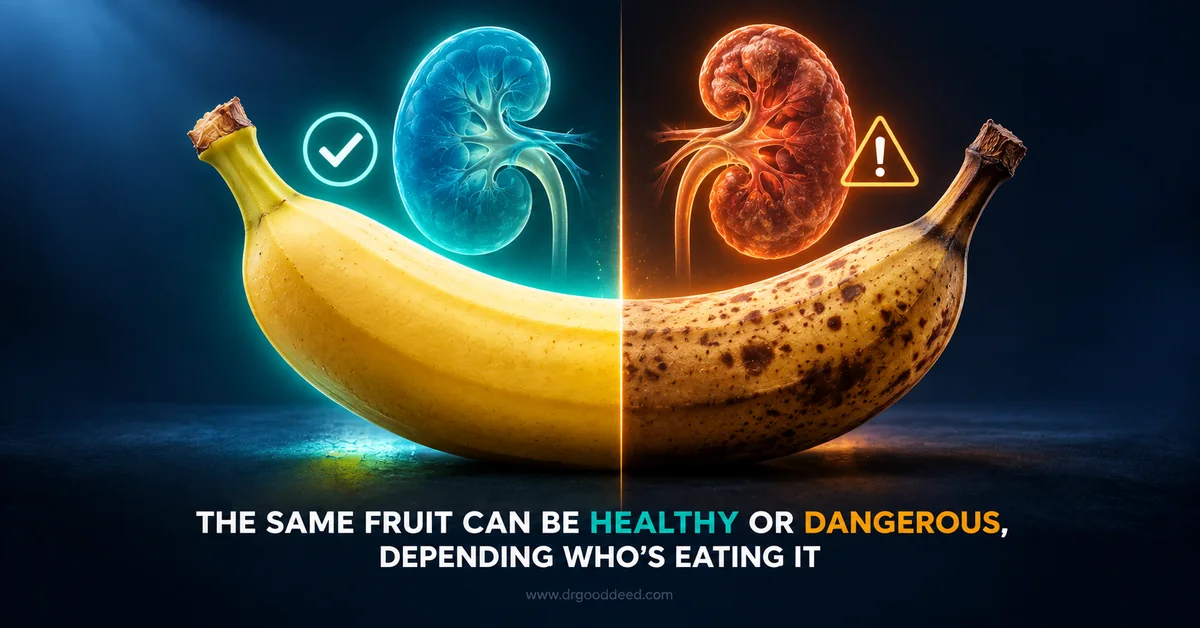
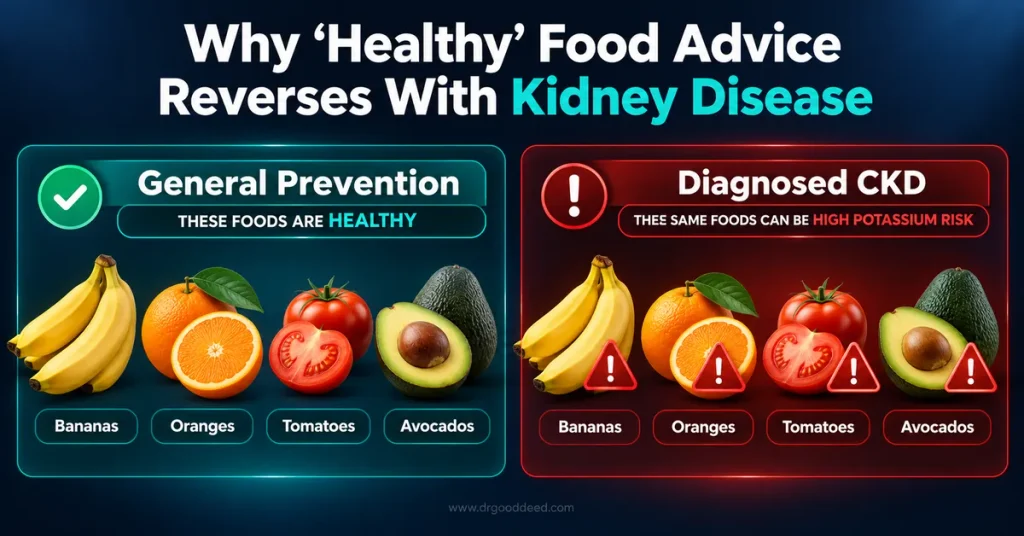
- Some popular superfoods for kidney health, bananas included, are actually restricted on a diagnosed CKD diet because of their potassium content.
- Antioxidant-rich produce and omega-3 fatty fish support kidney function by reducing inflammation and helping regulate blood pressure.
- Water intake affects how concentrated your urine gets, which directly affects kidney stone risk.
- Hydration and kidney health are linked mechanisms, not separate topics, so treat fluid intake as part of your food strategy.
- A CKD renal diet restricts potassium, phosphorus, and sometimes protein, which is the opposite direction of general prevention advice.
- This is prevention content only. Diagnosed CKD requires individualized guidance from a nephrologist or renal dietitian.
Why These Foods Support Kidney Health
Your kidneys filter roughly 150 quarts of blood a day, and that filtration process is sensitive to blood pressure, blood sugar, and circulating inflammatory compounds.
Antioxidant-rich foods reduce oxidative stress on kidney tissue, while foods that lower blood pressure reduce the mechanical strain on the small blood vessels inside each kidney’s filtering units, called nephrons.
- Oxidative stress damages nephron structures over time, and antioxidant compounds like flavonoids and polyphenols help neutralize the free radicals responsible for that damage.
- Elevated blood pressure is a leading driver of kidney decline, so foods with a documented blood-pressure-lowering effect double as foods that support kidney function.
- Chronic low-grade inflammation accelerates vascular changes inside the kidney, and anti-inflammatory foods slow that process rather than reverse existing damage.
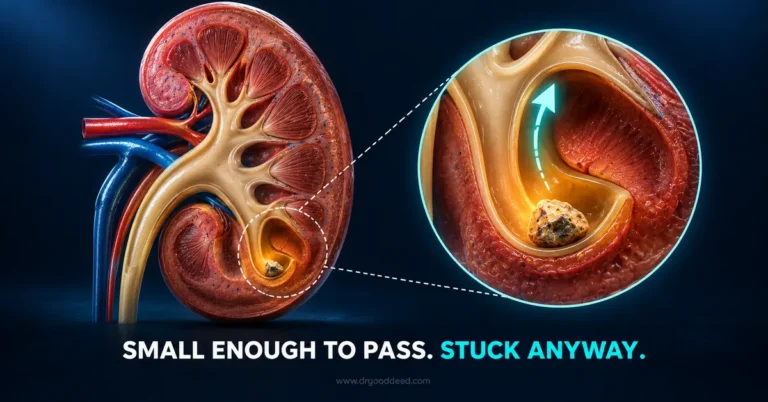
- Adequate hydration keeps waste products diluted in urine, which reduces the concentration of minerals that can otherwise crystallize into kidney stones.
None of these mechanisms cure kidney disease, and none replace medical evaluation. What they do is lower controllable risk factors, sodium load, blood pressure, and oxidative burden, that contribute to kidney strain over decades.
Top Superfoods for Kidney Health
The best foods for kidney health are foods that contain low sodium, meaningful antioxidant content, and a documented effect on blood pressure or inflammation.
Berries
Blueberries, strawberries, and raspberries carry high concentrations of anthocyanins, the pigments responsible for their color and much of their antioxidant activity.
- Berries are naturally low in sodium and moderate in potassium compared to tropical fruits, which makes them a reasonable everyday choice for general kidney health.
- Anthocyanins in blueberries and blackberries have anti-inflammatory properties that may help protect blood vessel walls, including the small vessels inside the kidneys.
- A half-cup serving fits easily into breakfast, snacks, or dessert without adding meaningful sodium or added sugar if eaten fresh or frozen without syrup.
Fatty Fish
Salmon, sardines, and mackerel provide omega-3 fatty acids, specifically EPA and DHA, which have a documented effect on lowering triglycerides and modestly reducing blood pressure in adults with hypertension. Lower blood pressure translates directly into less mechanical stress on kidney blood vessels over time.
- Omega-3 intake from fatty fish is associated with reduced inflammatory markers, which matters because chronic inflammation is a known contributor to kidney function decline.
- Two servings a week is the amount referenced in most cardiovascular nutrition guidance, and the same intake level supports general kidney health through the same blood-pressure pathway.
- Choose fresh, canned in water, or frozen fish over breaded or heavily salted versions to avoid undermining the sodium benefit.
Garlic and Onions
Garlic contains organosulfur compounds, including allicin, that have been studied for a modest blood-pressure-lowering effect comparable in some trials to low-dose antihypertensive medication. Onions contribute quercetin, a flavonoid antioxidant linked to reduced inflammation.
- Garlic activates nitric oxide pathways that relax blood vessels, which is the proposed mechanism behind its blood pressure effect.
- Swapping salt for garlic and onion in cooking cuts sodium intake directly, which is one of the most practical foods that support kidney function strategies available.
- Fresh or powdered garlic works, but garlic salt does not, since it reintroduces the sodium you are trying to avoid.
Leafy Greens (in Moderation)
Kale, arugula, and cabbage provide antioxidants and vitamins with minimal sodium. Spinach and Swiss chard are nutrient-dense too, but they have high oxalate content.
- Spinach alone accounts for a large share of dietary oxalate intake in the US, and a Harvard cohort found regular high-frequency spinach eaters had a meaningfully higher risk of calcium oxalate kidney stones.
- If you have a history of kidney stones, choose lower-oxalate greens like kale, arugula, or cabbage more often than spinach, chard, or beet greens.
- Boiling high-oxalate greens and discarding the water reduces oxalate content substantially compared to eating them raw or steamed.
Olive Oil
Extra virgin olive oil provides monounsaturated fats and polyphenol antioxidants without the sodium or saturated fat found in butter or many processed cooking oils.
- Polyphenols in olive oil have anti-inflammatory activity that supports vascular health broadly, including the small vessels in the kidneys.
- Replacing butter or processed vegetable oils with olive oil is a simple swap that lowers saturated fat intake without any active effort to restrict a food group.
- Extra virgin varieties retain more polyphenol content than refined olive oil, so check the label if antioxidant content is your priority.
Important: Not All Kidney Superfoods Are Safe for CKD
General superfoods for kidney health and a diagnosed renal diet vs healthy kidney diet are not the same thing, and several popular food lists blur this line in ways that could genuinely harm someone with CKD.
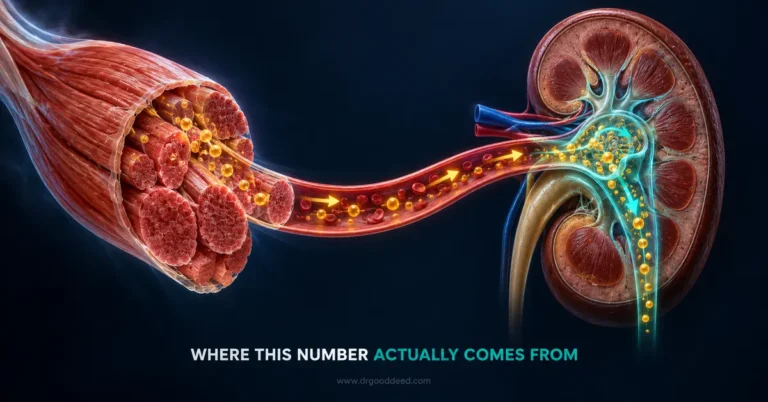
- Bananas are frequently recommended as a healthy fruit, but a medium banana contains around 422 mg of potassium, and CKD often impairs the kidneys’ ability to clear potassium from the blood.
- Oranges, orange juice, kiwis, cantaloupe, and dried fruit share the same problem: high potassium and kidney disease risk because impaired kidneys cannot excrete excess potassium efficiently, which can lead to dangerous heart rhythm changes.
- Tomatoes, potatoes, and avocados are nutrient-dense in a general diet but are commonly restricted or portion-limited on a renal diet for the same potassium-related reason.
- Someone managing CKD through dialysis, including patients researching what is home hemodialysis, needs a dietitian-designed plan that accounts for treatment frequency, since dialysis itself affects how much potassium and fluid the body can tolerate between sessions.
If you have diagnosed kidney disease, do not use this article as a substitute for a renal dietitian’s guidance. Potassium tolerance depends on your specific CKD stage, lab values, and whether you are on dialysis.
Foods and Habits to Limit for Kidney Health
Reducing a few specific inputs matters more than adding any single superfood, since sodium and highly processed foods directly increase the blood pressure and fluid retention that strain kidney function over time.
- Excess sodium raises blood pressure and increases fluid retention, both of which increase the workload on kidney filtration over years of exposure.
- Processed and packaged foods, including deli meats, canned soups, and fast food, are the largest source of dietary sodium in the US, often exceeding the recommended daily sodium intake in a single meal.
- Regular heavy alcohol use raises blood pressure and can contribute to dehydration, which concentrates urine and increases kidney stone risk.
- Excess added sugar contributes to insulin resistance and weight gain, both of which are established risk factors for the high blood pressure and diabetes that account for most new CKD diagnoses in the US.
- Chronic NSAID overuse, meaning frequent use of over-the-counter pain relievers like ibuprofen, can reduce blood flow to the kidneys when used at high doses over extended periods.
How Much Water Actually Helps
Hydration and kidney health: Adequate fluid intake dilutes urine, and dilute urine holds fewer dissolved minerals available to crystallize into stones.
- Current urology guidelines from the American Urological Association recommend enough fluid intake to produce a urine volume of at least 2.0 to 2.5 liters per day for people at risk of kidney stones, which for most adults translates to roughly 8 to 10 cups of fluid daily.
- Individual needs vary with body size, climate, physical activity, and other health conditions, so these figures are a starting reference rather than a fixed prescription.
- Plain water is the best default choice since it adds no sodium, sugar, or potassium load, unlike many flavored beverages marketed for hydration.
- A simple practical marker: pale yellow urine generally indicates adequate hydration, while dark yellow urine suggests you need more fluid.
Pro Tip: Urine color is a more useful daily hydration check than counting exact ounces, since fluid needs shift with heat, exercise, and sodium intake. Aim for pale yellow rather than a fixed cup count, and increase intake on hot days or after intense exercise without waiting for thirst to signal it first.
When to See a Doctor About Kidney Health
Kidney disease often produces no symptoms until function has already declined significantly.
- Persistent swelling in the legs, ankles, or around the eyes can indicate fluid retention linked to reduced kidney function.
- Changes in urination, including foamy urine, blood in urine, or a significant change in frequency, warrant a conversation with your doctor rather than a wait-and-see approach.
- Persistent fatigue, poor appetite, or unexplained nausea can reflect waste buildup in the blood when kidney filtration is impaired.
- Anyone with diabetes, high blood pressure, or a family history of kidney disease should ask their doctor about a simple blood and urine screening, since these are the leading risk factors for CKD in the US.
- If CKD does progress to kidney failure, treatment options include dialysis or transplant, and understanding how long can you live on dialysis is a common follow-up question once that stage is reached.
A yearly checkup that includes basic kidney markers costs far less than managing advanced CKD.
FAQs
Are bananas good for kidney health?
Yes, for people without diagnosed kidney disease. Bananas provide potassium and fiber that support normal kidney function. For diagnosed CKD, bananas are typically limited due to potassium and kidney disease risk, since impaired kidneys cannot clear excess potassium.
Can superfoods reverse kidney damage?
No. Superfoods support kidney function and slow risk factor progression, but they cannot reverse existing nephron damage. Once kidney tissue is scarred, diet manages remaining function rather than restoring lost filtration capacity.
Is cranberry juice actually good for kidney health?
Cranberry juice helps prevent urinary tract infections, not general kidney function decline. Choose unsweetened varieties, since added sugar in many commercial cranberry juices offsets the benefit for blood pressure and metabolic health.
How much water should I drink for kidney health?
Roughly 8 to 10 cups daily supports adequate urine dilution for most healthy adults, based on urology guidelines targeting 2 to 2.5 liters of urine output. Needs rise with heat, exercise, or a history of kidney stones.
Can diet alone prevent kidney disease?
No. Diet lowers modifiable risk factors like blood pressure and inflammation, but genetics, diabetes, and other medical conditions also drive kidney disease risk. A renal diet vs healthy kidney diet approach depends on whether disease is already present.
Sources
- NIDDK: Healthy Eating for Adults with Chronic Kidney Disease link
- NIDDK: Prevention of Urinary Stones with Hydration (PUSH) Study link
- American Urological Association guideline reference, cited in: Treatment Effect, Adherence, and Safety of High Fluid Intake for the Prevention of Kidney Stones, PMC link
- Hydration for Adult Patients with Nephrolithiasis: Specificities and Current Recommendations, PMC link
- Re-Thinking Hyperkalaemia Management in Chronic Kidney Disease, PMC link
- National Kidney Foundation: Superfoods link
- National Kidney Foundation: Spice Up Your Diet with Kidney-Friendly Seasonings link
- Protect the Kidneys and Save the Heart Using Food as Medicine, Journal of Renal Nutrition link
- UF Health: Diet for Chronic Kidney Disease link
- High Oxalate Greens and Kidney Stones, oxalate intake data referencing Taylor EN, Curhan GC, J Am Soc Nephrol 2007 link
Medical Disclaimer: This article covers general prevention for adults without diagnosed kidney disease. It is not medical advice and does not replace guidance from your doctor or a renal dietitian. If you have chronic kidney disease (CKD), your nutrition needs are different from what is described here.