
Foamy urine that appears now and then is usually harmless and often comes from a fast stream hitting the toilet water, dehydration, or cleaning product residue in the bowl. But foamy urine that keeps coming back, with thick foam, swelling, fatigue or changes in urination, could mean proteinuria, which is excess protein in the urine. In some cases, proteinuria can point to kidney damage from diabetes, high blood pressure or other diseases. Knowing the possible causes and symptoms can help you spot a problem early, because urine and blood tests can find it.
Key Takeaways
- Occasional foamy urine is usually harmless, from a fast stream or dehydration; foam that keeps coming back needs a urine test for protein.
- Persistent foam could be proteinuria and needs medical evaluation.
- Diabetes and high blood pressure can damage the kidney filters over time, letting protein leak into urine.
- Urine albumin testing and blood tests (eGFR) help determine kidney health.
- If foam persists or occurs with swelling, blood in the urine or other concerning symptoms, see a doctor.
| Feature | Foamy Urine | Normal Urine |
| Appearance | May have multiple small bubbles or a thick, frothy layer | Usually clear or pale yellow without persistent foam |
| Bubbles | May form frequently and take longer to disappear | Occasional bubbles may appear and disappear quickly |
| Possible causes | Fast urine stream, dehydration or proteinuria | Normal urination, hydration and urine flow |
| Persistence | Frequent foam may need medical evaluation | Usually no persistent foam |
| Kidney health | May sometimes indicate excess protein in the urine | Appearance alone cannot confirm healthy kidney function |
| Recommended action | Consult a doctor if foam persists or occurs with other symptoms | No action is usually needed unless other symptoms occur |
Note: Foamy urine does not automatically indicate kidney disease. Urine tests can help determine whether proteinuria is present.
What Does Foamy Urine Look Like?
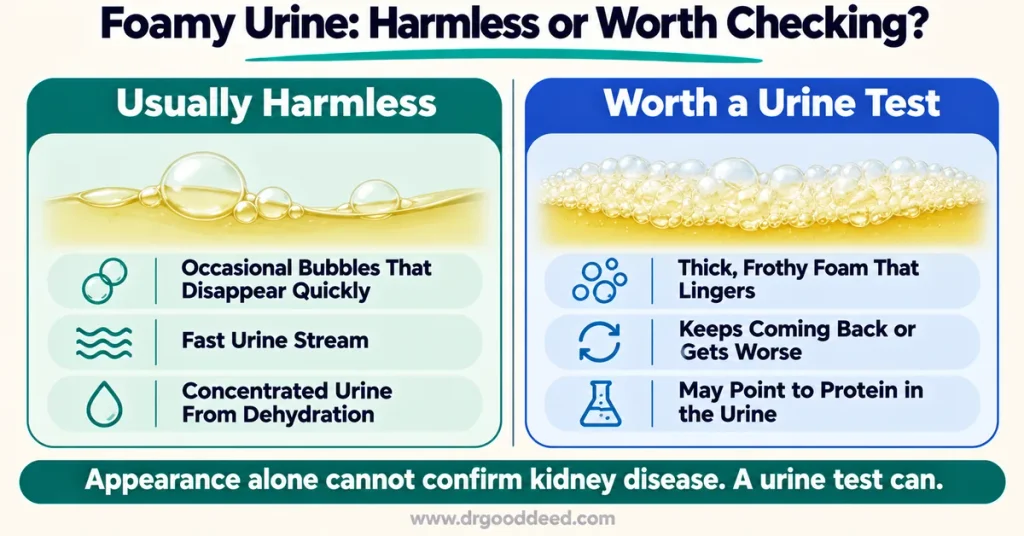
- Occasional bubbles: a few large bubbles may appear after urination and then disappear quickly.
- Persistent foam: multiple small bubbles may form a thick, frothy layer that takes longer to disappear.
- Fast urine stream: a strong stream hitting the toilet water can cause temporary bubbles.
- Concentrated urine: dehydration may make urine more concentrated, and so more foamy or bubbly.
- Possible proteinuria: frequent, persistent foam may be a sign of excess protein in the urine.
Appearance is not enough. Foamy urine does not prove kidney disease, and urine tests can help identify the cause.
Who Is at Risk for Foamy Urine?
- People with diabetes: high blood sugar can damage the kidney’s filtering units, which can let protein leak into urine.
- People with high blood pressure: untreated hypertension can injure the blood vessels and filters of the kidneys.
- People with kidney disease: kidneys that are not working well may let protein escape into the urine.
- People with lupus: lupus can affect the kidneys and cause protein to leak into the urine (Cleveland Clinic).
- People who are dehydrated: concentrated urine may look foamy for a short time.
- People with urinary tract infections: infections can temporarily change the urine and may cause foam or protein in it.
- People who are pregnant: foamy urine with high blood pressure, sudden swelling, severe headache or vision changes can be a sign of preeclampsia and needs urgent care.
- People with retrograde ejaculation: semen flowing back into the bladder may change how urine looks, including making it foamy.
Common Foamy Urine Causes
The possible causes of foamy urine range from temporary changes to medical conditions that affect kidney function.
Dehydration and a Fast Urine Stream
Concentrated urine can foam more easily. A strong urine stream also causes temporary foam when it hits the toilet water. Intense exercise, fever and urinary tract infections can also cause temporary changes in urine.
Drink fluids as needed, unless your clinician has told you otherwise. If the foam persists even with normal hydration, do not assume dehydration is the only cause, because water does not stop protein leakage (Cleveland Clinic).
Foamy urine is different from cloudy urine. Read more about cloudy urine.
Kidney Disease and Proteinuria
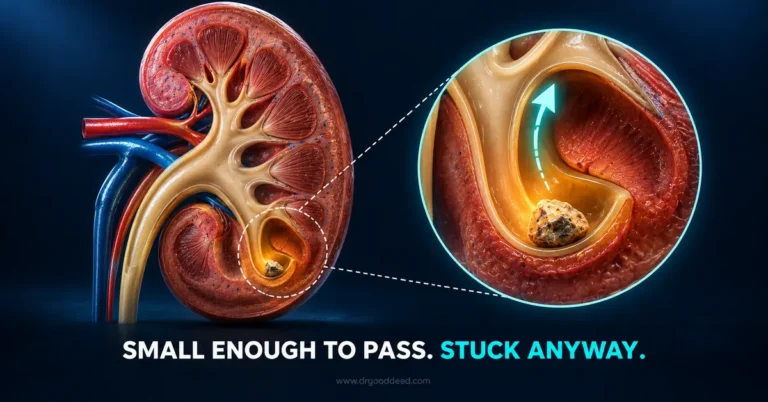
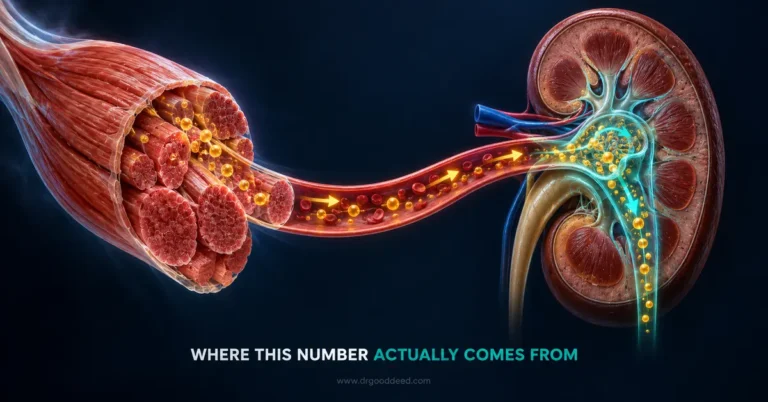
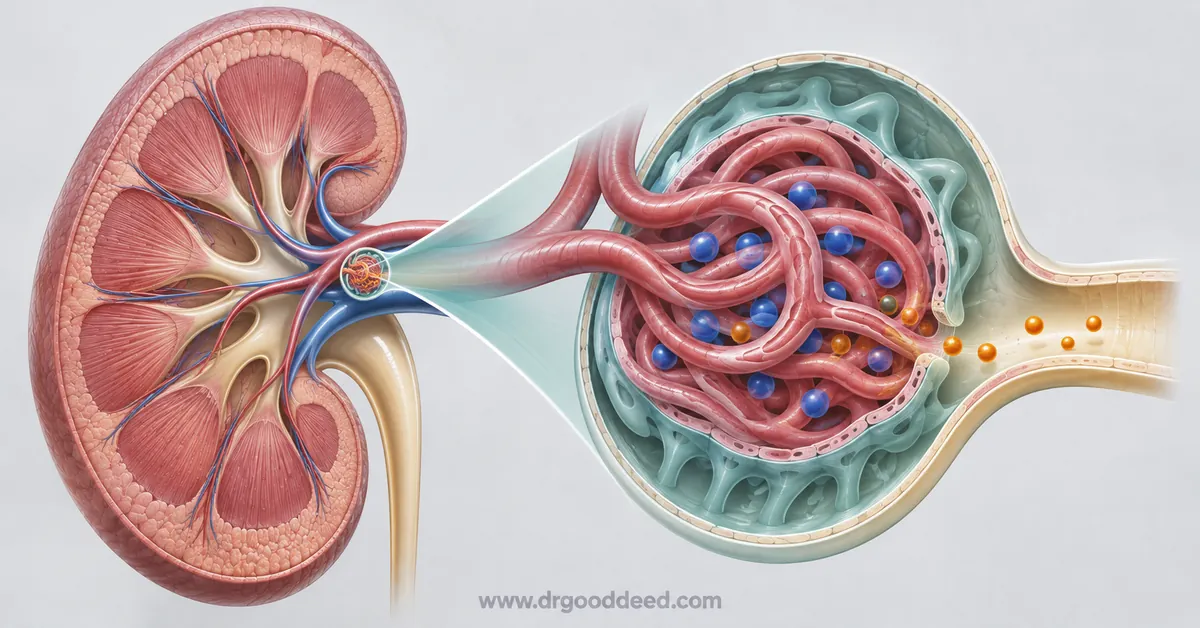
Your kidneys have tiny filtering units called glomeruli. They normally keep most blood proteins, including albumin, out of the urine. If the filters become damaged, protein leaks into the urine and foam may last longer.
Proteinuria means an abnormal amount of protein in the urine. Cleveland Clinic says that protein excretion under 150 mg per day is normal in adults, and anything above that may be proteinuria. Lab reference ranges and clinical interpretation can differ.
Foamy urine in kidney disease may persist, but foam alone cannot diagnose it. Some people with proteinuria have no other symptoms at all.
Foamy Urine and Diabetes
Foamy urine and diabetes may be related through diabetic kidney disease. If glucose levels stay too high in the blood, the filters in the kidneys can become damaged, and albumin (a protein found in the blood) passes into the urine.
People with diabetes or high blood pressure need to follow their kidney-screening schedule even if their urine looks normal. Your doctor may order blood glucose monitoring, urine albumin testing and kidney function tests.
Feeling thirsty all the time can go with high blood sugar or dehydration. Learn why you may always feel thirsty, or read more about the difference between type 1 and type 2 diabetes.
Other Medical Causes
Other possibilities are urinary tract infections, temporary protein leakage after strenuous exercise, certain medicines, and less common kidney or systemic conditions. Cleveland Clinic lists daily aspirin or NSAIDs among the temporary causes of protein in urine.
Foamy urine in men may sometimes be due to retrograde ejaculation, when semen flows backward into the bladder. Recurrent foam should still be evaluated rather than assumed to have this cause.
Foamy urine in pregnancy needs special attention if it occurs with high blood pressure, sudden swelling, a severe headache or vision changes. These can be signs of preeclampsia and need urgent care: call 911 or 999.
Foamy urine in children is often temporary too, but if it keeps happening, see a doctor.
How Can You Tell If Foamy Urine Is a Sign of Proteinuria?
| Sign or Feature | What It May Indicate |
| Persistent foamy urine | May indicate excess protein in the urine. |
| Thick foam with small bubbles | Can occur with proteinuria, but is not enough to confirm it. |
| Swelling in the feet, ankles or face | May indicate protein loss or a kidney-related problem. |
| Foamy urine without other symptoms | Proteinuria can occur without noticeable symptoms. |
| Urine protein test | Helps detect excess protein in the urine. |
| Urine albumin-to-creatinine ratio (uACR) | Measures urine albumin and helps assess kidney health. |
Note: Foamy urine may be caused by dehydration or excess protein in the urine. A urine protein test can check for protein leakage, while a blood creatinine test helps assess how well your kidneys are working.
Persistent foam can raise suspicion of proteinuria, but no home visual test confirms protein leakage. Harmless foam usually clears after one flush, while concerning foam is regular, gets worse, or takes more than one flush to clear.
You can check whether the bubbles go away quickly or linger after flushing. If toilet cleaning residue might be involved, urinate into a clean container instead (if safe and hygienic).
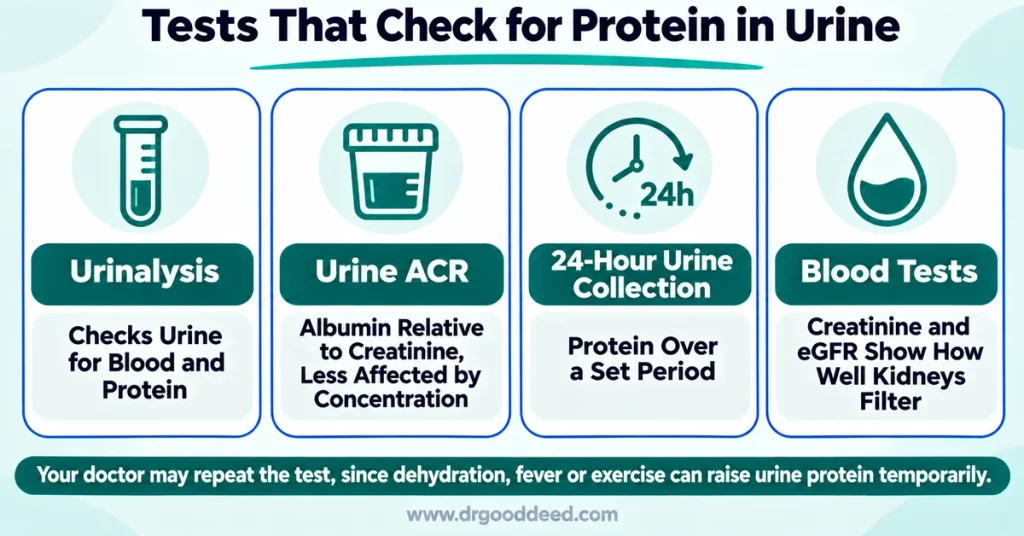
A urine test is needed to see whether protein is present. Your doctor may repeat it, because dehydration, fever or exercise can cause temporary rises in urine protein.
Which Tests Check for Protein in Urine?
Several tests can check for protein in the urine and show how well the kidneys are working.
- Urinalysis: checks urine samples for blood and protein.
- Urine ACR: measures the amount of albumin in urine relative to creatinine. It helps find kidney problems, and comparing the two makes the result less affected by how concentrated the urine is.
- 24-hour urine collection: measures protein in urine collected over a set period.
- Blood tests: a creatinine blood test lets doctors estimate the eGFR (estimated glomerular filtration rate), which shows how well the kidneys filter blood. Doctors may also order other tests, such as a blood glucose test.
Your doctor may also check creatinine and eGFR.
What Should You Do If Your Urine Is Foamy All the Time?
If foam keeps coming back, do not rely on home remedies. Make an appointment with a doctor.
- Drink fluids as needed, unless your doctor has told you to limit them.
- Seek medical advice if foam keeps coming back or gets worse.
- Ask your doctor about a urine albumin test.
- If your doctor has set a blood pressure target for you, follow it.
- If you take pain relievers such as NSAIDs regularly, ask your doctor whether they are right for your kidneys.
- Ask your doctor before starting protein powders or creatine supplements, especially if you have kidney problems.
- Do not hold your urine for longer than you need to.
- Talk to your doctor before using herbs sold as kidney cleansers.
- To cut down on salt, limit processed foods such as chips and instant noodles.
For related information, see what different urine colors can mean.
Foamy Urine: When to Worry
See a doctor if foamy urine persists or gets worse, or if it comes with:
- Swelling of the face, hands, feet or ankles
- Unusual or extreme fatigue
- Blood in the urine, or dark or cloudy urine
- Changes in urination
- Nausea, vomiting or loss of appetite
US: see your primary care provider. UK: see your GP, or call NHS 111 if you are unsure.
When Is Foamy Urine an Emergency?
Get emergency care for:
- Severe shortness of breath
- A sharp drop in urine output
- Confusion with fever and flank pain
- A severe headache, vision changes or sudden swelling during pregnancy
US: call 911 or go to the emergency department. UK: call 999 or go to A&E.
How Is Foamy Urine Treated?
- Treatment depends on the cause, not on the appearance of urine alone.
- Dehydration may improve with fluid replacement.
- Diabetes and high blood pressure need medical management by your doctor.
- If proteinuria is confirmed, it needs further investigation and treatment to protect kidney function.
Read more about whether dehydration can cause high blood pressure.
FAQs
Is Foamy Urine a Sign of Kidney Disease?
It can be, especially when foam persists and urine tests show excess protein. Occasional foam is common and does not mean kidney disease.
Can Dehydration Cause Foamy Urine?
Yes. Concentrated urine can cause temporary foam. If foam persists after adequate hydration, seek medical advice.
Does Foamy Urine Mean Diabetes?
Not directly. Diabetes can damage the kidney filters and cause protein leakage, but urine appearance cannot diagnose diabetes. Blood glucose and urine tests find the cause.
How Do I Know if Foam Is Caused by Protein?
You cannot tell if protein is leaking by appearance alone. A urinalysis and, if needed, an albumin-to-creatinine ratio can identify protein in urine.
When Should I Worry About Foamy Urine?
Call your doctor if foam returns or gets worse, or if it occurs with swelling, blood in the urine or changes in urination. Serious symptoms, such as severe breathlessness, need emergency care.
Sources
Cleveland Clinic, Protein in Urine (Proteinuria). link
National Kidney Foundation, What Your Urine Color Means. link
NIDDK, Albuminuria: Albumin in the Urine. link
NIDDK, Chronic Kidney Disease Tests and Diagnosis. link
MedlinePlus, Protein in Urine Test. link
Medical Disclaimer: This article is for general information only and is not medical advice. It does not replace a diagnosis, treatment plan, or guidance from a qualified healthcare professional. Always talk to your doctor about your own symptoms and before starting, stopping, or changing any treatment. If you think you may be having a medical emergency, call 911 or go to your nearest emergency room.