
Kidney dialysis is needed when the kidneys can no longer adequately remove waste, excess fluid, and electrolytes from the blood, most often in advanced kidney failure. The decision is based on overall health, symptoms, laboratory results, fluid balance, and kidney function, not a single eGFR or creatinine value.
Dialysis may be considered when complications such as severe fluid overload, persistent high potassium, or symptoms of uremia cannot be controlled with other treatments.
Key Takeaways
- When kidney dialysis is needed, it is generally once estimated GFR falls below 15 mL/min, roughly 10 to 15 percent of normal kidney function remaining, according to the National Kidney Foundation.
- The actual decision to start almost always rests on symptoms of uremia and fluid overload, not the GFR number alone.
- The landmark IDEAL trial found no survival benefit from starting dialysis early, and some data linked early starts to added treatment costs without added benefit.
- Acute kidney injury may need only short-term dialysis until the kidneys recover, while chronic kidney failure usually means lifelong treatment or a transplant.
- This decision is individualized. A nephrologist weighs labs, symptoms, comorbidities, and patient goals together before recommending a start date.
The General Threshold: GFR and Kidney Function Loss
The glomerular filtration rate, or GFR, is a blood test estimate of how well the kidneys filter waste.
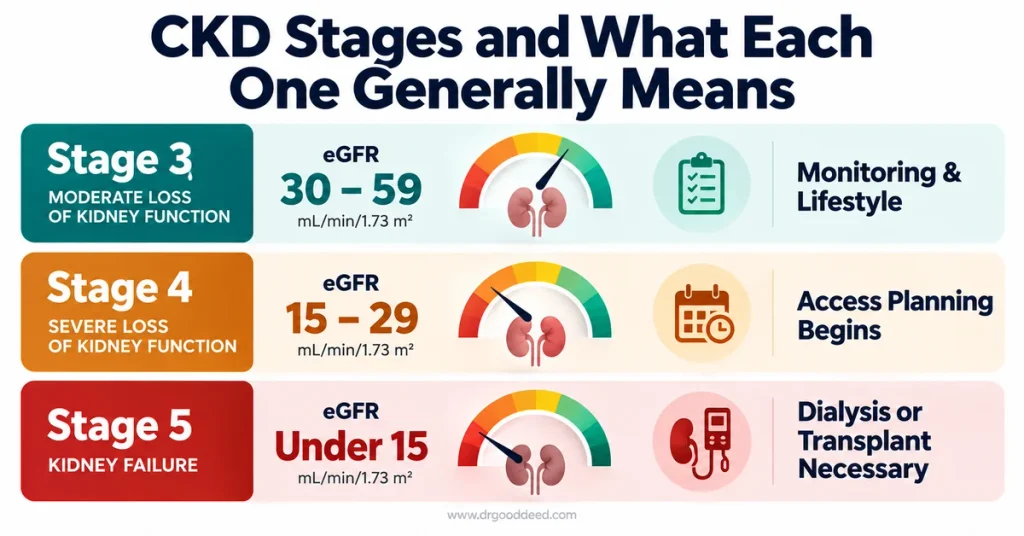
The National Kidney Foundation defines kidney failure as roughly 10 to 15 percent of kidney function remaining, with an eGFR under 15 mL/min. That number marks stage 5 chronic kidney disease, but reaching it does not automatically mean dialysis starts that same day.
| CKD Stage | eGFR (mL/min/1.73m²) | What It Generally Means |
| Stage 3 | 30 to 59 | Moderate kidney function loss, monitoring and lifestyle changes |
| Stage 4 | 15 to 29 | Severe loss, dialysis access planning and nephrologist care usually begin |
| Stage 5 | Below 15 | Kidney failure, dialysis or transplant becomes medically necessary for survival |
- GFR level for dialysis guidance from the National Kidney Foundation sets stage 5 at under 15 mL/min, but this is a planning marker.
- Many patients with an eGFR of 10 to 15 feel stable enough to delay dialysis for months under close nephrology monitoring.
- Diet strategies, including superfoods for kidney health, can support residual kidney function during this pre-dialysis window, though they cannot replace dialysis once failure sets in.
Why the Trigger Is More About Symptoms Than a Single Number
A 2022 systematic review published in PLOS ONE examined 12 high-quality clinical practice guidelines and found that all six guidelines addressing dialysis timing agreed on one point: dialysis should start when uremic symptoms or signs appear. This shift followed the 2012 KDIGO guideline update, which moved away from asymptomatic GFR cutoffs toward a symptom-driven model.
- Signs you need dialysis typically include nausea, vomiting, poor appetite, fatigue that limits daily function, confusion, and swelling from fluid the kidneys can no longer clear.
- Uremic symptoms result from waste products, particularly urea and other nitrogenous compounds, building up in the blood faster than damaged kidneys can remove them.
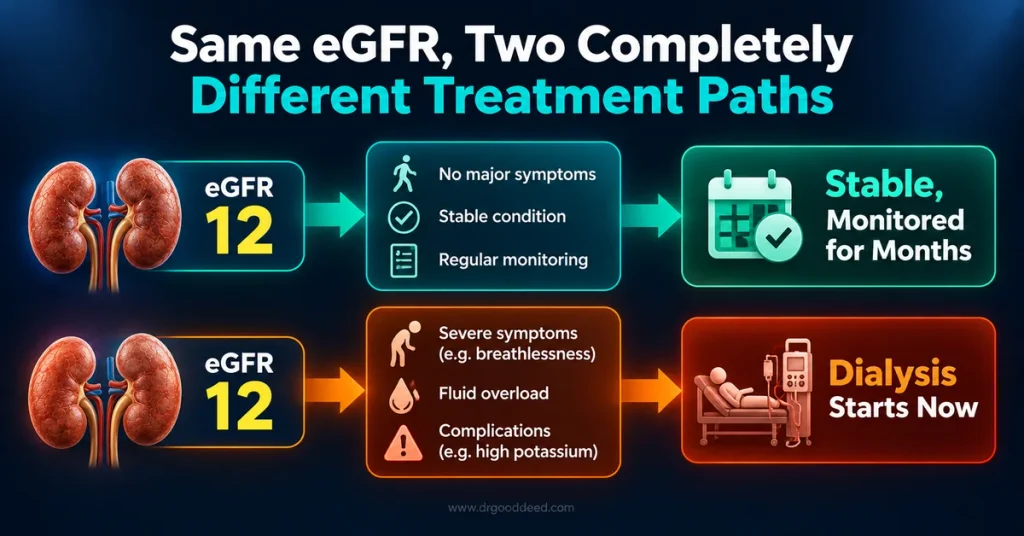
- Two patients with the same eGFR can have very different symptom burdens, which is why guidelines favor clinical judgment over a single lab threshold.
- Nephrologists also track weight gain from fluid retention, blood pressure control, and potassium levels, since dangerous potassium spikes can force an earlier start regardless of GFR.
Expert Insight: Two patients can share an identical eGFR of 12 and land in completely different treatment paths, because uremic symptom burden, not the lab number, is what nephrologists weigh most heavily under current guideline consensus. A stable, asymptomatic patient at this GFR is often safely monitored for months before dialysis begins.
Does Starting Dialysis Earlier Lead to Better Outcomes?
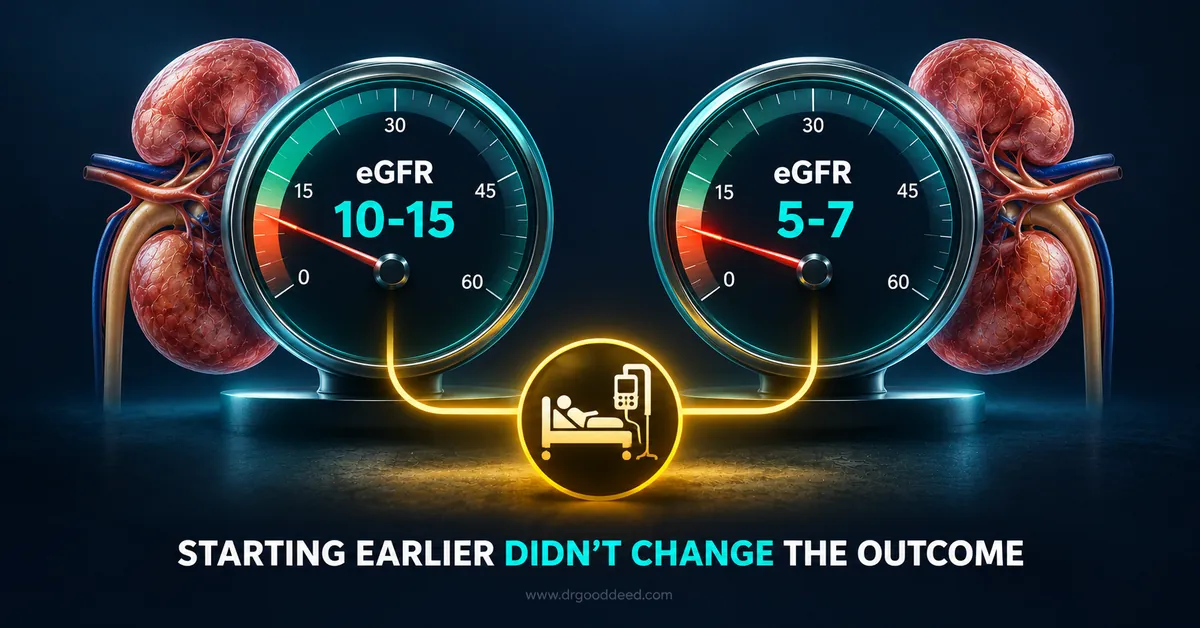
The Initiating Dialysis Early and Late, or IDEAL, trial randomized 828 adults with advanced chronic kidney disease to start dialysis at an eGFR of 10 to 15 mL/min or wait until 5 to 7 mL/min.
Published in the New England Journal of Medicine, the trial found no significant survival difference between the two groups over a median follow-up of 3.6 years.
- The early-start group in a hemodialysis subanalysis of IDEAL had a 29.2 percent mortality rate versus 30.1 percent in the late-start group, a difference researchers called statistically insignificant.
- Several earlier observational studies had actually linked early dialysis initiation to worse survival, though those studies carried confounding risks that a randomized trial like IDEAL avoids.
- Delayed starters in IDEAL experienced more fluid and electrolyte complications while waiting, showing that delay is not automatically risk-free either.
- The trial’s authors noted early initiation was associated with higher treatment costs without a matching gain in clinical outcomes.
Common Signs Doctors Look For Before Starting Dialysis
Beyond lab trends, nephrologists watch for a specific cluster of physical signs that indicate the kidneys can no longer manage the body’s fluid and waste load safely.
- Volume overload: swelling in the legs, ankles, or around the eyes, shortness of breath from fluid in the lungs, and blood pressure that resists standard medication adjustments.
- Uremic symptoms: persistent nausea, vomiting, metallic taste, poor appetite, unexplained weight loss, itching, and in advanced cases confusion or difficulty concentrating.
- Uremic pericarditis or encephalopathy: inflammation around the heart or brain function changes from toxin buildup, both considered urgent indications to start dialysis regardless of GFR.
- Dangerous electrolyte shifts: high potassium or severe metabolic acidosis that does not respond to dietary changes or medication.
- Malnutrition or muscle wasting: a sign that the body’s overall condition is declining faster than expected for the current kidney function level.
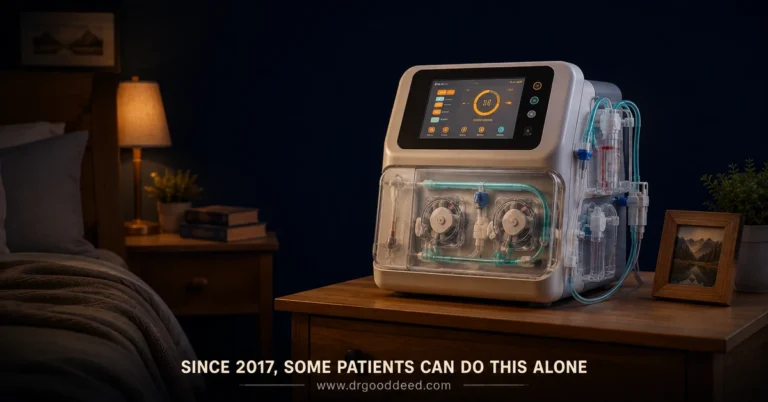
Patients approaching this stage often start planning dialysis access and researching options like home hemodialysis well before symptoms force an urgent decision.
Acute vs Chronic Kidney Failure: Does Dialysis Timing Differ?
Timing logic changes significantly depending on whether kidney failure is sudden or long-term.
- Acute kidney injury (AKI) develops within hours or days, often from severe infection, major surgery, or a medication reaction, and may require only short-term dialysis until the kidneys recover.
- Research on AKI dialysis timing, including a large meta-analysis of randomized trials, found no significant mortality difference between early and delayed dialysis strategies in critically ill patients.
- Chronic kidney disease progressing to stage 5 develops over months to years and typically means dialysis becomes a long-term or lifelong commitment unless a transplant becomes available.
- AKI patients sometimes regain enough kidney function to stop dialysis entirely, something that essentially never happens once chronic stage 5 kidney failure has set in.
Acute cases center on supporting the kidneys through a temporary crisis, while chronic cases center on planning for sustained, long-term renal replacement therapy.
What Happens If Dialysis Is Delayed Too Long
The IDEAL trial evidence does not mean delay carries zero risk. Waiting past genuine clinical need creates real dangers that patients should understand clearly.
- Severe hyperkalemia, or dangerously high blood potassium, can trigger life-threatening heart rhythm problems within hours if left untreated.
- Fluid overload that goes unmanaged can lead to pulmonary edema, a buildup of fluid in the lungs that causes severe shortness of breath and requires emergency care.
- Uremic encephalopathy, a decline in brain function from toxin buildup, can progress to seizures or coma if dialysis is delayed after symptoms appear.
- Uremic pericarditis, inflammation around the heart sac, can lead to dangerous fluid accumulation around the heart if untreated.
- Malnutrition and muscle loss accelerate the longer significant uremic symptoms go unaddressed, weakening a patient’s overall resilience going into dialysis.
The safe strategy is waiting under active nephrology supervision, so the transition happens the moment symptoms or lab values genuinely demand it.
Questions to Ask Your Nephrologist About Starting Dialysis
Patients and family members facing this decision benefit from asking specific, direct questions.
- “What are my current eGFR and symptom trends, and what specific signs would trigger starting dialysis for me personally?”
- “Am I a candidate for early access planning, such as a fistula placement, even if we are not starting dialysis yet?”
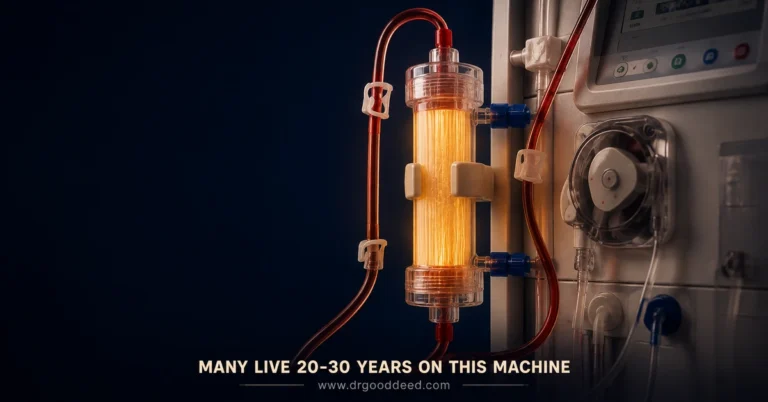
- “Given my kidney function and symptoms, how long can you live on dialysis once we start, and does starting later change that outlook?”
- “What dialysis modality fits my lifestyle best, and are there home-based options worth exploring in advance?”
- “What symptoms should prompt me to call your office immediately rather than waiting for my next scheduled visit?”
Bringing a written symptom log to appointments, including appetite, energy levels, and swelling, gives the nephrologist concrete data to weigh alongside lab results.
FAQs
Can dialysis be avoided once kidney function is very low?
No. Once eGFR falls below 10 and uremic symptoms appear, dialysis or a kidney transplant becomes necessary for survival. Diet and medication can slow decline earlier, but they cannot substitute for renal replacement therapy at true kidney failure.
Is dialysis always permanent once started?
No. Dialysis for acute kidney injury is often temporary, ending once kidneys recover, sometimes within weeks. Dialysis for chronic stage 5 kidney disease is typically lifelong unless the patient receives a kidney transplant.
Can early dialysis be reversed if kidney function improves?
Yes, in acute kidney injury cases. If recovering kidney function restores adequate filtration and clears uremic symptoms, nephrologists can stop dialysis. In chronic, irreversible kidney failure, stopping is not medically realistic once truly needed.
How is the decision to start dialysis actually made?
Nephrologists combine eGFR trends, uremic symptoms, fluid status, potassium levels, and patient goals into one individualized decision. No single lab value triggers it automatically, per the 2022 PLOS ONE guideline review of dialysis initiation criteria.
Does age affect when dialysis should start?
Yes, indirectly. Older patients with significant comorbidities sometimes have symptoms appear at higher GFR levels, and some choose conservative kidney management over dialysis entirely after discussing realistic outcomes with their nephrologist.
Sources
- National Kidney Foundation, Dialysis: Types, Effectiveness, Side Effects link
- New England Journal of Medicine, A Randomized, Controlled Trial of Early versus Late Initiation of Dialysis (IDEAL trial) link
- PubMed, Outcomes of Patients With Planned Initiation of Hemodialysis in the IDEAL Trial link
- PLOS ONE, Recommendations of High-Quality Clinical Practice Guidelines Related to the Process of Starting Dialysis: A Systematic Review link
- PMC, Predialysis Predictors for Identifying Patients Requiring Dialysis at a Higher Glomerular Filtration Rate link
- PMC, Effects of Early Dialysis on the Outcomes of Critically Ill Patients With Acute Kidney Injury: A Systematic Review and Meta-Analysis link
- BMC Nephrology, Update of Dialysis Initiation Timing in End Stage Kidney Disease Patients link
- Baylor Medicine, End Stage Kidney Disease Requiring Dialysis link
- Home Dialysis Central, When to Start Dialysis link
- Cleveland Clinic, Estimated Glomerular Filtration Rate (eGFR): Test and Levels link
Medical Disclaimer: This article is for general information only and is not medical advice. It does not replace a diagnosis, treatment plan, or guidance from a qualified healthcare professional. Always talk to your doctor about your own symptoms and before starting, stopping, or changing any treatment. If you think you may be having a medical emergency, call 911 or go to your nearest emergency room.