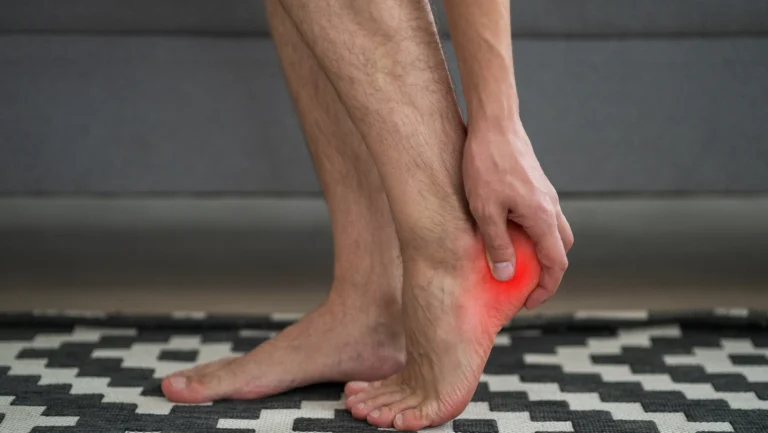

A gout flare on allopurinol is common in the first few months of treatment and does not mean the medicine has failed. Keep taking it as prescribed and call your prescriber.
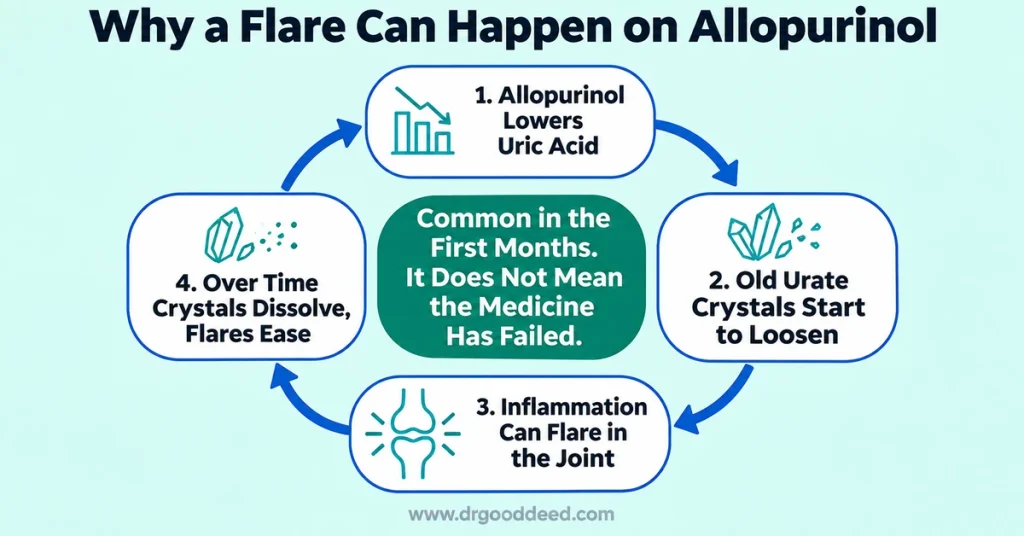
Allopurinol lowers uric acid, but when uric acid levels change, the shift is thought to loosen urate crystals in the joints and trigger inflammation. Knowing why flares happen, what doctors can do to prevent them and which symptoms need urgent care can help you stay on your treatment plan safely.
Key Takeaways
- A gout flare on allopurinol is common in the first months; keep taking it as prescribed and call your prescriber.
- As uric acid falls, it can cause inflammation around existing urate crystals.
- Allopurinol helps prevent future attacks but does not relieve the pain of an acute attack.
- Ask your doctor about flare prevention (such as colchicine) when you start allopurinol or when your dose changes.
- Regular blood tests show whether you are reaching your serum urate target.
Allopurinol generally does not need to be stopped just because a flare occurs. A doctor may prescribe colchicine, an NSAID or a corticosteroid for the flare, depending on your health and other medicines. Do not start, stop or change any of these on your own.
Why Can a Gout Flare Up on Allopurinol?
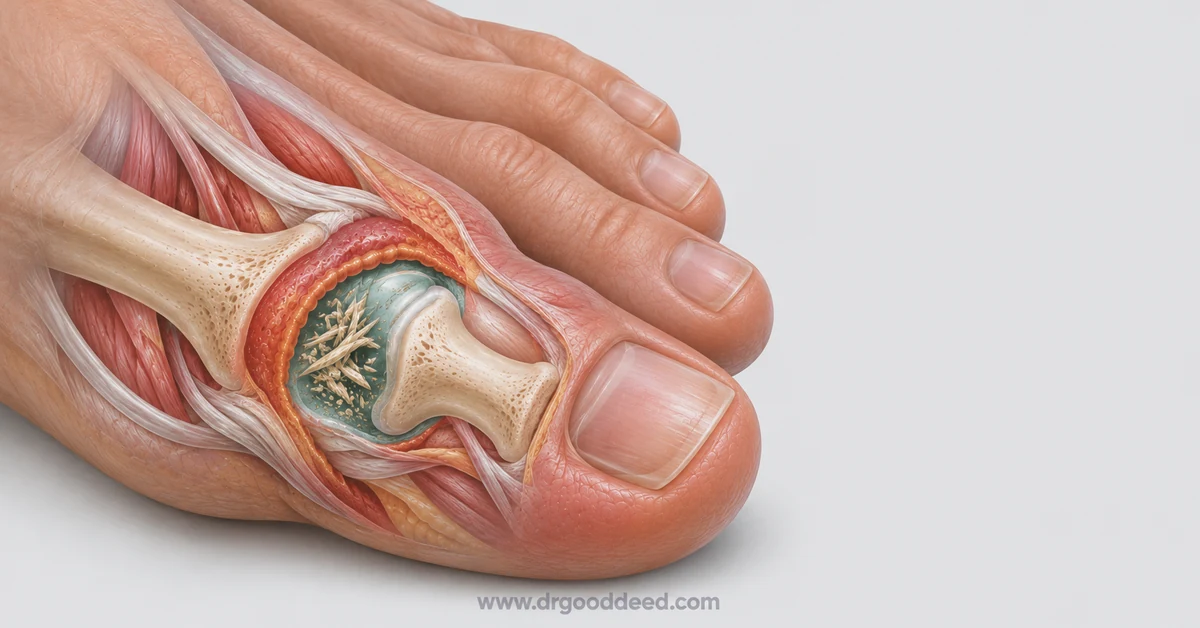
A gout flare on allopurinol can happen because falling uric acid is thought to disturb the crystals that have settled in your joints. Even though uric acid is better controlled over time, the early change can set off inflammation.
Several things can add to the risk:
- Old crystals: crystals that built up over several years take a long time to dissolve.
- Starting or changing the dose: flares can occur when allopurinol is first added or when your doctor adjusts the dose.
- A recent flare: a flare shortly before starting treatment raises the chance of a flare in the first few months.
- No flare prevention: some people need extra anti-inflammatory medicine when urate-lowering treatment begins.
- Other triggers: dehydration, alcohol, illness and some medicines can also trigger attacks.
A 2024 study in Arthritis Care & Research found that a flare in the prior month and a higher starting dose were linked to more flares in the first 6 months of treatment. This is why doctors raise the dose slowly and may add flare prevention.
How Does Allopurinol Control Gout?
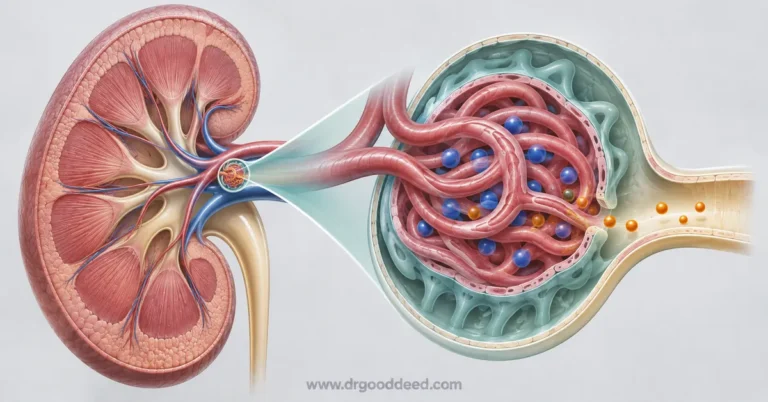
Allopurinol blocks an enzyme called xanthine oxidase, which helps the body make uric acid. Over time, as uric acid falls, urate crystals in the body can dissolve and future attacks become less likely.
The medicine is not a painkiller. It is a preventive medicine taken long term, and it works best when taken regularly as prescribed, with the dose adjusted and blood tests done along the way.
The American College of Rheumatology guideline sets a serum urate target of below 6 mg/dL (360 µmol/L) for most people with gout. A lower target may be needed if you have tophi or frequent attacks despite reaching this level. Your doctor will set the target for you.
For a wider look at treatment, read our gout overview.
How Long Do Gout Flares Last on Allopurinol?
No reliable duration exists for flares after starting allopurinol. Risk is highest in the first months, and flares usually become less intense over time.
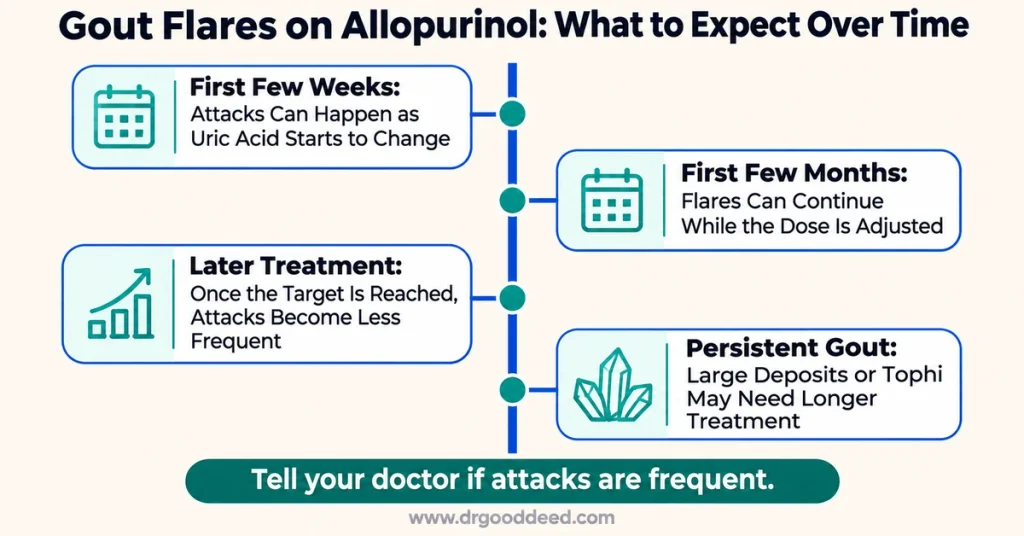
- First few weeks: attacks can happen when uric acid levels start to change.
- First few months: flares can continue while your doctor adjusts treatment toward the urate target.
- Later treatment: once the target is reached and maintained, attacks usually become less frequent.
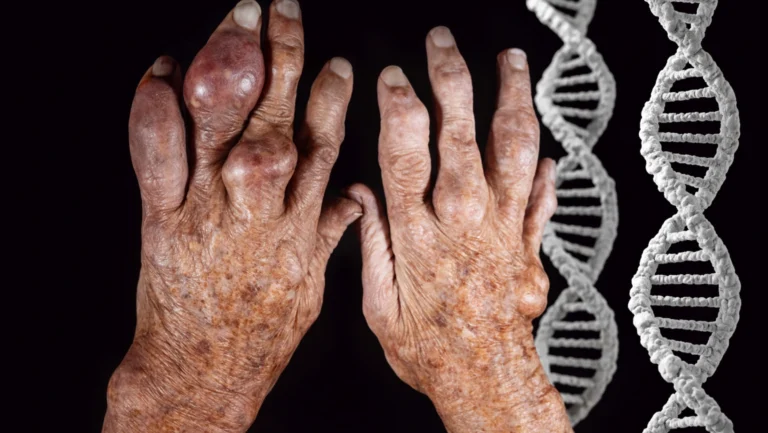
- Persistent gout: people with large crystal deposits or tophi may need longer treatment before attacks ease.
A 2023 randomized trial of 200 people (Stamp et al., Annals of the Rheumatic Diseases) found that placebo was not as good as colchicine at preventing flares in the first 6 months of start low, go slow allopurinol. Most of the extra flares came before month 3, flares rose after colchicine was stopped, and totals over 12 months did not differ.
If you have frequent attacks, tell your doctor how you are doing. You can also read more about how long a gout attack lasts.
Is It a Flare or a Drug Reaction?
A gout flare on allopurinol is usually not an allergic reaction to the medicine. A flare typically starts suddenly, with pain, redness, swelling and heat in a joint such as the big toe, ankle or knee. A medicine reaction is more likely to cause a rash, itching or other new symptoms.
| Feature | Gout Flare | Possible Medicine Reaction |
| Main symptoms | Painful, hot, swollen joint | Rash, itching or other unusual symptoms |
| Typical location | One or more joints | Skin or other parts of the body |
| Main concern | Inflammation from urate crystals | Possible drug sensitivity |
| What to do | Contact your prescriber for a flare plan | Seek prompt medical advice about new symptoms |
Note: Allopurinol can rarely cause severe skin reactions, including Stevens-Johnson syndrome and toxic epidermal necrolysis. GoodRx reports that skin reactions occur in under 1 percent of people taking allopurinol and are most likely in the first 2 months. The risk is higher with the HLA-B*58:01 genetic marker, with kidney disease and with some other medicines. The marker is more common in people of African, certain Asian and Pacific Islander ancestry, so ask your doctor about testing.
A new rash needs a same-day call to your doctor or pharmacist. Blistering, skin peeling, mouth sores or facial swelling may point to a serious reaction. If you have swelling of the lips or mouth or trouble breathing, get emergency care. In every case, your doctor decides what happens with the medicine.
The NHS also lists signs of meningitis, such as a stiff neck, severe headache and confusion, along with anaphylaxis and Stevens-Johnson syndrome among the reasons to call 999 in the UK.
What Can You Do During a Gout Flare?
When a gout attack happens on allopurinol, the priority is to manage symptoms and ask your prescriber what to do. Do not stop, skip or change allopurinol without telling your healthcare provider.
- Discuss anti-inflammatory treatment: your doctor may recommend colchicine, an NSAID or a corticosteroid, depending on your medical history.
- Rest the joint: avoid movement and pressure that increase the pain.
- Use a cold pack: wrap it in a towel and apply it for a short time. For more ideas, see our guide on how to stop gout pain at night.
- Keep up your fluids: drink an appropriate amount unless you have been told to limit fluids.
- Attend follow-up visits: blood tests and symptom checks show whether your treatment needs adjusting.
Do not start an NSAID on your own. Your doctor chooses flare cover based on your kidney function, stomach and other conditions. You can read more about your kidney function.
A hot, swollen joint with fever or chills needs prompt medical care, because a joint infection can look like gout.
How Can You Prevent Flares When Starting Allopurinol?
Start low, go slow means beginning allopurinol at a low dose and raising it slowly under your doctor’s guidance.
Follow the Start Low, Go Slow Approach
Your doctor uses your serum urate results, kidney function and how well you tolerate the medicine to adjust the dose.
Ask About Gout Flare Prophylaxis
Gout flare prophylaxis means anti-inflammatory treatment to prevent flares when urate-lowering therapy begins. According to secondary sources on the American College of Rheumatology 2020 guideline, cover is typically given for 3 to 6 months. Your doctor chooses the medicine and the length of cover.
The 2023 randomized trial found colchicine led to fewer flares than placebo in the first 6 months. This does not mean everyone needs colchicine, so discuss the benefits and risks with your doctor.
Check Your Serum Urate Levels
Regular blood tests show whether uric acid is falling toward your target. If attacks continue, ask whether the target has been reached, whether the dose needs more steps, and whether flare cover should last longer.
Review Diet and Other Medicines
Limit alcohol, organ meats, large amounts of red meat and some seafood. Drink water instead of sugary drinks. Avoid crash diets, fasting and dehydration.
Ask your doctor to review any medicines that can raise uric acid, including thiazide and loop diuretics. Do not stop medicines your doctor has prescribed.
For more, read about early signs and symptoms of gout and foods to avoid with gout.
When Should You Call a Doctor About a Gout Flare?
Seek medical advice if attacks get more severe, more frequent or last longer, or if you do not feel better on your treatment.
US: for flares or a new rash, call your primary care doctor or prescriber. Call 911 or go to the emergency department for swelling of the lips, mouth or face, or trouble breathing.
UK: for advice, contact your GP, pharmacist or NHS 111. Call 999 or go to A&E for swelling of the lips, mouth or face, or trouble breathing.
A hot, swollen joint with fever is urgent in both countries. A flare on allopurinol can develop even after long-term use, so keep to your treatment plan, talk about flare prevention and keep your monitoring appointments.
Frequently Asked Questions
Does Gout Flare Up When Taking Allopurinol?
Yes. A gout attack can happen in the first few months because changing uric acid levels may cause inflammation around crystals already in the joints. It does not necessarily mean the treatment has failed.
Can I Stop Allopurinol During a Gout Attack?
If you are already on a stable dose, keep taking it during a flare unless your doctor tells you otherwise. A new rash or a suspected serious reaction needs an urgent call to your doctor or pharmacist, and your doctor decides about the medicine.
How Long Does Allopurinol Take to Lower Gout Attacks?
It varies. Flares can continue for the first few months until uric acid is under control. Keeping uric acid at target over time lowers the chance of future attacks.
Can I Take Colchicine With Allopurinol?
Your doctor may prescribe colchicine to help prevent flares when you start allopurinol or change your dose. Whether you need it depends on your flare history, kidney function, other medicines and individual risk factors.
What Is the Ideal Uric Acid Level on Allopurinol?
The usual aim is below 6 mg/dL (360 µmol/L). A lower target may be set under medical supervision if you have tophi or frequent attacks.
What Are the Warning Signs of a Serious Allopurinol Reaction?
A new rash, blisters or peeling skin, mouth ulcers, fever with a rash, swelling of the face, lips or mouth, or trouble breathing may signal a serious reaction. Do not assume these are part of a normal gout attack. Get medical help right away.
Sources
Arthritis Foundation, Gout Treatment Guidelines. link
Arthritis Foundation, Allopurinol Drug Guide. link
NHS, Allopurinol: A Medicine to Treat Gout. link
NHS, Side Effects of Allopurinol. link
MedlinePlus, Allopurinol Drug Information. link
FDA, Allopurinol Prescribing Information. link
American College of Rheumatology, 2020 American College of Rheumatology Guideline for the Management of Gout. link
GoodRx, 7 Allopurinol Side Effects to Know About. link
BMJ Rheumatology Summaries, Start Low, Go Slow: Colchicine Versus Placebo Prophylaxis in Gout. link
Healio, Recent Flares, Starting Dose Predict Gout Flare Risk in First 6 Months of Allopurinol. link
Medical Disclaimer: This article is for general information only and is not medical advice. It does not replace a diagnosis, treatment plan, or guidance from a qualified healthcare professional. Always talk to your doctor about your own symptoms and before starting, stopping, or changing any treatment. If you think you may be having a medical emergency, call 911 or go to your nearest emergency room.