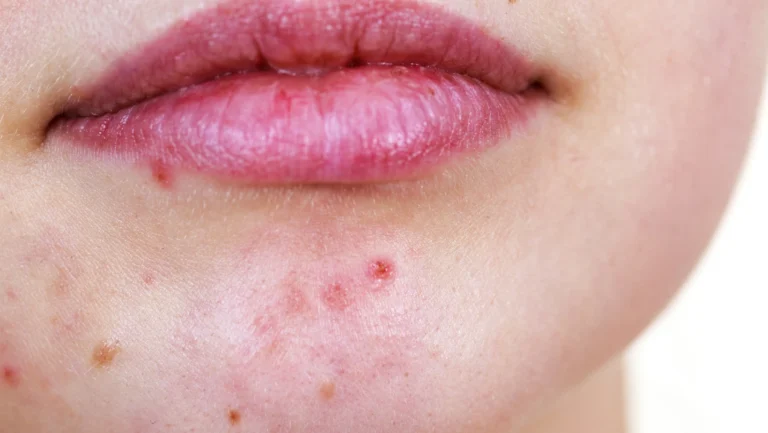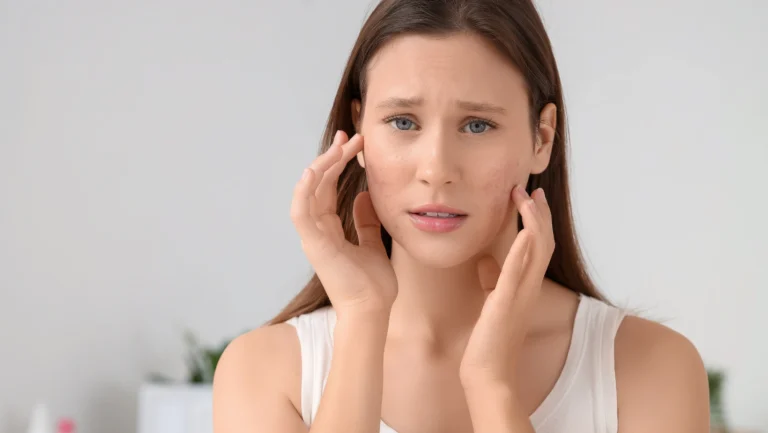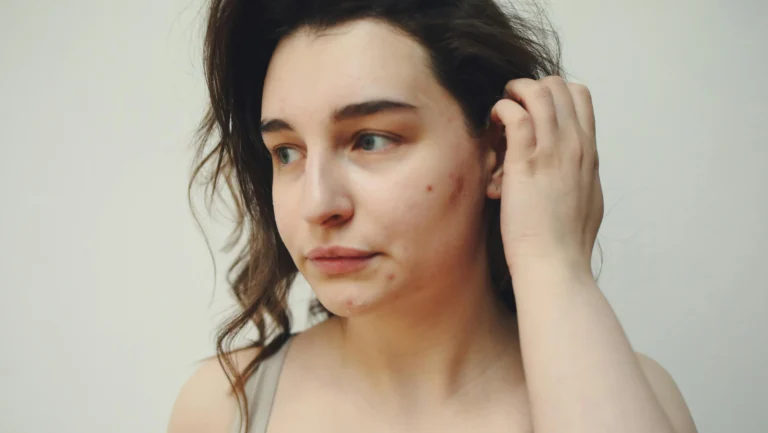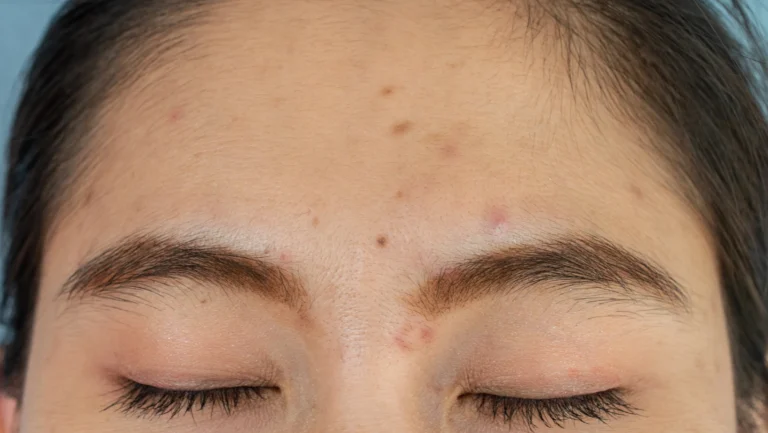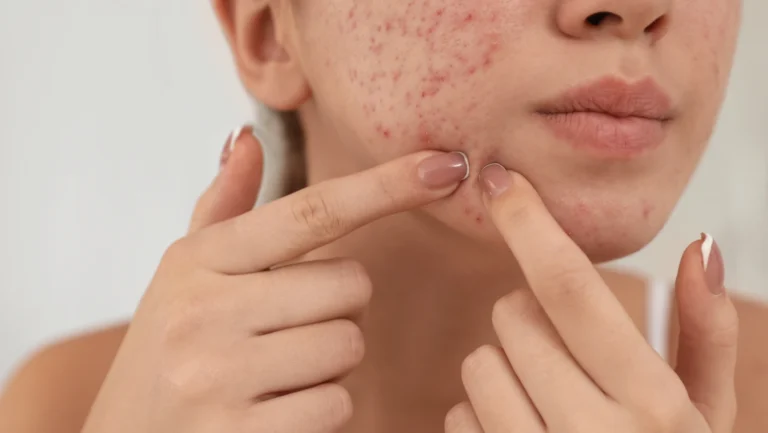
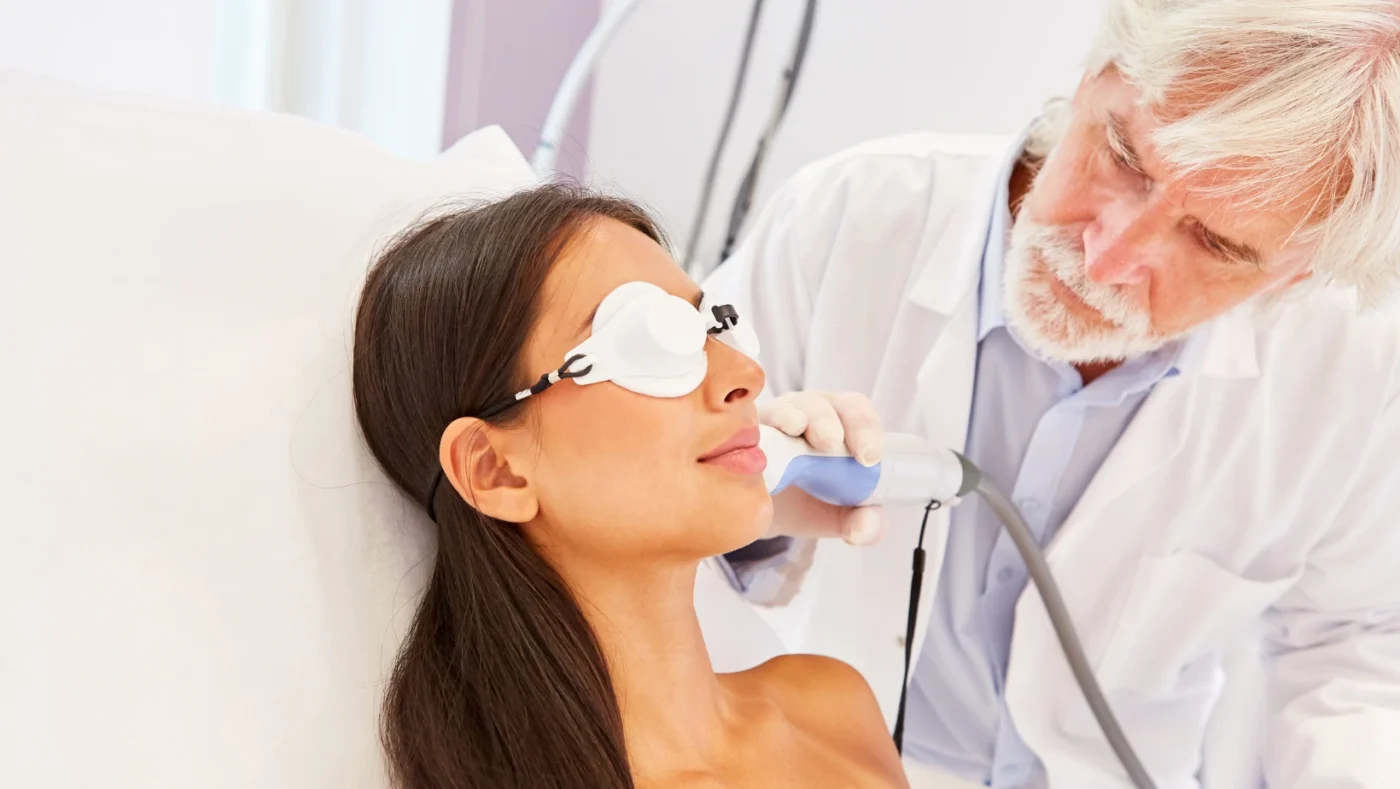

Laser treatment for acne scars uses focused light energy to remove damaged skin or heat the deeper skin layers, which triggers new collagen growth. Dermatologists in the USA use it mainly for atrophic scars, the shallow pits and dents left behind after moderate to severe acne clears. It will not erase a scar. It can, however, smooth texture and even out tone within months.
This guide covers how laser treatment for acne scars works, which device actually fits your scar type, what recovery looks like week by week, and the specific factors that decide your final result.
How Laser Treatment Helps Acne Scars
Laser energy injures the skin in a controlled way, which forces the body into repair mode, and repair means new collagen. New collagen fills in shallow dips and firms up the surrounding tissue, so the scar looks shallower even though it has not physically disappeared.
- Ablative lasers strip away the top layer of skin outright, prompting fresh skin to regrow in its place with a tighter, smoother texture.
- Non-ablative and fractional lasers leave the surface intact and heat the tissue underneath, so the body rebuilds collagen from within without an open wound.
- Collagen remodeling continues for months after a single session, which is why results keep improving well past the initial healing period.
- A 1999 study in Dermatologic Surgery tracked 60 patients after CO2 laser resurfacing and recorded 69 percent clinical improvement at one month, climbing to 75 percent at 18 months, evidence that gains build over time rather than fading.
Collagen production does not stop when the redness fades, which is why laser treatment for acne scars keeps improving for close to a year after the last session.
Which Laser Type Fits Your Acne Scars
Choosing the right device changes everything about how well laser treatment for acne scars actually performs. Scar depth, skin tone, and how much downtime you can tolerate all decide which laser helps most.
| Laser Type | How It Works | Best For | Typical Downtime |
| Ablative CO2 | Vaporizes the top skin layer | Deep, severe atrophic scars | 10 to 14 days |
| Ablative Erbium (Er:YAG) | Removes surface skin with less heat spread | Moderate scars, lighter skin tones | 5 to 7 days |
| Fractional CO2 | Treats narrow columns of skin, leaves surrounding tissue intact | Moderate to deep scars, most skin tones | 4 to 7 days |
| Non-ablative (Nd:YAG, 1540nm) | Heats tissue without breaking the surface | Mild scars, active patients | 1 to 2 days |
Some of these devices are sold under brand names such as Fraxel, Halo, or Vbeam. Mentioning a brand here is purely for recognition, not an endorsement of any specific manufacturer.
How Many Sessions Will You Need?
Laser treatment for acne scars needs more than one session, and expecting one treatment to finish the job sets up disappointment.
- Fractional CO2 laser: typically 3 to 5 sessions spaced 4 to 6 weeks apart.
- Non-ablative fractional laser: often 4 to 6 sessions, since each pass delivers a smaller dose of energy.
- Fully ablative CO2 resurfacing: sometimes a single deep session, because the treatment is more aggressive per visit.
- Session count also depends on scar type. Rolling and boxcar scars generally respond faster than tightly bound ice-pick scars.
Full-face ablative resurfacing may only need one session, but recovery runs longer. Fractional approaches trade a longer series of visits for shorter downtime after each one.
Recovery Timeline, Day by Day
Recovery after laser treatment for acne scars depends heavily on which device you chose, and skipping aftercare steps slows healing down.
- Days 1 to 3: Skin looks red and feels tight, similar to a sunburn. Ablative treatments may ooze or crust during this window.
- Days 4 to 7: Peeling and flaking begin. New pink skin appears underneath as the old surface sheds.
- Weeks 2 to 4: Redness fades to a pink tone that makeup can usually cover. Swelling resolves fully.
- Months 1 to 6: Collagen remodeling continues quietly under the surface, and texture keeps improving without any visible sign of it happening.
Pro Tip: Book fractional CO2 sessions at least four weeks apart since the skin’s collagen response peaks around week three to four; treating too early interrupts remodeling instead of adding to it.
Risks and Side Effects, Especially for Darker Skin Tones
Every laser carries some risk, and that risk climbs with more aggressive devices and untreated pigment concerns.
- Post-inflammatory hyperpigmentation (PIH): Darker skin tones (Fitzpatrick IV to VI) face a meaningfully higher risk of dark patches after ablative and some fractional lasers, since more melanin reacts more strongly to heat injury.
- Infection: Ablative resurfacing carries a real risk of bacterial or herpes virus flare-ups, which is why some dermatologists prescribe preventive antiviral medication beforehand.
- Prolonged redness: CO2 lasers tend to leave erythema that can last weeks longer than Erbium or non-ablative options.
- Scarring: Rare, but ablative resurfacing performed too aggressively or on the wrong candidate can worsen texture instead of fixing it.
Patients with skin of color should ask specifically about non-ablative or lower-fluence fractional options, since these reduce PIH risk while still delivering meaningful improvement.
What Affects Your Laser Treatment Results
Two patients with identical scars can walk away with different results from the same device, and the difference usually traces back to a handful of variables.
- Scar age: Newer scars, especially those under two years old, tend to respond faster than long-established, fibrous scarring.
- Scar depth and type: Ablative lasers have been shown to reduce scar depth by roughly 50 to 70 percent, but ice-pick scars often need subcision or filler alongside laser work to see comparable change.
- Skin tone: Darker skin tones respond well to fractional and non-ablative devices but need more caution with high-intensity ablative settings.
- Provider skill: Laser settings that work for one scar pattern can worsen another, so a provider’s specific acne-scar experience matters more than the brand of machine they own.
- Aftercare compliance: Skipping sunscreen or picking at peeling skin raises the risk of hyperpigmentation and can undo weeks of progress.
Expert Insight: Clinicians often see patients judge results too early, around week two, when residual swelling still masks the improvement; the real collagen-driven change in acne scar removal cases typically shows up between month three and month six, not immediately after the redness fades.
Laser Treatment vs Other Acne Scar Options
Laser is not always the first or only answer, and combining approaches often outperforms laser alone.
- Microneedling: Gentler, safer across all skin tones, but usually needs more sessions for comparable depth reduction.
- Chemical peels: Better suited to surface pigmentation than deep atrophic scarring.
- Dermal fillers: Offer immediate, temporary plumping for individual deep scars rather than gradual, lasting remodeling.
- Subcision plus laser: Frequently combined for tethered, fibrous scars that laser energy alone cannot release.
A 2024 network meta-analysis covering 68 randomized trials found that laser combined with platelet-rich plasma ranked highest for reducing scar severity scores, ahead of laser used by itself.
FAQs
Does laser treatment for acne scars hurt?
Yes, most patients feel a hot, snapping sensation during treatment. Providers apply topical numbing cream beforehand, and ablative sessions often use additional local anesthetic.
Is laser treatment for acne scars permanent?
Results are long-lasting, not permanent. New acne breakouts or natural skin aging can introduce new texture changes over the following years.
Can laser treatment for acne scars work on dark skin?
Yes, with the right device. Fractional and non-ablative lasers carry lower hyperpigmentation risk than aggressive ablative CO2 for Fitzpatrick IV to VI skin.
How soon will I see results from acne scar removal lasers?
Initial smoothing appears within 2 to 4 weeks. Full collagen-driven improvement takes 3 to 6 months after the final session.
Does insurance cover laser treatment for acne scars?
No, US insurers classify it as cosmetic. Costs typically range from $600 to $3,500 per session depending on device and area treated.
Is CO2 laser resurfacing better than microneedling?
For deep boxcar or rolling scars, yes, CO2 laser resurfacing produces faster, more pronounced depth reduction, though it comes with longer downtime.
Sources
- Mayo Clinic: Acne Scars, What’s the Best Treatment? link
- American Academy of Dermatology: Acne Scars Consultation and Treatment link
- Walia S, Alster TS. Prolonged Clinical and Histologic Effects from CO2 Laser Resurfacing of Atrophic Acne Scars. Dermatologic Surgery, 1999. link
- StatPearls (NCBI): Laser Revision of Scars link
- Journal of Clinical and Aesthetic Dermatology: Atrophic Acne Scarring, A Review of Treatment Options link
- PMC: Optimal Treatment Options for Acne Scars, a Systematic Review and Network Meta-Analysis link
- PMC: Long-Term Efficacy and Safety of CO2 Array Laser vs Er:YAG Laser for Acne Scars link
- Cleveland Clinic: Laser Skin Resurfacing link
- PMC: Poly-L-Lactic Acid Combined With CO2 Fractional Laser for Acne Scars link
- PubMed: Treatment of Acne Scars With Fractional CO2 Laser at 1-Month vs 3-Month Intervals, Randomized Controlled Trial link