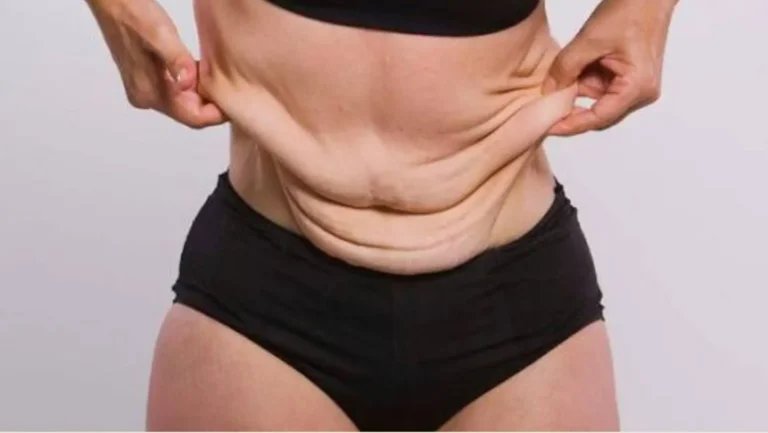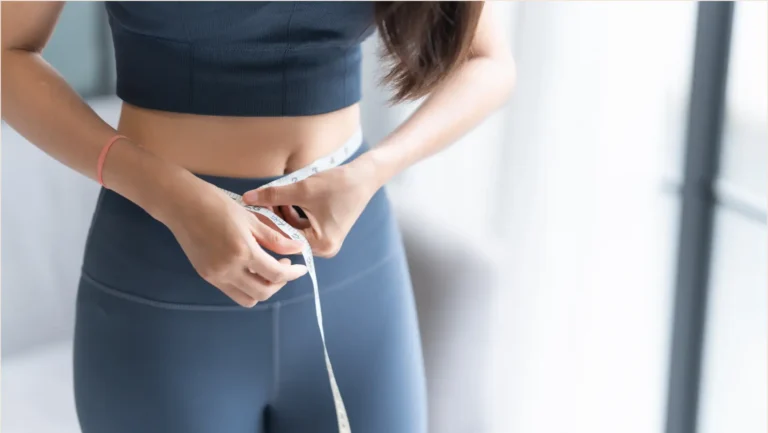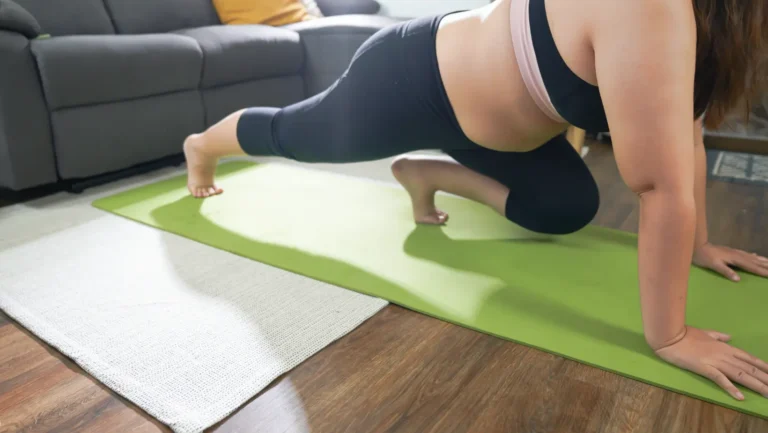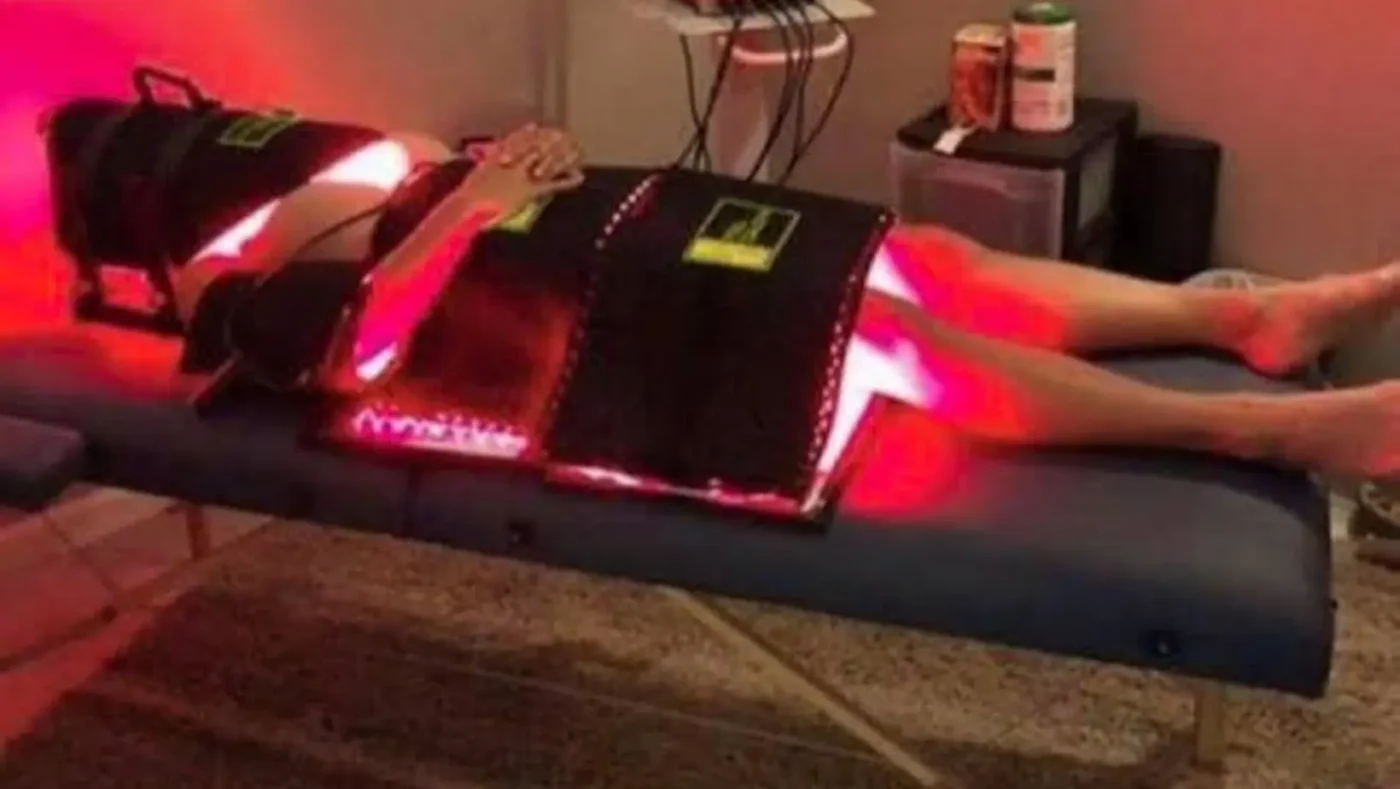

Red light therapy for weight loss produces modest, temporary reductions in body circumference for some people, not true fat loss or lower body weight. The FDA has cleared several red light devices for temporary inch loss and body contouring, not for weight loss itself. It works best as a body-contouring add-on alongside diet and exercise, never as a replacement for either.
This guide covers how red light therapy for weight loss works, its real benefits, correct usage, and the safety concerns worth knowing before you try it.
Weight Loss vs Fat Loss vs Body Contouring in Red Light Therapy
These three terms get used interchangeably online, but they describe different outcomes. Confusing them is why so many people feel let down by red light therapy for weight loss claims.
| Goal | Meaning |
| Weight loss | Lower number on the scale |
| Fat loss | Reduced fat mass in the body |
| Body contouring | Changes in body shape or circumference |
Someone may lose inches around the waist without losing much body weight at all. Red light therapy studies almost always measure circumference in centimeters, not pounds on a scale. That distinction matters more than any marketing claim.
How Red Light Therapy Works for Weight Loss
How red light therapy works for weight loss comes down to light interacting with fat cells and mitochondria, not calorie burning in the way exercise does.
Effects on Fat Cells
Red and near-infrared light, typically 630 to 850 nanometers, is believed to create temporary pores in fat cell membranes. This may let stored lipids leak out of the cell and enter the bloodstream, where the body processes them normally.
Cellular Energy Production (ATP)
Red light is absorbed by cytochrome c oxidase, an enzyme inside mitochondria. This absorption boosts ATP production, the cell’s main energy currency, according to a 2020 review in the Journal of Biophotonics. More cellular energy supports faster tissue repair, though this doesn’t directly translate to fat burning.
Temporary Fat Cell Changes
The fat cell shrinkage seen in studies is temporary, not permanent. Unlike CoolSculpting, which destroys fat cells, red light therapy only empties them, so the same cells can refill with fat again without a stable diet.
The Importance of Calorie Deficit
None of these cellular effects matter without a calorie deficit. Fat released from cells still needs a reason to stay gone. Without eating less than you burn, released fatty acids simply get stored back into fat tissue.
Benefits of Red Light Therapy for Weight Loss
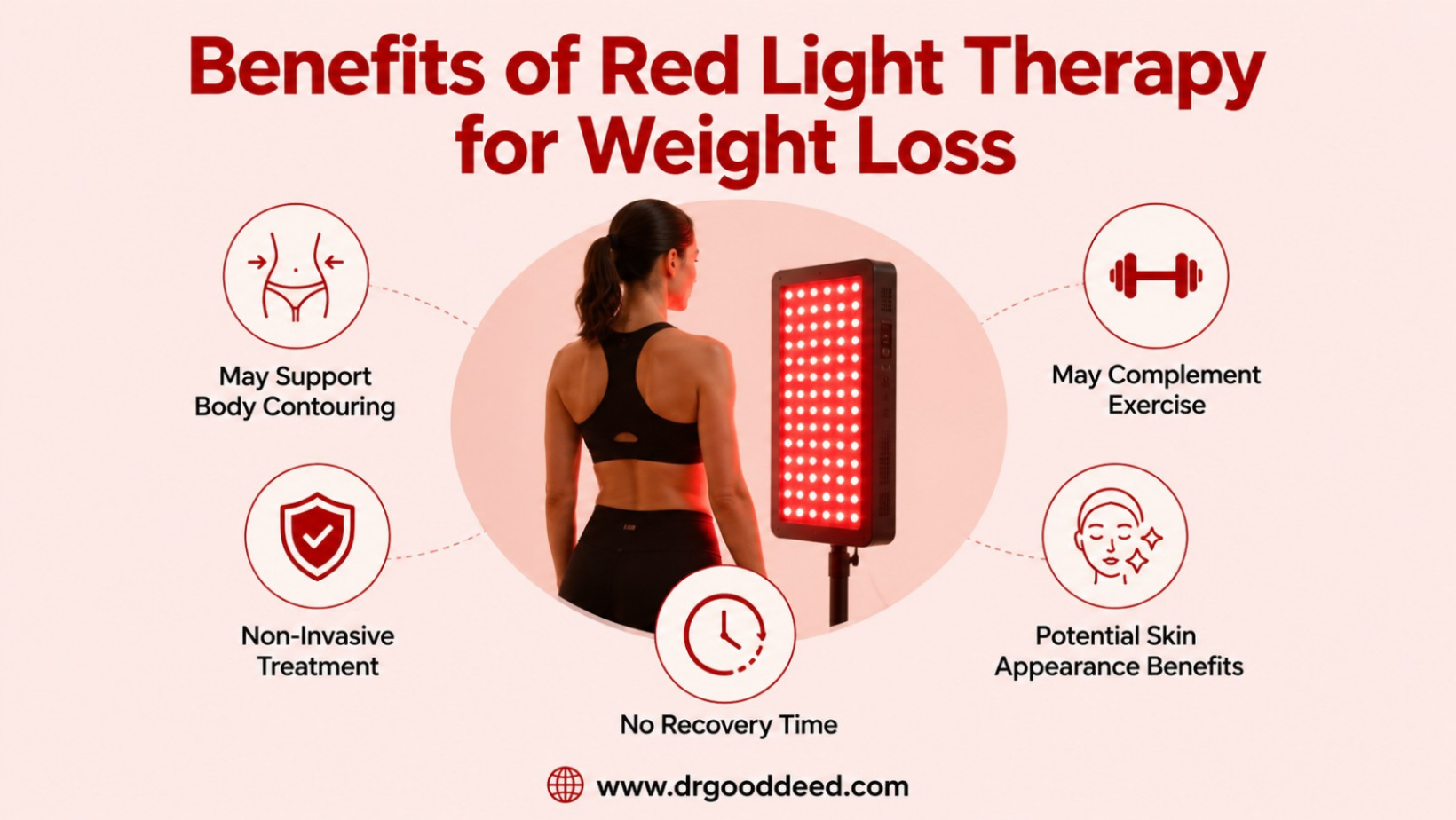
These benefits of red light therapy for weight loss apply mainly to body shape and comfort, not the number on a scale.
May Support Body Contouring
A 2010 FDA pivotal trial on the Zerona red laser found a 3.5-inch average combined circumference reduction across the waist, hips, and thighs after six sessions over two weeks. This remains one of the most cited results in the field.
Non-Invasive Treatment
Unlike liposuction, red light therapy involves no needles, incisions, or anesthesia. Sessions typically last 10 to 30 minutes.
No Recovery Time
Patients walk in and out of sessions with zero downtime, unlike surgical body contouring procedures that require days or weeks of recovery.
May Complement Exercise
A 2025 meta-analysis of 9 randomized controlled trials with 477 patients found that adding photobiomodulation to lifestyle interventions increased average weight loss by 3.5 kg compared with lifestyle changes alone.
Potential Skin Appearance Benefits
Red light also stimulates collagen production in the skin, which may improve firmness and texture in treated areas alongside any contouring effect.
Case Study: Tracking Real Inch-Loss Results Over 8 Weeks
Karen Whitfield, a 51-year-old nurse from Sacramento, California, wanted to firm her midsection after reaching a stable weight through diet changes. She wasn’t chasing more weight loss, just a tighter waistline.
Her clinic used a measurement method most articles skip: a tension-controlled tape measure at 3 fixed anatomical landmarks, recorded before every session to remove human error from the numbers. After 12 sessions over 4 weeks, her combined waist, hip, and thigh circumference dropped by 2.75 inches, closely matching published trial averages. Her body weight on the scale barely changed, down less than a pound. This gap between her measuring tape and her scale is exactly what the weight loss vs fat loss vs body contouring distinction predicts.
Name and identifying details have been altered to protect privacy.
How to Use Red Light Therapy for Weight Loss
Getting real results from using red light therapy for weight loss depends more on consistency than on any single session.
Professional Treatments
Clinic-grade devices use higher power output than home devices, producing the circumference results seen in published trials. Sessions are supervised and typically follow a structured multi-week protocol.
Home Devices
Home LED panels and belts offer convenience but deliver lower power density. Harvard Health notes that lower-powered home devices generally require longer or more frequent sessions to approach clinic-level results.
Recommended Treatment Frequency
Most programs use 3 to 5 sessions weekly for the first 4 to 6 weeks, followed by 1 to 2 maintenance sessions weekly.
Combining Therapy With Exercise
Exercise 30 minutes after a session may help clear released fatty acids from the bloodstream more efficiently, based on the working theory behind treatment scheduling in clinical protocols.
Nutrition During Treatment
A stable or reduced calorie intake prevents released fat from simply refilling the same cells. Protocols that pair sessions with a calorie deficit report the largest circumference changes.
Safety & Side Effects of Red Light Therapy
Most side effects of red light therapy are mild and temporary, making it one of the safer body contouring options available without a prescription.
Mild Skin Redness
Brief redness at the treatment site is common and usually fades within an hour.
Temporary Warmth
A warm sensation during treatment is normal and reflects light energy absorption, not tissue damage.
Eye Safety Precautions
LED-based red light therapy poses minimal retinal risk since it produces no coherent laser beam, but direct prolonged eye exposure should still be avoided, and laser-based devices require protective eyewear.
Rare Adverse Effects
Burns and blistering are rare but have been reported with overuse or faulty devices. Photosensitizing medications, including certain antibiotics and acne treatments, can raise this risk.
Who Should Consult a Healthcare Professional First?
Pregnant people, those with active skin cancer, and anyone on photosensitizing medication should get medical clearance before starting red light therapy for weight loss sessions.
FAQ
Does red light therapy help with weight loss?
Not directly. It supports modest circumference reduction of 2 to 9 cm in clinical studies, but produces little to no change on the actual bathroom scale.
Can red light therapy burn fat?
Not in the traditional sense. It temporarily releases stored fat from cells rather than destroying fat cells, so results depend on maintaining a calorie deficit afterward.
Is red light therapy approved for weight loss?
No. The FDA has cleared specific devices, like Zerona and Celluma CONTOUR, for temporary circumference reduction, not for weight loss as a medical indication.
How often should I use red light therapy?
3 to 5 sessions weekly for 4 to 6 weeks produces the circumference results seen in clinical trials, based on published Zerona and Celluma protocols.
Can I use red light therapy at home?
Yes, but home devices have lower power output than clinic systems, so expect slower, smaller changes than the inch-loss numbers reported in professional trials.
How long does it take to see results?
Most trials report measurable circumference reduction after 2 to 4 weeks of consistent sessions, roughly 6 to 12 total treatments.
Is red light therapy safe?
Yes, for most healthy adults. Reported side effects are limited to temporary redness and warmth, with serious adverse events being rare in clinical trial data.
Who should avoid red light therapy?
Pregnant people, those with active skin cancer, and anyone taking photosensitizing medication should avoid treatment until a doctor confirms it’s safe for them.
Can red light therapy reduce belly fat?
Yes, modestly. Trials measuring waist circumference report reductions of 1 to 3 inches after multi-week protocols, though this reflects local circumference, not visceral fat loss.
Sources
- Photobiomodulation: A Review of the Molecular Evidence for Low Level Light Therapy, ScienceDirect
- Mechanisms and Mitochondrial Redox Signaling in Photobiomodulation, PMC
- Mechanisms and Applications of the Anti-Inflammatory Effects of Photobiomodulation, PMC
- Body Contouring with LED Red Light Therapy Science, Celluma
- Red Light Therapy for Body Contouring, Celluma CONTOUR
- Green vs. Red Light Therapy for Fat Loss: A Comprehensive Review, Bio2 Laser Studio
- The Truth About Red Light Body Contouring, Element Body Lab
- Red Light Therapy for Weight Loss: What It Can (and Can’t) Do for Your Body
- U.S. Food and Drug Administration, Device Classification Database
- Photobiomodulation of Cytochrome c Oxidase by Chronic Transcranial Laser, PMC
Medical Disclaimer: This article is for general educational purposes only. It does not replace advice from a doctor or licensed aesthetic provider. Talk to a healthcare professional before starting any body contouring treatment, especially if you take photosensitizing medication or have a skin condition.