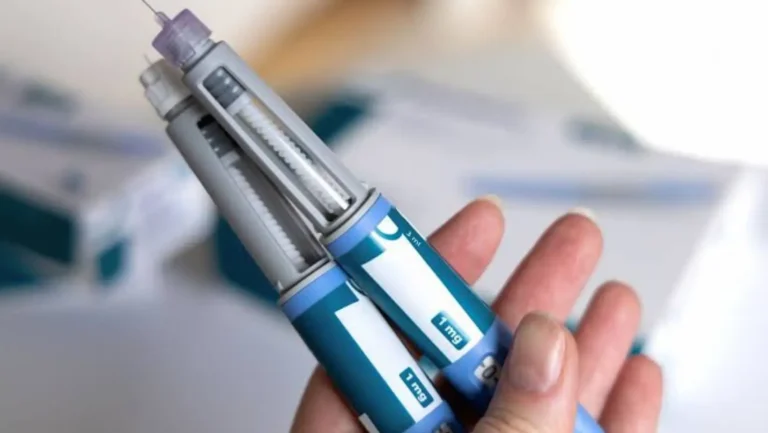

Ozempic causes diarrhea because it changes how fast food moves through your stomach and intestines. The active drug, semaglutide, activates GLP-1 receptors in your gut. This speeds up colon contractions while slowing stomach emptying, and that mismatch pulls water into your stool.
The FDA lists diarrhea as one of the most common Ozempic diarrhea side effect reports, alongside nausea and constipation. Roughly 9% of Ozempic users experience it in clinical trials, compared to 2% on placebo.
This guide covers why Ozempic causes diarrhea in the first place, when it usually starts, why some people get it worse than others, and exactly what to do about it today.
Why Does Ozempic Cause Diarrhea?
Ozempic causes diarrhea due to motility. Semaglutide binds to GLP-1 receptors in your gut and speeds up how fast your colon squeezes stool along, while your stomach empties slower. Food and water don’t get processed the normal way, so stool comes out looser and faster.
Ozempic changes more than stomach emptying
Most people know Ozempic slows stomach emptying. That part helps you feel full longer. But GLP-1 receptors sit all through your digestive tract, not just your stomach. In your colon, they raise the frequency of peristaltic waves, the muscle contractions that push waste forward. A slow stomach paired with a fast colon is an odd combination. Your body isn’t built to handle both changes at once smoothly, and diarrhea is often the result.
The gut has to adapt to sustained GLP-1 signaling
Your gut normally releases GLP-1 in short bursts after meals. Ozempic keeps GLP-1 receptors switched on for days at a time because of its long half-life, about one week. Your intestines have to adjust to constant signaling instead of brief spikes. This adjustment period is exactly why semaglutide diarrhea tends to cluster around the first few weeks of treatment and after each dose bump.
Why diarrhea happens to some people but constipation happens to others
Some Ozempic users get diarrhea. Others get constipation from the same drug. Researchers still don’t have a full explanation, but current evidence points to individual differences in gut bacteria, baseline colon speed, and how strongly a person’s stool reflex responds to a full digestive tract. If your gut already moves quickly, GLP-1 stimulation can push it into diarrhea territory. If your gut moves slowly to begin with, the drug’s effect on stomach emptying can tip you toward constipation instead.
When Does Ozempic Diarrhea Usually Start and How Long Does It Last?
How long does Ozempic diarrhea last? For most people, it clears up within two to four weeks as the gut adjusts to the medication. Diarrhea that starts right after your first dose usually fades faster than diarrhea that begins after a dose increase, since your body has already adapted once.
After starting Ozempic
Diarrhea from your very first injections often shows up within the first three to five days. This is your gut meeting sustained GLP-1 signaling for the first time. Mild, watery stools once or twice a day are typical. Severe or bloody diarrhea is not typical and needs a call to your doctor.
After increasing the dose
Every time your dose goes up, your gut faces a new adjustment period. Ozempic diarrhea after a dose increase is one of the most consistently reported patterns in clinical trials, and it explains why diarrhea can reappear months into treatment even after your first few weeks were symptom free. Expect a repeat adjustment window of roughly one to two weeks after each step up.
Diarrhea that starts months later
New diarrhea that shows up long after your last dose change deserves attention. It could mean a new food intolerance, a stomach bug, a reaction to another medication you started, or in rare cases, an unrelated digestive condition. Ozempic itself is less likely to be the sole cause if your dose and diet haven’t changed.
Why Your Ozempic Diarrhea May Be Worse Than Someone Else’s
Three factors decide how bad diarrhea is after an Ozempic injection: how fast your dose was raised, whether you’re on another gut-affecting drug, and what you’re eating around your injection days.
Dose escalation may be too much for current GI tolerance
Novo Nordisk’s own prescribing schedule builds in slow increases for a reason. Jumping doses too fast, or your body simply needing more time than the standard schedule allows, raises your odds of diarrhea. If your last increase was rough, ask your doctor about holding at your current dose a few extra weeks before moving up again.
Another medication may be contributing
If you’re also taking metformin, you’re combining two drugs that both commonly cause loose stools, through different mechanisms. Metformin affects bile acid absorption and gut bacteria. Ozempic affects motility. Together, the effects can stack instead of cancel out.
Food can amplify an already sensitive GI tract
Ozempic diarrhea after eating is common with high-fat, high-sugar, or heavily fried meals. These foods are harder to digest under normal conditions. With Ozempic already disrupting your gut’s rhythm, a greasy meal can push things over the edge into an urgent bathroom trip.
How to Stop or Reduce Diarrhea From Ozempic
How to stop diarrhea from Ozempic starts with matching the fix to the trigger. A dose related pattern needs a different response than a food related one. Below is a practical, step by step Ozempic diarrhea treatment approach organized by cause.
If diarrhea appeared after a dose increase
- Ask your provider about extending time at your current dose before the next increase
- Stay on simple, low fat meals for the first week after any dose change
- Track symptoms daily so you and your provider can see the pattern clearly
If particular meals consistently trigger diarrhea
- Keep a short food log for two weeks, noting meals eaten within six hours of symptoms
- Cut back on fried food, heavy cream sauces, and large sugary desserts
- Eat smaller portions more often instead of two or three large meals
If you’re taking metformin too
- Ask your doctor whether extended-release metformin might suit you better, since it tends to cause fewer GI symptoms
- Take metformin with food, never on an empty stomach
- Report the combined symptom pattern clearly, since your doctor may adjust one drug’s dose rather than both
If diarrhea continues despite these changes
Bring up Ozempic diarrhea relief medications with your doctor. Over-the-counter loperamide is commonly recommended for short-term use, though your provider needs to rule out infection first. Persistent diarrhea beyond four weeks, or diarrhea with fever, blood, or severe cramping, needs a medical visit, not a home remedy.
| Foods and drinks that tend to help | Ozempic diarrhea foods to avoid |
| Bananas, rice, applesauce, toast (BRAT style meals) | Fried foods and heavy cream sauces |
| Plain grilled chicken or fish | Large sugary desserts and sodas |
| Oatmeal and plain yogurt | Very spicy dishes |
| Electrolyte drinks or broth | Excess caffeine and alcohol |
| Cooked, peeled vegetables | Raw cruciferous vegetables like broccoli in large amounts |
Is Diarrhea a Sign Ozempic Is Working?
No, diarrhea does not measure whether Ozempic is working. Ozempic’s job is to lower blood sugar and reduce appetite through insulin release and slower stomach emptying, not through your bowel habits. Weight loss and blood sugar numbers are the real markers of progress, and you can see strong results with zero digestive side effects at all.
FAQs
Why does Ozempic cause diarrhea?
Semaglutide speeds up colon contractions while slowing stomach emptying at the same time. That mismatch reduces how much water your colon reabsorbs, producing looser, more frequent stools.
How common is diarrhea with Ozempic?
About 9% of Ozempic users report diarrhea in clinical trials, versus 2% on placebo. Rates run higher, near 30%, at Wegovy’s higher weight loss doses.
How long does Ozempic diarrhea last?
Most cases resolve in two to four weeks as your gut adapts. Diarrhea after a dose increase typically settles within one to two weeks.
Does Ozempic diarrhea get better over time?
Yes. Clinical trial data shows GI symptoms consistently decline the longer someone stays on a stable dose, with most improvement in the first month.
Why did I get diarrhea after increasing my Ozempic dose?
Each dose increase raises GLP-1 receptor stimulation throughout your gut. Your intestines need a fresh adjustment period, usually one to two weeks, before symptoms settle.
How can I stop diarrhea from Ozempic?
Eat smaller, low-fat meals, stay hydrated with electrolytes, ask about slower dose escalation, and review other medications like metformin with your doctor.
What should I eat if Ozempic gives me diarrhea?
Choose bananas, rice, toast, plain chicken, and oatmeal. Skip fried foods, cream sauces, and large sugary desserts until symptoms settle.
Can Ozempic and metformin together cause diarrhea?
Yes. Both drugs affect your gut through separate mechanisms, and combining them raises the odds of loose stools compared to either drug alone.
Should I skip my Ozempic dose if I have diarrhea?
No, not without asking your doctor first. Skipping doses on your own can disrupt your treatment schedule and blood sugar control unnecessarily.
Can I take an anti-diarrheal while taking Ozempic?
Yes, short-term loperamide use is generally considered safe, but confirm with your doctor first to rule out infection or a more serious cause.
Is diarrhea a sign that Ozempic is working?
No. Ozempic’s effectiveness is measured by blood sugar control and weight loss, not by digestive symptoms. Many people see full results without any diarrhea.
When should I worry about diarrhea on Ozempic?
Worry if diarrhea lasts beyond four weeks, contains blood, comes with fever, or leads to dizziness, dark urine, or a rapid heartbeat from dehydration.
Why did diarrhea suddenly start after months on Ozempic?
New diarrhea without a dose change often points elsewhere, such as a new food, a stomach bug, or another medication, not the semaglutide itself.
Can Ozempic diarrhea cause dehydration?
Yes. Frequent watery stools can drain fluids and electrolytes fast. Watch for dark urine, dizziness, and dry mouth, and drink electrolyte fluids proactively.
Sources
- FDA Prescribing Information for Ozempic – Novo Nordisk
- Ozempic Side Effects, Novo Nordisk Official Site
- Gastrointestinal Adverse Events Associated with Semaglutide, Frontiers in Public Health
- Ozempic and Diarrhea: Causes and How to Manage, Medical News Today
- Health Benefits of Semaglutide, Mayo Clinic Press
- Why Ozempic Causes Diarrhea and How to Manage It, GoodRx Health
- Metformin-Associated Gastrointestinal Adverse Events Reduced by Probiotics, National Library of Medicine
- Metformin-Induced Chronic Diarrhea, National Library of Medicine
- Is It Safe to Take Ozempic and Metformin Together, SingleCare
- Can Ozempic Cause Stomach Paralysis or Bowel Injury, Drugs.com