
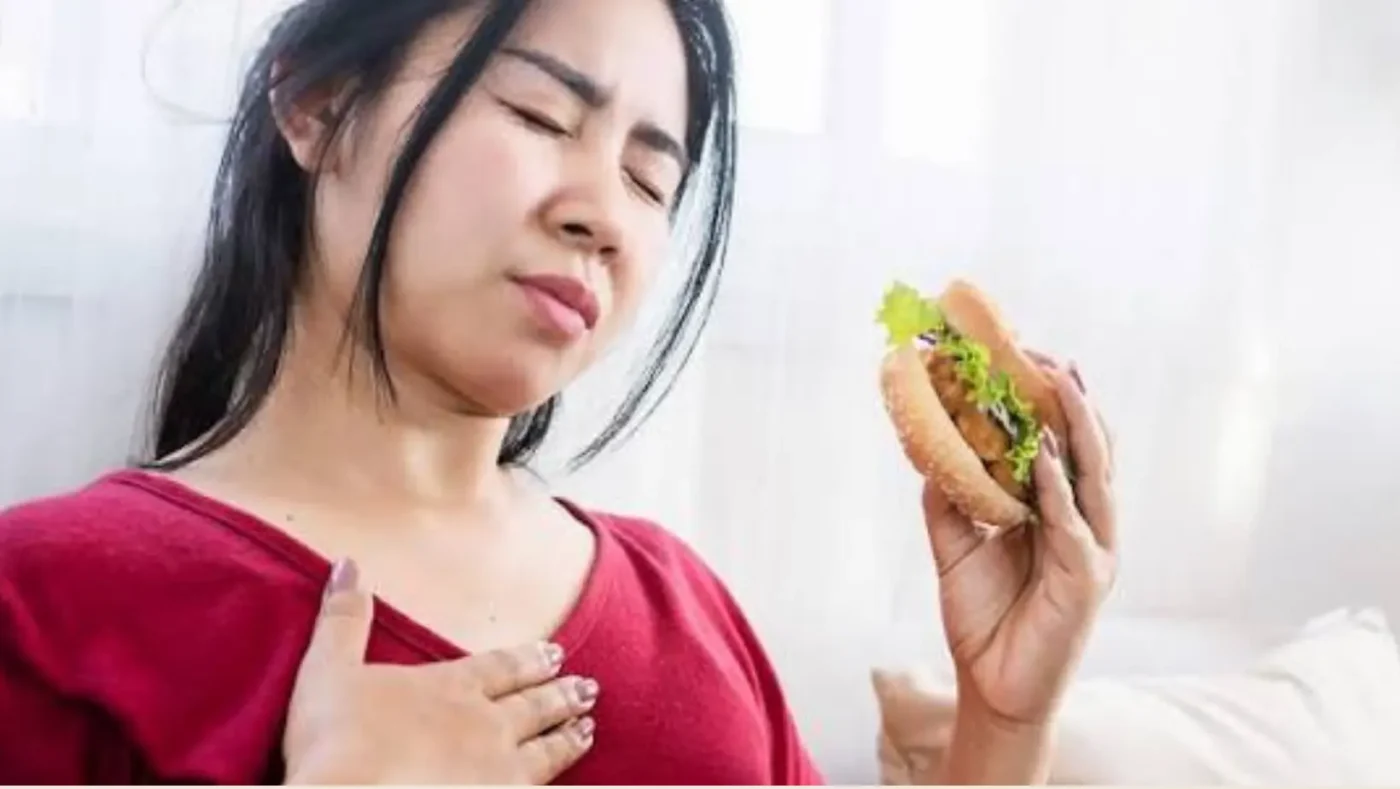

Heart racing after eating happens because digestion pulls blood toward your stomach and intestines, and your nervous system speeds up your pulse to keep blood pressure steady everywhere else. Alcohol, caffeine, large portions, and dehydration make this effect stronger in people who are already sensitive to it. Most cases fade within an hour and are not dangerous.
Repeated episodes can also point to something outside the food itself. Anemia, thyroid disease, low electrolytes, or a heart rhythm disorder can all show up as heart palpitations after eating. A doctor can sort out a normal digestive reflex from a condition that needs treatment.
Why Does My Heart Race After Eating?
Your body sends extra blood to your gut during digestion, and your heart beats faster to make up for it. The size of the meal, what you ate, how hydrated you are, any medications you take, and your baseline heart health all shape how strong that reaction feels.
Heart racing after eating is your body’s normal digestive workload showing up as a faster pulse for 20 to 60 minutes. Large or carb-heavy meals, caffeine, and dehydration make the spike bigger. A pulse that stays above 120 beats per minute for over 30 minutes, or that comes with chest pain, needs medical attention.
Is a Faster Heart Rate After Eating Normal?
Yes. A small rise in heart rate after a meal is a normal, expected response. Digestion is physical work. Your stomach and intestines need more blood flow to break down food, absorb nutrients, and move waste along.
Most healthy adults see their pulse climb by 5 to 15 beats per minute within 15 to 30 minutes of eating, then settle back to baseline. This is sometimes called an increased heart rate after eating, and on its own it is not a red flag. Your body treats a meal a bit like light exercise. Blood shifts toward your digestive organs, and your heart works a little harder to keep your brain and muscles supplied.
Problems start when the rise is extreme, when it lasts for hours, or when it comes with other symptoms like dizziness, chest tightness, or fainting.
Which Foods Can Trigger a Racing Heart?
Some foods are far more likely than others to set off a fast pulse. The most common offenders share one trait: they force your body to work harder or release stress hormones during digestion.
- Large, high-fat meals that take longer to digest
- Refined carbs and sugary desserts that spike blood sugar
- Caffeine in coffee, energy drinks, and pre-workout powders
- Alcohol, especially red wine and dark liquors
- Very salty foods that pull in extra fluid
- Spicy dishes that irritate the vagus nerve
- MSG and foods high in tyramine, like aged cheese and cured meats
Keeping a short list of what you ate before an episode helps you spot your personal trigger fast.
How Digestion Affects Your Heart Rate
Digestion causes your body to activate your autonomic nervous system, the part that runs functions you do not consciously control, the moment food hits your stomach. This system speeds up your heart, redirects blood flow, and releases hormones like insulin and adrenaline.
A fast heartbeat after eating often comes from this exact chain reaction. Blood volume shifts toward the gut, blood pressure can dip slightly, and your heart compensates by beating faster to maintain flow to your brain. In people with a sensitive nervous system, this compensation overshoots and feels like a pounding or racing heart.
Hormonal shifts that cause insulin release after a carb-heavy meal can trigger a small adrenaline surge, and that adrenaline is what you actually feel as a flutter or thump in your chest.
When Is It a Cause for Concern?
Most post-meal pulse jumps are harmless and short. Concern rises with specific patterns rather than the sensation alone.
- Heart rate stays above 120 beats per minute for more than 30 minutes
- Palpitations come with chest pain, pressure, or shortness of breath
- You feel dizzy, faint, or confused after eating
- Episodes happen after nearly every meal, not just heavy ones
- You have new swelling in your legs or ankles alongside the racing feeling
Common Causes of a Racing Heart After Eating
Several distinct mechanisms can cause your pulse to spike after a meal, ranging from harmless digestive workload to underlying heart or hormone conditions.
Rapid heartbeat after eating usually traces back to one of seven causes: oversized meals, sugar and refined carbs, caffeine, food sensitivities, a drop in blood pressure after eating, an existing heart condition, or anxiety.
Large Meals
A heart racing after large meal is one of the most reported patterns, and it has a simple explanation. Big portions demand more blood flow to the stomach and intestines for a longer stretch of time. Your heart has to work harder and longer to keep up.
Eating quickly makes this worse. Rapid eating means your body has less time to adjust, so the heart rate spike hits harder and faster. Splitting one large meal into two smaller ones often cuts the effect in half.
High-Carbohydrate or Sugary Foods
Heart racing after eating carbs happens because refined carbohydrates and sugar spike your blood glucose quickly. Your pancreas releases a burst of insulin in response, and that hormonal swing can trigger a matching adrenaline release.
Heart racing after eating sugar follows the same path but tends to hit faster, often within 15 to 20 minutes. White bread, pastries, soda, and candy are the usual culprits. Pairing carbs with protein or fiber slows the blood sugar spike and softens the heart rate response.
Caffeine and Energy Drinks
Caffeine is a stimulant, and it directly speeds up your heart rate and raises your blood pressure. Heart palpitations after caffeine are common even in people who drink coffee daily, and the effect gets stronger when caffeine is combined with a meal.
Energy drinks are the worst offenders because they stack caffeine with sugar and sometimes taurine or guarana. Heart palpitations after caffeine show up faster on an empty stomach, then again during digestion if you eat shortly after drinking it. Cutting back to one cup of coffee and avoiding energy drinks near mealtimes usually settles this down within days.
Food Sensitivities or Allergies
Heart racing after spicy food often comes from vagus nerve irritation rather than a true allergy. Capsaicin, the compound that makes peppers hot, can stimulate nerve endings in your gut lining and trigger a reflex increase in heart rate.
Heart racing after spicy food can also overlap with acid reflux, since spicy meals relax the valve between your stomach and esophagus. Salt causes sodium to pull extra fluid into your bloodstream, temporarily raising blood volume and making your heart pump harder. True food allergies, like to shellfish or tree nuts, can also cause a racing heart alongside hives, swelling, or trouble breathing, and that combination needs emergency care.
Low Blood Pressure After Eating (Postprandial Hypotension)
Postprandial hypotension is a drop in blood pressure after a meal, most common in older adults and people with diabetes or Parkinson’s disease. Doctors generally define it as a systolic blood pressure drop of at least 20 points within two hours of eating.
When blood pressure falls, your heart beats faster to try to compensate, which is why this condition often causes noticeable palpitations, lightheadedness, and even fainting shortly after meals. Smaller meals, drinking a glass of water before eating, and staying seated for 30 to 60 minutes after a meal can reduce symptoms significantly.
Underlying Heart Conditions
Tachycardia after eating can point to an existing rhythm disorder, including atrial fibrillation, supraventricular tachycardia, or postural orthostatic tachycardia syndrome, commonly called POTS. In POTS specifically, heart rate can jump by 30 beats per minute or more after a meal, especially one high in carbohydrates.
If you already have a diagnosed heart condition, meals can act as a trigger rather than a cause. Anyone with a known arrhythmia who notices a clear pattern of racing after eating should mention it at their next cardiology visit rather than assuming it is unrelated.
Anxiety or Panic Attacks
Heart pounding after eating is sometimes a stress response rather than a digestive one. Anxiety triggers the same adrenaline surge that a big meal or caffeine does, so it can be hard to tell the two apart by feeling alone.
Eating in a rushed or stressful setting, like during a tense meeting or an argument, can trigger palpitations that have nothing to do with the food itself. If your racing heart consistently lines up with stressful meals rather than specific foods, anxiety is a reasonable suspect worth discussing with a doctor.
| Trigger | Typical Onset | Main Mechanism | Quick Fix |
| Large or high-fat meals | 20 to 45 minutes | Extra blood flow demand | Smaller, more frequent meals |
| Sugar and refined carbs | 15 to 20 minutes | Insulin and adrenaline surge | Pair with protein or fiber |
| Caffeine or energy drinks | 15 to 30 minutes | Direct stimulant effect | Limit to one serving daily |
| Alcohol | 20 to 60 minutes | Dehydration, vasodilation | Alternate with water |
| Spicy food | 10 to 20 minutes | Vagus nerve stimulation | Reduce capsaicin load |
| Salty food | 30 to 90 minutes | Fluid volume increase | Watch sodium intake |
| Anxiety during meals | Immediate to 15 minutes | Adrenaline release | Eat in a calm setting |
How to Reduce Heart Racing After Eating Based on the Trigger
The right fix depends entirely on what is actually causing your heart racing after eating. A caffeine-driven episode needs a different solution than one caused by a large meal or an unrelated heart condition. Below are targeted steps for the three most common patterns people report.
If large meals trigger it
Split your usual meal into two smaller ones spaced two to three hours apart. Eat slowly and chew thoroughly, since rushed eating forces your digestive system to work harder in a shorter window. Avoid lying down immediately after eating, since this can worsen reflux and add to the sensation.
If caffeine or alcohol tracks with episodes
Heart racing after drinking alcohol responds well to simple pacing changes. Alternate alcoholic drinks with water, and avoid drinking on an empty stomach. For caffeine, cap your intake at 200 to 300 milligrams a day, roughly two 8-ounce cups of coffee, and avoid it within an hour of a heavy meal.
If you can’t identify the trigger
Use a meal-palpitations log for several episodes: Time eaten, meal and drinks, medication and supplements taken, symptom onset, measured heart rate if available, whether it felt regular or irregular, how long it lasted, and any accompanying symptoms.
This log turns a vague complaint into specific data your doctor can actually use. Bring it to your appointment instead of trying to describe the pattern from memory.
Know When to Seek Medical Advice
See a doctor if episodes happen after most meals, last longer than an hour, or come with chest pain, dizziness, fainting, or shortness of breath. These signs suggest something beyond normal digestion is involved.
Call 911 or go to an emergency room immediately if a racing heart after eating comes with chest pressure, pain spreading to your arm or jaw, severe shortness of breath, or fainting. These symptoms can signal a heart attack or a dangerous arrhythmia, and timing matters.
FAQs
Why does my heart race after eating?
Digestion diverts blood to your gut, so your heart beats faster to maintain pressure elsewhere. Large meals, sugar, caffeine, and alcohol intensify this. Episodes lasting under an hour without other symptoms are usually a normal digestive response, not a heart problem.
Can sugar cause a rapid heartbeat?
Yes. Sugar spikes blood glucose fast, triggering an insulin release followed by an adrenaline surge. This combination speeds up your pulse within 15 to 20 minutes of eating sugary or refined-carb foods, then typically fades within an hour.
Is it normal for my heart rate to increase after meals?
Yes. A rise of 5 to 15 beats per minute is typical and reflects the extra blood flow digestion requires. It becomes abnormal only if it exceeds 120 beats per minute, lasts over 30 minutes, or repeats after nearly every meal.
Which foods are most likely to trigger heart palpitations?
Caffeine, alcohol, high-sugar desserts, MSG, aged cheese, cured meats, and very spicy dishes top the list. Each works through a different pathway, from direct stimulant effects to nerve irritation, so your personal trigger may not match someone else’s exactly.
Can acid reflux cause a racing heart?
Yes. Reflux irritates the esophagus near the vagus nerve, which can trigger a reflex heart rate change. Spicy, fatty, or acidic meals that worsen reflux often line up with palpitation episodes, especially when you lie down soon after eating.
Sources
- Cleveland Clinic, Heart Palpitations After Eating
- Mayo Clinic, Heart Palpitations
- American Heart Association, Arrhythmia
- National Institute of Diabetes and Digestive and Kidney Diseases, Dumping Syndrome
- StatPearls/NCBI Bookshelf, Dumping Syndrome
- NCBI PMC, Postprandial Hypotension: An Underreported Silent Killer in the Aged
- NCBI PMC, Time-Restricted Eating in Postural Orthostatic Tachycardia Syndrome
- Johns Hopkins Medicine, When to Evaluate Heart Palpitations
- American Heart Association, Caffeine and Heart Health






2 Comments
Comments are closed.