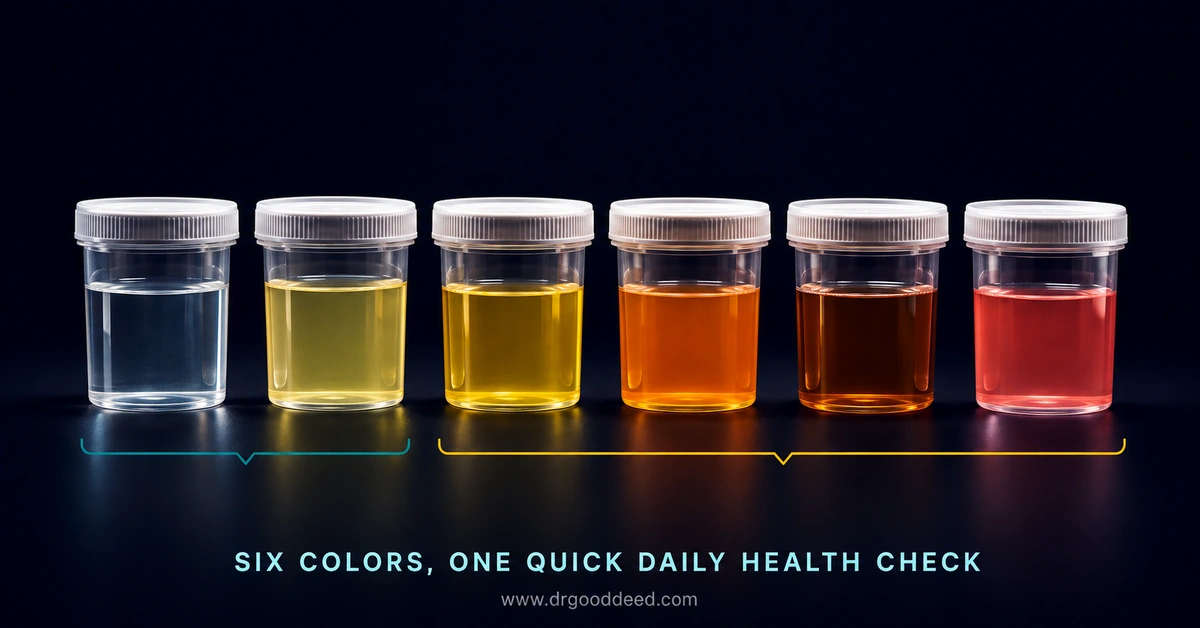

What color is your urine right now?
Pick the closest shade to see what it usually means, the harmless causes to rule out first, and when it's worth seeing a doctor.
Have diabetes, high blood pressure or a family history of kidney disease? Ask your doctor for routine blood and urine tests. Early kidney disease usually changes nothing you can see.
Urine color runs on a spectrum from clear to dark amber, and that whole range counts as normal. What sits outside it, pink, brown, cloudy, or foamy urine, can be an early clue that something is off with your kidneys or liver. A quick look in the toilet bowl is one of the cheapest health checks you have, and this urine color chart breaks down what each shade actually means.
What Does Normal, Healthy Urine Color Look Like?
Healthy urine falls somewhere between pale straw and amber. The color comes from a pigment called urochrome, a byproduct made when your body breaks down old red blood cells.
As your kidneys filter blood and remove waste, urochrome ends up diluted in the water in your body. Drink more, and the pigment spreads thinner, so urine looks lighter. Drink less, and the same pigment concentrates into a deeper yellow.
Urine Color Chart by Color
Here is a rundown of the main shades people notice, what typically causes each one, and when a color shift is worth a call to your doctor. Diet, medication, and hydration explain most changes, but a few signal kidney or liver trouble.
Clear or Colorless Urine
Clear urine usually means you are well hydrated, sometimes overly so. If you just downed a large bottle of water, this is nothing to worry about. But urine that stays clear all day, every day, can point to drinking far more fluid than your body needs, which dilutes your blood sodium. It can also show up with poorly controlled diabetes, since excess blood sugar pulls extra water into your urine. If clear urine comes with constant thirst or frequent urination, mention it to your doctor rather than assuming it is just good hydration.
Pale Yellow to Amber Urine
Pale yellow means you are drinking enough fluid. As the day goes on and you drink less, urine naturally deepens toward straw or light amber, especially first thing in the morning after hours without water. Both ends of this range, pale straw and light amber, count as healthy. The color simply tracks your hydration level in real time, which is why urine color works as a quick, free hydration check before you even reach for a water bottle.
Dark Yellow or Orange Urine
Dark yellow usually just means you need more water, and it should lighten within a few hours of drinking normally. Orange urine is due to certain B vitamins, some laxatives, and drugs like phenazopyridine (used for urinary pain) or rifampin can turn urine bright orange. But orange urine paired with pale stools or yellowing skin points toward a liver or bile duct problem, since bilirubin backing up into urine can shift its color toward orange or brown. A color change can signal disease, so persistent orange urine deserves attention.
Pink or Red Urine
Beets, blackberries, and rhubarb can turn urine pink or red within hours of eating them. Certain medications for tuberculosis or urinary pain turn urine pink or red. The more serious cause is blood, known medically as hematuria.
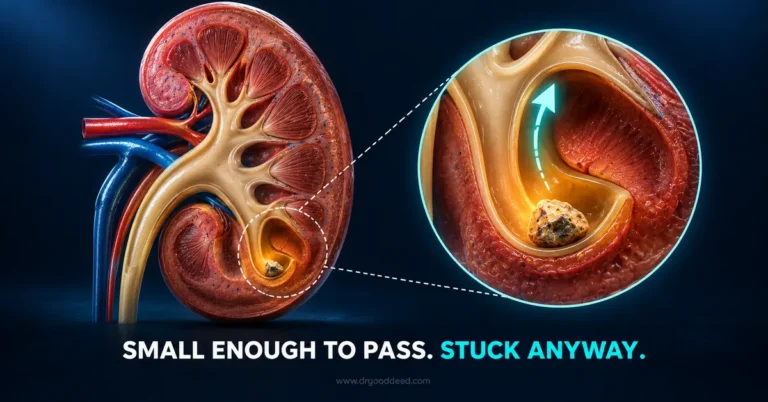
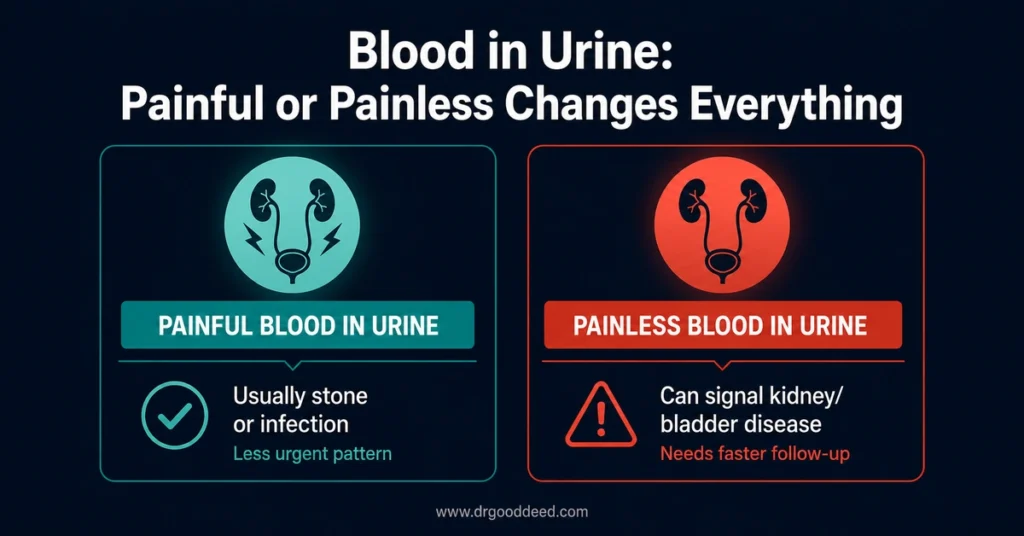
Health problems linked to blood in urine include kidney stones, an enlarged prostate, cysts, and in some cases tumors, and vigorous exercise can also cause temporary blood in urine. Pain during urination often points to a stone or infection. Painless bleeding is more concerning and can signal a more serious problem, so red or pink urine without an obvious food cause needs a medical evaluation.
Brown or Cola-Colored Urine
Brown urine has several explanations, and they range from harmless to urgent. Severe dehydration concentrates urine enough to look tea-colored. Fava beans, aloe, and rhubarb can tint urine brown. Certain antibiotics and antimalarial drugs list dark urine as a known side effect.
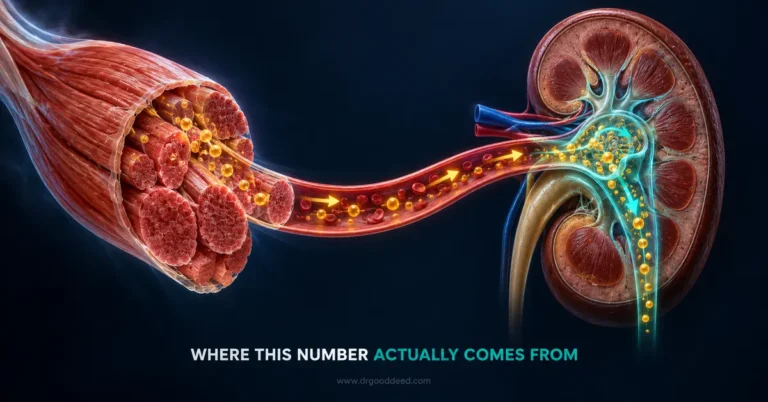
On the more serious end, brown or cola-colored urine can mean liver disease, since bile pigments spilling into urine darken it noticeably. It can also mean rhabdomyolysis, a breakdown of muscle tissue that releases myoglobin into the bloodstream, often after extreme exertion, a crush injury, or certain statin reactions. Liver failure alongside urinary tract infections and kidney stones are causes of urine changes, and brown urine that does not clear with hydration should prompt a doctor visit.
Blue or Green Urine
Blue and green urine look alarming but are rarely dangerous. Food dyes are the most common cause, along with some kidney and bladder test dyes used in medical imaging.
Certain medicines for depression, ulcers, and acid reflux can turn urine greenish blue, and medications for pain, arthritis, and sleep can also turn urine green.
A rare inherited condition, familial benign hypercalcemia, can turn a child’s urine blue. Outside of dyes and medication, blue or green urine on its own is not typically a kidney warning sign, though any new symptom alongside it is worth mentioning at your next appointment.

Cloudy or Foamy Urine
Cloudy urine often points to a urinary tract infection, especially when it comes with burning, urgency, or pelvic discomfort. Urinary tract infections and kidney stones can both make urine look cloudy or murky, and some infections turn urine milky white.
Foamy urine is different from cloudy urine and matters more for kidney health specifically. A single layer of bubbles that vanishes quickly is usually just the force of a strong urine stream. Foam that persists, looks thick, or resembles beer foam is worth tracking closely, because it often traces back to protein leaking from damaged kidneys rather than anything in your diet.
What Urine Color Changes Can Mean for Your Kidneys
Most color changes trace back to food, medication, or hydration and clear up on their own within a day. Persistent foam and any blood in the urine deserve closer attention because they connect directly to kidney function.
Foamy Urine and Protein in the Urine
Healthy kidneys filter waste while holding onto protein your body needs. When those filters get damaged, protein, mainly a type called albumin, leaks into the urine and changes its surface tension enough to create lasting foam.
The National Kidney Foundation describes that excessive bubbles in urine, especially bubbles that take several flushes to clear, indicate protein in the urine, and this is an early sign that the kidneys’ filters have been damaged. The organization also notes that a simple urine test can check for protein and help catch kidney problems early, before any other symptoms appear.
Not every case of foamy urine means kidney damage, and not all protein leakage causes visible foam, so a urinalysis is the only way to confirm what is actually happening. Still, foam that shows up regularly, regardless of how hydrated you are, is worth raising with your doctor.
Blood in the Urine and Kidney Damage
Blood in the urine, called hematuria, can be visible to the eye or detectable only under a microscope. The National Kidney Foundation points out that dark or red-colored urine does not always mean there is blood present, since certain medications, foods, or dyes can mimic the same color.
When blood is actually there, causes range from urinary tract infections and kidney stones to an enlarged prostate, kidney cysts, and, less commonly, kidney or bladder tumors.
Painful urination alongside blood usually points toward infection or a stone. Blood with no pain at all is the pattern that needs faster follow-up, since it can be the first visible sign of kidney or bladder disease. A urinalysis and, depending on results, imaging or bloodwork are typically the next steps a doctor will order.
What Does Urine Look Like With Kidney Failure?
Kidney failure often changes urine color toward dark amber, red, or brown, along with a noticeable drop in how much urine you produce. Blood may appear as the kidneys’ filtering units break down, and waste buildup can darken urine even without visible blood. But color changes are not reliable on their own. Early stages of chronic kidney disease may not cause any symptoms at all, and kidney failure symptoms typically appear only when the kidneys are failing, including feeling unwell, swelling, and urinating more than usual.
NIDDK states that as many as 9 in 10 adults with chronic kidney disease are not aware they have it, since early-stage kidney disease usually causes no symptoms. Waiting for urine color to change before getting tested means waiting too long. Routine blood and urine screening catches kidney disease years before color ever shifts.
What Affects Urine Color Besides Hydration
Hydration explains the everyday shifts between pale and dark yellow, but plenty of other things reach into the mix. Food, supplements, medications, and even the time of day all play a role, and most of these causes are completely harmless once you know to expect them.
Foods and Medications
Beets, blackberries, and rhubarb can turn urine pink or red, an effect commonly called beeturia, which is more likely in people with lower stomach acid. Fava beans and aloe can darken urine toward brown.
On the medication side, phenazopyridine (sold as Azo) turns urine bright orange, rifampin does the same, and certain chemotherapy drugs can tint urine red or orange. Metronidazole and nitrofurantoin, both common antibiotics, are known to darken urine toward brown.
Food dyes account for most cases of unexplained blue or green urine, and dyes used during kidney or bladder imaging tests can do the same for a day or two afterward.
Vitamins and Supplements
High-dose B vitamins, particularly riboflavin (vitamin B2), turn urine a vivid neon yellow, which is one of the most common reasons for what changed in their urine after starting a multivitamin. Vitamin C in large doses can shift urine slightly from yellow to orange. Vitamin A supplements have a similar mild orange effect at high doses. They resolve once you stop the supplement or your body processes the excess.
When to See a Doctor About Urine Color Changes
See a doctor if urine stays red, pink, or brown for more than a day without an obvious food cause, especially if there is no pain.
- Foamy urine that persists across multiple days, regardless of your fluid intake, warrants a urine test for protein.
- Cloudy urine with burning, urgency, fever, or back pain suggests a urinary tract infection or kidney infection that needs prompt treatment.
- Orange urine alongside pale stools or yellowing skin points toward the liver and should not wait.
And because early kidney disease often produces no visible urine changes at all, anyone with diabetes, high blood pressure, or a family history of kidney disease should get routine blood and urine screening rather than relying on urine color as an early warning system.
FAQs
Does drinking water change urine color?
Yes. Drinking more water usually makes urine pale yellow or nearly clear, while dehydration can make it darker yellow or amber.
What color is urine with a UTI?
A UTI may cause cloudy, dark, or sometimes bloody urine, but urine color alone cannot confirm an infection. Burning, frequent urination, pelvic pain, or a strong odor are more typical clues.
Can urine color indicate diabetes?
Urine color by itself does not diagnose diabetes. Diabetes may cause increased urination and thirst, but blood glucose testing is needed to confirm the condition.
What does foamy urine mean for kidneys?
Occasional foam can happen from fast or concentrated urination and may be harmless. Persistent or excessive foamy urine can indicate protein in the urine, which may be a sign of kidney disease and should be evaluated.
Is orange urine dangerous?
Orange urine is not always dangerous and can result from dehydration, certain foods, or medications. If it persists, is very dark, or occurs with abdominal pain, yellow skin/eyes, or other symptoms, seek medical advice.
Sources
- National Kidney Foundation, Recognizing Kidney Disease Symptoms: 10 Warning Signs Explained link
- National Kidney Foundation, 10 Signs You May Have Kidney Disease link
- National Kidney Foundation, What Your Urine Says About Your Kidney Health link
- National Kidney Foundation, Albuminuria: Causes, Diagnosis, Treatment link
- National Kidney Foundation, Chronic Kidney Disease (CKD): Symptoms, Causes, Treatment link
- Mayo Clinic, Urine Color: Symptoms and Causes link
- Mayo Clinic Health System, The Rainbow of Urine Colors link
- Cleveland Clinic, Changes in Urine: Causes, Symptoms and Treatment link
- Cleveland Clinic, Kidney Failure (ESRD): Causes, Symptoms and Treatment link
- National Institute of Diabetes and Digestive and Kidney Diseases (NIDDK), Kidney Disease Statistics for the United States link