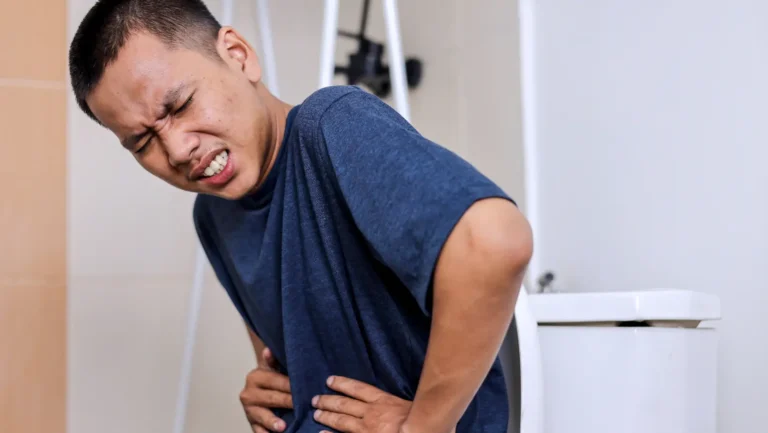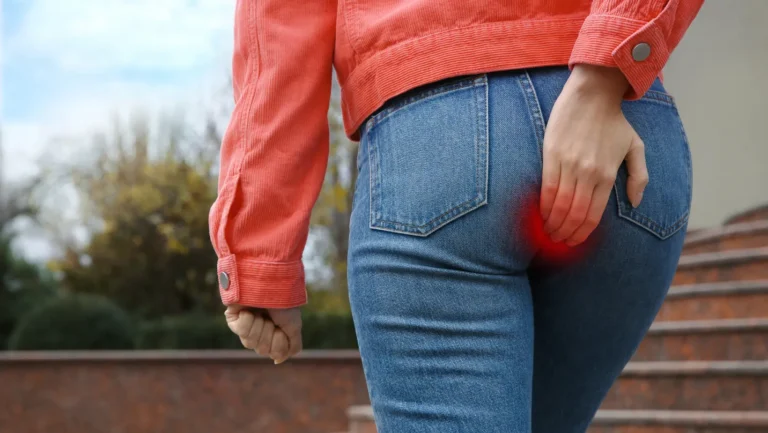

Pain after hemorrhoid banding is common, and it is usually a dull ache or pressure that eases within days. This discomfort should gradually improve within a few days. However, severe or increasing pain needs medical attention.
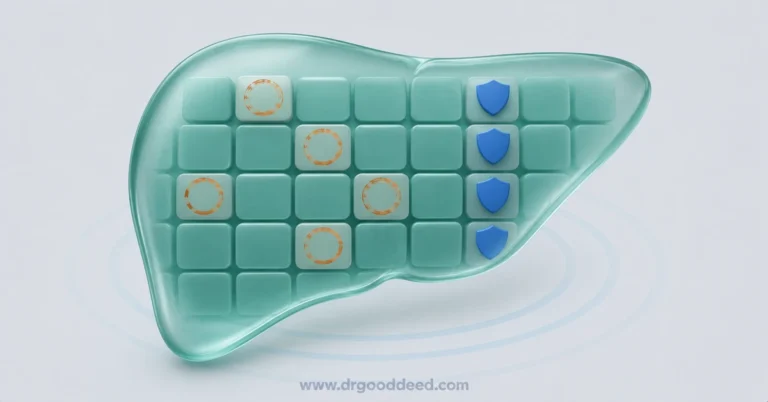
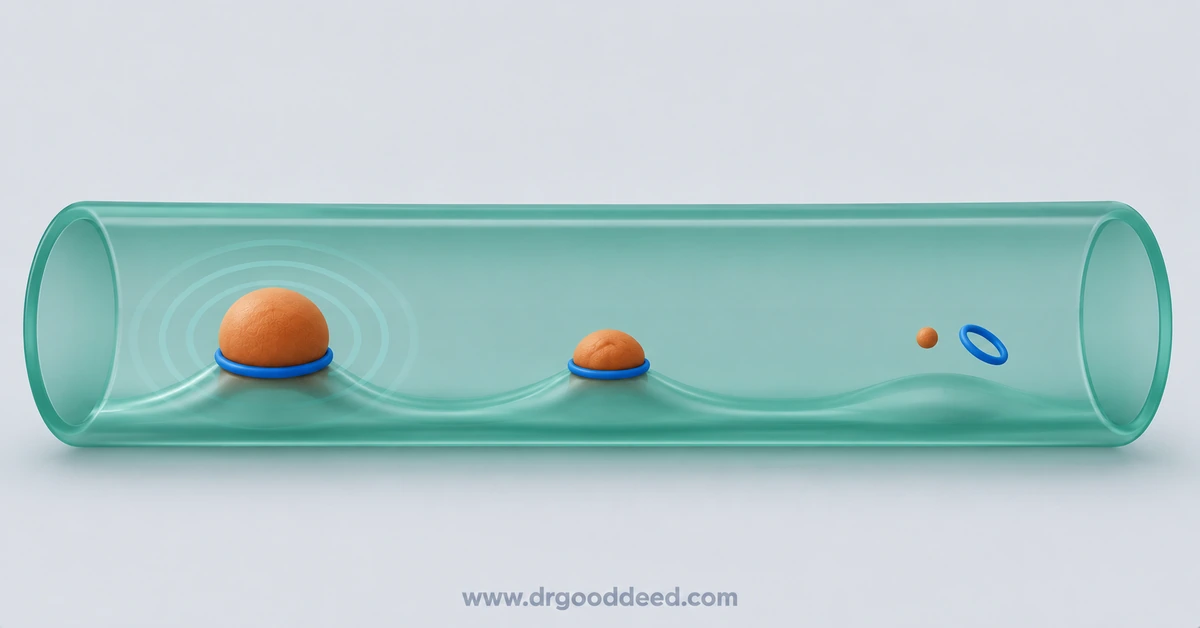
Hemorrhoid banding, also called rubber band ligation, is a treatment for internal hemorrhoids. A doctor places a small rubber band around the base of the hemorrhoid to cut off its blood supply. The tissue then shrinks and eventually falls off.
Key Takeaways
- Pain after hemorrhoid banding is usually a mild ache or pressure that fades within several days; severe or worsening pain needs urgent care.
- The treated tissue usually falls off within about a week (Mayo Clinic, 2025). Mild bleeding may occur during recovery.
- Warm sitz baths, fiber-rich foods, plenty of fluids, and avoiding straining can help ease discomfort.
- Severe or increasing pain, fever, chills, difficulty passing urine, or heavy bleeding may indicate a complication.
- Seek immediate medical attention for serious symptoms. Call 911 if you pass out, feel as though you may pass out, or experience shortness of breath.
Is Pain After Hemorrhoid Banding Normal?
Yes, mild pain after hemorrhoid banding is normal, and it often feels like pressure, fullness, or a constant urge to have a bowel movement.
During the first few days, you may notice:
- A dull ache or mild discomfort around the anus.
- Pressure or fullness in the lower abdomen.
- An urge to pass stool when there is no need.
- Mild discomfort when sitting down or moving around.
- A small amount of bleeding.
These symptoms should gradually improve over a few days. The Cleveland Clinic (2025) notes that some patients experience mild discomfort or a feeling of fullness after the procedure.
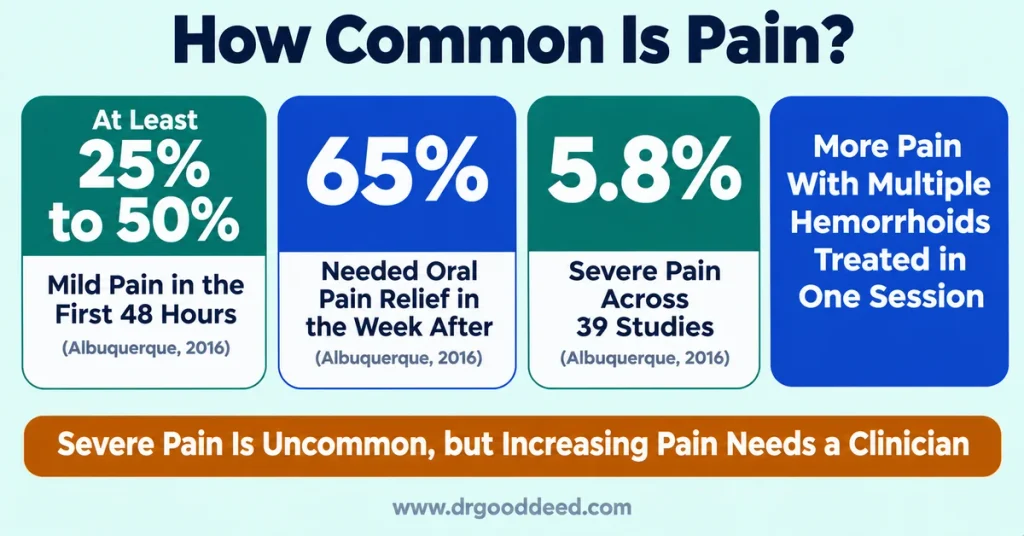
The number of bands placed during the procedure may also affect discomfort. A 2016 review found that patients who had multiple hemorrhoids treated in one session experienced more pain. The same review reports mild pain in at least 25% to 50% of patients in the first 48 hours, and 65% needed oral pain relief in the week after (Albuquerque, 2016).
The feeling of fullness in the lower abdomen may be related to the procedure and the pressure caused by the bands. This is a separate question from whether hemorrhoids cause stomach pain on their own.
How Long Does Hemorrhoid Banding Pain Last?
Hemorrhoid banding pain usually improves within a few days. You may feel the most discomfort during the first 24 to 48 hours (Albuquerque, 2016), followed by gradual improvement.
The treated tissue generally shrinks and falls off within about a week (Mayo Clinic, 2025). You may notice some mild bleeding as this happens.
Table: Hemorrhoid banding recovery timeline
| Time after banding | What you may experience |
| First 24 to 48 hours | Mild pain, pressure, fullness, or an urge to pass stool. These symptoms should gradually improve. |
| 3 to 7 days | Pain usually becomes less noticeable. The treated tissue may begin to shrink and fall off. |
| Around 1 week | The treated tissue often falls off. Some mild bleeding may occur. |
| 7 to 14 days | Delayed bleeding may occur in some patients. Contact your clinician if bleeding is heavy. |
| After 2 weeks | Most people should be recovering well. Speak to a healthcare professional if pain continues or returns. |
The timing of bleeding can vary. The Mayo Clinic (2025) reports that bleeding may occur 2 to 4 days after the procedure, while the 2016 Albuquerque review discusses secondary bleeding around 10 to 14 days afterward. These timeframes come from different sources and should not be treated as a guarantee of when bleeding will occur.
Do not assume that bleeding is harmless because it happens during recovery. Contact your healthcare professional if you are concerned about the amount or timing of bleeding.
Recovery can also vary depending on the number of hemorrhoids treated and your individual circumstances. You can read more about how long hemorrhoids last.
Why Hemorrhoid Banding Hurts More for Some People
Everyone experiences pain differently. Although mild discomfort is common, certain factors may make pain after hemorrhoid banding more noticeable.
Possible reasons include:
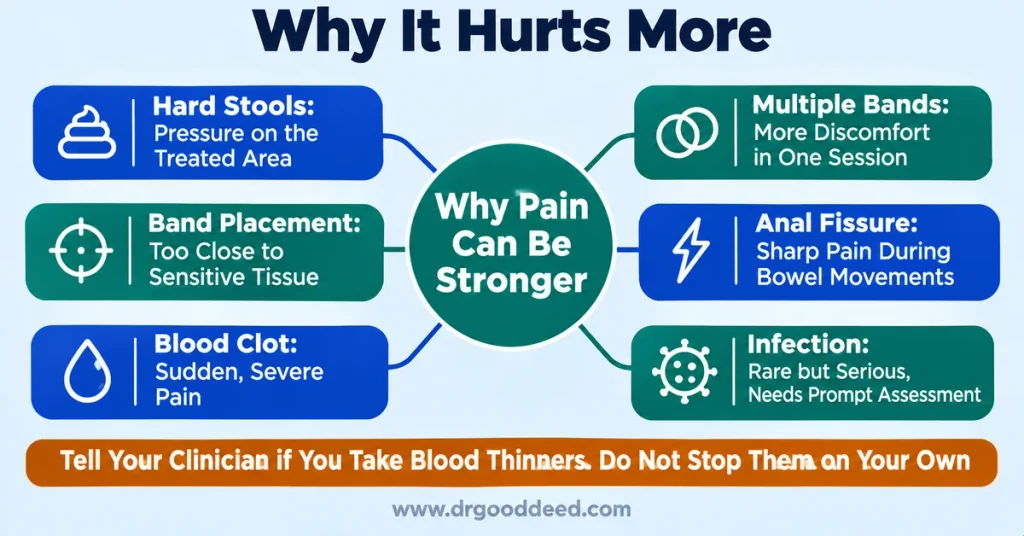
- Hard stools: Passing hard stools can put pressure on the treated area and make discomfort worse.
- Multiple bands: Treating several hemorrhoids during one session may cause more discomfort.
- Band placement: A band placed too close to sensitive tissue may cause significant pain.
- Anal fissure: A small tear in the lining of the anus can cause sharp pain, especially during bowel movements.
- Blood clot: A clot near the anus, sometimes called a thrombosed hemorrhoid, can cause sudden and severe pain.
- Infection: This is a rare but potentially serious complication. Increasing pain, fever, swelling, or difficulty passing urine needs immediate medical assessment.
Severe pain, bleeding, blood clots, urinary retention, and infection are recognized complications of rubber band ligation. Severe pain is considered uncommon. Across 39 studies, the 2016 Albuquerque review puts severe pain at 5.8%.
If you take blood-thinning medication, tell your clinician before the procedure. The 2016 review identifies a higher risk of delayed bleeding in patients taking these medicines. Do not stop or change any prescribed medication without medical advice.
Patients with HIV or Crohn’s disease may need an individual assessment before treatment, as the 2016 Albuquerque review treats them as higher-risk groups.
Normal Pain vs Warning Signs After Banding
Mild pressure, fullness, and aching are usually part of recovery. However, severe or increasing pain, fever, difficulty passing urine, or heavy bleeding may indicate a complication.
Table: Normal pain vs warning signs after banding, and what to do
| Symptom | What it may mean | What to do |
| Mild pressure, fullness, or an urge to pass stool | Common discomfort after the procedure. | Monitor your symptoms and follow your aftercare instructions. |
| Mild aching pain | Expected during recovery. | Continue with your recommended aftercare. |
| Throbbing or severe pain | May be related to band placement, a blood clot, or another complication. | Contact your treating clinician for immediate assessment or go to the ER. |
| Fever, chills, or swelling with pain | May indicate an infection. | Go to the ER now. |
| Unable to pass urine | Urinary retention can occur as a complication. | Go to the ER now. |
| Leg pain or swelling | May indicate a blood clot. | Seek urgent medical assessment. If you also experience shortness of breath, call 911. |
| Heavy bleeding | May indicate significant bleeding. | Go to the emergency room. If you feel faint, pass out, or experience shortness of breath, call 911. |
| Feeling faint or experiencing shortness of breath | May indicate a serious problem. | Call 911. |
A rare but serious complication is pelvic sepsis, a severe infection in the pelvic area. The 2026 American Gastroenterological Association expert review discusses the importance of informing patients about this risk before the procedure. The American Society of Colon and Rectal Surgeons describes perineal sepsis as extremely rare (Guideline Central, 2026).
Doctor’s Tip: Pain that gets worse after initially improving is not the mild discomfort usually expected during recovery. If increasing pain occurs with fever or difficulty passing urine, seek immediate medical attention.
Bleeding After Hemorrhoid Banding: What to Expect
Bleeding after hemorrhoid banding is usually mild. It may happen as the treated tissue shrinks and falls off.
The timing can vary. The Mayo Clinic (2025) reports that bleeding may occur 2 to 4 days after the procedure, while the 2016 Albuquerque review discusses secondary bleeding around 10 to 14 days afterward. The treated tissue usually falls off within about a week.
Heavy bleeding is not something to ignore. Patients taking blood-thinning medication may have a higher risk of delayed bleeding. Do not stop or change any prescribed medication on your own. Contact the clinician who performed the procedure for advice.
If you notice bleeding three weeks after banding, contact your healthcare professional. Bleeding that continues after the treated area has healed should also be assessed.
Read more about whether hemorrhoids can cause cancer and why ongoing bleeding should not automatically be blamed on hemorrhoids.
How to Ease Pain After Hemorrhoid Banding
You can support recovery by keeping your stools soft and avoiding pressure on the treated area. Follow the aftercare instructions provided by your healthcare professional.
Here are some steps that may help:
- Take a warm sitz bath: Sitting in warm water may help reduce discomfort. Follow your clinician’s instructions about how often and how long to use a sitz bath.
- Eat fiber-rich foods: Fiber helps soften stools and makes bowel movements easier. Include more fiber-rich foods in your meals. Read our guide to the best foods for constipation.
- Drink plenty of fluids: Adequate fluid intake helps fiber work and supports softer stools.
- Avoid straining: Do not force a bowel movement. Straining can put extra pressure on the treated area.
- Do not sit on the toilet for too long: Go when you feel the urge and avoid prolonged sitting.
- Avoid heavy lifting: The Cleveland Clinic (2025) advises avoiding heavy lifting for at least two weeks. Your own instructions may differ, so follow the advice given by the clinician who performed your procedure.
- Ask about pain relief: Speak to your clinician about suitable pain relief based on your health and medical history.
- Do not try to remove the band or treated tissue: Allow the tissue to fall off naturally. Contact your healthcare team if pain is not improving or your symptoms get worse.
When to See a Doctor After Hemorrhoid Banding
Contact your healthcare team if you experience severe or increasing pain, fever, chills, swelling, or difficulty passing urine. Heavy bleeding also needs prompt medical attention.
Go to the emergency room if you have heavy bleeding, severe or increasing pain, fever with chills, or an inability to pass urine. Call 911 if you pass out, feel as though you may pass out, or experience shortness of breath.
Contact your treating clinician if you have ongoing discomfort, new bleeding, or questions about your recovery. You can also visit urgent care or speak to your primary care doctor or gastroenterologist if you need further help with your symptoms.
When contacting your healthcare team, be ready to explain:
- When you had the banding procedure.
- How many bands were placed, if you know.
- Whether you take blood-thinning medication.
- When the pain started and whether it is getting better or worse.
- Whether you have noticed fever, swelling, bleeding, or difficulty passing urine.
A clinician may need to examine the area to identify the cause of severe pain. In some cases, a painful band may need to be removed by a member of the healthcare team. This decision should only be made by your treating clinician.
If pain after hemorrhoid banding gets worse instead of better, or comes with fever or trouble urinating, do not wait for your follow-up visit.
Frequently Asked Questions
How Long Does Hemorrhoid Banding Recovery Take?
Hemorrhoid banding recovery is usually quick, and many people return to regular activities right away or after a few days off. Mild discomfort may continue for several days. Avoid heavy lifting for the period recommended by your clinician, as aftercare instructions can vary.
What Are the Side Effects of Hemorrhoid Banding?
Common side effects include mild pain, pressure, minor bleeding, dizziness, and temporary difficulty passing urine. Less common but serious complications include heavy bleeding, severe pain, blood clots, and infection. Seek immediate medical attention if you experience severe pain, fever, or difficulty passing urine.
How Soon Can I Poop After Hemorrhoid Banding?
You can usually have bowel movements as normal after hemorrhoid banding. Try to go when you feel the urge, but avoid straining or sitting on the toilet for long periods. Eating fiber-rich foods and drinking plenty of fluids can help keep your stools soft during recovery.
How Long After Hemorrhoid Banding Can I Exercise?
Walking is usually fine after the procedure. However, your clinician may give you different advice about running, cycling, and weight training. Avoid heavy lifting for the period recommended in your aftercare instructions. Ask your clinician before returning to intense exercise, especially if you still have pain or bleeding.
Will the Next Banding Session Hurt?
A second banding session may feel different from the first. Doctors may treat only one or two hemorrhoids at a time, so some people need more than one session. Tell your clinician how you felt during the previous procedure so they can plan your care. Read more about whether hemorrhoids go away after treatment.
Sources
Cleveland Clinic, Hemorrhoid Banding (Rubber Band Ligation): Procedure and Recovery (2025). link
Mayo Clinic, Hemorrhoids: Diagnosis and Treatment (2025). link
National Institute of Diabetes and Digestive and Kidney Diseases, Treatment of Hemorrhoids. link
World Journal of Gastrointestinal Surgery, Rubber Band Ligation of Hemorrhoids: A Guide for Complications (Albuquerque, 2016). link
Guideline Central, Comparing Current ASCRS and AGA Hemorrhoids Guidelines (2026). link
University of Iowa StayWell, Hemorrhoids: Rubber Band Ligation: Post-op. link
Medical Disclaimer: This article is for general information only and is not medical advice. It does not replace a diagnosis, treatment plan, or guidance from a qualified healthcare professional. Always talk to your doctor about your own symptoms and before starting, stopping, or changing any treatment. If you think you may be having a medical emergency, call 911 or go to your nearest emergency room.