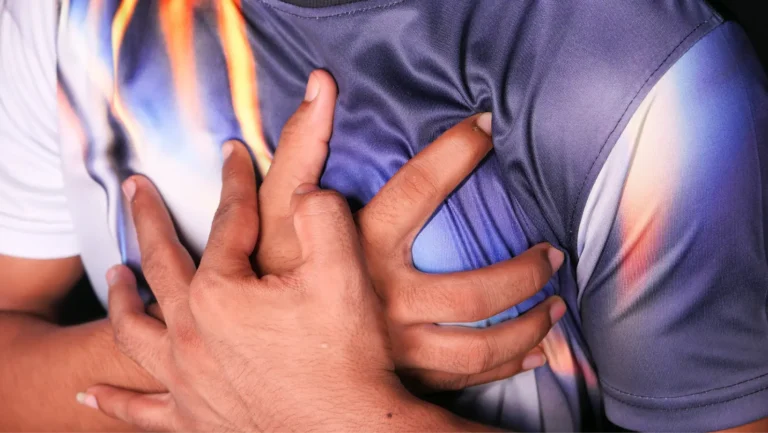

A heart attack can last anywhere from 15 minutes to several hours, depending on how fast the blocked artery gets treated. Doctors call this event a myocardial infarction. It happens when blood flow to part of the heart muscle stops, usually because of a clot sitting on top of built-up plaque inside a coronary artery. The clock starts the moment blood flow drops, and every minute without treatment adds more damage to heart tissue.
This guide walks through the full timeline of a heart attack, what causes a blocked coronary artery, causing heart attack symptoms, the warning signs to watch for, and exactly what to do during a heart attack while waiting for help to arrive.
Timeline of a Heart Attack
A heart attack doesn’t happen in a single instant. It builds over minutes to hours, moving through five distinct stages from the first plaque crack to the start of healing. Symptoms often begin mild and get worse. Heart muscle starts dying within 20 to 40 minutes of a complete blockage if no blood reaches it, which is why speed matters more than almost anything else in cardiac care.
Plaque Rupture and Clot Formation
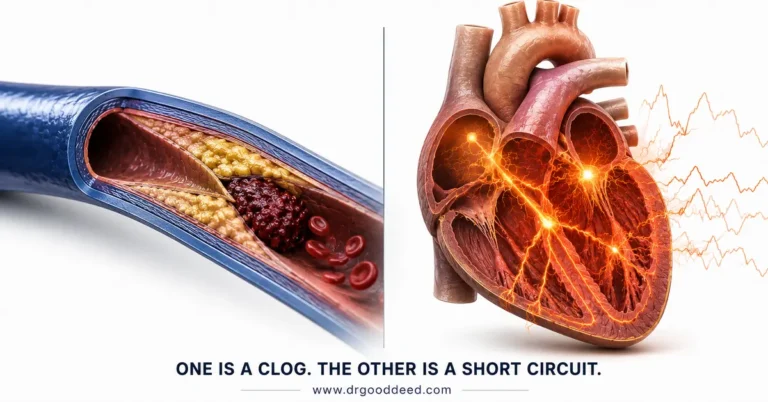
Inside the artery wall, fatty plaque can crack open without warning. The body reacts to this crack the same way it reacts to a cut on skin: it sends platelets to patch it. Those platelets clump together fast, and within minutes a blood clot forms right on top of the rupture. This clot is what actually blocks blood flow, not the plaque itself.
Partial or Complete Coronary Artery Blockage
The clot can partially block the artery or seal it shut completely. A partial block causes what’s known as an NSTEMI, a slightly less severe heart attack. A complete block causes a STEMI, the more dangerous and fast-moving type. Blood flow drops within seconds of the blockage forming, and oxygen-starved heart cells begin sending pain signals almost immediately.
Progressive Heart Muscle Damage
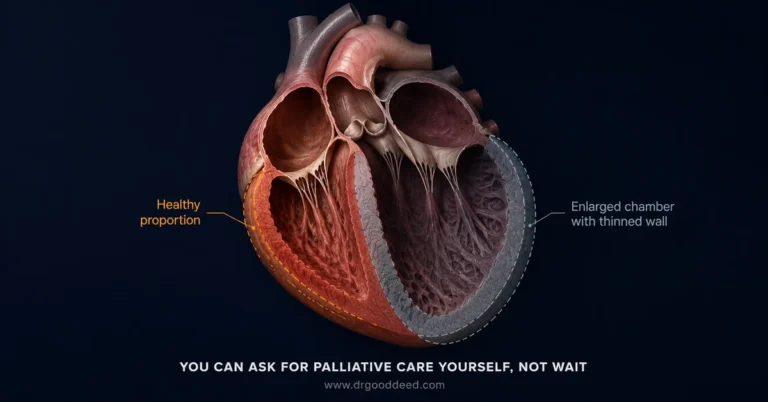
Heart cells need constant oxygen to survive. Once blood flow stops, cells in the affected area start dying within 20 to 40 minutes. Damage spreads outward from the inner heart wall to the outer layers over the next several hours if the blockage isn’t cleared. This is the stage where every minute of delay increases the size of the eventual scar.
Emergency Medical Treatment
Hospitals aim to open a blocked artery within 90 minutes of a patient’s arrival through a procedure called percutaneous coronary intervention, or PCI. This 90-minute “door-to-balloon” target comes from the American Heart Association and American College of Cardiology.
A 2021 American Heart Association study found that shaving 60 minutes off the time between symptom onset and treatment cut the one-year risk of death or heart failure hospitalization by 11%. Getting to the hospital fast matters more than the last few minutes saved once you’re already there.
Recovery and Healing
Once blood flow returns, the body starts replacing dead heart cells with scar tissue over the following six to eight weeks. This scar can’t contract like healthy muscle, so the heart may pump less efficiently afterward. Cardiac rehab, medication, and lifestyle changes over the following months help the remaining healthy muscle work more efficiently and lower the risk of a second event.
Blocked Coronary Artery Causing Heart Attack
A blocked coronary artery causing heart attack symptoms is almost always the result of atherosclerosis, a slow buildup of fatty plaque inside artery walls that develops over years or even decades before it ever causes a problem. The blockage itself, though, can form in minutes once a piece of that plaque breaks open.
Atherosclerosis and Plaque Build-Up
Cholesterol, fat, and calcium collect along artery walls over time, forming plaque. This buildup narrows the artery gradually, often without any symptoms at all. Many people carry significant plaque for 20 or 30 years before a single piece breaks loose and triggers a blocked coronary artery, causing a heart attack.
Formation of Blood Clots
When plaque ruptures, the body’s clotting system reacts within seconds. Platelets rush to the site and stick together, and clotting proteins reinforce the plug. A clot large enough to block the artery can form in under five minutes, faster than most people can even recognize that something is wrong.
Loss of Oxygen Supply to the Heart
Once the artery is blocked, the section of heart muscle downstream loses its oxygen supply almost instantly. This is called ischemia. Without oxygen, heart cells switch to an emergency energy system that fails within minutes, which is why chest pain from a heart attack tends to feel different from ordinary muscle soreness: it’s a signal of cells actively running out of fuel.
Common Symptoms of a Heart Attack
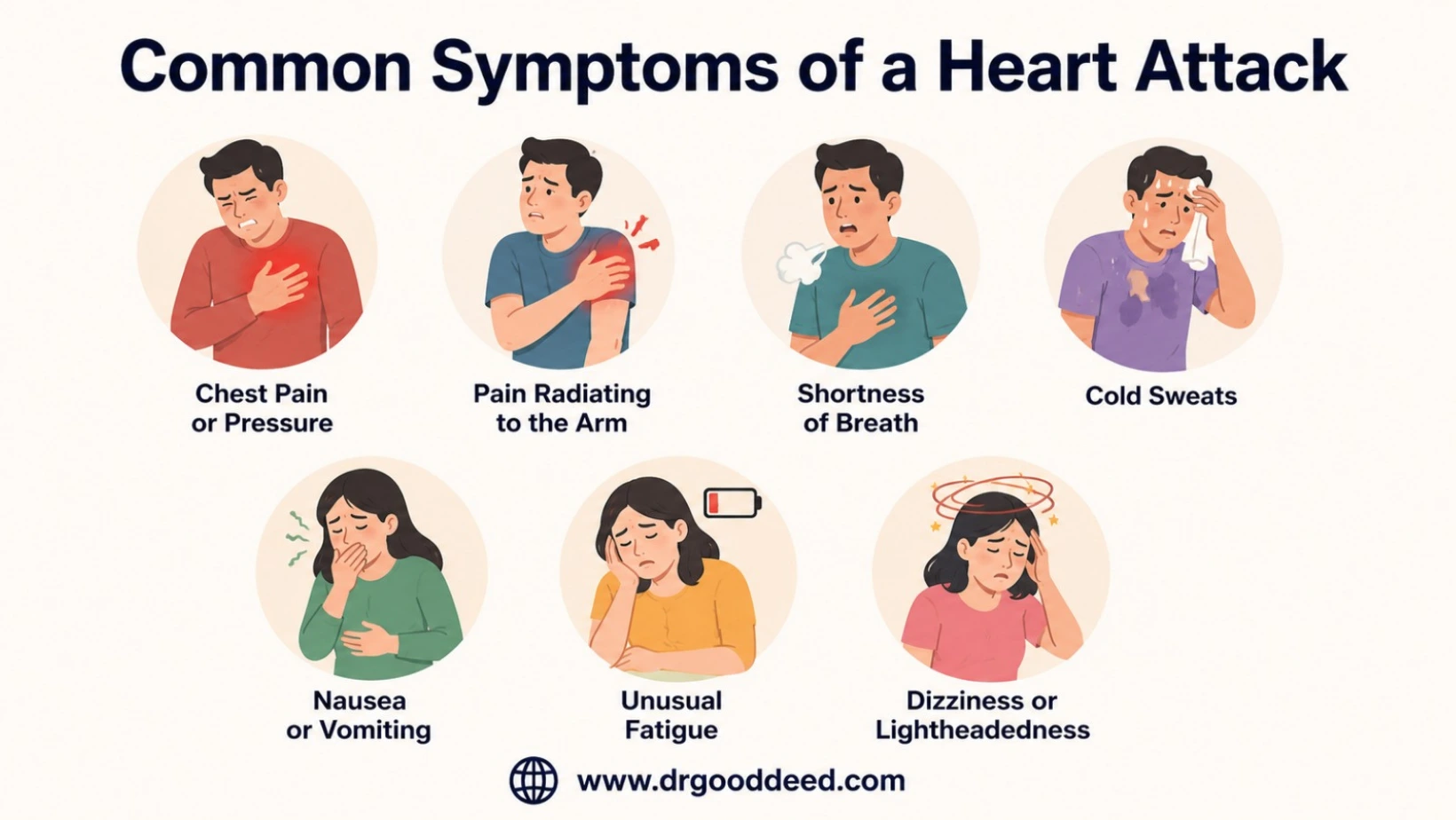
Symptoms vary by person, but certain patterns show up again and again in emergency rooms across the country. Recognizing them early shortens the time between symptom onset and treatment, which directly limits how much heart muscle gets damaged.
Chest Pain or Pressure
Most people describe a squeezing, pressure, or tightness in the center of the chest. It often lasts more than a few minutes or goes away and returns. This is the single most common symptom, reported in roughly 90% of heart attack cases.
Pain Radiating to the Arm, Jaw, Neck, or Back
Pain frequently spreads beyond the chest. The left arm is the classic location, but jaw pain, neck tightness, and upper back pain are just as real and just as urgent.
Shortness of Breath
Breathlessness can show up with chest pain or completely on its own, especially in older adults and people with diabetes. It happens because the heart can’t pump enough blood to meet the body’s oxygen demand.
Cold Sweats
A sudden cold sweat with no clear cause, like heavy exercise or a warm room, is a strong warning sign. It’s triggered by the nervous system’s stress response to the heart’s oxygen shortage.
Nausea or Vomiting
Stomach upset during a heart attack is common, particularly in women. It’s frequently mistaken for food poisoning or the flu, which delays people from seeking care.
Unusual Fatigue
Some people feel an overwhelming tiredness for days before a heart attack, especially women. This fatigue doesn’t improve with rest the way normal tiredness does.
Dizziness or Lightheadedness
A drop in blood pressure or an irregular heartbeat during a heart attack can cause sudden dizziness. Combined with any other symptom on this list, it’s a signal to call 911 right away.
Risk Factors for Heart Attack
Certain conditions and habits raise the odds of a heart attack significantly. Some can be changed, others can’t. Here’s how the major risk factors for heart attack break down:
| Risk Factor | Category | Why It Matters |
| High LDL cholesterol | Modifiable | Speeds up plaque buildup in arteries |
| High blood pressure | Modifiable | Damages artery walls over time |
| Smoking | Modifiable | Doubles heart attack risk compared to non-smokers |
| Type 2 diabetes | Modifiable | Damages blood vessels and raises clotting risk |
| Obesity | Modifiable | Linked to high blood pressure and diabetes |
| Family history | Non-modifiable | Genetics affect cholesterol handling and plaque formation |
| Age (men 45+, women 55+) | Non-modifiable | Arteries stiffen and narrow with age |
| Chronic stress | Modifiable | Raises blood pressure and inflammation |
Among these, smoking and diabetes carry some of the highest individual risk increases. The CDC reports that people with diabetes are roughly twice as likely to develop heart disease as those without it. Managing even two or three of these risk factors for heart attack through medication and daily habits meaningfully lowers overall risk over time.
What to Do During a Heart Attack
Knowing what to do during a heart attack in the first few minutes can directly affect how much heart muscle survives. Fast, calm action beats waiting to see if symptoms pass.
Call Emergency Medical Services Immediately
Dial 911 the moment symptoms start. Don’t drive yourself or wait to see if the pain fades. Paramedics can begin treatment in the ambulance, which saves critical time before you even reach the hospital.
Stop Physical Activity
Sit or lie down right away. Physical exertion forces the heart to work harder, which worsens oxygen shortage in the affected area.
Chew Aspirin if Appropriate
If you’re not allergic and a doctor hasn’t told you otherwise, chewing a regular 325 mg aspirin can slow clot growth while help is on the way. Chewing works faster than swallowing whole.
Use Prescribed Nitroglycerin if Available
If you have a nitroglycerin prescription for chest pain, take it as directed while waiting for EMS. It widens blood vessels and can ease chest discomfort temporarily.
Stay Calm While Waiting for Help
Panic raises heart rate and blood pressure, adding more strain on an already struggling heart. Slow, steady breathing helps keep things from getting worse.
Begin CPR if the Person Becomes Unresponsive
If someone loses consciousness and stops breathing normally, start hands-only CPR immediately. Push hard and fast in the center of the chest, about 100 to 120 compressions per minute, until paramedics take over.
FAQs
How long do heart attack symptoms last?
How long heart attack symptoms last varies, but most cases run 15 minutes to several hours. Symptoms lasting more than 20 minutes without relief always require emergency care, not a wait-and-see approach.
Can a heart attack last for hours?
Yes. Without treatment, a heart attack can last several hours while heart muscle continues to die. Treatment within 90 minutes limits damage; delays beyond 6 hours often cause permanent, severe muscle loss.
Can heart attack symptoms come and go?
Yes. Symptoms can ease and return as clot size shifts inside the artery. This pattern often signals unstable angina progressing toward a full blockage, not a resolved problem.
What causes a heart attack?
A ruptured plaque triggers a blood clot that blocks a coronary artery. This blocked coronary artery causes a heart attack by cutting off oxygen to heart muscle within minutes.
What are the first signs of a heart attack?
Chest pressure, arm or jaw pain, cold sweats, and shortness of breath appear first in most cases. Women more often report fatigue and nausea as early signs instead.
What should I do during a heart attack?
Call 911 immediately, sit down, and chew aspirin if not allergic. Knowing what to do during a heart attack early prevents unnecessary delays that cost heart muscle.
How is a heart attack diagnosed?
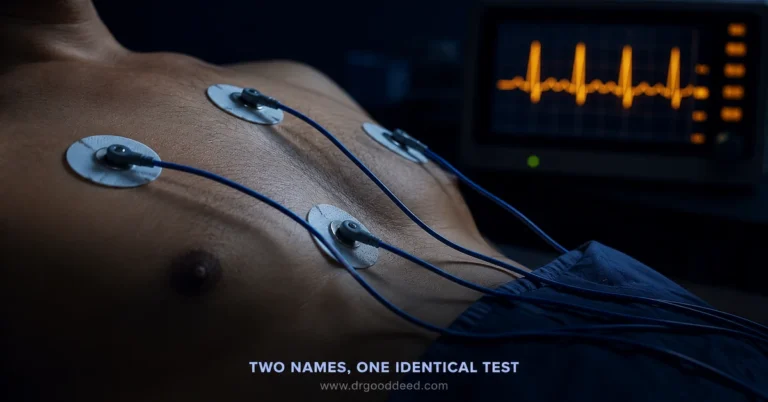
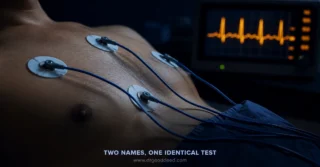
Doctors use an EKG, blood troponin tests, and sometimes a coronary angiogram. Troponin levels rise within 3 to 6 hours of muscle damage and confirm the diagnosis.
How quickly should a heart attack be treated?
Hospitals target a 90-minute door-to-balloon time for PCI. Every 60-minute delay from symptom onset raises one-year death or heart failure risk by roughly 11%.
Can women have different heart attack symptoms?
Yes. Women more often report nausea, fatigue, and back pain without classic chest pressure. This difference contributes to delayed diagnosis in women compared to men.
Sources
- American Heart Association: Acting Quickly After Heart Attack Symptoms Start
- Centers for Disease Control and Prevention: Heart Disease Facts
- American College of Cardiology / American Heart Association STEMI Guidelines
- Mayo Clinic: Heart Attack Symptoms and Causes
- National Heart, Lung, and Blood Institute: Heart Attack
- Door-to-Balloon Time and Mortality Among Patients Undergoing Primary PCI, NEJM
- American College of Cardiology: STEMI Care and D2B Standards
- CDC: Diabetes and Heart Disease Risk
- Prognostic Implications of Door-to-Balloon Time, Journal of the American Heart Association
- MedlinePlus: Heart Attack Overview