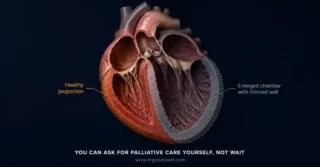

Dehydration affects your heart because blood is mostly water. When you lose too much fluid, your blood gets thicker and lower in volume, forcing your heart to work harder to push it through your body. This raises heart rate, drops blood pressure, and can trigger an irregular heartbeat. Mild fluid loss just makes you tired. Severe dehydration can strain your heart enough to cause real symptoms within hours.
How Dehydration Affects Your Heart
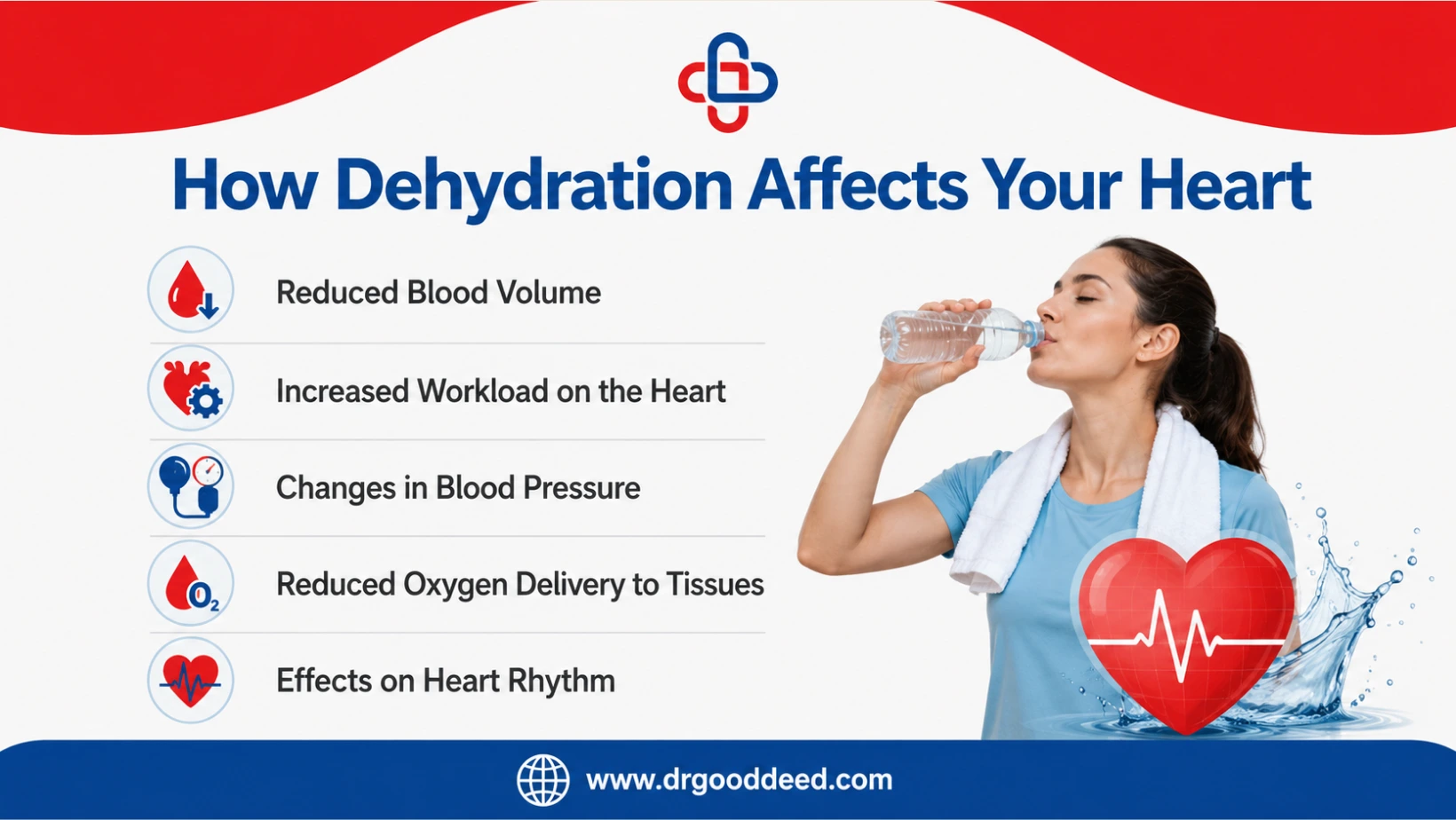
Water makes up about half of your blood. Lose enough of it, and your circulatory system changes fast. Doctors see this pattern often in ER patients with dizziness or a racing pulse, and fluid loss is the culprit more often than people expect. Here’s what happens inside your chest when your body runs low on water.
Reduced Blood Volume
When you sweat, vomit, or simply don’t drink enough, the fluid portion of your blood shrinks first. Less fluid means less total blood volume moving through your veins. Your heart then has less to pump with each beat, so it has to beat more often just to keep oxygen moving to your organs. This drop in volume is the starting point for how dehydration affects your heart in almost every case doctors see.
Increased Workload on the Heart
Thicker, lower-volume blood is harder to move. Your heart muscle picks up the slack by contracting faster and with more force. Over a single hot afternoon this isn’t dangerous for most healthy adults. Do it repeatedly, especially if you already have heart disease, and the extra strain adds up.
Changes in Blood Pressure
Fluid loss usually drops blood pressure because there’s simply less liquid pushing against your artery walls. Some people feel this as a head rush when standing up too fast. In rarer cases, severe dehydration triggers a stress response that spikes blood pressure temporarily before it crashes.
Reduced Oxygen Delivery to Tissues
Blood carries oxygen. When blood volume drops, oxygen delivery to your muscles, brain, and organs drops with it. This is part of why dehydrated people feel foggy, weak, or short of breath even when they haven’t done anything physically demanding. It’s also one more layer of how dehydration affects your heart and every organ it supplies.
Effects on Heart Rhythm
Dehydration doesn’t just speed up your heart, it can also throw off its rhythm. Water loss often drags sodium and potassium levels along with it, and these minerals control the electrical signals that keep your heartbeat steady. That’s a major piece of the effects of dehydration on the heart that most people never hear about until they’re the ones feeling their pulse skip.
Common Heart Symptoms Linked to Dehydration
The common heart symptoms linked to dehydration range from mildly annoying to genuinely alarming, and they often show up before you even feel thirsty. Below are the signs your heart sends out when your body is running dry..
Rapid Heartbeat
A resting heart rate that climbs past your normal baseline, sometimes over 100 beats per minute, is one of the earliest warning signs. It usually settles back down within an hour or two of proper rehydration.
Heart Palpitations
Dehydration causing heart palpitations is a common complaint in urgent care visits, especially during the summer months. You might feel a flutter, a hard thump, or a sense that your heart skipped a beat. This happens because low fluid and mineral levels disrupt the heart’s electrical signals.
Dizziness or Lightheadedness
Standing up and feeling the room tilt is a textbook sign that your blood pressure dropped from fluid loss. Your brain briefly gets less blood than it needs.
Low Blood Pressure
Numbers below 90/60 mmHg alongside dehydration symptoms usually mean your body needs fluids and, in some cases, electrolytes too.
Fatigue
Tiredness that doesn’t match your activity level is often the first thing people notice, days before they connect it back to their water intake.
Shortness of Breath During Activity
Simple tasks like climbing stairs suddenly feel harder because your heart and lungs are both compensating for reduced blood volume.
Feeling Faint
In more serious cases, blood pressure drops enough that your brain briefly loses adequate blood flow, and you feel like you might pass out. This is your body’s clearest signal to stop, sit down, and drink water immediately.
How to Rehydrate Safely for Heart Health
Knowing how to rehydrate safely for heart health matters just as much as recognizing the symptoms in the first place, because rehydrating the wrong way, too fast or with only plain water, can actually make electrolyte imbalances worse. The goal is steady, balanced fluid replacement. Here’s the safer approach, built around what doctors actually know about how dehydration affects your heart during recovery.
Drinking Water Gradually
Sip water steadily for an hour or two instead of drinking a large volume in one sitting. Gradual intake gives your kidneys time to balance fluid and sodium levels without overwhelming your heart.
Replacing Electrolytes When Needed
If you’ve lost fluid through heavy sweating, vomiting, or diarrhea, plain water alone won’t fully fix the problem. You need sodium and potassium back in the mix, which is exactly why dehydration-causing heart palpitations tends to improve faster with an electrolyte drink than water alone.
Oral Rehydration Solutions
For moderate dehydration from illness, oral rehydration solutions with a specific ratio of salt, sugar, and water absorb faster than water alone. They’re widely used for dehydration linked to stomach bugs and heat illness.
Hydrating During Exercise
Drink small amounts every 15 to 20 minutes during long or intense workouts rather than waiting until you’re thirsty. Thirst is a lagging signal, not an early one.
Avoiding Excess Alcohol
Alcohol increases urine output and pulls more fluid out of your body than it puts in. Pair any drinking with extra water, especially in hot weather.
Preventing Dehydration to Protect Your Heart
Preventing dehydration to protect your heart is far easier than treating it after symptoms show up, and it doesn’t require anything complicated. The effects of dehydration on the heart build up slowly, so small daily habits matter more than occasional big efforts.
Daily Fluid Intake
Most healthy adults need somewhere around 11 to 15 cups of total fluids a day, though this varies by body size, activity, and climate. Food contributes a portion of this too.
Hydration During Hot Weather
Heat increases fluid loss through sweat even when you’re not exercising. Increase your intake on hot days before you feel thirsty, not after.
Monitoring Urine Color
Pale yellow urine is a reliable sign of good hydration. Dark yellow or amber-colored urine usually means it’s time to drink more.
Eating Water-Rich Foods
Fruits and vegetables can supply a meaningful share of your daily fluid needs, which matters if you struggle to drink enough plain water.
Adjusting Fluid Intake During Illness
Fever, vomiting, and diarrhea all speed up fluid loss. Increase your intake during illness even if you don’t feel like drinking much.
Foods and Drinks That Support Hydration
Certain foods and drinks pull double duty by hydrating you while also replacing minerals your heart depends on. These options work well alongside plain water rather than replacing it entirely, and choosing them regularly is a practical way to manage how dehydration affects your heart over the long run.
Water
Still the simplest and most reliable choice for everyday hydration, with no added sugar or calories to worry about.
Fruits With High Water Content
Watermelon, oranges, and strawberries are all over 85% water by weight and provide potassium alongside fluid.
Vegetables Rich in Water
Cucumbers, lettuce, and celery are similarly high in water and add very few calories to your day.
Low-Sugar Electrolyte Drinks
These replace sodium and potassium lost through sweat without the heavy sugar load of standard sports drinks.
Coconut Water
Naturally rich in potassium, coconut water is a solid option after a sweaty workout, though it’s lower in sodium than dedicated electrolyte drinks.
FAQs
Why does dehydration increase heart rate?
Losing fluid shrinks your blood volume, so your heart beats faster to keep delivering enough oxygen with less blood available per beat.
Can dehydration cause low blood pressure?
Yes. Less fluid means less pressure pushing against artery walls, which is a direct and common part of how dehydration affects your heart.
Can dehydration trigger an irregular heartbeat?
Yes. Fluid loss disrupts sodium and potassium levels, and these minerals control the electrical signals behind a steady heartbeat, leading to dehydration causing heart palpitations.
Who is most at risk for dehydration-related heart problems?
Older adults, people with existing heart disease, athletes in hot climates, and anyone with vomiting or diarrhea face the highest risk.
How much water should I drink each day?
Roughly 11 to 15 cups of total fluids daily for most healthy adults, adjusted for body size, climate, and activity level.
Can dehydration increase the risk of heart attack?
Severe dehydration thickens blood and raises clotting risk, which can contribute to heart attack risk in people who already have narrowed arteries.
Are electrolyte drinks better than water for dehydration?
For heavy sweat loss or illness, yes. Electrolyte drinks replace sodium and potassium that plain water cannot, supporting how to rehydrate safely for heart health.
Can caffeine make dehydration worse?
Caffeine has a mild diuretic effect in large doses, but moderate coffee or tea intake doesn’t cause meaningful fluid loss in regular drinkers.
How can I prevent dehydration and protect my heart?
Drink fluids steadily through the day, increase intake during heat or illness, and watch urine color as your simplest, fastest check.