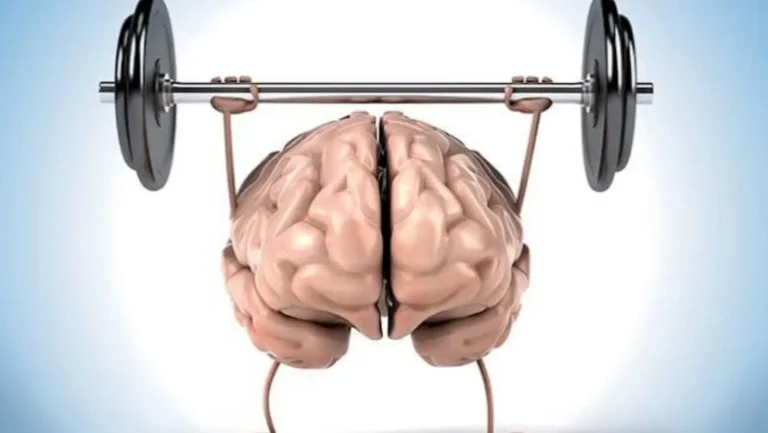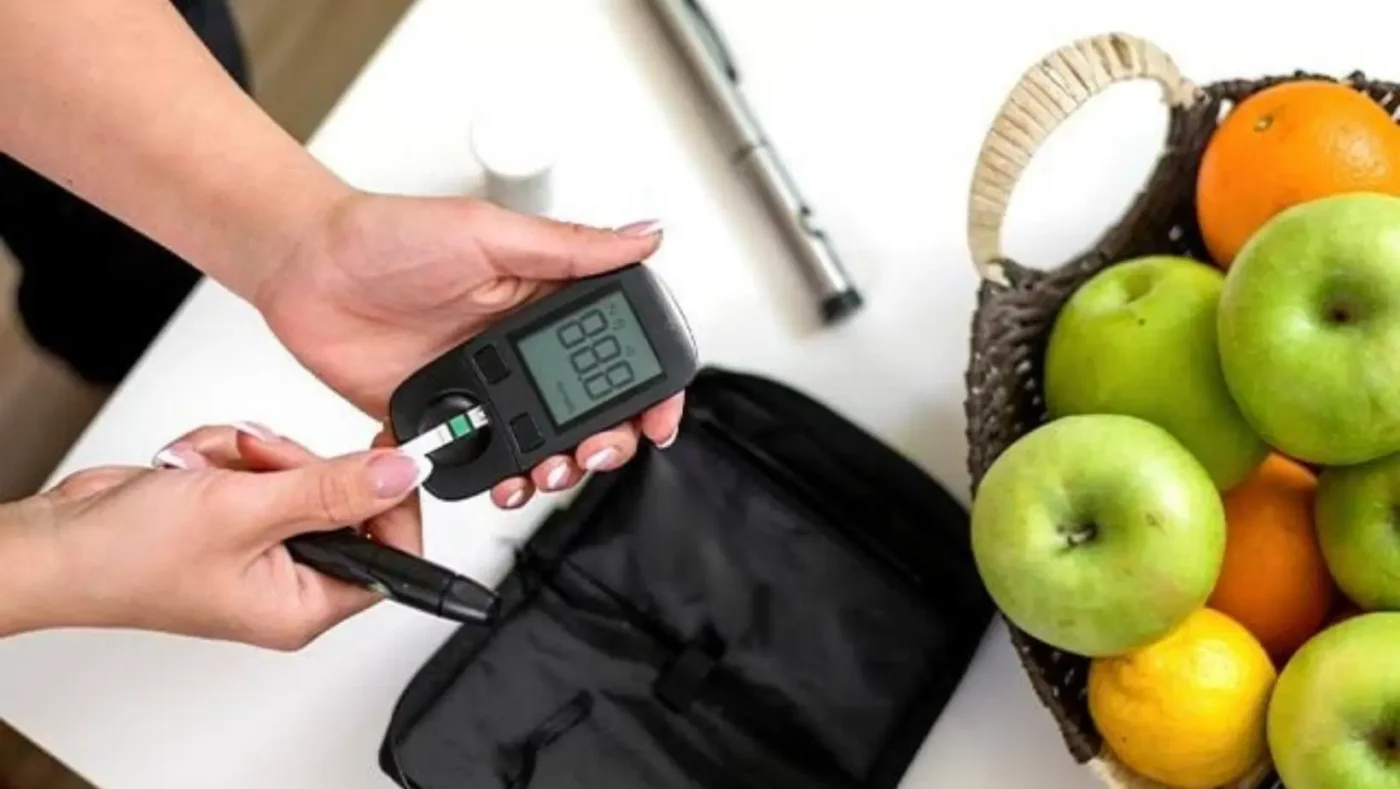

To improve insulin sensitivity, your cells need to respond better to insulin so blood sugar moves out of your bloodstream and into your muscles, fat, and liver more easily. This matters because insulin resistance is a root driver of type 2 diabetes, weight gain around the belly, and metabolic syndrome.
The main ways to improve insulin sensitivity are building muscle, losing visceral fat, eating fewer refined carbs, sleeping well, and moving your body after meals. Most people see real changes in fasting glucose and energy within four to twelve weeks of consistent effort.
What Is Insulin Sensitivity?
Insulin sensitivity is how well your body’s cells listen to insulin, the hormone your pancreas releases to move sugar out of your blood. When you have good insulin sensitivity, a small amount of insulin does the job well. When cells stop responding, your pancreas has to pump out more and more insulin just to keep blood sugar normal. That overworked state is called insulin resistance, and it’s the opposite of what you want.
Why Is Insulin Sensitivity Important?
Good insulin sensitivity keeps your blood sugar steady, protects your heart, and helps your body store fat in the right places instead of around your organs. Poor insulin sensitivity forces your pancreas to overwork itself, which over years can wear out the insulin-making cells and lead to type 2 diabetes, high triglycerides, and high blood pressure.
What Causes Low Insulin Sensitivity?
Several things push your body toward insulin resistance at the same time. It’s rarely just one cause.
- Carrying extra fat around your belly and organs (visceral fat)
- Low muscle mass or a sedentary lifestyle
- Diets high in refined sugar and processed carbs
- Poor sleep or irregular sleep schedules
- Chronic stress and high cortisol
- Certain medications, like steroids
- Genetics and family history of diabetes
Who Is at Risk of Insulin Resistance?
You’re more likely to develop insulin resistance if you’re overweight, over age 45, have a family history of type 2 diabetes, have prediabetes, or have a condition like PCOS (polycystic ovary syndrome). People who sit most of the day or sleep less than six hours a night also face higher risk, even if their weight looks normal.
How Do You Know If You Have Poor Insulin Sensitivity?
Most people don’t feel obvious symptoms early on, which is why blood tests matter. Warning signs can include constant tiredness after meals, sugar cravings, weight gain around the waist, dark skin patches on the neck or armpits (called acanthosis nigricans), and blood work showing high fasting glucose, high fasting insulin, or a rising A1C.
What Improving Insulin Sensitivity Actually Means
Improving insulin sensitivity is not just about cutting sugar from your coffee. It means training multiple organs, your muscles, liver, and fat tissue, to handle glucose better at the same time. Real progress comes from combining several small changes rather than chasing one perfect fix.
Insulin Resistance Is Not One Problem in One Organ
Insulin resistance shows up differently in different parts of the body. Your liver may keep releasing sugar when it shouldn’t. Your muscles may struggle to pull glucose in for storage. Your fat cells may leak fatty acids into the blood, which blocks insulin’s signal elsewhere. To truly reduce insulin resistance, you need to work on muscle, fat, and liver health together.
How to Improve Insulin Sensitivity Naturally
Real, lasting ways to improve insulin sensitivity come from five connected habits: building muscle, losing visceral fat, eating smarter carbs, sleeping better, and timing movement around meals.
1. Make Skeletal Muscle a Bigger Glucose Sink
Your muscles are the biggest storage site for blood sugar in your entire body, holding around 70 to 80 percent of the glucose you eat after a meal. Resistance training for insulin sensitivity works because it makes muscle cells pull in more glucose without needing as much insulin to do it. Lifting weights two to three times a week, even with bodyweight moves like squats and push-ups, builds this glucose-storing capacity over time.
2. Target Visceral and Ectopic Fat, Not Just Scale Weight
Visceral fat, the fat wrapped around your organs, is far more harmful to insulin sensitivity than fat under your skin. Fat that builds up inside the liver or pancreas, called ectopic fat, is especially damaging because it sits right where insulin needs to work. Losing even 5 to 7 percent of your body weight can shrink visceral fat noticeably, which supports insulin resistance and weight loss going hand in hand.
3. Build Meals Around Glucose Load and Metabolic Quality
An insulin resistance diet is about choosing carbs that release sugar slowly and pairing them with protein, fiber, and healthy fat. Foods that improve insulin sensitivity include beans, lentils, leafy greens, berries, oats, nuts, olive oil, and fatty fish. Cutting back on sugary drinks, white bread, and ultra-processed snacks makes the biggest difference of all, since these spike blood sugar the fastest.
| Choose More Often | Limit or Swap Out |
| Lentils, beans, chickpeas | White bread, pastries |
| Berries, apples with skin | Fruit juice, soda |
| Oats, quinoa, brown rice | Sugary cereal |
| Nuts, olive oil, avocado | Fried snack foods |
| Fatty fish, eggs, chicken | Processed deli meats |
4. Treat Sleep as a Metabolic Intervention
Sleep and insulin resistance are closely linked, and this connection is often left out of basic advice. Just one week of short sleep, five to six hours a night, can lower insulin sensitivity by a noticeable amount in healthy adults, similar to gaining several pounds of fat. Aim for seven to nine hours of consistent sleep, since your liver and muscles both process glucose better when your sleep is regular.
5. Stop Looking Only at What You Eat, Look at When You Move and Recover
Insulin sensitivity changes hour by hour, not just week by week. After a workout, your muscles pull in glucose more easily for up to 24 to 48 hours. Walking after meals, even for 10 to 15 minutes, blunts the blood sugar spike because your leg muscles use glucose right away without needing extra insulin.
On the flip side, one night of poor sleep or a full day of sitting can temporarily worsen how your body handles the next meal. Thinking of insulin sensitivity as something that shifts throughout your day, not a fixed trait, helps you use small windows of activity to your advantage.
How Long Does It Take to Improve Insulin Sensitivity?
Some benefits start fast. A single workout or a walk after a meal can improve glucose handling within hours. But measurable changes in fasting insulin, A1C, or a HOMA-IR score usually take four to twelve weeks of steady effort, and full reverse insulin resistance progress in people with prediabetes can take three to six months.
Factors That Affect Your Progress
- How much visceral fat you’re starting with
- Consistency of exercise and sleep, not just intensity
- Whether you have PCOS, sleep apnea, or another condition driving resistance
- Age and hormone status, since insulin sensitivity naturally drops with age
- Medications you may already be taking
How to Monitor Improvements
Track more than the scale. Waist circumference, energy levels after meals, and how quickly sugar cravings fade are useful daily signals. For lab tracking, ask your doctor about checking fasting glucose, fasting insulin, and A1C every three months while you’re actively working to improve insulin resistance.
Should You Test Fasting Insulin or HOMA-IR?
Fasting glucose alone can look normal even when insulin resistance is already present, because the pancreas compensates by making extra insulin. HOMA-IR, a simple math formula using fasting glucose and fasting insulin together, catches this hidden stage earlier. If you have belly fat, PCOS, or a family history of diabetes, ask your doctor whether a HOMA-IR test makes sense for you.
FAQs
How can I improve insulin sensitivity naturally?
You can improve insulin sensitivity naturally by strength training two to three times weekly, walking after meals, losing visceral fat, sleeping seven to nine hours, and cutting back on refined carbs and sugary drinks.
What foods improve insulin sensitivity?
Beans, lentils, oats, berries, leafy greens, nuts, olive oil, and fatty fish are proven foods that improve insulin sensitivity. They slow sugar release and lower the insulin spike compared to processed carbs.
How long does it take to improve insulin sensitivity?
Single workouts help within hours. Measurable lab changes in fasting insulin and A1C typically appear in four to twelve weeks of consistent effort, with fuller results by three to six months.
Can exercise reverse insulin resistance?
Yes. Regular exercise for insulin resistance, especially resistance training and walking after meals, directly improves how muscles absorb glucose and can meaningfully reverse insulin resistance in many people with prediabetes.
What are the signs of poor insulin sensitivity?
Common signs include belly fat gain, fatigue after meals, sugar cravings, dark neck or armpit skin patches, and lab results showing rising fasting glucose, high fasting insulin, or elevated A1C.