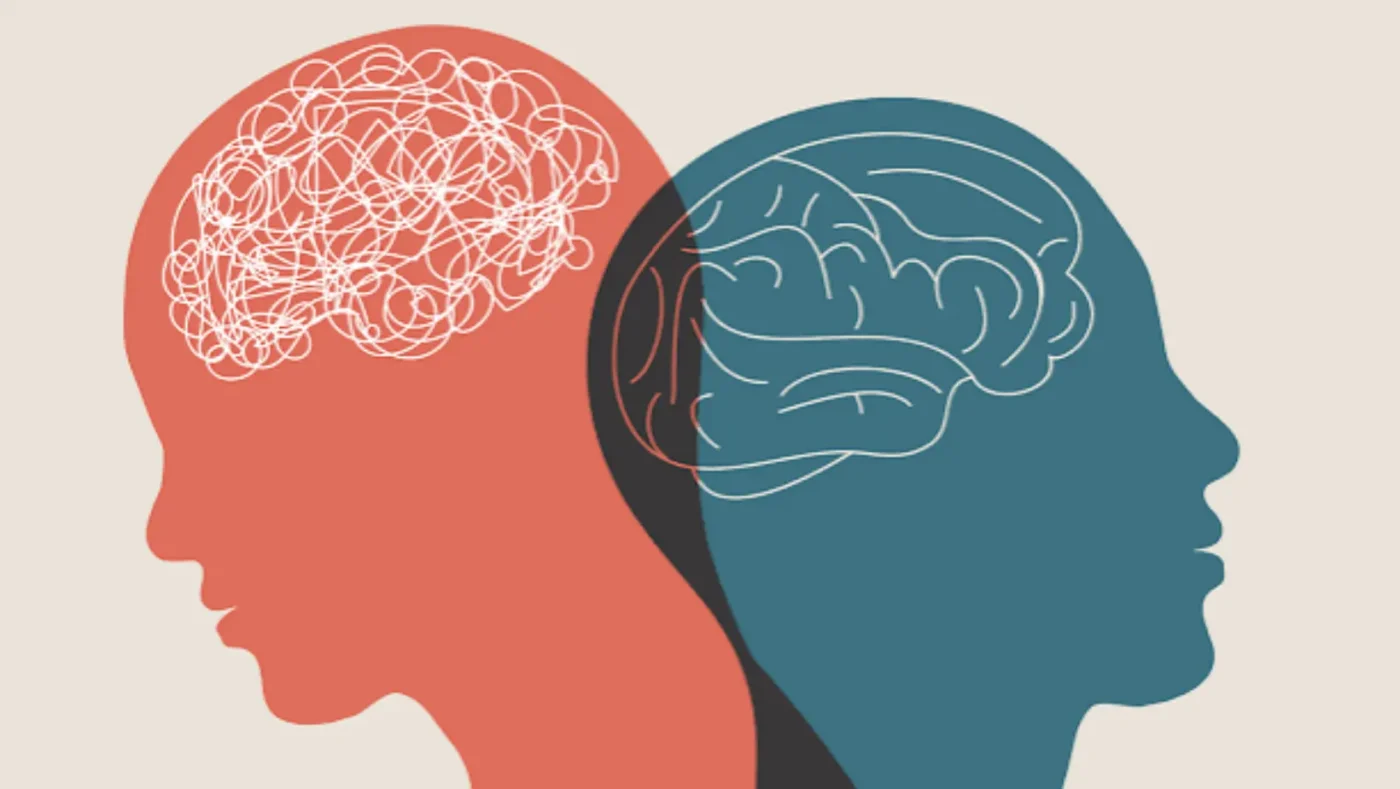

Mental health vs behavioral health comes down to scope. Mental health covers your thoughts, mood, and emotional well-being. Behavioral health is the wider term. The Substance Abuse and Mental Health Services Administration (SAMHSA) uses it to cover mental health, substance use, and the behaviors tied to both. In the USA, this distinction shapes how insurance plans, clinics, and providers organize care. This guide covers the exact difference, real examples, and the therapy options for each.
Mental Health vs. Behavioral Health: The Difference in One Minute
Mental health is one part of a larger picture. Behavioral health is the umbrella term that includes mental health, substance use, and daily habits that affect your body and mind together.
| Feature | Mental Health | Behavioral Health |
| Primary focus | Psychological and emotional well-being | Broader umbrella covering mental health, substance use, and behavior-related health |
| Includes | Thoughts, emotions, psychological functioning | Mental health conditions, substance use, behavior, and related services |
| Example | Depression affecting mood and motivation | Treatment addressing depression alongside alcohol misuse |
| Professionals | Psychologists, psychiatrists, therapists, counselors | Same professionals, plus addiction and substance-use specialists |
| Relationship | Part of overall health | Often used as a broader healthcare or service-system category |
These two terms are not separate branches of care. Their boundaries overlap constantly. SAMHSA itself defines behavioral health as work that spans mental health promotion, treatment of mental and substance use disorders, and recovery support. Some clinics use the terms interchangeably, so always check what a specific provider means by each one.
Difference Between Mental Health and Behavioral Health
The difference between mental health and behavioral health lies in what each term is built to describe. Mental health refers to a condition or state of mind. Behavioral health names the full system of care that responds to it, including habits and actions.
What Is Mental Health?
Mental health is your emotional, psychological, and social well-being. It shapes how you think, feel, and handle stress. Common symptoms of mental health disorders include ongoing sadness, excess worry, trouble concentrating, and sleep changes. Conditions like depression, anxiety, and bipolar disorder fall under this category.
What Is Behavioral Health?
Behavioral health covers mental health plus the behaviors and habits linked to it, especially substance use. Symptoms of behavioral health concerns often combine a mental health symptom with an action, such as drinking to cope with stress or skipping meals during a depressive episode. This term captures the connection between what you feel and what you do.
Mental Health vs. Behavioral Health: 4 Real-World Examples
Real cases make the mental health vs behavioral health split easier to picture. Each example below pairs a mental health symptom with the behavior that turns it into a behavioral health concern.
Example 1: Depression + Social Withdrawal
Depression is a mental health condition. Pulling away from friends and skipping work are the behaviors. A behavioral health approach treats the mood symptoms and the withdrawal pattern together, since one often feeds the other.
Example 2: Anxiety + Avoidance
Anxiety causes racing thoughts and physical tension. Avoiding places, people, or tasks because of that fear is the behavioral piece. Left untreated, avoidance tends to make anxiety worse over time, not better.
Example 3: Stress + Alcohol or Substance Use
Chronic stress is a mental health trigger. Drinking or using drugs to numb that stress is the behavioral response. SAMHSA data shows a large share of adults with a mental health condition also report substance use in the same year.
Example 4: Insomnia + Mental Health Symptoms
Insomnia often signals an underlying mental health issue, like anxiety or depression. Poor sleep then worsens mood and focus the next day. Treating only the sleep problem, or only the mood problem, tends to leave gaps in care.
Therapy for Mental Health Disorders
Therapy of mental health disorders usually targets thought patterns, emotional regulation, and relationships. A provider picks the approach based on your specific diagnosis and goals. Most plans combine one main therapy type with regular check-ins to track progress.
Cognitive Behavioral Therapy (CBT)
CBT helps you spot and change unhelpful thought patterns. It is one of the most researched treatments for depression and anxiety. Sessions usually include homework, like tracking thoughts between visits.
Dialectical Behavior Therapy (DBT)
DBT builds skills in distress tolerance and emotional control. It was originally designed for borderline personality disorder. It now helps people with intense mood swings or self-harm urges.
Interpersonal Therapy (IPT)
IPT focuses on relationship problems that affect your mood. It works well for depression tied to grief, conflict, or major life changes. Sessions often run for a set number of weeks.
Family Therapy
Family therapy brings loved ones into treatment sessions. It works well when family conflict fuels or worsens a mental health condition. It also helps relatives learn how to support recovery at home.
Medication When Appropriate
Medication is not required for every case, but it helps many people manage symptoms. A psychiatrist reviews your history before prescribing anything. Combining medication with therapy often works better than either one alone.
Therapy for Behavioral Health Conditions
Therapy for behavioral health conditions often blends mental health treatment with support for habits and substance use. Because these conditions frequently overlap, many programs treat both at once instead of sending patients to separate providers.
Behavioral Therapy
Behavioral therapy focuses on changing specific actions rather than only thoughts. It uses rewards and structured steps to build healthier routines. This approach is common in treating both substance use and compulsive behaviors.
Motivational Interviewing
This approach helps you find your own reasons for change. A counselor asks open questions instead of giving direct orders. It is widely used in early-stage substance use treatment.
Addiction Counseling
Addiction counseling targets the substance use side of behavioral health directly. Sessions often include triggers, cravings, and coping plans. Many programs combine this with medical support for withdrawal symptoms.
Group Therapy
Group therapy connects people facing similar behavioral health struggles. Hearing from others reduces shame and builds accountability. Many addiction recovery programs use group sessions as a core part of treatment.
Lifestyle Modification Programs
These programs target sleep, diet, exercise, and daily structure. Small changes in routine often reduce symptom severity over time. Providers may pair this with therapy rather than replace it.
Relapse Prevention
Relapse prevention teaches you to recognize early warning signs before a full setback happens. It includes a written plan for high-risk situations. This step is often the final phase of a treatment program, not an afterthought.
FAQs
Is behavioral health the same as mental health?
No. Mental health is one part of behavioral health. Behavioral health also includes substance use and behavior patterns, per SAMHSA’s official definition.
What conditions are considered behavioral health disorders?
Depression, anxiety, substance use disorder, eating disorders, and compulsive behaviors like gambling all fall under behavioral health, since each combines a mental symptom with an action.
Can someone have behavioral health issues without a mental illness?
Yes. Substance use disorder alone, without a diagnosed mental illness, still counts as a behavioral health condition under SAMHSA’s framework.
When should I seek professional help for mental health symptoms?
Seek help when symptoms last more than two weeks or disrupt work, sleep, or relationships. Thoughts of self-harm require immediate care.
Can lifestyle changes improve mental and behavioral health?
Yes. Regular sleep, exercise, and reduced substance use measurably lower symptom severity, based on multiple SAMHSA and clinical treatment studies.
Which healthcare professionals treat behavioral health conditions?
Psychiatrists, psychologists, licensed counselors, social workers, and addiction specialists all treat behavioral health conditions, often as part of one coordinated care team.
Can children have behavioral health disorders?
Yes. Children can be diagnosed with Serious Emotional Disturbance, a behavioral health classification for diagnosable conditions causing major functional impairment before age 18.
Are medications always necessary for mental health conditions?
No. Many mild to moderate cases respond well to therapy alone. Medication is added when symptoms are severe or therapy alone is not enough.
Sources
- SAMHSA: Behavioral Health
- SAMHSA: Co-Occurring Disorders and Other Health Conditions
- NCBI Bookshelf: Behavioral Health Needs in the United States
- National Institute of Mental Health: Mental Illness Statistics
- Mayo Clinic: Mental Illness Overview
- American Psychological Association: Cognitive Behavioral Therapy
- National Institute on Drug Abuse: Substance Use Disorder Treatment
- CDC: About Mental Health
- American Psychiatric Association: What Is Dialectical Behavior Therapy
- SAMHSA National Helpline