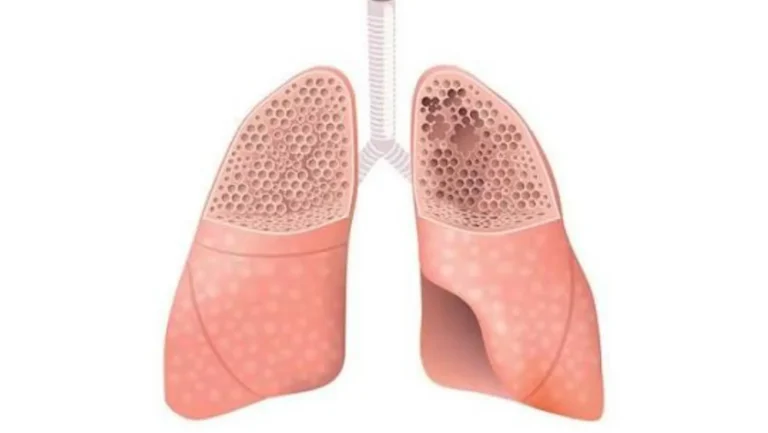

Asbestos can cause COPD. Long-term asbestos exposure is a recognized risk factor for COPD (chronic obstructive pulmonary disease), a condition marked by blocked airflow and lasting breathlessness. The American Thoracic Society lists asbestos as an agent that can cause COPD, alongside silica dust and welding fumes.
Asbestos exposure can also cause a separate disease, asbestosis, which scars the lungs instead of blocking the airways. Some workers end up with both conditions at once, especially if they also smoked. This guide breaks down how asbestos harms the lungs, how to tell COPD and asbestosis apart, what symptoms to watch for, and how doctors treat each one.
Link Between Asbestos Exposure and COPD
The link between asbestos exposure and COPD comes down to years of breathing in sharp mineral fibers that the lungs cannot break down or clear out. Researchers at the Department of Energy studied older construction and trade workers and found that asbestos exposure raised their odds of airway obstruction, the hallmark of COPD. Below is how that damage builds up over time.
Chronic Lung Inflammation
Asbestos fibers sit in the lungs for decades. The immune system keeps attacking them, and that ongoing fight causes chronic inflammation. Inflamed airway walls swell and narrow. Over years, this constant irritation is one reason asbestos can cause COPD among occupational medicine groups.
Airway Damage
Fibers scrape and irritate the lining of the bronchi, the lungs’ main air passages. The lining thickens and produces extra mucus to protect itself. Thicker, mucus-clogged airways trap air on exhale, which is exactly what happens in COPD.
Reduced Lung Function
Breathing tests on asbestos-exposed workers routinely show lower airflow scores than unexposed peers. This drop happens slowly, often over ten or twenty years. By the time someone notices they get winded on stairs, function has usually already dropped by a meaningful margin.
Combined Effects of Smoking and Asbestos
Smoking and asbestos do not just add their damage together, they multiply it. A worker who smokes and was exposed to asbestos faces a far steeper COPD risk than either exposure alone would predict.
Occupational Exposure Risks
Shipbuilders, pipefitters, insulation installers, and power plant workers face the highest exposure levels. Anyone who cut, sanded, or removed asbestos materials without a respirator before the 1980s was likely breathing in fibers daily. Home renovators working on pre-1980 buildings face a smaller but real risk too.
How Asbestos Affects the Lungs
Asbestos affects the lungs, starting the moment a fiber gets inhaled and ending, for some people, decades later with scarring or airway disease. The process is mechanical and biological at the same time, and it explains why asbestos-related illness takes so long to show up.
Inhalation of Asbestos Fibers
Asbestos fibers are thin enough to travel deep into the lungs, well past the point where the body’s natural filters can stop them. Once fibers reach the smallest air sacs, called alveoli, they usually stay there for life. The body cannot dissolve or fully remove them.
Lung Scarring (Fibrosis)
Trapped fibers trigger scar tissue formation, a process doctors call fibrosis. Scarred lung tissue is stiff and does not stretch the way healthy tissue does. This is the defining feature of asbestosis, separate from the airway narrowing seen in COPD.
Pleural Thickening
Fibers can migrate to the pleura, the thin lining around the lungs. This lining can thicken or form plaques, visible on chest X-rays and CT scans. Pleural thickening alone does not always cause symptoms, but it is a clear marker of past asbestos exposure.
Reduced Lung Capacity
As scarring spreads, the lungs physically hold less air. Patients notice they cannot take a full deep breath. This restrictive pattern shows up on lung function tests as a drop in total lung capacity, different from the obstructive pattern seen in COPD.
Long Latency Period
Asbestos-related lung disease usually takes 10 to 40 years to appear after exposure, according to the American Lung Association. Someone exposed on a job site in their twenties might not notice symptoms until their fifties or sixties. This long delay is why exposure history matters so much during diagnosis.
Can Someone Have Both COPD and Asbestosis?
Yes. A person can have both COPD and asbestosis at the same time, and it happens often in workers who were exposed to asbestos and also smoked. The two diseases attack the lungs differently; one blocks airflow, the other stiffens lung tissue, so a patient can have overlapping symptoms with two separate causes underneath. Doctors confirm both through a combination of imaging, breathing tests, and a detailed work history.
COPD vs. Asbestosis
| Feature | COPD | Asbestosis |
| Basic disease process | Chronic airflow obstruction | Lung fibrosis and scarring |
| Common causes | Smoking, long-term exposure to dusts, fumes, and pollutants | Asbestos exposure |
| Typical lung-function pattern | Mostly obstructive | Mostly restrictive |
| Major symptom overlap | Breathlessness, cough | Breathlessness, cough |
| Imaging role | Assesses airway damage and hyperinflation | Identifies scarring and pleural changes |
| Can coexist? | Yes | Yes |
COPD makes it hard to move air out of the lungs because the airways narrow and collapse early during exhalation. Asbestosis makes it hard to expand the lungs at all because the tissue itself has stiffened. Same symptom on the surface, breathlessness, but two different mechanical problems underneath.
Asbestos Exposure Symptoms
Asbestos exposure symptoms typically show up slowly and get mistaken for normal aging or seasonal allergies at first.
Shortness of Breath
Breathlessness during activities that used to feel easy, like climbing stairs or carrying groceries, is usually the first symptom people notice.
Persistent Dry Cough
A cough that will not go away, without mucus, and lasts for weeks or months points toward lung scarring rather than a passing cold.
Chest Tightness
Some people describe a squeezing or heavy feeling in the chest, especially after physical activity or exposure to cold air.
Fatigue
Lungs working harder to move air pull more energy from the rest of the body. Ongoing tiredness that does not improve with rest is a common early sign.
Crackling Sounds During Breathing
Doctors often hear a dry, crackling sound through a stethoscope, similar to the sound of Velcro pulling apart. This is a classic finding in asbestosis specifically.
Clubbing of the Fingers (Advanced Disease)
In more advanced cases, fingertips widen and nails curve downward, a sign called clubbing. This points to long-term low oxygen levels and usually means the disease has progressed significantly.
Treatment for Asbestos-Related Lung Disease
There is no cure that reverses asbestos-related lung damage. Treatment for asbestos-related lung disease instead focuses on slowing progression, easing symptoms, and protecting the lungs from further harm.
Smoking Cessation
Quitting smoking is the single most effective step a patient can take. It slows further lung damage more than any medication currently available.
Bronchodilator Medications
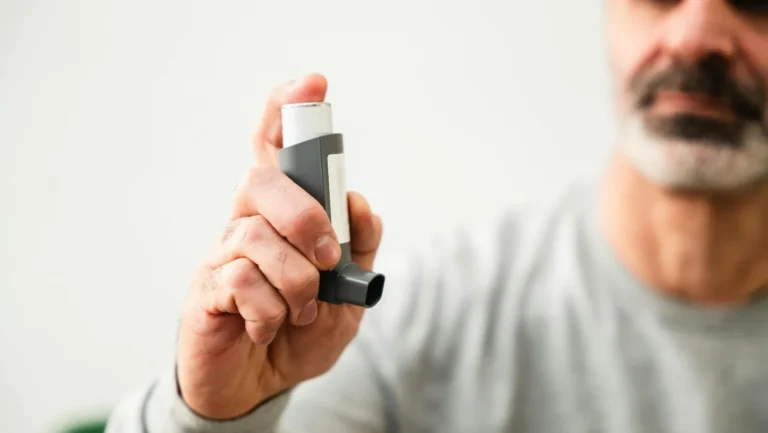
For patients whose lungs also show airway obstruction, inhaled bronchodilators relax airway muscles and make breathing easier. These are standard COPD medications and are prescribed when both conditions overlap.
Pulmonary Rehabilitation
Structured exercise and breathing training programs help patients build stamina and use their remaining lung capacity more efficiently. Most programs run for several weeks under medical supervision.
Oxygen Therapy
When blood oxygen levels drop too low, supplemental oxygen keeps organs supplied and reduces strain on the heart. Many patients use it during activity, sleep, or both.
Vaccinations
Doctors recommend yearly flu shots and pneumonia vaccines for patients with asbestos-related lung disease, since a respiratory infection can be far more dangerous for already-damaged lungs.
Lung Transplant (Selected Cases)
For a small number of patients with severe, advanced disease, a lung transplant is the only option left to restore real lung function. It is reserved for cases that have exhausted every other treatment.
FAQs
What diseases are caused by asbestos exposure?
Asbestosis, mesothelioma, lung cancer, pleural plaques, and increased COPD risk. NIOSH confirms asbestos causes cancer and asbestosis; COPD risk rises mainly with smoking combined with exposure.
How does asbestos affect the lungs?
Fibers lodge permanently in lung tissue, triggering inflammation, scarring (fibrosis), and pleural thickening. This process reduces lung capacity and can also narrow airways over years.
How is asbestos-related lung disease diagnosed?
Through a documented exposure history, chest X-ray or CT scan showing scarring or plaques, and breathing tests. A bronchoscopy is sometimes used to confirm the diagnosis.
Is asbestos-related lung damage reversible?
No. Scarring from asbestosis is permanent. Treatment only slows progression and manages symptoms; it cannot restore lung tissue that has already scarred.
Can asbestos exposure increase the risk of lung cancer?
Yes. NIOSH confirms asbestos exposure directly increases lung cancer risk, and that risk multiplies sharply in people who also smoke.
How long does it take for asbestos-related symptoms to appear?
10 to 40 years after exposure, per the American Lung Association. Most people exposed on the job in their 20s notice symptoms in their 50s or 60s.
Who is most at risk of asbestos exposure?
Shipyard workers, pipefitters, insulation installers, power plant employees, and construction workers in pre-1980 buildings face the highest documented exposure levels.
How can asbestos exposure be prevented?
Avoid disturbing asbestos materials in pre-1980 buildings. Hire certified asbestos professionals for removal, and use respirators in any job with known or suspected exposure.
Sources
- ATS: Diagnosis and Initial Management of Nonmalignant Diseases Related to Asbestos, American Thoracic Society, 2004
- Dement et al., Airways Obstruction Among Older Construction and Trade Workers at DOE Nuclear Sites, American Journal of Industrial Medicine, 2010
- NIOSH: Asbestos Fibers and Other Elongate Mineral Particles
- American Lung Association: Asbestosis Symptoms and Diagnosis
- American Lung Association: Treating and Managing Asbestosis
- Mayo Clinic: Asbestosis, Symptoms and Causes
- Cleveland Clinic: Asbestosis, Causes, Symptoms, Diagnosis and Treatment