
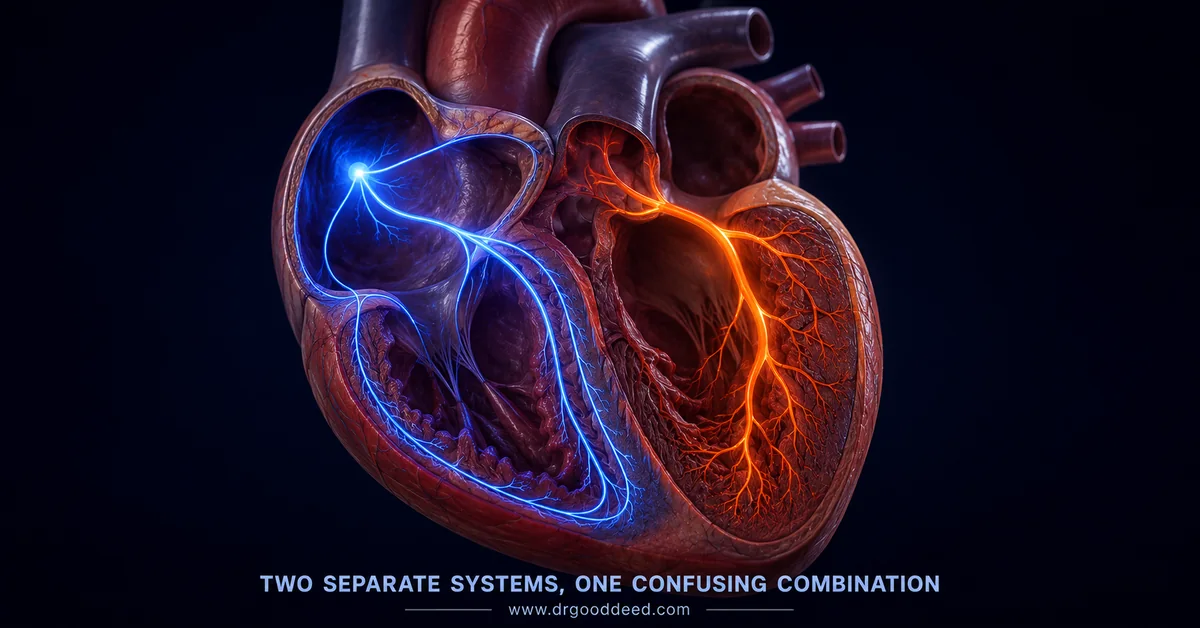

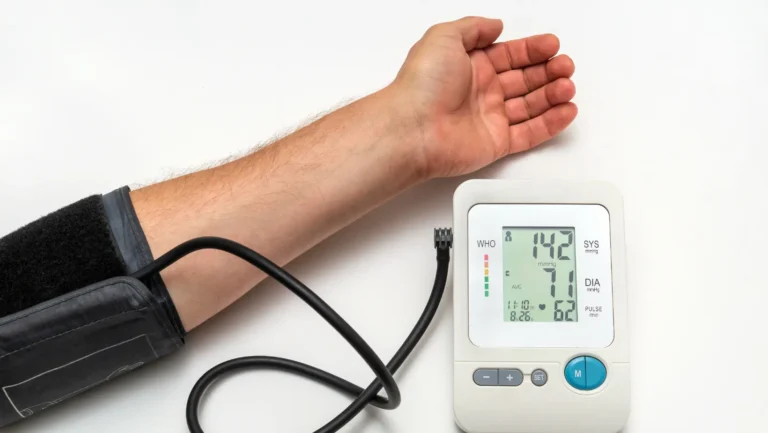
You have high blood pressure but a low pulse because blood pressure and heart rate are controlled by two separate systems in your body. Blood pressure measures the force of blood against your artery walls. Pulse counts how many times your heart beats per minute. One does not automatically follow the other, so a reading like 150/95 with a pulse of 55 is medically possible and not always a red flag.
This pairing shows up often in older adults and in anyone taking blood pressure medication. Doctors call a slow pulse “bradycardia,” generally under 60 beats per minute in adults. High blood pressure, or hypertension, is a reading at or above 130/80 under current U.S. guidelines. The link between pulse and blood pressure is not fixed, and knowing why you have high blood pressure but a low pulse starts with checking seven possible causes below.
Why Do I Have High Blood Pressure but a Low Pulse?
Seven things usually explain why you have high blood pressure but a low pulse: medication, fitness level, aging, a rhythm disorder, a thyroid problem, rare pressure changes in the skull, or sleep apnea. Some are harmless. Others need quick medical attention.
Blood Pressure Medications
Many hypertension drugs slow the heart on purpose. Beta blockers and some calcium channel blockers reduce how hard and fast your heart pumps. This lowers blood pressure but can drop pulse below 60. A recent prescription change is often the reason.
Athletic Conditioning
Runners, cyclists, and swimmers often have resting pulses in the 40s or 50s. A trained heart pumps more blood per beat, so it needs fewer beats. Combine that fitness with hypertension from diet or genetics, and this exact pairing shows up without heart disease.
Aging and Electrical Changes in the Heart
The heart’s natural pacemaker cells lose some function with age, much like skin and joints change over time. By your 70s or 80s, this slowdown, paired with stiffer arteries that raise pressure, produces a slow pulse and high reading together.
Heart Rhythm Disorders
Sick sinus syndrome and heart block interfere with the heart’s electrical signal, slowing or skipping beats. Blood pressure can stay high because the body compensates for weaker pumping. This is why you have high blood pressure but a low pulse that doctors take seriously since it can cause dizziness or fainting.
Thyroid Disorders
An underactive thyroid, called hypothyroidism, slows the pulse and raises blood pressure through fluid retention and stiffer vessels, another clear link between pulse and blood pressure. A simple TSH blood test usually confirms this within a day.
Increased Intracranial Pressure (Rare)
Rising pressure inside the skull from a brain injury, tumor, or bleed can trigger the Cushing reflex, producing high blood pressure and a slow pulse together, often with irregular breathing. This is a medical emergency, not a routine finding.
Sleep Apnea
Obstructive sleep apnea repeatedly stops breathing during sleep, stressing the heart all night and raising daytime blood pressure. During the actual pauses, heart rate can drop sharply from low oxygen, so both numbers appear together over time.

Causes of High Blood Pressure and Low Pulse
The causes of high blood pressure and low pulse are due to things you’re taking on purpose, like medication, and things your body does on its own, like a rhythm or hormone problem.
Beta Blockers
Metoprolol, atenolol, and propranolol block adrenaline’s effect on the heart. That’s how they lower blood pressure, but it also slows the pulse. This is one of the most common causes of high blood pressure and low pulse seen in clinics every day. A rate in the 50s on these drugs is usually expected, not a reason to panic.
Certain Calcium Channel Blockers
Diltiazem and verapamil relax blood vessels and slow the heart’s electrical conduction. Unlike amlodipine, which barely touches pulse, these two can push heart rate down noticeably while still treating hypertension.
Sick Sinus Syndrome
A malfunction in the heart’s natural pacemaker, the sinus node, causes unpredictable swings between slow and fast rhythms. Blood pressure often stays high because artery stiffness is a separate issue from this electrical fault.
Heart Block
Heart block delays or blocks the electrical signal between the heart’s upper and lower chambers. First-degree block is often harmless. Second and third-degree block can cause a dangerously slow pulse and often needs a pacemaker.
Hypothyroidism
Low thyroid hormone reduces the heart’s responsiveness and thickens blood vessel walls over time, pushing pressure up while pulse drops. Weight gain and constant tiredness often appear alongside it.
Electrolyte Imbalances
High potassium (hyperkalemia) interferes with the heart’s electrical signals and can slow the pulse to dangerous levels. This sometimes happens with kidney disease or ACE inhibitors, a blood pressure drug that can raise potassium.
Structural Heart Disease
Scar tissue from a past heart attack, valve disease, or an enlarged heart damages the pathways carrying electrical signals, slowing the pulse. Blood pressure often stays high as the heart triggers hormones that tighten blood vessels.
How to Treat High Blood Pressure With a Low Pulse
You cannot treat high blood pressure with a low pulse using one standard approach, since the wrong drug could push your pulse dangerously low. Treatment always starts with confirming the exact cause first, because why you have high blood pressure but a low pulse changes what a safe next step looks like.
Review Current Medications
Your doctor checks whether a beta blocker, calcium channel blocker, or another drug is behind the slow pulse. Switching to a medication that doesn’t affect heart rate can solve the issue without dropping hypertension control.
Treat the Underlying Cause
If a thyroid problem, electrolyte imbalance, or sleep apnea is driving both numbers, treating that root cause often normalizes pulse and helps blood pressure too. Hormone replacement, correcting potassium, or CPAP therapy are common next steps.
Lifestyle Changes for Hypertension
- Cut sodium to under 2,300 mg daily, ideally near 1,500 mg
- Get 150 minutes of moderate exercise weekly once cleared by your doctor
- Limit alcohol to one drink daily for women, two for men
- Manage stress through consistent sleep habits
- Maintain a healthy weight, since small losses lower blood pressure
Pacemaker (Selected Cases)
When a slow pulse comes from sick sinus syndrome or advanced heart block and causes fainting, a pacemaker becomes the standard fix. It keeps the heart at a safe minimum rate, letting doctors treat high blood pressure with a low pulse freely afterward without worrying about slowing the heart further.
Ongoing Monitoring
Tracking blood pressure and pulse twice daily for a week before appointments gives your doctor real data instead of one office snapshot. This catches dangerous pulse drops early and shows whether treatment is working.
FAQs
Can blood pressure medications lower my pulse?
Yes. Beta blockers and drugs like diltiazem and verapamil slow heart rate as part of how they work. A pulse in the 50s on these medications is common and usually expected, not automatically a problem.
Is it dangerous to have hypertension and bradycardia together?
It depends on the cause. Medication-related cases are often safe. Heart block, sick sinus syndrome, or a pulse under 40 with dizziness or fainting signals a dangerous reason you have high blood pressure but a low pulse that needs urgent evaluation.
What is the normal resting heart rate?
For most healthy adults, 60 to 100 beats per minute is normal at rest. Trained athletes commonly sit in the 40s to 50s without any underlying disease.
What is the relationship between blood pressure and pulse?
The link between pulse and blood pressure is indirect. Separate nervous system pathways control each one, so pressure can rise while pulse falls, especially with medication, aging, or thyroid changes.
Can athletes have a low pulse with high blood pressure?
Yes. A conditioned heart naturally beats slower and stronger. If an athlete also has hypertension from diet, genetics, or stress, both numbers appear together despite good fitness.
How do doctors diagnose the cause of a low pulse?
Doctors start with an EKG, a thyroid blood test, and a medication review to narrow down why you have high blood pressure but a low pulse. If results are normal, they may order a 24-hour heart monitor or a sleep study for less obvious causes.
Can thyroid disease cause a low pulse and high blood pressure?
Yes. Hypothyroidism slows heart rate directly while stiffening blood vessels, raising pressure. A TSH blood test confirms this within a day, and hormone replacement often corrects both numbers.
How is high blood pressure treated if my pulse is already low?
Doctors switch to drugs that don’t affect heart rate, such as ACE inhibitors or ARBs, instead of beta blockers. If a rhythm disorder is the cause, a pacemaker may come first, allowing safer treatment after.
Sources
- American Heart Association: Understanding Blood Pressure Readings
- American Heart Association: Low Heart Rate (Bradycardia)
- Mayo Clinic: Bradycardia, Symptoms and Causes
- Mayo Clinic: Hypothyroidism, Underactive Thyroid
- CDC: High Blood Pressure Facts
- National Heart, Lung, and Blood Institute (NIH): Heart Block








2 Comments
Comments are closed.