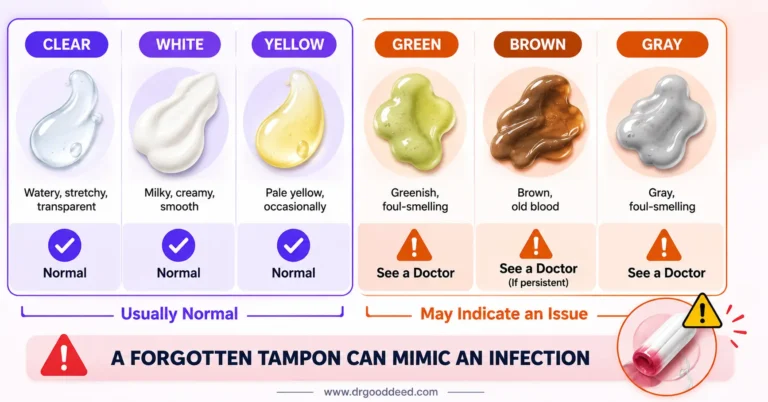

Natural remedies for vaginal dryness range from water-based moisturizers to simple lifestyle changes, and the right choicperimenopausee depends on what is causing the dryness in the first place. Vaginal dryness affects women at any age, though it is most common during perimenopause, breastfeeding, and after certain cancer treatments, when estrogen levels drop. This guide covers what genuinely works, what evidence actually supports, and when a natural remedy for vaginal dryness approach is not enough on its own.
Key Takeaways
Vaginal moisturizers and lubricants have the strongest evidence behind them for easing dryness, while most herbal options remain unproven for this specific symptom.
- Water-based and hyaluronic acid vaginal moisturizers are backed by clinical research; home remedies for vaginal dryness involving unregulated herbs generally are not.
- Product chemistry, not just ingredients, determines whether a moisturizer helps or irritates.
- Douches and scented cleansing washes are a leading cause of worsened dryness.
- Black cohosh vaginal dryness claims lack direct supporting evidence, even though the herb is popular for hot flashes.
- Persistent or severe dryness after two to three weeks of home care warrants a medical evaluation.
Why Vaginal Dryness Happens
Declining estrogen thins the vaginal walls and reduces natural lubrication, which is the main driver behind vaginal dryness menopause symptoms. Estrogen loss also affects tissue elasticity and blood flow, not just moisture. For a full breakdown of how estrogen and vaginal tissue interact, including why atrophy develops, see our detailed anatomy guide.
Beyond menopause, dryness can stem from breastfeeding, certain antihistamines and antidepressants, chemotherapy, Sjogren’s syndrome, and even stress. Identifying the underlying cause shapes which natural remedies for vaginal dryness will actually help.
Vaginal Moisturizers and Lubricants: What Actually Works
A vaginal moisturizer vs lubricant distinction matters: moisturizers adhere to vaginal tissue and rehydrate it over days, while lubricants act only during intercourse.
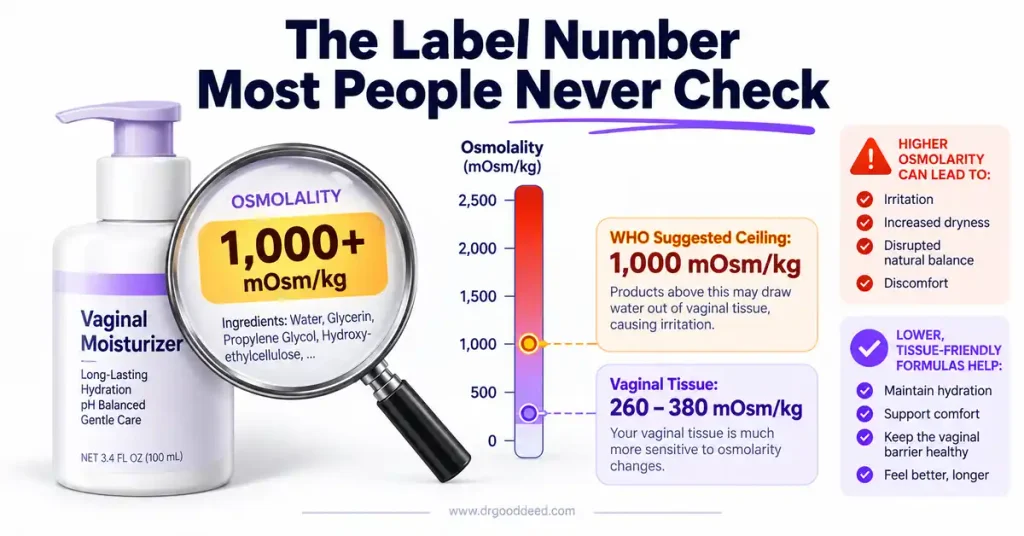
Vaginal tissue has a resting pH around 3.8 to 4.5, and healthy secretions sit close to 260 to 380 mOsm/kg in osmolality. A clinical review in the journal Climacteric found that many commercial lubricants run far above 1,000 mOsm/kg, well past the World Health Organization’s suggested ceiling, which pulls water out of vaginal cells instead of adding it and can leave tissue more irritated.
| Product Type | How It Works | Best For |
| Water-based lubricant | Reduces friction during sex for a few hours | Occasional dryness during intimacy |
| Silicone-based lubricant | Longer-lasting glide, unaffected by water | Frequent friction-related discomfort |
| Hyaluronic acid vaginal moisturizer | Binds water to tissue, applied every few days | Ongoing daily dryness, not just during sex |
Choosing a product close to the vagina’s natural pH and osmolality range genuinely changes the outcome.
What the Evidence Says About Herbal Remedies
Herbal marketing for vaginal dryness often outpaces the actual research, and MedlinePlus, a US National Library of Medicine resource, is unusually candid about this gap. It states plainly that while some women use black cohosh as a supplement for menopausal symptoms, it is not known whether this herb helps with vaginal dryness specifically.
- Black cohosh has data behind it for hot flashes, not for black cohosh vaginal dryness relief.
- Soy isoflavones show a similar pattern. MedlinePlus notes soy’s weak estrogen-like activity may improve symptoms for some women, but research on ideal dosing remains incomplete.
- Wild yam cream is even less supported; MedlinePlus reports no evidence that wild yam extract has hormone-like activity in the body at all, despite its label often implies.
Natural Approaches That May Help
Several non-prescription habits support vaginal tissue health even though they will not reverse estrogen loss on their own.
- Stay consistently hydrated. Adequate fluid intake supports mucous membrane function throughout the body, including vaginal tissue, though it will not correct hormone-driven dryness alone.
- Skip harsh soaps and scented washes on the vulva. Fragrance-free, pH-balanced cleansers reduce irritation that compounds dryness symptoms.
- Choose breathable cotton underwear. Synthetic fabrics trap moisture and heat, which can aggravate already-sensitive tissue.
- Maintain regular sexual activity or vaginal stimulation, if comfortable. Increased blood flow to the area helps preserve tissue elasticity over time.
- Address related symptoms early. Dryness sometimes overlaps with vulvar itching, and treating both together improves comfort faster than treating either alone.
None of these replace a proven moisturizer for moderate dryness, but combined with one, they close gaps that products cannot fix by themselves.
What to Avoid: Common Advice That Can Make It Worse
Douching and “feminine hygiene” washes, even those labeled natural or gentle, disrupt the vagina’s protective bacterial balance and commonly worsen dryness rather than relieving it. The vagina is self-cleaning; internal washing strips away protective lactobacilli and raises vaginal pH, which increases both dryness and infection risk.
- Do not douche or use internal cleansing washes, natural-labeled or otherwise; they strip protective bacteria and worsen symptoms.
- Use caution with undiluted essential oils or vitamin E oil applied internally, since concentrated oils can irritate delicate tissue.
- Skip oil-based lubricants such as coconut or olive oil if you rely on latex condoms, because oils degrade latex and raise the risk of breakage.
- Avoid scented tampons, pads, and sprays, which introduce irritants directly to sensitive tissue.
Steering clear of these habits does more for symptom relief than most people expect, often more than any single remedy added on top.
When Natural Remedies Aren’t Enough
See a doctor if dryness persists beyond two to three weeks of consistent home care, or if you notice bleeding, unusual discharge, odor, or pain during urination, since these can signal infection or another treatable cause. Genitourinary syndrome of menopause and vaginal atrophy often need more than moisturizers alone.
Prescription options range from localized low-dose treatments to systemic therapy, and the right choice depends on symptom severity and personal risk factors. Our guide on local vs systemic hormone therapy breaks down how doctors decide between these two paths.
Pro Tip: Apply a vaginal moisturizer at night rather than in the morning; tissue absorbs and retains hydration better during sleep, when you are not sitting, walking, or wearing tight clothing that can wick moisture away.
Sources
- MedlinePlus, National Library of Medicine, Vaginal Dryness Alternative Treatments link
Healthline, Vaginal Dryness: Natural Remedies to Help link - Edwards D, Panay N. Treating vulvovaginal atrophy/genitourinary syndrome of menopause: how important is vaginal lubricant and moisturizer composition? Climacteric, 2016 (PubMed)
- Office on Women’s Health, U.S. Department of Health and Human Services, Douching (link)
- Cleveland Clinic, Why You Should Never Douche (link)