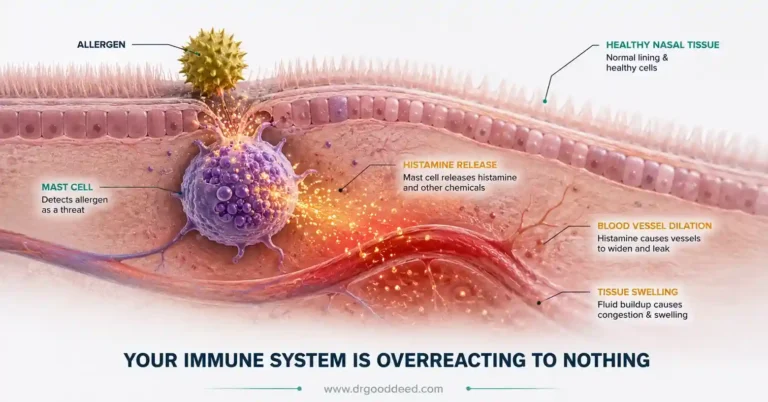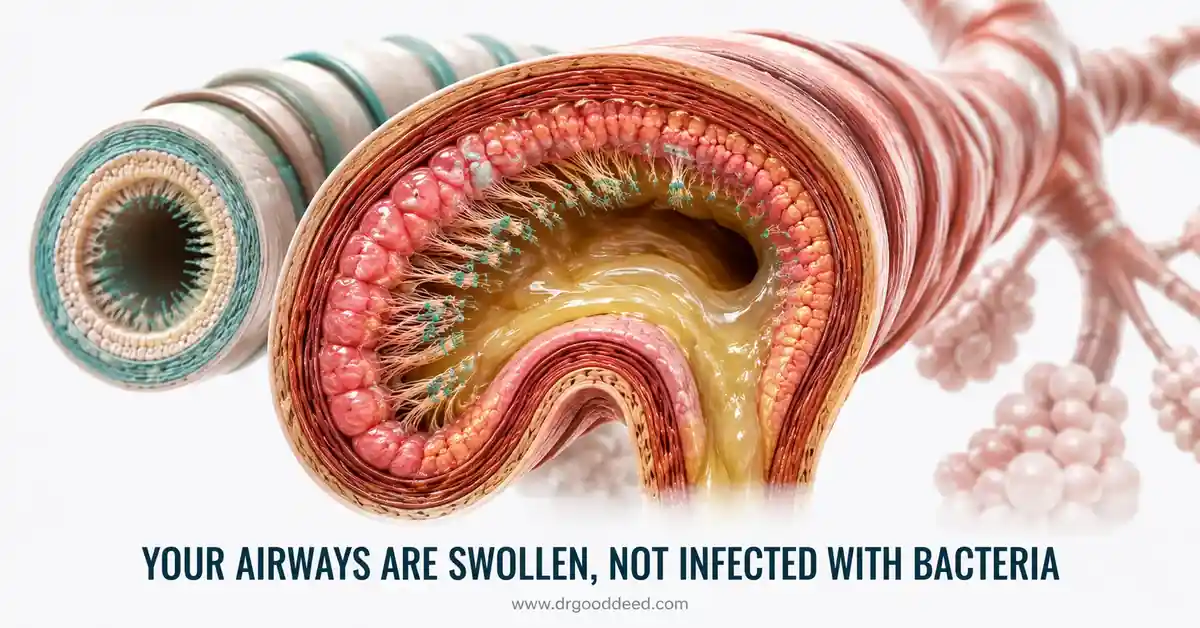

Home remedies for bronchitis include fluids, honey, steam, rest, and saline spray, and most people feel better within one to three weeks without antibiotics. Bronchitis happens when the airways in your lungs swell up and make extra mucus. A virus causes most cases, so the illness usually clears up on its own once your immune system fights it off.
This guide walks through 10 ways to relieve bronchitis symptoms at home, backed by data from the CDC, NHLBI, and peer-reviewed cough research. You will also find a real patient story and answers to the questions people search for most.
10 Home Remedies for Bronchitis
The fastest way to relieve bronchitis symptoms at home is to thin the mucus in your lungs and give your airways less work to do. That means fluids, moist air, and rest come before anything fancy. Below are 10 bronchitis home remedies doctors and nurses actually recommend, listed in the order most people try them.
1. Drink Plenty of Fluids
Water thins mucus so your lungs can clear it out faster. Doctors suggest 8 to 12 glasses of water a day while you have a chest cold. Warm liquids like broth work even better because heat relaxes the airway muscles. If you have kidney or heart failure, check with your doctor before drinking this much fluid. This simple step is one of the most effective home remedies for bronchitis because dry mucus sticks to your airways and triggers more coughing.
2. Try Warm Honey and Lemon
A Cochrane review of nearly 900 children found honey cut cough frequency better than no treatment and worked about as well as dextromethorphan, a common cough medicine ingredient. Mix two teaspoons of honey into warm water or tea with fresh lemon juice. Sip it before bed to calm night time coughing. Never give honey to a baby under 12 months old, since it can carry a bacteria that causes infant botulism.
3. Use a Humidifier
Dry air makes a cough worse because it thickens mucus in your airways. A cool-mist humidifier adds moisture back into the room, which loosens that mucus and eases breathing. Clean the tank every two to three days. A dirty humidifier can grow mold and bacteria, which will make your lungs feel worse instead of better.
4. Take a Warm Shower
Standing in a steamy bathroom works like a portable humidifier. The warm, moist air loosens mucus and calms irritated airways within minutes. Keep the bathroom door shut so steam builds up, and breathe slowly through your nose and mouth for five to ten minutes. This trick is handy when you do not own a humidifier or you are away from home.
5. Get Plenty of Rest
Your immune system needs energy to fight off the virus causing your bronchitis. Skipping workouts, staying home from work, and sleeping extra hours all free up that energy. Most healthy adults bounce back faster when they treat rest as part of treatment, not a luxury. Pushing through a chest cold usually just stretches out the illness.
6. Keep Your Head Elevated While Sleeping
Lying flat lets mucus pool at the back of your throat, which triggers coughing fits right when you are trying to sleep. Prop yourself up with an extra pillow or two so your head sits higher than your chest. Gravity then pulls that mucus down and away from your airway instead of letting it collect.
7. Use Saline Nasal Spray
The CDC lists saline spray as a core recommendation for chest colds because it flushes out mucus and moistens dry nasal tissue. Saline is just salt water, so it carries no drug interactions and works for kids and adults alike. Spray each nostril two to three times a day, or more often if congestion feels heavy. It will not cure the virus, but it clears the path so you can breathe easier.
8. Avoid Smoking and Secondhand Smoke
Cigarette smoke is the leading cause of chronic bronchitis in the United States, and up to 75% of people with chronic bronchitis smoke or used to smoke, according to MedlinePlus. Smoke keeps the airway lining inflamed, so mucus never stops building up. If you smoke and catch acute bronchitis, quitting even temporarily speeds up healing. Secondhand smoke does the same lung damage, so ask smokers to step outside while you recover. Avoiding smoke stays one of the most overlooked ways to treat bronchitis at home for good.
9. Stay Away From Airborne Irritants
Dust, chemical fumes, strong cleaning sprays, and heavy air pollution all inflame airways that are already swollen from bronchitis. The NHLBI names these irritants as direct triggers for both flare-ups and long-term lung damage. Close windows on high-pollution days and check your local air quality index before outdoor exercise. Swap harsh cleaning products for fragrance-free versions until your cough clears.
10. Try Warm Herbal Tea
Ginger contains compounds researchers have linked to reduced airway inflammation, which is why ginger tea shows up in nearly every list of remedies for bronchitis cough. Steep fresh ginger slices in hot water for 10 minutes, then add honey for extra soothing power. Peppermint and thyme tea also help loosen chest congestion when sipped warm. Herbal tea will not replace medical care, but it adds comfort while your body fights the virus.
FAQs
What is the fastest way to relieve bronchitis symptoms?
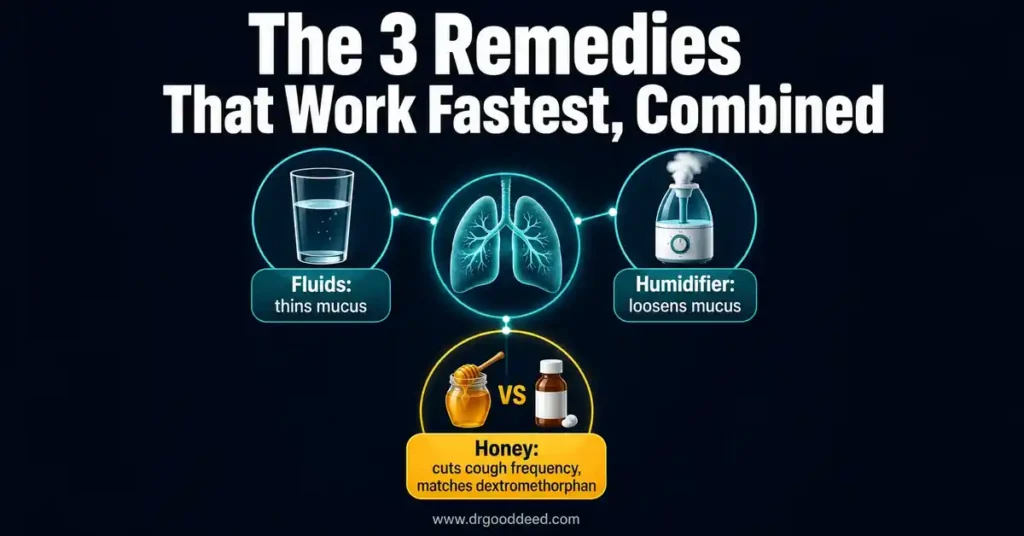
Fluids, a humidifier, and honey work fastest because they thin mucus within hours. Combining all three of these home remedies for bronchitis gives your airways the quickest relief while your immune system clears the virus.
What should you drink when you have bronchitis?
Water, warm broth, and herbal tea with honey are the best choices. These fluids loosen mucus and soothe a raw throat, which explains why they anchor most home treatment for bronchitis advice from doctors.
Does honey help with bronchitis?
Yes. Clinical trials show honey reduces cough frequency about as well as dextromethorphan, a common cough medicine. Avoid it for babies under 12 months due to botulism risk, but it works well for children over one and adults.
Can bronchitis go away without antibiotics?
Yes. Over 90% of acute bronchitis cases are viral, so antibiotics will not speed recovery. The CDC confirms rest, fluids, and time clear most cases within two to three weeks without any prescription drugs.
How long does bronchitis take to clear up?
Most acute bronchitis clears in 10 to 20 days, though the cough can linger up to four weeks. Chronic bronchitis lasts far longer and needs ongoing medical management rather than short-term home remedies for bronchitis.

Sources
- CDC: Chest Cold (Acute Bronchitis) Basics link
- NHLBI: Bronchitis link
- MedlinePlus: Chronic Bronchitis link
- Cleveland Clinic: Home Remedies for Bronchitis link
- WebMD: Acute Bronchitis Home Remedies link
- AAFP: Honey for Acute Cough in Children link
- Cochrane: Honey for Acute Cough in Children link
- AAFP: ACP/CDC Guidelines on Antibiotics for Respiratory Infection link
- Johns Hopkins Medicine: Chronic Bronchitis link
- Healthline: Home Remedies for Bronchitis link