What It Means, What Happens Next, and When It Is an Emergency
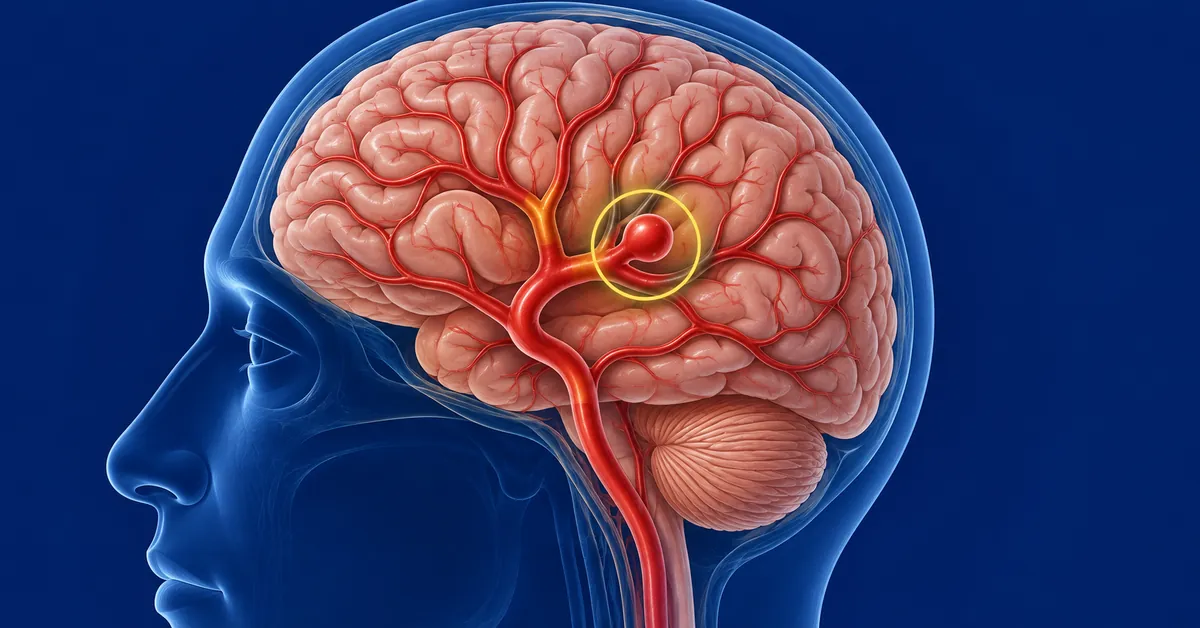
Finding out that you have a brain aneurysm can be frightening, especially when it is discovered unexpectedly on a CT scan or MRI. But an important point often gets lost in the initial fear: having an aneurysm does not mean it is bleeding or that it will inevitably rupture. A brain aneurysm is a weakened area in the wall of a blood vessel that bulges outward. Many unruptured aneurysms cause no symptoms and may remain stable for years.[1,2]
Does every brain aneurysm need treatment?
No. Some aneurysms can be safely monitored with repeat imaging, while others may require treatment.
Doctors look at several factors when estimating rupture risk, including:
- Size and location
- Shape or irregular appearance
- Whether the aneurysm is growing
- High blood pressure
- Smoking
- Previous aneurysm rupture
- Age and overall health
- Family history of aneurysms or subarachnoid hemorrhage[1,2]
Size is an important factor, but it is only one part of the decision. Location, shape, documented growth, patient-specific risk factors, age, health, and the risks of treatment all need to be considered. There is no single measurement that can determine with certainty whether an aneurysm will rupture. If treatment is recommended, options may include surgical clipping or endovascular procedures such as coils, stents, or flow-diverting devices.[3]
When is a headache an emergency?
Most headaches are not caused by aneurysms. A ruptured aneurysm, however, can cause a sudden and extremely severe headache that reaches maximum intensity very quickly. Patients often describe it as the worst headache of their life.[3,4]
Other warning signs can include:
- Nausea or vomiting
- Neck stiffness
- Fainting or loss of consciousness
- Seizure
- Confusion
- Double vision
- New weakness or numbness
A sudden severe headache, particularly with any of these symptoms, requires immediate emergency evaluation. Do not wait at home to see if it improves.
Can you reduce your risk?
Some risk factors cannot be changed, but others can. For people with an unruptured aneurysm, controlling high blood pressure and stopping cigarette smoking are particularly important.[2] Follow-up imaging is another key part of management. If an aneurysm grows or changes over time, the treatment recommendation may change.
Should family members be screened?
Routine aneurysm screening is not recommended for everyone. Screening may be appropriate, however, for people with a strong family history, particularly when two or more first-degree relatives have had an intracranial aneurysm or subarachnoid hemorrhage.[2] Certain inherited conditions, including autosomal dominant polycystic kidney disease, may also increase aneurysm risk.
What should you ask your doctor?
If an aneurysm has been found, ask:
 Where is it located?
- How large is it?
- Has it changed compared with previous imaging?
- What is my estimated rupture risk?
- Do you recommend monitoring or treatment?
- When should I have another scan?
- What symptoms should send me to the emergency department?
An incidental aneurysm deserves appropriate follow-up, but it does not automatically mean an emergency or immediate surgery. The situation is very different when symptoms suggest rupture. A sudden, severe headache with neurological symptoms, vomiting, fainting, seizure, or confusion should be treated as an emergency.
References
- Hall S, Ewbank F, Gaastra B, et al. Estimating rupture risk of intracranial aneurysms: what we know, what we do not know, and what we need. Stroke. 2026;57(6):1821-1833.
- Thompson BG, Brown RD Jr, Amin-Hanjani S, et al. Guidelines for the management of patients with unruptured intracranial aneurysms. Stroke. 2015;46(8):2368-2400.
- National Institute of Neurological Disorders and Stroke. Cerebral Aneurysms. National Institutes of Health.
- Hoh BL, Ko NU, Amin-Hanjani S, et al. 2023 Guideline for the management of patients with aneurysmal subarachnoid hemorrhage. Stroke. 2023;54(7).