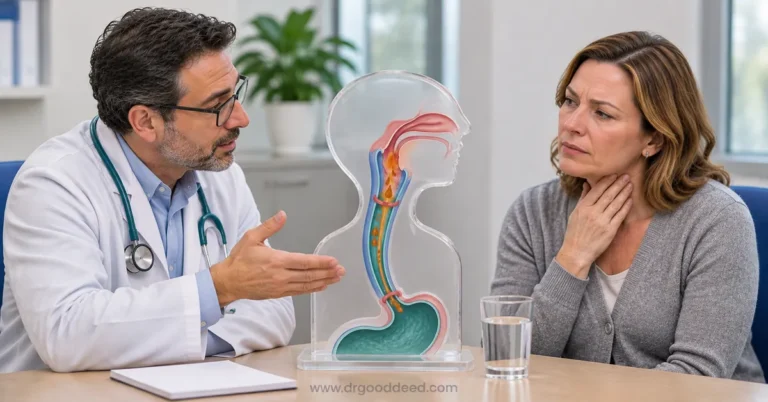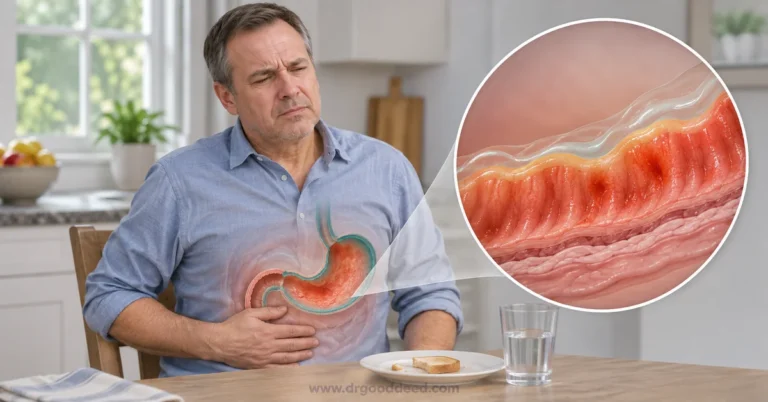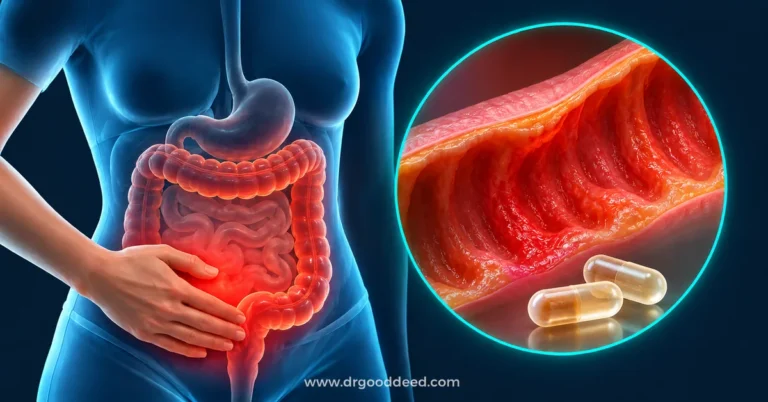

Rebound acid after stopping PPI may cause heartburn to return or come back for a while after you stop taking a PPI such as omeprazole. The reason for this is that the stomach can begin to have acid-related symptoms after a period of acid suppression.
But if heartburn gets worse, this doesn’t necessarily mean that the heartburn is back or that it caused permanent damage. Symptoms can be from temporary rebound acid, a hidden gastroesophageal reflux disease (GERD) condition or even another digestive condition. Knowing about these options can help you make a decision with your healthcare provider. The most secure thing to do next is to talk with your prescriber about any ongoing symptoms or changes in medications.
Key Takeaways
- When you stop taking a proton pump inhibitor (PPI) medication, rebound acid may cause temporary worsening of heartburn.
- Symptoms can be caused by rebound acid or recurrence of GERD or another problem.
- There is some research indicating that symptoms may return, but there are certain caveats.
- If symptoms or signs are ongoing, a medical evaluation is necessary.
- Please ask your doctor before switching drugs.
Reflux can sometimes occur alongside other symptoms. Learn more about the possible connection in our guide to whether acid reflux can cause headaches.
Rebound Acid vs. Returning Reflux
| Feature | Temporary rebound | Returning reflux |
| Main explanation | Acid-related symptoms increase after stopping acid suppression. | The original reflux condition becomes noticeable again. |
| Timing | May occur in the weeks following discontinuation. | May return after treatment ends. |
| Expected course | May settle, although timing varies. | May persist without appropriate management. |
| What to do | Discuss symptoms with your healthcare professional. | Arrange assessment if symptoms persist or worsen. |
Learn about all the causes of upper abdominal pain in our article.
So, Why Is Heartburn Worse When You Stop Taking Omeprazole?
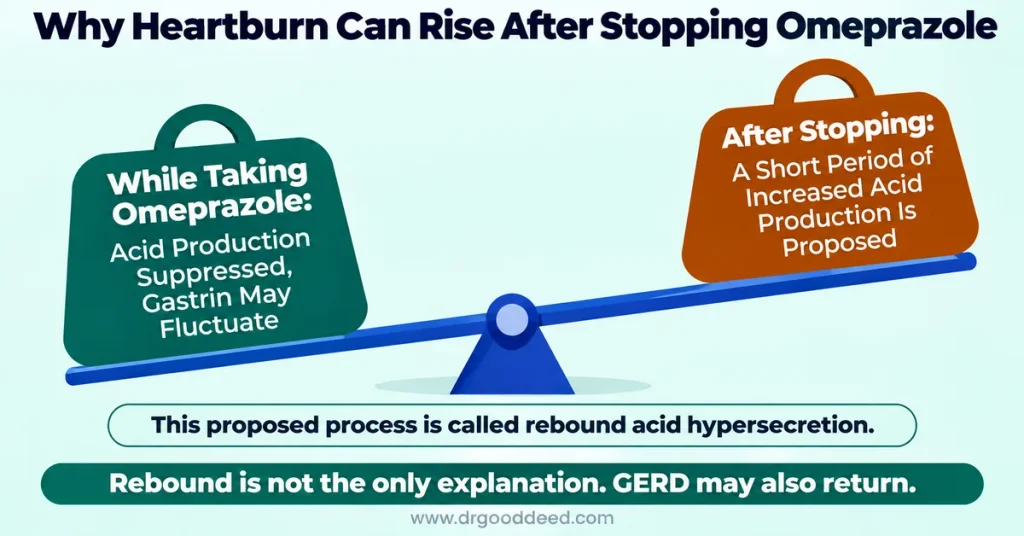
If you have heartburn worse after stopping omeprazole, it could be due to a temporary rise in acid-related symptoms. Omeprazole is in a class of medications known as proton pump inhibitors that decrease the amount of stomach acid.
A proposed explanation is that gastrin, which regulates acid production, is involved. If the production of acid is suppressed, gastrin levels may fluctuate. Once treatment is complete, there will be a short period of increased acid production to accommodate body changes. This proposed process is called rebound acid hypersecretion (Doctronic, 2026; Ubie Health, 2026).
But the symptoms do not indicate that excess acid is the only factor. Sometimes GERD may occur before treatment and may reappear after the medicine has been stopped.
Is Rebound Acid Real?
Yes, there is a rebound effect with acid symptoms; have a look into this:
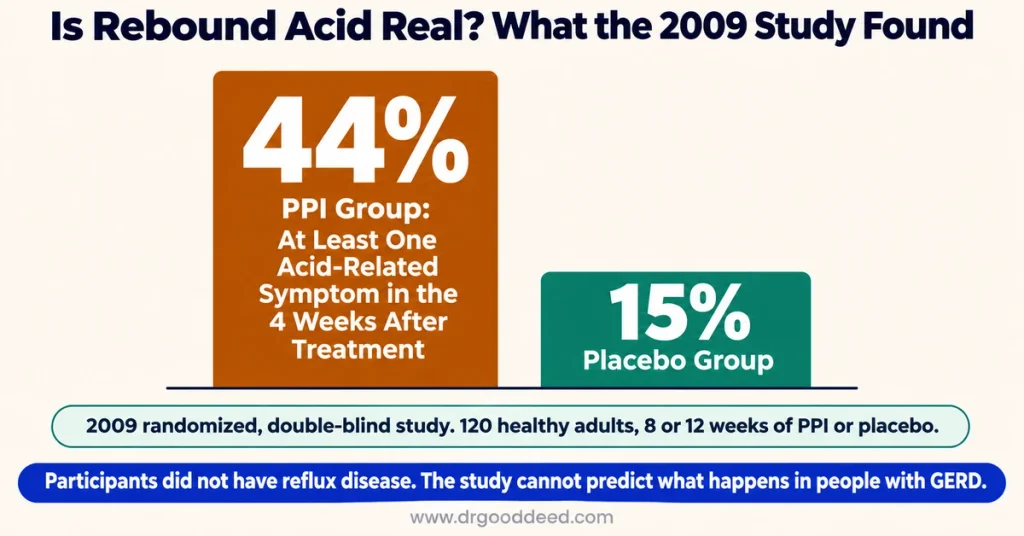
Reimer and colleagues conducted a randomized, double-blind study in 2009 of 120 healthy adults. The participants were given an 8-week or 12-week period of PPI or placebo. The frequency of at least one of the relevant acid-related symptoms was 44% in the PPI group and 15% in the placebo group over the 4 weeks after treatment (Gastroenterology, 2009).
Importantly, all these subjects were healthy volunteers who did not have reflux disease. Thus, the study does not provide any data on the incidence of rebound reflux after stopping PPI or on predicting what might happen to a person with GERD.
What Are the Symptoms of Rebound Acid After Stopping PPI?
Possible stopping omeprazole side effects include increased heartburn, acid regurgitation, and indigestion (Doctronic, 2026; Ubie Health, 2026). These symptoms may overlap the condition that was initially treated.
These experiences are referred to as PPI withdrawal symptoms, although this should not be equated with addiction or proven dependence syndrome.
If heartburn occurs after discontinuing the acid reducer treatment, record the start time, frequency and whether it is getting worse. Never rely on symptoms for diagnosis or medication selection.
Healthcare providers must decide whether to continue PPIs in patients with Barrett’s esophagus, severe esophagitis, esophageal ulcers, or patients with a history of gastrointestinal bleeding (Doctronic, 2026; AGA, 2022). These patients need prolonged treatment with an acid-reducing agent to avert complications.
Is There a Long-Lasting Rebound Effect?
It’s not a definite time for all. There is some clinical information that indicates that symptoms can last for about 1 to 4 weeks (Doctronic, 2026; Ubie Health, 2026), and others indicate that symptoms may last longer (Ubie Health, 2026). No ranges should be seen as either exact predictions or as well-documented by trials.
Rather than thinking in terms of a fixed deadline, you must think in terms of uncertainty as to how long rebound acid lasts. If symptoms continue or get worse, it may be a sign of GERD or another issue that requires evaluation.
Proton pump inhibitor rebound refers to the hypothesized resurgence of acid-related symptoms after stopping PPIs. It won’t cover all the situations where acid reflux returns after the treatment ends.
What Can Help While Symptoms Are Being Assessed?
If symptoms are mild, practical steps can help decrease reflux triggers until the appropriate advice is received (Doctronic, 2026):
- Eat smaller portions: Some people may become more irritated by a large meal.
- Do not lie down immediately after eating: Give time between eating and going to bed. Read more about stomach pain when lying down.
- Sleep with the head of the bed elevated: This can be helpful for those who have symptoms that get worse at night.
- Keep a diary of your symptoms: Record the time of day when you eat or drink, your symptoms at night, and how often heartburn occurs.
- Talk about medications: Talk to your doctor or pharmacist about your options rather than changing medications without consulting them.
Such interventions may be useful in symptom management, but may not confirm or refute the presence of rebound acid or GERD as the root cause.
To get more information about mucus in the stool, read our guide.
When Does Reflux Require a Doctor’s Visit?
It is important to be aware of when to visit the doctor for reflux, as ongoing heartburn does not necessarily mean it is a rebound effect.
Schedule a medical evaluation if symptoms persist for more than several weeks, worsen, or cause significant disruption of functioning or recur frequently. Your clinician can discuss the initial need for treatment and determine if continued tests are warranted. For symptoms that are not urgent, see your primary care doctor in the US, or your GP or NHS 111 in the UK.
Look out for these reflux symptoms, which need prompt care (Doctronic, 2026; Ubie Health, 2026):
- Trouble or pain with eating and drinking.
- Unintentional weight loss.
- Persistent vomiting.
- Vomiting blood.
- Black, tarry stools.
- Extreme or sudden chest pain.
If the chest pain is severe or sudden, call for help. Call 911 or go to the ER in the United States, or call 999 or go to A&E in the United Kingdom; chest pain can be of heart origin, so don’t assume it is reflux. Learn the warning signs of a heart attack.
Frequently Asked Questions
Is Rebound Acid the Same as GERD?
No. Rebound acid is a potential worsening of acid symptoms that may occur following discontinuation of treatment. GERD is a chronic condition characterized by uncomfortable reflux. The two can overlap, and symptoms alone cannot tell them apart, so a doctor decides which one you have.
If I Have Heartburn Again, Should I Resume Omeprazole?
Never re-start or substitute medications without speaking to your prescriber or pharmacist. They can discuss your symptoms and why you were prescribed treatment. They can also check how long you took it and whether your symptoms point to rebound acid or returning reflux.
Who Should Seek Medical Advice Before Discontinuing a PPI?
Those who have Barrett’s esophagus, severe erosive esophagitis, esophageal ulcers or substantial gastrointestinal bleeding should seek medical counsel before stopping the treatment (Doctronic, 2026; AGA, 2022). The same applies if a PPI was prescribed to protect your stomach while you take another medicine, and the prescriber decides whether it should continue.
When Is Heartburn an Emergency?
Chest pain that is severe or sudden, especially if associated with shortness of breath or pain spreading to the arm or jaw, should be assessed in an emergency: call 911 or go to the ER in the US, or call 999 or go to A&E in the UK. Black, tarry stools or vomiting blood also requires immediate medical attention.
Sources
American Gastroenterological Association, Here’s a New Approach to De-Prescribing PPIs (2022). link
Gastroenterology, AGA Clinical Practice Update on De-Prescribing of Proton Pump Inhibitors: Expert Review (2022). link
NPR, Study: Heartburn Drugs Can Cause More Heartburn (2009). link
Gastroenterology, Proton-Pump Inhibitor Therapy Induces Acid-Related Symptoms in Healthy Volunteers After Withdrawal of Therapy (2009). link
Doctronic, How to Taper Off Omeprazole Safely (2026). link
Ubie Health, How Long Do Omeprazole Side Effects Last? When to Act (2026). link
Medical Disclaimer: This article is for general information only and is not medical advice. It does not replace a diagnosis, treatment plan, or guidance from a qualified healthcare professional. Always talk to your doctor about your own symptoms and before starting, stopping, or changing any treatment. If you think you may be having a medical emergency, call 911 or go to your nearest emergency room.