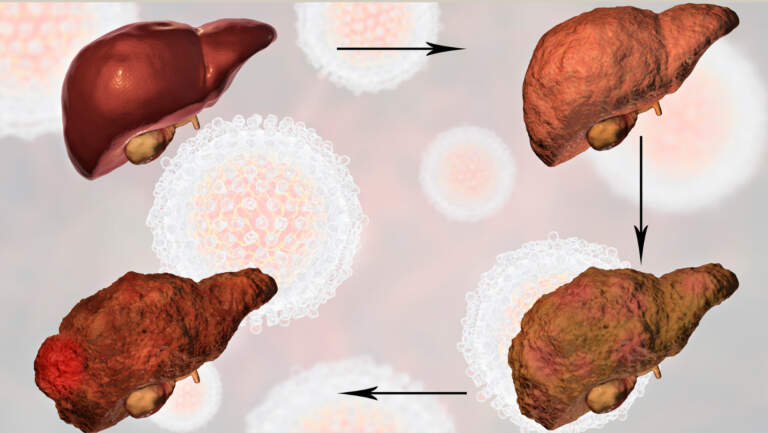

Fatty liver rarely causes symptoms on the face, and almost never in early stages. Fatty liver symptoms on the face are not typical when the disease is mild, since early fatty liver, now called metabolic dysfunction-associated steatotic liver disease (MASLD). It usually causes no visible signs at all.
Some facial changes can appear indirectly through the metabolic problems that come with fatty liver, like insulin resistance or inflammation, or once the disease has progressed to advanced liver damage. Facial appearance alone can never confirm or rule out fatty liver disease. Only blood work and imaging can do that.
Facial Signs that May Cause Fatty Liver Disease
Facial signs of fatty liver disease almost always point to advanced or complicated liver disease, not the early fatty buildup stage most people have. Here are the five signs doctors actually watch for.
Yellowing of the Skin and Eyes (Jaundice)
Jaundice happens when the liver can’t clear a waste product called bilirubin fast enough, so it builds up and turns skin and eyes yellow. This is one of the clearest markers of advanced liver disease and jaundice, not something seen in simple fatty liver without damage.
Facial Puffiness From Fluid Retention
Facial puffiness and liver disease connect through a process called fluid retention. When the liver struggles to make enough albumin, a protein that keeps fluid inside blood vessels, fluid leaks into surrounding tissue, including the face.
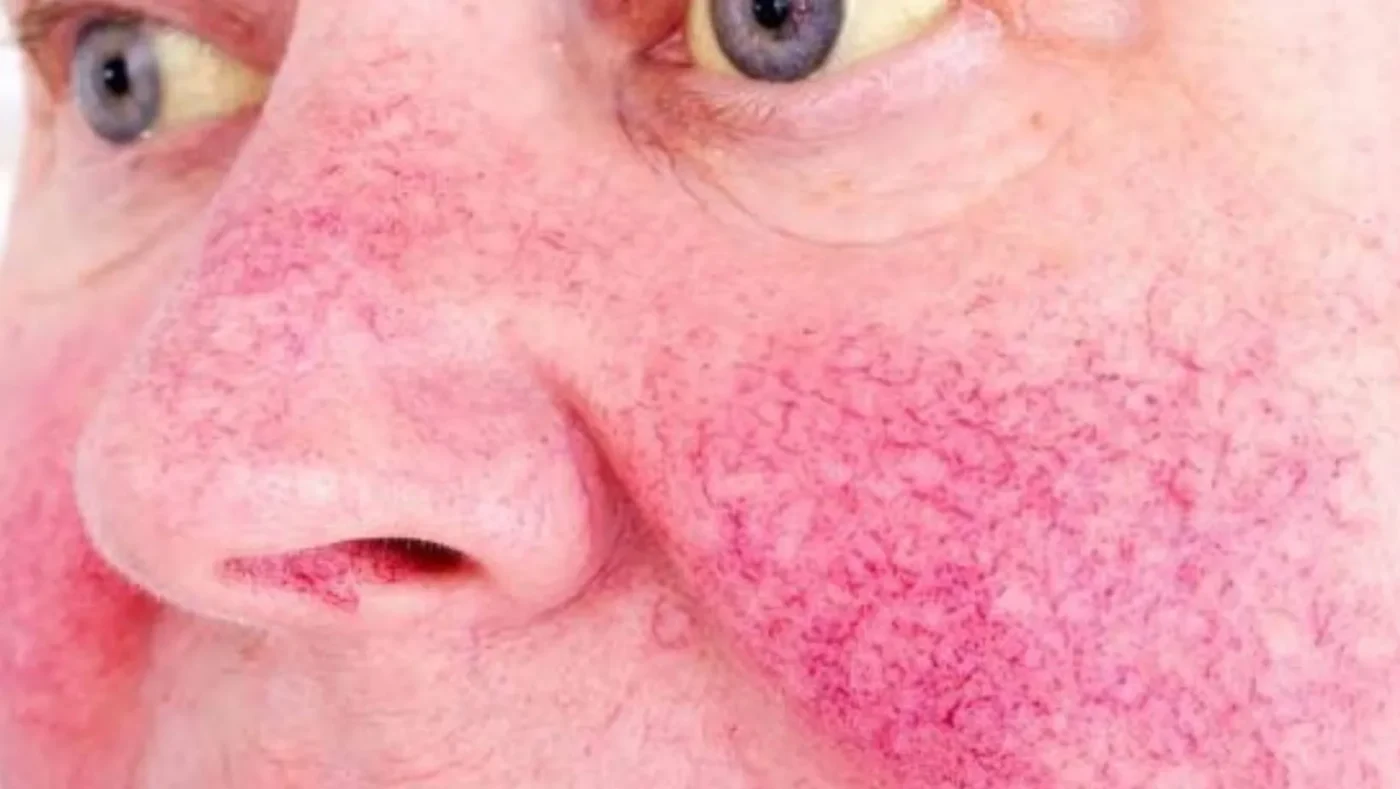
Spider Angiomas on the Face
These are small, spidery clusters of blood vessels visible under the skin, often on the cheeks, nose, or upper body. They form when the liver can’t break down estrogen properly, a sign tied to more advanced liver dysfunction rather than early fatty liver.
Pale or Dull Skin
Poor liver function can reduce how well the body processes nutrients and manages blood flow, sometimes leaving skin looking pale, dull, or unusually tired even with enough sleep.
Itchy Skin Affecting the Face
Bile acid buildup under the skin, called pruritus, can trigger itching on the face and body. This symptom usually shows up alongside other signs of significant liver impairment, not mild fatty liver alone.
What Should You Do If You Notice Facial Changes?
Your next step depends on how severe the facial change is and whether other liver warning signs show up alongside it. Below is a clear path for each situation, based on what fatty liver symptoms on face actually mean at each stage.
If Facial Changes Are Mild and You Have Fatty Liver Risk Factors
If you’re overweight, have type 2 diabetes, or high cholesterol, and you notice mild skin dullness or puffiness, get baseline liver blood tests done. Mild changes with known risk factors deserve a checkup, not panic.
If Facial Changes Are Accompanied by Liver Warning Signs
Yellowing eyes, dark urine, pale stool, easy bruising, or swelling in the legs alongside facial puffiness need urgent medical evaluation. These signs together suggest the liver may already be under real strain.
If You Have Diagnosed Fatty Liver
Anyone with a confirmed fatty liver diagnosis who develops new facial swelling, yellowing, or spider angiomas should contact their doctor immediately, since this can signal progression toward cirrhosis.
How to Reverse Fatty Liver Naturally
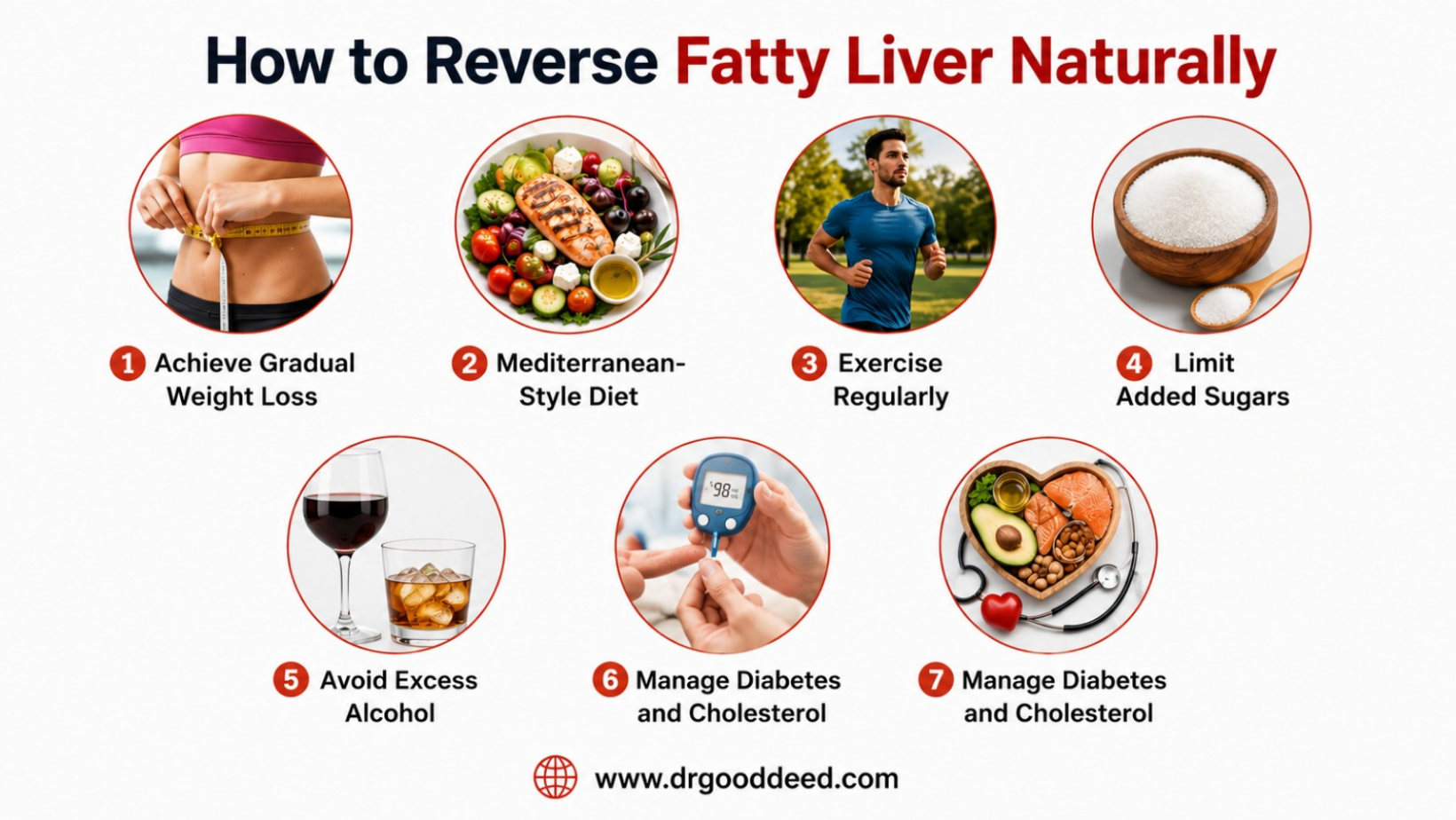
The National Institute of Diabetes and Digestive and Kidney Diseases confirms weight loss and diet changes remain the primary treatment to reverse fatty liver naturally, since no drug is currently approved specifically for fatty liver in the U.S.
Achieve Gradual Weight Loss
Losing 7% to 10% of body weight over several months can significantly reduce liver fat and inflammation, according to research published through the American Association for the Study of Liver Diseases. Losing weight too fast can backfire and stress the liver further.
Follow a Mediterranean-Style Diet
This eating pattern, rich in vegetables, olive oil, fish, and whole grains, is the most studied diet to reverse fatty liver naturally and consistently shows reduced liver fat in clinical research.
Exercise Regularly
Moving your body most days, even without major weight loss, lowers liver fat and improves insulin sensitivity. Both cardio and strength training help.
Limit Added Sugars
Sugary drinks and processed snacks drive fat storage directly in the liver. Cutting added sugar is one of the fastest ways to reduce liver fat buildup.
Avoid Excess Alcohol
Alcohol adds direct stress to a liver already storing extra fat, even in people without alcohol-related liver disease. Doctors typically recommend cutting back significantly or avoiding it entirely.
Manage Diabetes and Cholesterol
Keeping blood sugar and cholesterol under control reduces the metabolic load driving fat into the liver in the first place. This step matters as much as diet changes.
FAQs
Can fatty liver cause facial puffiness?
Yes, but usually only once fluid retention sets in from reduced liver protein production. Mild, early fatty liver rarely causes visible facial puffiness on its own without other complications present.
Does fatty liver cause skin changes?
Rarely in early stages. Fatty liver causing skin changes, like itching, dullness, or spider angiomas, typically signals advanced liver dysfunction, not the initial fat buildup most people have.
Is jaundice an early sign of fatty liver disease?
No. Jaundice reflects advanced liver disease and jaundice specifically, appearing after significant liver damage. Early fatty liver almost never causes yellowing of the skin or eyes.
How is fatty liver diagnosed?
Doctors diagnose fatty liver through blood tests measuring liver enzymes, plus imaging like ultrasound, FibroScan, or MRI. A biopsy confirms severity in more advanced or unclear cases.
What causes yellow eyes in liver disease?
Bilirubin builds up when a damaged liver can’t clear it fast enough, staining the eyes and skin yellow. This buildup usually reflects significant, not mild, liver impairment.
Can facial changes alone diagnose fatty liver?
No. Facial appearance cannot confirm fatty liver disease on its own. Blood tests and imaging remain the only reliable ways to diagnose it, regardless of visible skin changes.
Who is at highest risk for fatty liver disease?
People with obesity, type 2 diabetes, high cholesterol, or metabolic syndrome face the highest risk. The CDC links these conditions to most fatty liver cases diagnosed in the U.S.
How long does it take to improve fatty liver?
Liver enzyme improvement often shows within 3 to 6 months of consistent weight loss and diet change. Full fat reduction on imaging can take 6 to 12 months.