
Asthma can go away completely for some people, but for most, it goes quiet rather than disappearing for good. Asthma is a chronic lung condition marked by airway inflammation and narrowing, affecting roughly 25 million people in the United States, according to the CDC. This guide covers remission by asthma type, warning signs of a flare-up returning, and the medications that keep symptoms controlled long term.
Can Different Types of Asthma Go Away?
Asthma can go away, depending heavily on which type you have. Childhood allergic asthma carries the best odds of remission, while adult-onset and severe asthma rarely disappear fully. The table below breaks down remission chances by type, based on airway biology rather than guesswork.
| Asthma Type | Likelihood of Remission | Why |
| Childhood allergic asthma | Higher | Airways mature, immune system changes with age |
| Adult-onset asthma | Lower | Airway inflammation tends to persist |
| Exercise-induced asthma | Sometimes improves | Depends on how well triggers get managed |
| Occupational asthma | Can improve if exposure ends early | Waiting too long reduces recovery odds |
| Severe asthma | Rare | Airway walls thicken permanently over time |
| Virus-induced asthma | May resolve | Especially common in young children |
A large North American study following kids with mild-to-moderate asthma into adulthood found 26% reached clinical remission, and only 15% hit the stricter mark of no symptoms, no medicine, and normal lung function. Adults rarely see numbers that high.
Asthma Symptoms Improving Over Time
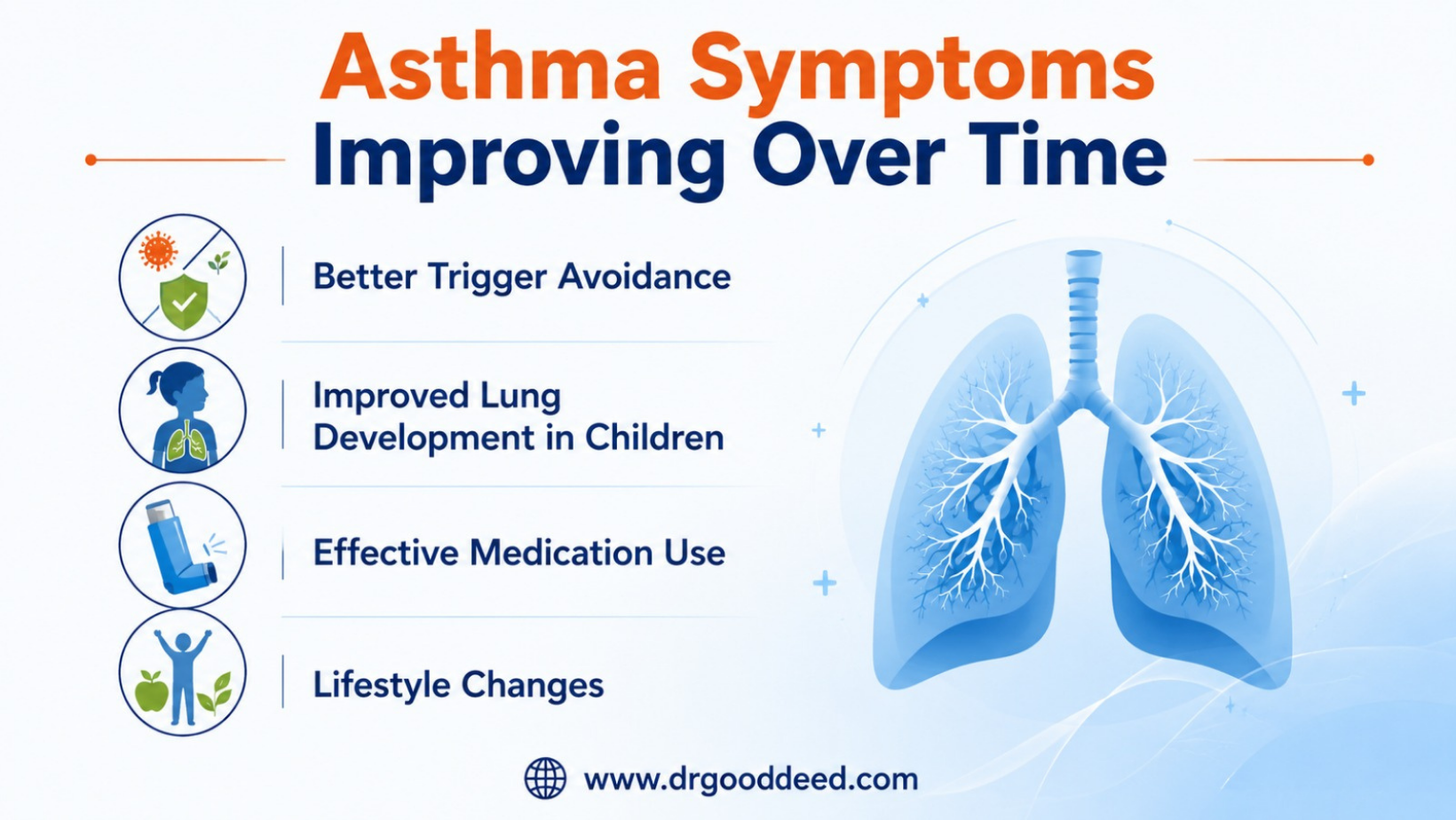
Asthma symptoms improving over time happens through four main paths: fewer triggers, lung growth in kids, consistent medication use, and lifestyle shifts.
Better Trigger Avoidance
Cutting exposure to dust mites, pet dander, smoke, and mold reduces how often airways get irritated. Fewer triggers mean fewer flare-ups, even if the underlying asthma never fully disappears.
Improved Lung Development in Children
Children’s airways widen and their immune systems shift as they grow, which can calm allergic asthma. This growth phase explains most cases where asthma disappears with age during the teen years.
Effective Medication Use
Daily inhaled corticosteroids control inflammation before it triggers symptoms. Patients who use them consistently report fewer rescue inhaler days than those who only treat flare-ups after they start.
Lifestyle Changes
Quitting smoking, losing excess weight, and treating acid reflux all reduce airway irritation. Regular moderate exercise also improves lung capacity and lowers flare-up frequency over months.
Asthma Remission Signs
Spotting asthma remission signs helps asthma go away. Asthma remission signs follow a specific clinical pattern doctors look for before calling a case controlled. Major medical groups define clinical remission as meeting these markers for at least 12 straight months. Spotting them early helps you and your doctor track real progress.
Reduced Need for Rescue Inhalers
Needing a rescue inhaler no more than once a month signals good control. Daily or weekly use points to inflammation that still needs attention.
Normal Lung Function Tests
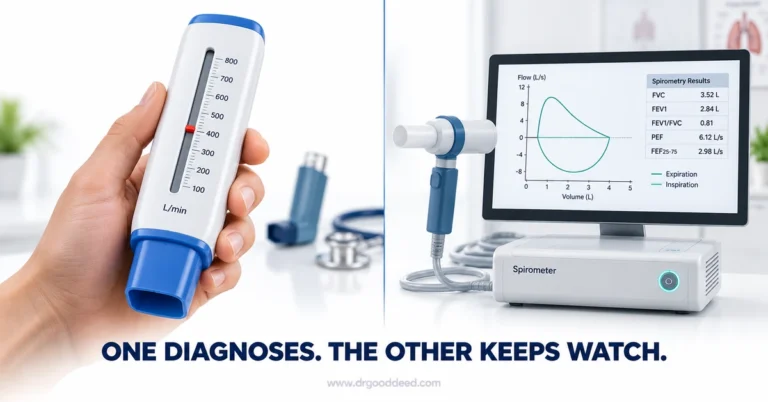
Two separate spirometry tests showing normal airflow, months apart, support a remission diagnosis. One good test alone does not confirm it.
No Recent Asthma Attacks
No flare-ups requiring a doctor visit, ER trip, or oral steroids for a full year is a core remission marker. Even one steroid course resets that clock.
Stable Symptoms Without Frequent Flare-Ups
Going months without wheezing, chest tightness, or nighttime coughing, on low or no controller medication, rounds out the remission signs doctors track.
Can Asthma Come Back After Years Without Symptoms?
Yes. Asthma can go away and then relapse is common even after a decade or two of calm. Airway inflammation can sit dormant, silent on tests, until a new trigger wakes it up.
Common relapse triggers include:
- Viral respiratory infections
- Pregnancy
- Menopause
- Weight gain
- Smoking, including secondhand exposure
- Air pollution and wildfire smoke
- Moving to a high-allergen environment
- New occupational exposure
- Aging lungs and reduced elasticity
Research following adults for 30 years found childhood remission does not guarantee lifelong freedom from symptoms. One Irish study even found ongoing airway inflammation in people who seemed fully outgrown, meaning the disease process was never truly gone, just quiet.
Medications That Control Asthma Symptoms
Medications that control asthma symptoms fall into five main categories, each targeting a different part of the disease process. Matching the right drug to your asthma severity matters more than chasing a single “best” option.
Rescue Inhalers
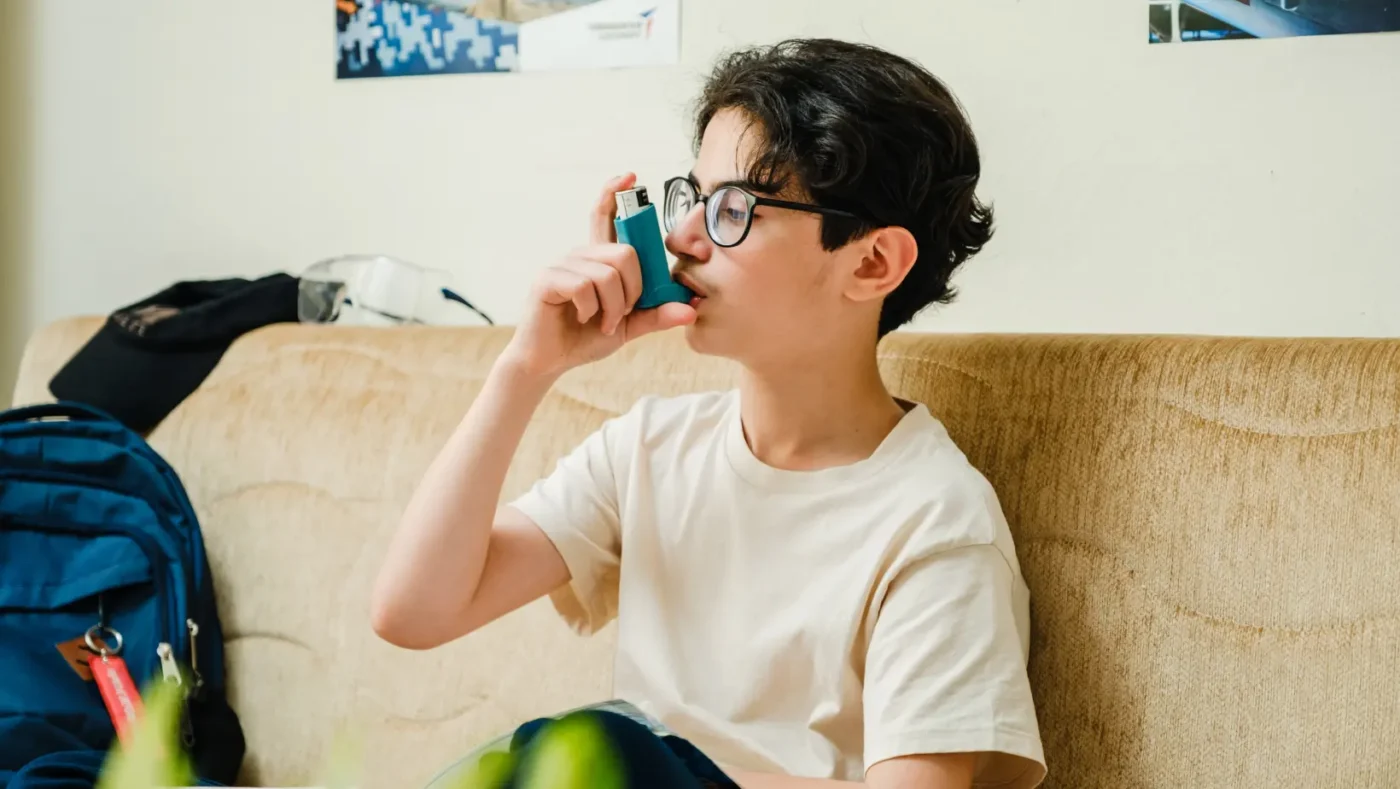
Short-acting bronchodilators like albuterol open airways within minutes during a flare-up. They treat symptoms fast but do nothing for the underlying inflammation.
Inhaled Corticosteroids
These reduce airway inflammation daily and form the backbone of long-term control for persistent asthma. Most guidelines now recommend them even for mild, intermittent cases.
Long-Acting Bronchodilators
Combined with inhaled steroids, these keep airways open for 12 hours or more. They are never used alone due to safety concerns.
Leukotriene Modifiers
Pills like montelukast block inflammatory chemicals tied to allergic asthma and exercise-induced symptoms. They work well as an add-on for patients who prefer avoiding extra inhalers.
Biologic Therapies for Severe Asthma
Injectable drugs targeting specific immune pathways help patients with severe, hard-to-control asthma who do not respond to standard inhalers. These have reshaped outcomes for the most severe cases over the past decade.
Can You Stop Using Your Inhaler If You Feel Fine?
No. Stopping suddenly, even after months of feeling well, raises the risk of a rebound flare-up. Airway inflammation can persist below the surface without symptoms, and stopping medication removes the barrier keeping it quiet. Any tapering plan should come from your doctor, based on lung function tests, not how you feel on a given week.
What Increases the Chances of Long-Term Asthma Remission?
Early, accurate diagnosis before airway remodeling sets in gives the best long-term odds. Consistent inhaled steroid use during childhood, avoiding smoking, maintaining a healthy weight, and treating allergies aggressively all raise the chances of lasting remission. Regular checkups that track lung function, not just symptoms, catch silent inflammation before it causes a relapse.
Can Asthma Be Reversed? What Current Research Actually Says
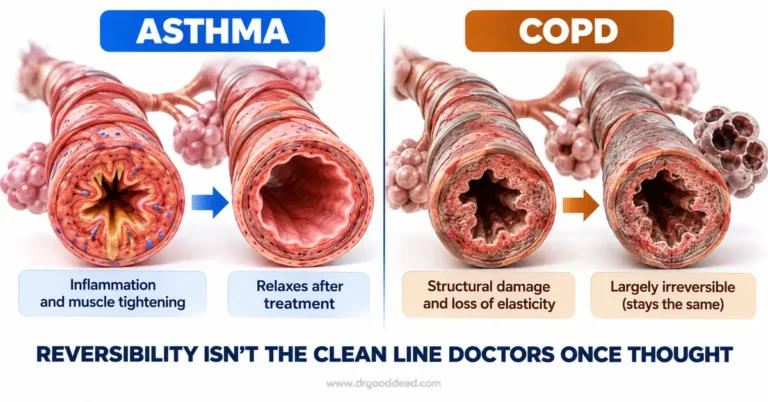
Current research draws a clear line between remission and a cure. A 2024 scoping review of pediatric remission definitions found most studies define it by absence of symptoms alone, not by proof the underlying disease is gone. That distinction matters. Airway hyperresponsiveness and low-grade inflammation often persist even when someone feels completely normal, which is why doctors describe asthma as a condition you manage into remission, not one you cure.
FAQs
Can asthma go away permanently?
Rarely. Only about 15% of children with diagnosed asthma reach strict remission with no symptoms, no medication, and normal lung function by early adulthood. Most cases stay quiet rather than fully resolving.
Can adults outgrow asthma?
No, adult-onset asthma rarely resolves. Persistent airway inflammation and, in some cases, structural changes make adult asthma more likely to need ongoing management than childhood cases.
Can asthma come back after years without symptoms?
Yes. Relapse after 10 to 20 symptom-free years happens through triggers like viral infections, pregnancy, weight gain, and new allergen exposure reactivating dormant airway inflammation.
Should I stop my asthma medication if I feel better?
No. Stopping without medical guidance risks a rebound flare-up, since inflammation can persist silently even when symptoms disappear completely for months.
What triggers asthma to return?
Viral infections, pregnancy, menopause, weight gain, smoking, air pollution, moving to high-allergen areas, and new job-related chemical exposure are the most documented relapse triggers.
Can lifestyle changes improve asthma?
Yes. Quitting smoking, losing excess weight, and treating acid reflux all reduce airway irritation and cut flare-up frequency within a few months of consistent change.
Can childhood asthma return in adulthood?
Yes, in up to half of cases. Studies show many children who appear symptom-free by their teens see symptoms resurface later, often triggered by infection or hormonal shifts.
Is asthma considered a chronic disease?
Yes. Asthma is classified as a chronic inflammatory airway disease by the CDC and WHO, meaning it requires long-term monitoring even during symptom-free stretches.
Can exercise improve asthma symptoms?
Yes, moderate regular exercise strengthens lung capacity and reduces flare-up frequency over time, though intense exercise without warmup can trigger symptoms in some patients.
When should I see a doctor for worsening asthma?
See a doctor if you use a rescue inhaler more than twice a week, wake up at night with symptoms, or notice reduced exercise tolerance lasting more than a few days.
Sources
- FastStats: Asthma, CDC/NCHS
- Can You Overcome Asthma? Remission vs. a Cure, ScienceInsights
- Childhood factors associated with asthma remission after 30 year follow up, PMC
- Children outgrowing asthma: What are the odds, what are the facts?, ScienceDirect
- The definition of asthma remission in children: A scoping review by the WAO Paediatric Asthma Committee
- The Status of Asthma in the United States, CDC Preventing Chronic Disease
- Most Recent Asthma Data, CDC
- AAFA Asthma Facts and Figures
- Contemporary Concise Review 2023: Asthma, Respirology
- Asthma Statistics, American Academy of Allergy, Asthma & Immunology