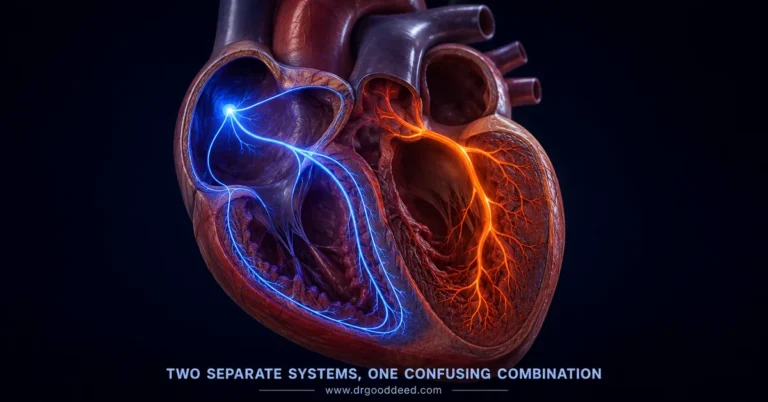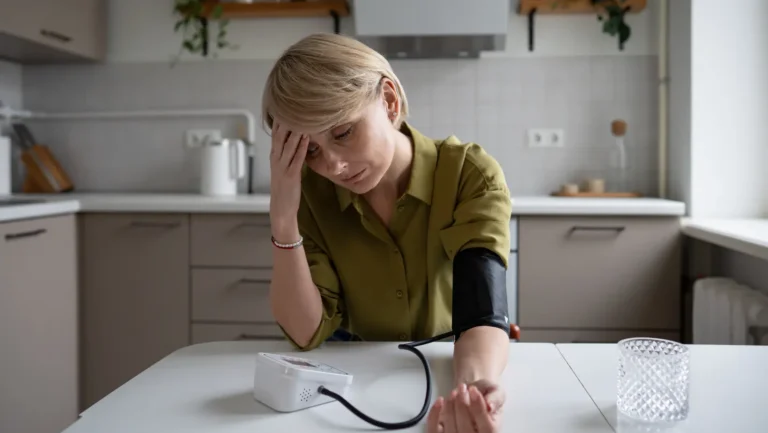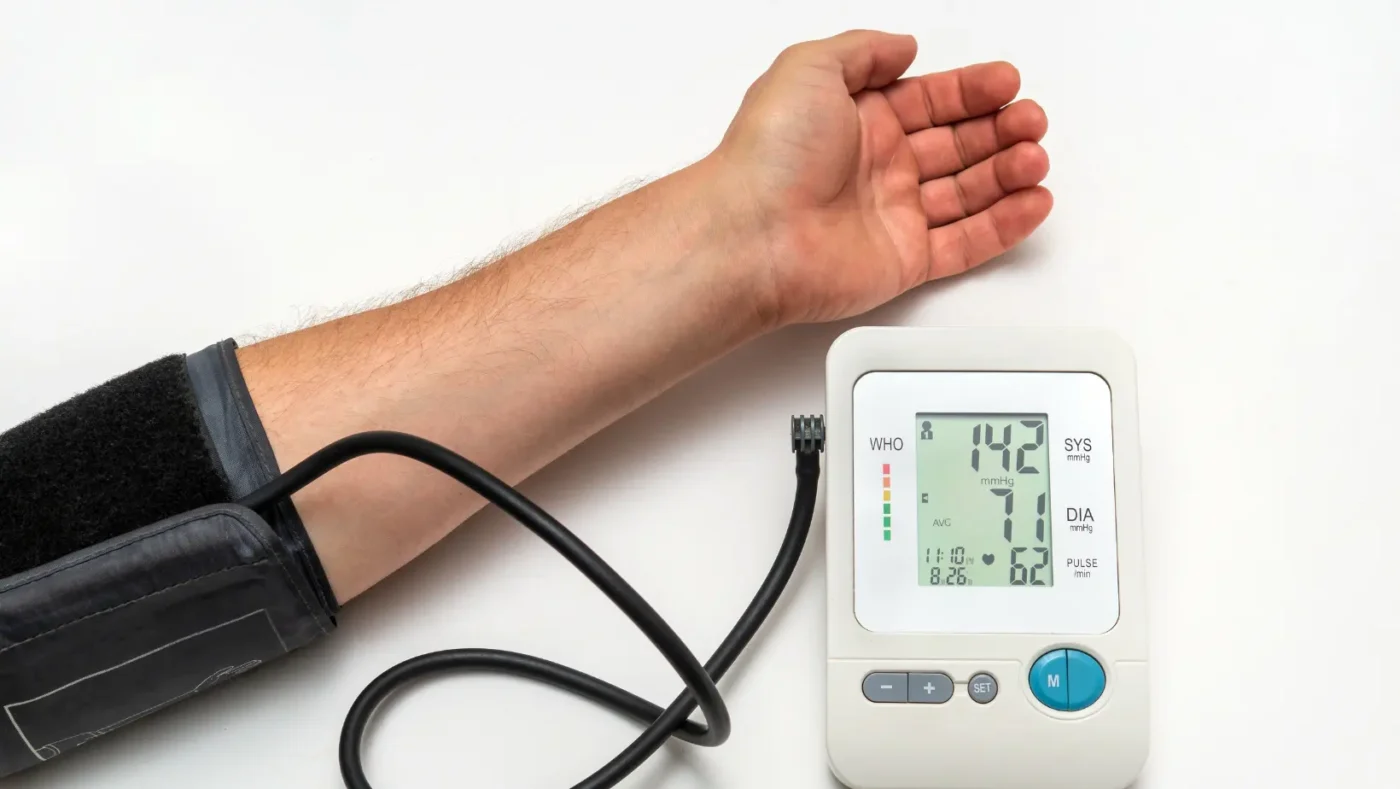

High blood pressure can cause dizziness. Most people with hypertension feel completely normal, which is why doctors call it the silent condition. But in specific situations, such as a sudden spike, a medication that drops pressure too fast, or another illness happening at the same time, high blood pressure and dizziness can show up together. This guide breaks down when the two are actually connected, what the dizziness feels like, and what to do about it.
Does High Blood Pressure Actually Cause Dizziness?
Hypertension rarely causes dizziness on its own. Studies looking at large groups of patients found dizziness in roughly 1 in 5 people with untreated high blood pressure, only slightly more than people with normal readings. So high blood pressure causes dizziness far less often than most people assume.
Hypertension earned the nickname “silent killer” because it damages arteries for years without producing a single symptom. Your blood vessels can be under constant strain while you feel completely fine. That silence is exactly why regular blood pressure checks matter more than waiting to “feel” a problem.
Dizziness can still happen with hypertension, just not through the mechanism most people picture. It shows up mainly during sudden spikes, after starting or adjusting blood pressure medication, or when a second condition, like an inner ear problem or low blood sugar, happens at the same time. High blood pressure can cause dizziness in these narrower situations.
Many people assume every dizzy spell means their pressure is high. In reality, dizziness has dozens of causes, from dehydration to anxiety to ear infections. Blaming blood pressure for every wobble can delay finding the real cause. If dizziness keeps happening, get it checked instead of guessing.
Why Dizziness Can Happen When Blood Pressure Is High
High blood pressure can cause dizziness in specific scenarios. Three situations explain almost every real case: a sudden pressure spike, a medication overshoot, or an overlapping health issue. Each works through a different pathway in the body, and knowing which one applies changes what you should do next.
During a Sudden Blood Pressure Spike
A quick jump to 180/120 mm Hg or higher is called a hypertensive crisis by the American Heart Association. At this level, blood vessels in the brain can struggle to handle the pressure, and some people feel dizzy, get a pounding headache, or notice blurred vision. This is different from everyday high readings. It is a rapid, extreme spike, not a gradual rise over months.
When Blood Pressure Medications Lower Pressure Too Much
This is the most common real link between hypertension and feeling dizzy. Diuretics, beta blockers, ACE inhibitors, and calcium channel blockers all lower blood pressure. If the dose is too strong, or if you become dehydrated while taking them, your pressure can drop below what your brain needs for steady blood flow. Standing up then triggers lightheadedness.
When Another Medical Condition Exists Alongside Hypertension
People with diabetes often develop nerve damage called autonomic neuropathy, which slows the body’s ability to adjust blood pressure when standing. Heart rhythm problems, anemia, and inner ear disorders can also sit alongside hypertension and produce dizziness that has nothing to do with the blood pressure number itself.
What Does Blood Pressure-Related Dizziness Feel Like?
Dizziness is not one single feeling. Sorting out which type you have narrows down the cause fast:
- Lightheadedness: A woozy, about-to-faint feeling, often tied to a sudden pressure drop after standing.
- Vertigo: A spinning sensation, usually from the inner ear, rarely from blood pressure.
- Imbalance: Feeling unsteady on your feet without spinning, common in older adults on multiple medications.
- Presyncope: Graying vision, ringing ears, and weak knees right before nearly passing out.
High blood pressure can cause dizziness that feels like true spinning vertigo. Rarely. Vertigo almost always points to the inner ear or the brain’s balance centers, not the arteries. Lightheadedness after standing is the pattern most closely tied to blood pressure changes.
Causes of Dizziness With Hypertension
Several specific causes of dizziness with hypertension show up again and again in clinical practice. Here is how each one works.
Blood Pressure Medications
Diuretics flush out fluid and can leave you dehydrated. Alpha blockers and beta blockers relax blood vessels so much that pressure dips low, especially with the first dose. Ask your doctor if timing your dose differently, such as at bedtime, reduces daytime dizziness.
Orthostatic Hypotension
This happens when blood pressure drops sharply within a few minutes of standing, per Mayo Clinic. A drop of 20 mm Hg in the top number or 10 mm Hg in the bottom number counts as orthostatic hypotension. It gets more common after age 65 and is a well-documented side effect of several blood pressure drugs.
Dehydration
Low fluid volume means less blood for your heart to pump, so pressure falls when you stand. Hot weather, illness, or skipping fluids while on a diuretic all raise this risk.
Inner Ear Disorders
Conditions like benign paroxysmal positional vertigo (BPPV) or Meniere’s disease cause spinning dizziness that has nothing to do with blood pressure. They are actually the most common cause of vertigo in adults overall.
Heart Rhythm Problems
Atrial fibrillation and other arrhythmias can reduce how efficiently the heart pumps blood to the brain, causing dizziness that shows up with or without high blood pressure present.
Anxiety and Panic Attacks
Fast breathing during anxiety changes blood carbon dioxide levels, which can trigger lightheadedness. Anxiety can also temporarily raise blood pressure readings, which confuses the picture further.
Low Blood Sugar
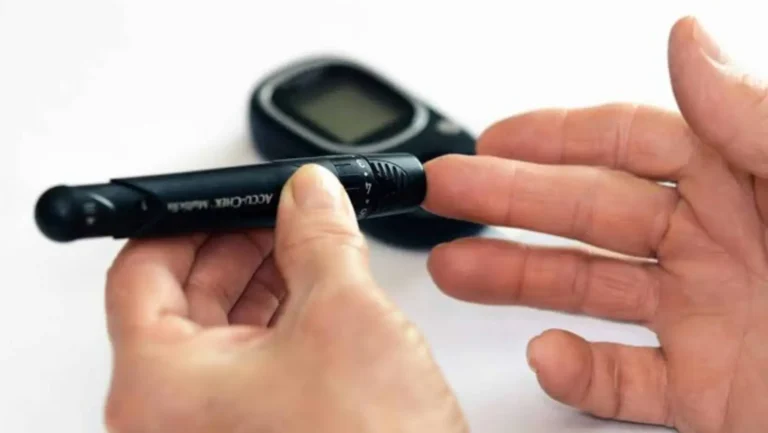
People with diabetes who also have hypertension sometimes swing between high and low glucose. A sugar crash produces shakiness, sweating, and dizziness that mimics a blood pressure problem.
What You Should Do If You Feel Dizzy and Have High Blood Pressure
Knowing how to deal with feeling dizziness starts with figuring out how severe the situation is. Here is a scenario-based plan.
Scenario 1: Mild dizziness with no emergency symptoms
- Sit or lie down right away.
- Avoid sudden head movements or standing up fast.
- Drink water if you have not had enough fluids that day.
- Recheck your blood pressure after resting 5 to 10 minutes.
- Write down recent medication changes, meals, heat exposure, or exercise.
- Book a medical review if dizzy spells keep coming back.
Scenario 2: Blood pressure is very high but you feel otherwise stable
- Confirm the reading using proper cuff technique and a rested arm.
- Sit quietly and measure again after several minutes.
- Call your health care provider the same day for guidance.
- Do not take an extra dose of medication unless a clinician tells you to.
Scenario 3: Dizziness with emergency warning signs Call 911 immediately if dizziness comes with chest pain, slurred speech, sudden numbness, severe headache, or vision loss, especially with a reading above 180/120 mm Hg. These are signs of dangerously high blood pressure that need emergency treatment, not a wait-and-see approach.
FAQ
Why isn’t dizziness a common symptom of hypertension?
Chronic high blood pressure builds slowly, and the brain adjusts to it over time. Dizziness needs a sudden change in blood flow, which steady, long-term hypertension usually does not cause.
Can a hypertensive crisis make you feel dizzy?
Yes. A reading above 180/120 mm Hg can strain brain blood vessels enough to cause dizziness, headache, and blurred vision within minutes.
Can blood pressure medications cause dizziness?
Yes. Diuretics, beta blockers, and ACE inhibitors can lower pressure too far, especially with a new prescription or a higher dose.
What should I do if I feel dizzy and have high blood pressure?
Sit down immediately, recheck your pressure after resting, and contact your doctor if dizziness repeats or your reading tops 180/120 mm Hg.
When should dizziness be considered a medical emergency?
When it comes with chest pain, slurred speech, facial drooping, sudden weakness, or a blood pressure reading above 180/120 mm Hg. Call 911 right away.
How can I tell if my dizziness is related to blood pressure?
Check your reading the moment dizziness starts. A low reading on standing suggests orthostatic hypotension; a very high reading suggests a hypertensive crisis.
Should I check my blood pressure when I feel dizzy?
Yes. A reading taken during the dizzy episode, not hours later, gives your doctor the clearest picture of what triggered it.
Can stress cause both high blood pressure and dizziness?
Yes. Stress hormones spike blood pressure temporarily and can also cause rapid breathing, which lowers blood carbon dioxide and triggers lightheadedness.
How can I prevent dizziness while taking blood pressure medication?
Stand up slowly, stay hydrated, and ask your doctor about dose timing. Report new dizziness within days, not months, of starting a drug.
Sources
- American Heart Association: When To Call 911 About High Blood Pressure
- American Heart Association: Signs and Symptoms of High Blood Pressure
- Mayo Clinic: Orthostatic Hypotension, Symptoms and Causes
- Mayo Clinic: Orthostatic Hypotension, Diagnosis and Treatment
- Cleveland Clinic: Hypertensive Crisis
- Cleveland Clinic: Orthostatic Hypotension
- NCBI/StatPearls: Hypertensive Crisis
- NCBI: Pharmacological Interventions for Orthostatic Hypotension, Systematic Review
- National Institute of Diabetes and Digestive and Kidney Diseases: Diabetic Neuropathy
- Medscape/eMedicine: Hypertensive Emergencies