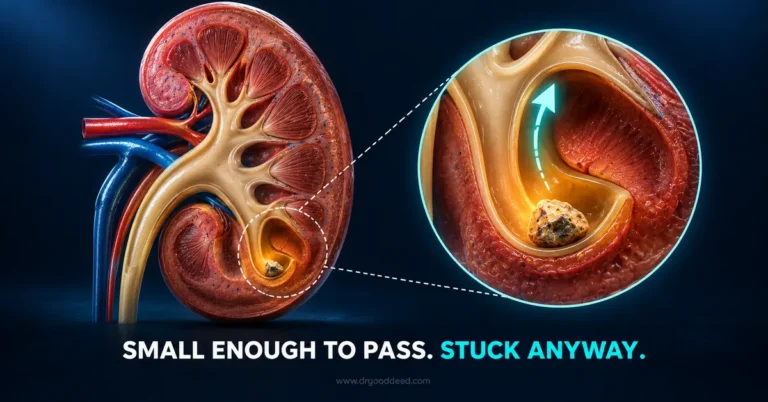

If you were just told you have stage 2 kidney disease, this stage is mild and manageable with the right habits and medical follow-up. Stage 2 CKD means your kidneys are working a little less efficiently than normal, but they can still be treated and fixed.
What Is Stage 2 Kidney Disease?
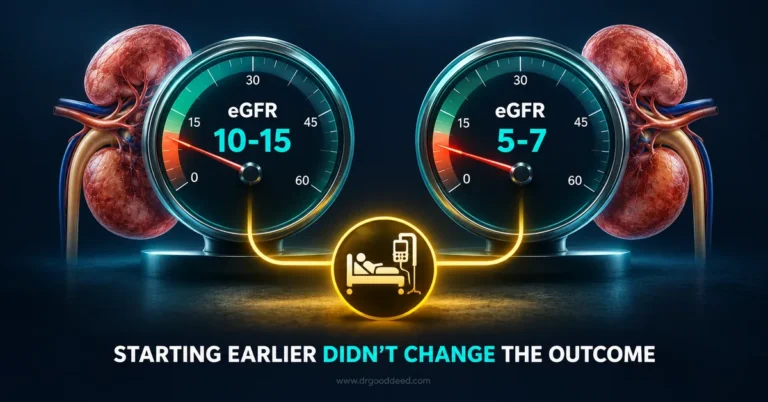
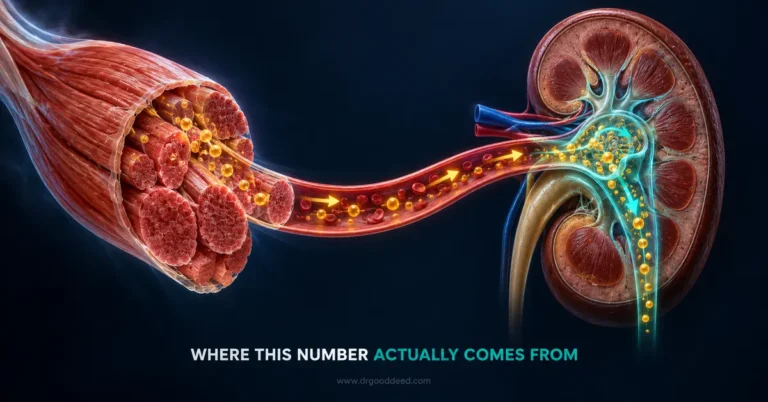
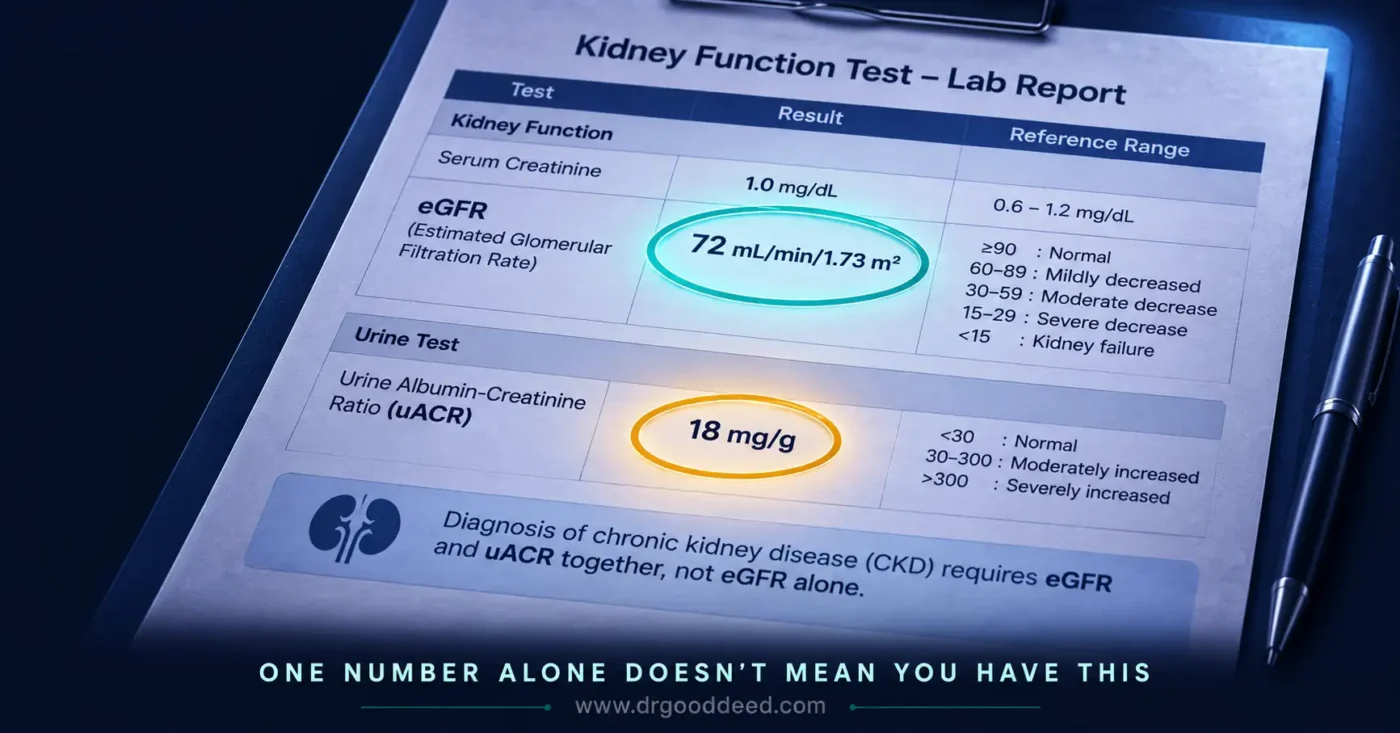
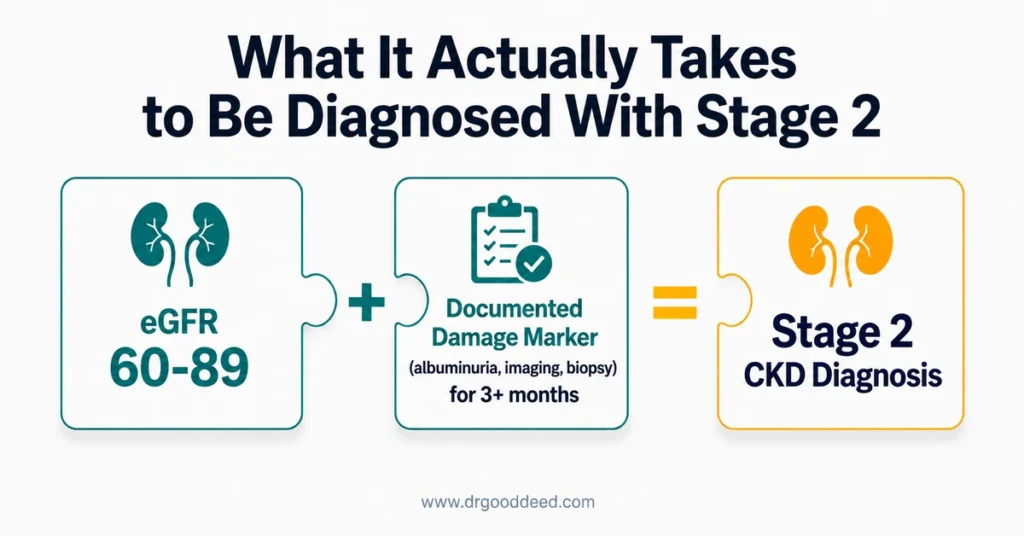
Stage 2 kidney disease is the second of five stages used to describe chronic kidney disease stages, based on how well your kidneys filter waste from your blood. Doctors measure this with a number called eGFR (estimated glomerular filtration rate), which estimates how much blood your kidneys clean per minute. In stage 2 CKD, your eGFR falls between 60 and 89, paired with some sign of kidney damage that has lasted three months or longer. On its own, this stage usually causes no pain and no obvious change in how you feel day to day.
Why an eGFR of 60 to 89 Alone Does Not Mean Stage 2 CKD
An eGFR 60 to 89 reading by itself does not automatically mean you have stage 2 chronic kidney disease. Kidney function naturally drifts downward with age, and plenty of healthy 60 or 70-year-olds sit in this range without any disease at all.
To be classified as stage 2, you need a documented kidney damage marker that has shown up consistently for at least three months. The most common one is albuminuria, meaning your kidneys are leaking small amounts of protein (albumin) into your urine. This is usually measured through a uACR test (urine albumin to creatinine ratio). Other qualifying kidney damage markers include structural abnormalities seen on imaging, a history of a kidney transplant, or abnormal findings on a kidney biopsy. Without one of these, an eGFR in this range is simply labeled “mildly reduced,” not a disease stage.
Symptoms of Stage 2 Kidney Disease
When stage 2 kidney disease symptoms do appear, they tend to be subtle and easy to blame on something else, such as:
- Mild swelling around the ankles or eyes
- Slightly foamy or bubbly urine, often linked to protein loss
- Feeling more tired than usual
- Needing to urinate more at night
- Mild, unexplained changes in appetite
Because these signs overlap with everyday fatigue or aging, most people learn about their stage 2 kidney disease symptoms status only after a lab test flags it.
What Causes Stage 2 Kidney Disease?
Diabetes and high blood pressure cause the vast majority of chronic kidney disease cases in the United States, and stage 2 CKD is no exception. High blood sugar damages the tiny filtering units inside the kidneys, called nephrons, over years of exposure. High blood pressure adds extra strain to the small blood vessels that feed those same filters.
Other contributors include a family history of kidney disease, obesity, recurrent kidney infections, long-term use of certain pain medications, and autoimmune conditions such as lupus. Sometimes stage 2 chronic kidney disease develops as a lingering effect after an earlier episode of acute kidney injury that never fully resolved.
How Stage 2 Kidney Disease Is Diagnosed
Diagnosis usually starts with a routine blood test ordered during a regular checkup. Your doctor calculates eGFR from a creatinine blood test, then confirms stage 2 kidney disease with a urine test checking for albuminuria through the uACR measurement. Doctors repeat these tests at least three months apart to confirm the pattern is lasting rather than temporary, since dehydration, infection, or intense exercise can briefly lower kidney function. Additional tests, such as a kidney ultrasound or blood pressure monitoring, may help pinpoint the underlying cause.
Can Stage 2 Kidney Disease Be Reversed?
No, the kidney damage itself is not reversible. Kidney tissue does not regenerate the way skin or liver tissue can. But for many people asking whether can stage 2 kidney disease be reversed, progression can be stopped. With consistent blood sugar control, blood pressure management, and lifestyle changes, eGFR can stabilize for years, and in some cases even improve slightly as inflammation settles down.
What Is the Outlook With Stage 2 Kidney Disease?
Most people diagnosed with stage 2 kidney disease go on to live full, active lives, especially when the diagnosis is caught early and managed consistently. CKD progression is not automatic or guaranteed.
Many people stay in stage 2 for years, or their entire lives, without ever advancing to stage 3. The outlook depends heavily on the underlying cause, how well blood sugar and blood pressure stay controlled, and how closely you follow up with your doctor. Regular monitoring, roughly once a year for most people at this stage, lets your care team catch any downward shift early and adjust your plan before it becomes a bigger problem.
How to Slow the Progression of Stage 2 CKD
Slowing stage 2 kidney disease comes down to protecting your blood vessels and easing the workload on your kidneys. That means managing blood sugar and blood pressure, adjusting your diet, staying active, and taking prescribed medications consistently.
Diet and Lifestyle Changes
A stage 2 kidney disease diet needs to cut back on sodium to help control blood pressure, so watch out for processed and restaurant food, which often hides large amounts of salt.
Staying within a healthy protein range matters too, since very high protein intake can add strain to the kidneys over time, though you should not cut protein drastically without medical guidance. Other helpful changes include:
- Limiting added sugars and refined carbohydrates to support blood sugar control
- Staying well hydrated, unless your doctor has told you otherwise
- Reaching or maintaining a healthy body weight
- Getting regular moderate exercise, such as walking or cycling
- Quitting smoking, which speeds up CKD progression independent of other factors
- Limiting alcohol intake
Small, sustainable changes to your stage 2 kidney disease diet tend to stick better than dramatic overhauls.
Medications That May Help
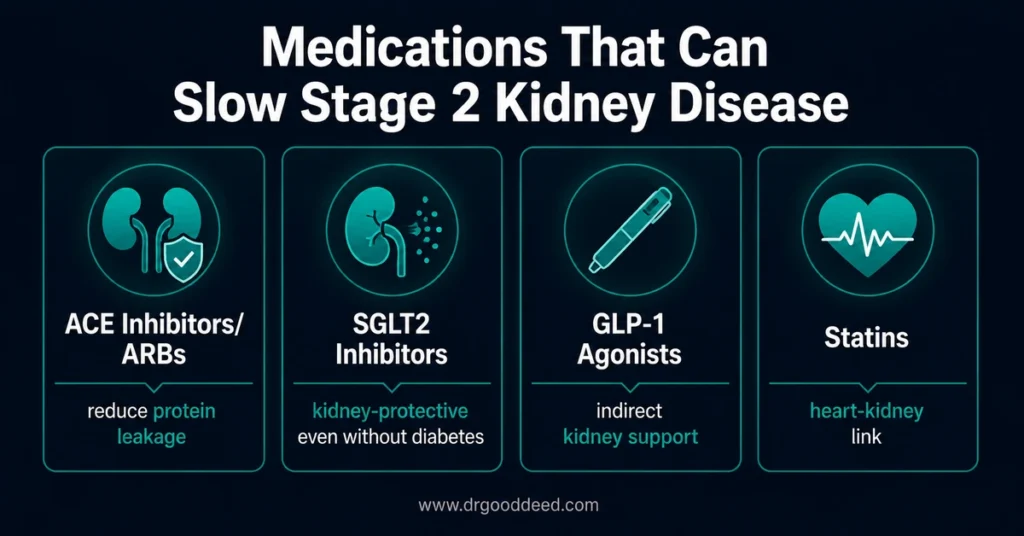
Depending on your underlying cause and lab results, your doctor may recommend one or more medication categories.
- ACE inhibitors or ARBs (angiotensin receptor blockers) relax blood vessels and lower pressure inside the kidney’s filtering units, which can reduce protein leakage.
- SGLT2 inhibitors, originally developed for diabetes, have shown kidney-protective effects even in people without diabetes by easing pressure inside the nephrons.
- GLP-1 receptor agonists, another diabetes medication class, are increasingly used because of their benefits for weight, blood sugar, and cardiovascular health, which indirectly supports kidney health.
- Statins may be prescribed to manage cholesterol, since heart and kidney health are closely linked.
Dosage varies by age, kidney function, and other health conditions, so your doctor will personalize your treatment.
When to See a Doctor
See your doctor promptly if you notice new swelling in your legs or face, a significant drop in how often you urinate, persistent foamy urine, unusual fatigue, or unexplained nausea. Even without symptoms, keep every scheduled follow-up appointment for stage 2 kidney disease, since lab monitoring is how most changes get caught. If you have diabetes, high blood pressure, or a family history of kidney disease, ask your doctor about routine eGFR and uACR screening even before any symptoms appear.
FAQs
Is stage 2 kidney disease serious?
Stage 2 kidney disease is considered mild. It is worth taking seriously because early action helps slow CKD progression, but it is not an emergency and most people manage it well long term.
Can stage 2 kidney disease be reversed?
No, existing kidney damage cannot be reversed, but progression to later stages can often be slowed or halted with blood sugar control, blood pressure management, and a suitable stage 2 kidney disease diet.
What is the difference between stage 1 and stage 2 kidney disease?
Stage 1 involves normal or high eGFR with kidney damage markers like albuminuria, while stage 2 CKD involves an eGFR 60 to 89 plus the same type of documented damage.
Does stage 2 kidney disease always get worse?
No. Many people remain in stage 2 chronic kidney disease for years without progressing, particularly when the underlying cause is well controlled.