
Heart skipping a beat is a common feeling, especially at rest or just before sleep, and it is usually caused by an early heartbeat followed by a short pause and a more forceful beat. These episodes are usually harmless, but see a doctor if they happen often, and get emergency help if they come with chest pain, fainting, or severe trouble breathing.
By knowing the possible causes, the warning signs, and the available diagnostic tests, you’ll be in a better position to decide when to get medical care.
Key Takeaways
- Heart skipping a beat is usually a harmless early beat followed by a pause, but chest pain, fainting or breathlessness needs urgent care.
- Caffeine, alcohol, stress, poor sleep, and dehydration can trigger skipped beats.
- Premature atrial contractions (PACs) and premature ventricular contractions (PVCs) are common types of early heartbeats.
- Frequent, prolonged, or worsening palpitations may need an ECG and heart rhythm monitoring.
| What you feel | What it may be | Next step |
| An occasional skip followed by a hard thump | A premature atrial or ventricular contraction | Occasional, brief episodes may not need evaluation if there are no other symptoms. |
| Frequent, prolonged, or worsening episodes | Frequent ectopic beats or another rhythm problem | See a primary care doctor or GP for assessment. |
| A fast, irregular heartbeat that comes and goes | Possible atrial fibrillation | Seek prompt medical assessment because it can increase stroke risk. |
| Skipped beats with chest pain, fainting, or severe breathlessness | A potentially serious heart rhythm problem or heart attack | Call 911 in the US or 999 in the UK. |
What Happens When Your Heart Skips a Beat?
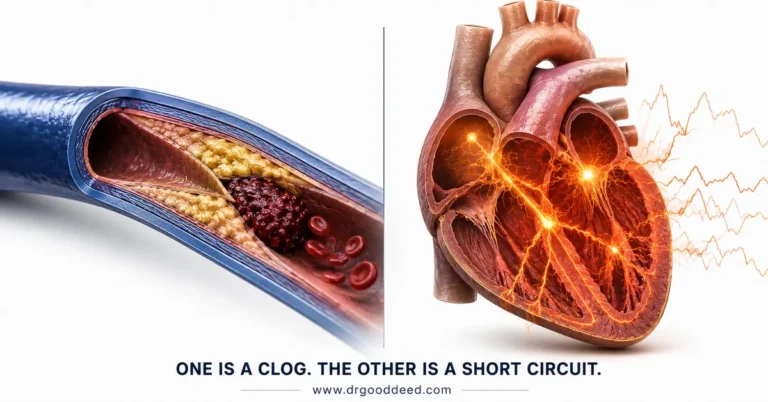
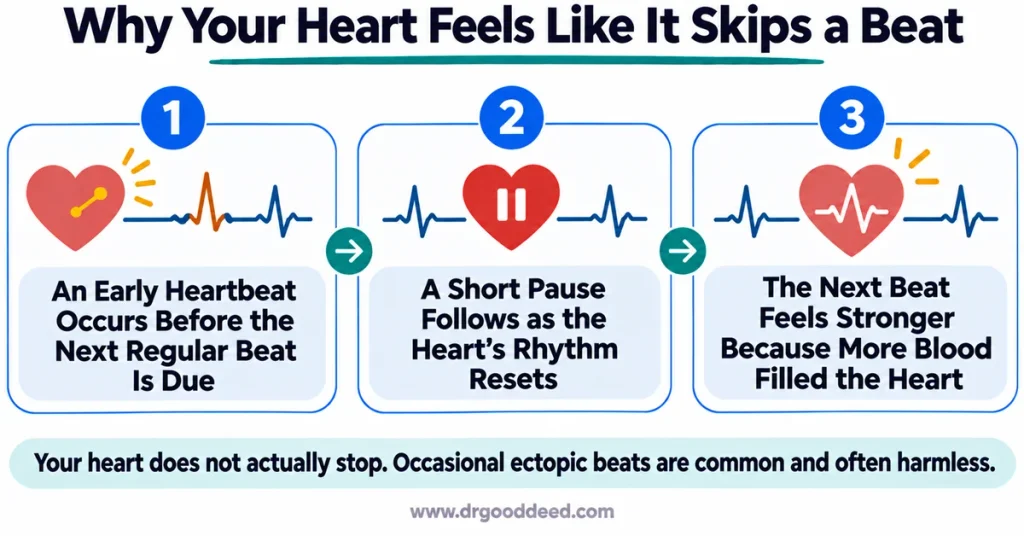
Heart skipping a beat usually starts with an early beat, and the pause and stronger beat that follow are what you actually feel. When your heart skips a beat, it does not actually stop. These early heartbeats are called ectopic beats, and they can begin in either the upper or lower chambers of the heart.
Here is how the sensation develops:
1. An early heartbeat occurs before the next regular beat is due.
2. A short pause follows as the heart’s rhythm resets.
3. The next beat may feel stronger because more blood has filled the heart during the pause.
That stronger beat is often what people notice as a skipped heartbeat. Some people describe it as a flutter, a brief pause, a flip-flop sensation, or a sudden thud in the chest.
Cardiologist Alfred Buxton, in a Harvard Health article, offered the view that feeling these extra beats can sometimes be reassuring because a heart capable of producing a forceful beat may be functioning well. However, this is not a reliable way to assess heart health. Symptoms alone cannot rule out an underlying condition.
Occasional ectopic beats are common and often harmless. Persistent or worsening symptoms deserve medical evaluation.
What Causes Heart Palpitations and Skipped Beats?
Heart palpitations are sensations of a racing, pounding, fluttering, or irregular heartbeat. They often occur because of everyday triggers, although medicines, hormonal changes, medical conditions, and heart problems can also contribute. In many people, no cause is found.
Everyday triggers
- Caffeine from coffee, tea, energy drinks, or other sources.
- Alcohol, nicotine, and recreational stimulants.
- Stress, anxiety, panic, and emotional excitement.
- Poor sleep, strenuous exercise, dehydration, or fever.
Hormonal changes
- Menstrual cycle-related changes.
- Pregnancy-related changes in blood volume and heart rate.
- Perimenopause and menopause.
Medicines
Some medicines may cause palpitations, including certain asthma inhalers, blood pressure medicines, antihistamines, antibiotics, antidepressants, antifungals, decongestants, and diet pills.
Other medical conditions
- Overactive thyroid.
- Anemia or low blood sugar.
- Low blood pressure.
- Electrolyte imbalances.
Heart-related causes
- Abnormal heart rhythms, also called arrhythmias.
- Heart valve disease.
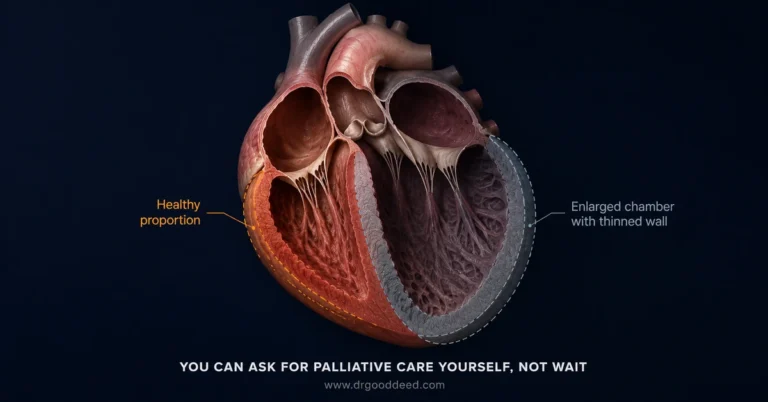
- Cardiomyopathy, which affects the heart muscle.
- Heart failure or a previous heart attack.
If you notice palpitations during periods of stress, read about the difference between stress and anxiety. If it happens after meals, read why your heart races after eating.
Avoiding known triggers may help reduce episodes. However, do not stop or change a prescribed medicine without speaking to your prescriber or GP.
Premature Atrial Contractions vs Premature Ventricular Contractions
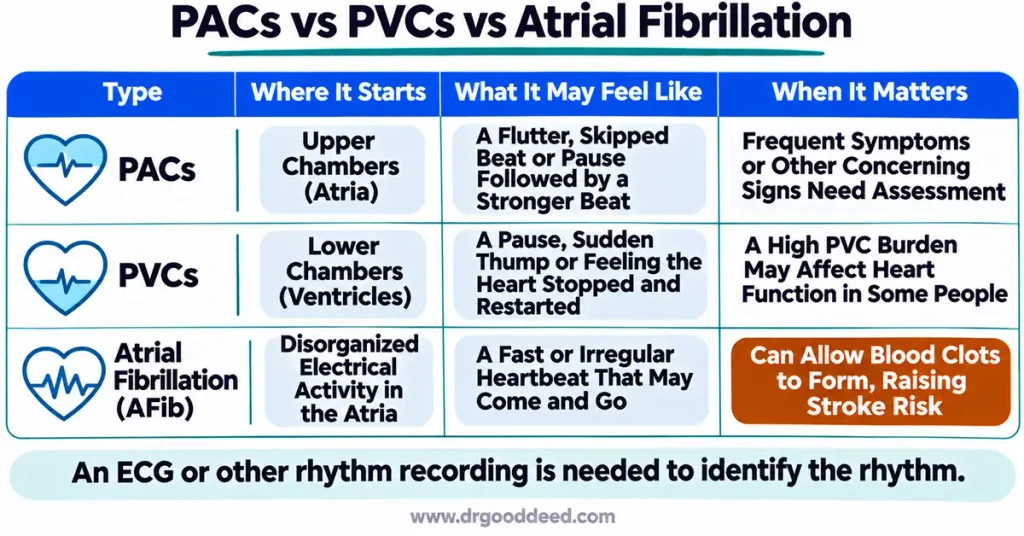
Premature atrial contractions and premature ventricular contractions are early heartbeats that begin in different chambers of the heart. Both are common and are often harmless, but the pattern and frequency of the beats help determine whether further evaluation is needed.
| Type | Where it starts | What it may feel like | When it matters |
| Premature atrial contractions (PACs) | Upper chambers, called the atria | A flutter, skipped beat, or pause followed by a stronger beat | Frequent symptoms or other concerning signs need assessment. |
| Premature ventricular contractions (PVCs) | Lower chambers, called the ventricles | A pause, a sudden thump, or a feeling that the heart stopped and restarted | A high PVC burden may affect heart function in some people. |
| Atrial fibrillation (AFib) | Disorganized electrical activity in the atria | A fast or irregular heartbeat that may come and go; sometimes there are no symptoms | It can allow blood clots to form, increasing the risk of stroke. |
PACs and PVCs are examples of ectopic beats. Atrial fibrillation is a different rhythm disorder, not simply an occasional extra beat.
A single skip followed by a strong beat is different from a sustained, irregular racing heartbeat. However, the sensation alone cannot reliably distinguish these conditions. An ECG or another heart rhythm recording is needed to identify the rhythm.
If you experience repeated episodes, worsening symptoms, or a new irregular heartbeat, arrange a medical assessment.
How Often Are Ectopic Beats Too Often?
There is no single number of skipped beats that determines whether everyone needs treatment. Doctors assess the frequency, type of ectopic beats, symptoms, medical history, and any effect on heart function.
For premature ventricular contractions, doctors may calculate the PVC burden, which is the percentage of all recorded heartbeats that are PVCs during a monitoring period, often 24 to 48 hours.
A 2024 study published in the Journal of Clinical Medicine discussed research linking higher PVC burdens with changes in heart function. The study’s authors reported the following research ranges:
| PVC burden | What research suggests |
| About 5% to 10% | European Society of Cardiology guidance discusses possible effects on heart function in this range. |
| Above 10% | One cited study identified this as the lowest burden associated with potentially reversible PVC-related cardiomyopathy. |
| About 24% to 26% or higher | Two cited studies found that higher burdens predicted impaired left ventricular function in selected patients. |
These are research ranges from selected patients, not diagnostic cut-offs, and they do not mean that everyone with this burden will develop heart disease. Most people with occasional skipped beats are nowhere near these levels.
Your doctor will determine whether monitoring or further tests are appropriate. The decision depends on the overall clinical picture, not just the number of extra beats.
How Are Skipped Beats Diagnosed?
Doctors diagnose skipped beats and heart palpitations by reviewing your symptoms and medical history, examining you, and recording your heart’s electrical activity. Because episodes may come and go, a normal ECG between episodes does not always rule out an intermittent rhythm problem.
Common tests include:
- History and examination: Your doctor asks how often the skips happen, how long they last, what triggers them, which medicines you take, and what other symptoms you have.
- Blood tests: These can check for anemia, thyroid problems, blood sugar changes, or electrolyte imbalances.
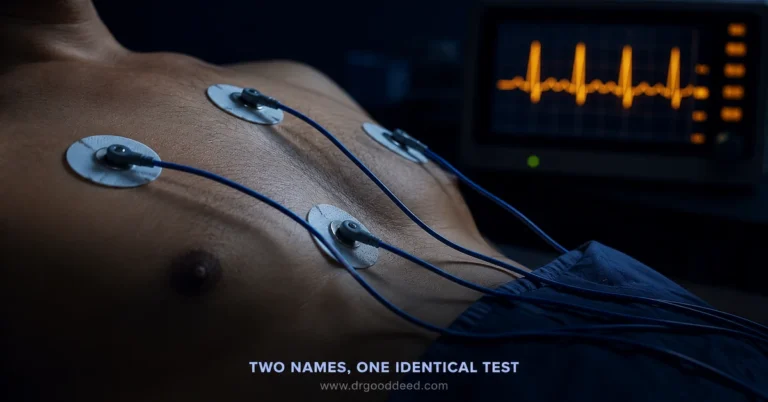
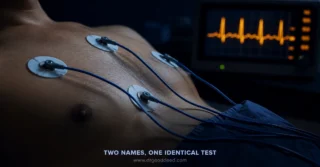
- ECG (electrocardiogram): This records the heart’s electrical activity and can show an abnormal rhythm.
- Holter monitor: This records the heart’s rhythm continuously, usually for 24 to 48 hours.
- Event recorder: This records heart rhythm during symptoms, depending on the device and how it is used.
- Echocardiogram: An ultrasound scan checks the heart’s structure and pumping function.
- Exercise ECG: This records heart activity during exercise when symptoms or the clinical history suggest an exercise-related problem.
In the UK, longer-term monitoring may require referral to a hospital or specialist service.
Smartwatches can track heart rate, and some models record an ECG. However, smartwatch ECG features cannot reliably diagnose or rule out atrial fibrillation on their own. A wearable alert is a reason to contact a healthcare professional, not a diagnosis. Increased attention to wearable readings can also make normal heartbeats more noticeable.
When Is Heart Skipping a Beat an Emergency?
Heart skipping a beat can indicate a medical emergency when it occurs with chest pain, fainting, severe breathlessness, or other serious symptoms. These symptoms can signal a dangerous heart rhythm problem or a heart attack.
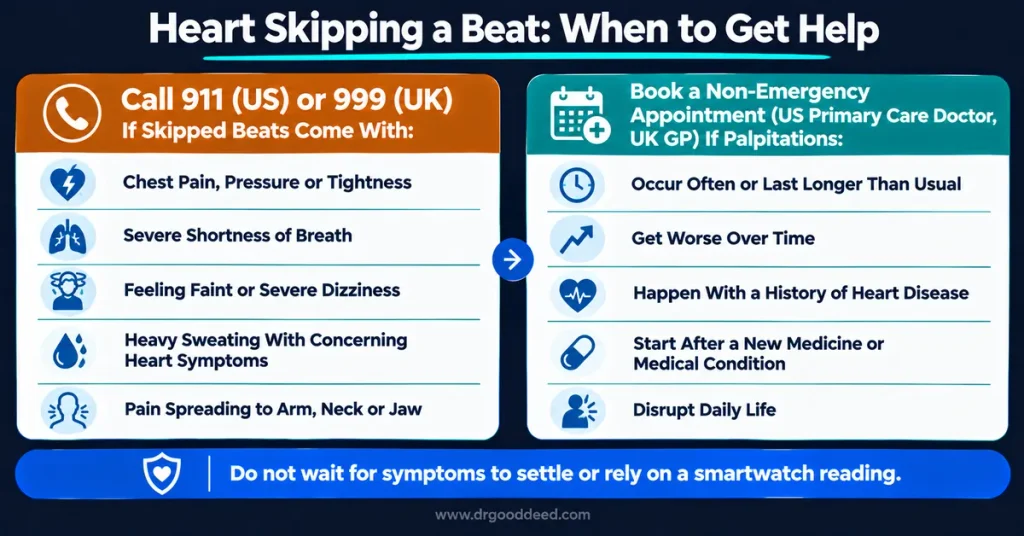
Call 911 in the US or 999 in the UK, or go to the emergency department or A&E, if skipped beats come with:
- Chest pain, pressure, or tightness.
- Severe shortness of breath.
- Feeling faint or as if you might faint.
- Severe dizziness or light-headedness.
- Heavy sweating with concerning heart symptoms.
- Pain or discomfort spreading to the arm, neck, or jaw.
Do not wait for the symptoms to settle or rely on a smartwatch reading before seeking help.
Learn more about what a heart attack feels like, including its warning signs.
When to make a non-emergency appointment
Arrange an appointment with a primary care doctor in the US or a GP in the UK if your palpitations:
- Occur often or last longer than usual.
- Become more noticeable or get worse over time.
- Happen when you have a history of heart disease.
- Start after a change in medicine or a new medical condition.
- Cause ongoing concern or disrupt daily activities.
Occasional skipped beats that pass quickly and do not affect daily life may not need a visit to the doctor. If the pattern changes or other symptoms appear, get medical advice.
Medical Disclaimer: This article is for informational and educational purposes only and does not replace professional medical advice, diagnosis, or treatment. Always consult a qualified healthcare professional about your symptoms or health concerns. Never delay or disregard professional medical advice based on information provided in this article.
Frequently Asked Questions
Is It Normal for Your Heart to Skip a Beat Once in a While?
Yes. In many people the heart skips a beat now and then, and this is common and often harmless. If skipped beats become frequent or long-lasting, or come with other symptoms, seek medical advice.
Can Anxiety Make Your Heart Skip a Beat?
Yes. Stress and anxiety can trigger palpitations. However, frequent or new symptoms should be assessed rather than automatically attributed to anxiety. Anxiety can also cause chest pain, but chest pain with skipped beats still needs urgent care.
Why Does My Heart Skip a Beat When I Lie Down at Night?
You may notice your heartbeat more when lying quietly because there are fewer distractions. If episodes are frequent, persistent, or concerning, consult a doctor. For more on sleep position, see whether sleeping on the left side is bad for your heart.
Can a Smartwatch Tell if My Skipped Beats Are Serious?
Not reliably. A smartwatch may detect an irregular rhythm, but it cannot diagnose every heart rhythm problem, so share concerning alerts with a healthcare professional.
Sources:
1. Harvard Health, When Should You Worry About Abnormal Heartbeats? link
2. PubMed, Premature Ventricular Contractions (PVCs): A Narrative Review. link
3. Journal of Clinical Medicine, Effects of Premature Ventricular Complex Burden on Left Ventricular Global Longitudinal Strain in Patients Without Structural Heart Disease (2024). link
4. Journal of Interventional Cardiac Electrophysiology, Premature Ventricular Complexes: Diagnostic and Therapeutic Considerations in Clinical Practice (Gorenek and others, 2020). link
5. American Family Physician, Diagnostic Approach to Palpitations (Abbott, 2005). link
Medical Disclaimer: This article is for general information only and is not medical advice. It does not replace a diagnosis, treatment plan, or guidance from a qualified healthcare professional. Always talk to your doctor about your own symptoms and before starting, stopping, or changing any treatment. If you think you may be having a medical emergency, call 911 or go to your nearest emergency room.