Hiccups after eating usually come from eating too fast, large portions, fizzy drinks or swallowed air, and most stop within minutes. Persistent hiccups after eating, lasting more than 48 hours or coming back after most meals, should be checked by a doctor (Mayo Clinic, 2023; NHS, 2023).
Key Takeaways
- Most hiccups after eating stop within minutes, but hiccups lasting more than 48 hours need medical assessment.
- Eating too quickly, overeating, drinking fizzy beverages, and eating spicy or very hot or cold foods can trigger hiccups.
- Acid reflux may contribute to persistent hiccups by irritating the esophagus and nerves involved in the hiccup reflex.
- Hiccups that keep returning after meals and interfere with eating or sleeping deserve medical attention.
- Some medicines and underlying health conditions can cause prolonged hiccups.
- Seek emergency care if hiccups occur with chest pain, severe breathing difficulty, or signs of a stroke.
Why Do You Get Hiccups After Eating?
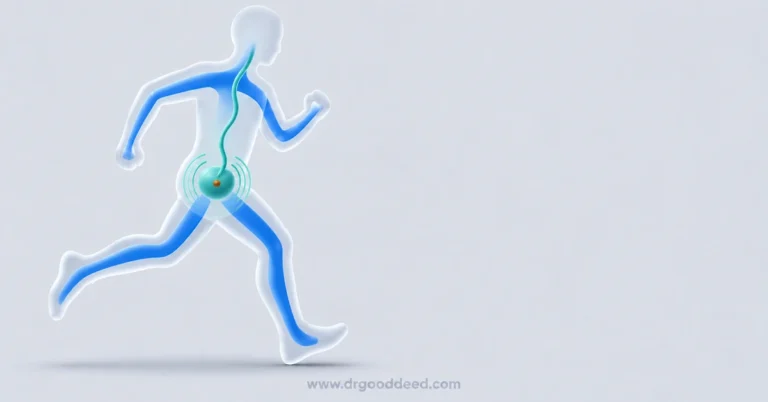
Hiccups occur when the involuntary contraction of the diaphragm causes sudden closure of the vocal cords to produce the characteristic hiccup sound. The diaphragm is a muscle under the lungs that aids in breathing.
Your diaphragm works with two important nerves, the vagus nerve and the phrenic nerve, which help control the hiccup reflex. When something irritates this reflex, your diaphragm may contract repeatedly.
Eating can trigger hiccups in several ways. A large meal can stretch your stomach, while eating quickly can cause you to swallow extra air. Certain foods and drinks may also trigger hiccups, particularly if you already experience bloating or reflux.
Common Eating Habits That Trigger Hiccups
Your everyday eating habits may explain why hiccups start shortly after a meal.
- Eating too quickly: When you rush through a meal, you may swallow more air, which can contribute to hiccups.
- Eating too much: A very full stomach can put pressure on the diaphragm and trigger involuntary contractions.
- Drinking fizzy beverages: Carbonated drinks release gas in your stomach, which may increase bloating and discomfort.
- Drinking alcohol: Alcohol can trigger hiccups in some people.
- Eating spicy food: Spicy meals may irritate your esophagus or trigger acid reflux.
- Eating very hot or cold foods: Sudden temperature changes may trigger hiccups in some people.
- Swallowing excess air: Chewing gum, smoking, or talking while eating can increase the amount of air you swallow.
You may notice that hiccups appear after certain meals but not others. For example, you might experience them after a large dinner or a fizzy drink but rarely after a smaller meal.
Pay attention to these patterns. Identifying your personal triggers may help you reduce how often hiccups occur.
If you also experience frequent burping or bloating, swallowed air could be contributing to your symptoms. Read more about abdominal pain and burping.

What Causes Persistent Hiccups?
Most hiccups after eating settle quickly. When they continue for hours or days, however, eating habits may not explain the entire problem.
Persistent hiccups can develop because of digestive problems, nerve irritation, certain medicines, or conditions affecting the brain or metabolism. The duration of your hiccups helps determine when you need medical attention.
| Type of hiccups | Duration |
| Transient hiccups | Usually last seconds to minutes |
| Persistent hiccups | Last more than 48 hours and up to one month |
| Intractable hiccups | Continue for more than one month |
Cleveland Clinic (2024) uses these definitions to describe prolonged hiccups. You do not need to wait for the one-month mark before seeking help: hiccups lasting more than 48 hours need medical attention (Mayo Clinic, 2023).
Can Acid Reflux Cause Hiccups?
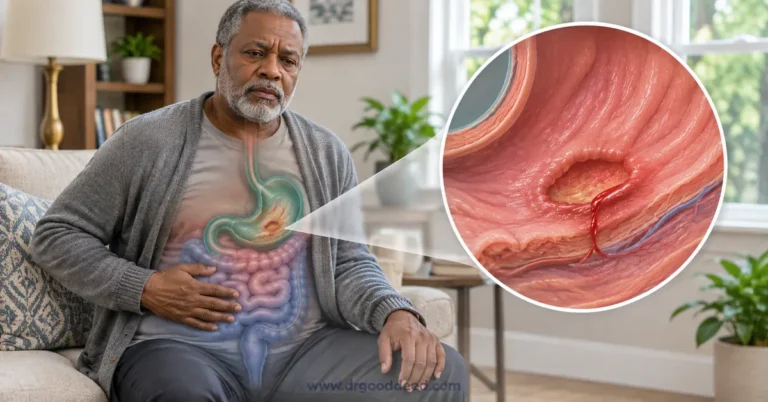
Yes. Acid reflux can contribute to hiccups when stomach contents flow backward into the esophagus, the tube that carries food from your mouth to your stomach.
This backflow can irritate the esophagus and may stimulate the nerves involved in the hiccup reflex. Gastroesophageal reflux disease (GERD), which causes recurring reflux symptoms, is one possible explanation for persistent hiccups (Cleveland Clinic, 2024). Gastritis, or inflammation of the stomach lining, may also be associated with prolonged episodes.
You might notice other symptoms alongside hiccups, such as:
- A burning feeling in your chest after eating.
- A sour or bitter taste in your mouth.
- Food or liquid coming back into your throat.
- Upper abdominal discomfort after meals.
These symptoms can point to reflux, but they do not prove reflux is causing your hiccups. Some people also have reflux without obvious heartburn.
If hiccups repeatedly occur with heartburn or regurgitation, speak with your doctor. Treating the underlying problem may help when reflux is responsible. If meals also bring on stomach pain, read why your stomach may hurt after eating.
Other Possible Causes of Persistent Hiccups
If your hiccups continue beyond 48 hours, your doctor may look for causes beyond your eating habits.
Nerve irritation: The vagus and phrenic nerves help control your diaphragm. Irritation affecting these nerves can interfere with the normal hiccup reflex.
Neurological conditions: Stroke and other conditions affecting the brain or nervous system can sometimes disrupt the mechanisms that control hiccups.
Metabolic problems: Diabetes, kidney disease, and electrolyte imbalances can affect normal body functions and may contribute to persistent hiccups.
Certain medicines: Some medicines, including steroids and sedatives, can trigger hiccups. If you suspect a medicine is responsible, ask your doctor or pharmacist to review it.
Alcohol-related problems: Alcohol use disorder may be associated with prolonged hiccups.
Surgery and anesthesia: Hiccups can develop after surgery, including procedures involving general anesthesia.
Having persistent hiccups does not automatically mean you have one of these conditions. Your doctor will consider your symptoms, medical history, and examination findings before deciding whether further investigation is necessary.

When Should You Worry About Hiccups?
The length of your hiccups, how often they return, and the symptoms that accompany them all matter.
If your hiccups stop within minutes and you feel well otherwise, you may not need medical care. However, arrange an appointment if your hiccups last more than 48 hours or keep returning often enough to interfere with your daily life.
You should also seek medical advice if hiccups make it difficult to eat, sleep, or drink comfortably.
Hiccups That Return After Every Meal
If you experience hiccups after every meal, look for patterns rather than assuming that one particular food is responsible.
Do they begin when you eat large portions? Do they occur after fizzy drinks? Do you also notice heartburn, bloating, or frequent burping?
Keeping a simple record of your meals and symptoms can help you explain the pattern to your doctor. Note when the hiccups begin, how long they last, and whether other symptoms appear.
Recurring hiccups do not always result from eating habits. If they repeatedly interrupt your meals or affect your daily activities, a healthcare professional can assess whether reflux, a medication, or another condition may be contributing.
Warning Signs That Need Emergency Care
Do not assume hiccups with severe symptoms are just gas or indigestion. To learn how the two can differ, read about chest pain due to gas.
Get emergency help if you have hiccups along with:
- Chest pain or pressure: Especially when accompanied by sweating, breathlessness, or discomfort spreading to your arm, back, neck, or jaw.
- Signs of a stroke: Sudden facial drooping, weakness in an arm or leg, difficulty speaking, or sudden confusion.
- Severe breathing difficulty: New or sudden trouble breathing requires immediate assessment.
- Vomiting blood or passing black, tarry stools: These symptoms may indicate bleeding in your digestive tract.
- Severe difficulty swallowing: Seek urgent care if you cannot swallow saliva or food becomes stuck.
In the United States, call 911 or go to the ER for a suspected heart attack, stroke or another life-threatening emergency. In the United Kingdom, call 999 or go to A&E for emergency symptoms. For urgent but non-life-threatening concerns in the UK, contact NHS 111 or your GP.
Persistent hiccups have been reported in rare case reports as an unusual sign of a heart attack. This does not mean hiccups alone signal a heart problem. But if you have hiccups along with chest pain, sweating or shortness of breath, call 911 in the US or 999 in the UK. For more on how gas pain and heart pain differ, see gas pain vs heart attack.
You can also learn about the warning signs of a heart attack.
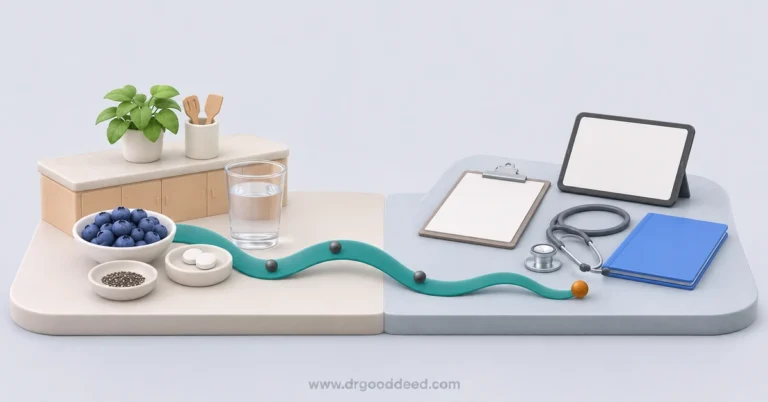
How to Stop Hiccups After Eating
If hiccups start after a meal, give your body a little time to settle. Most short-lived episodes go away on their own, but the NHS (2023) suggests a few simple steps that may help:
- Sip ice-cold water: Take small sips rather than gulping it down.
- Hold your breath briefly: Stop if you feel dizzy.
- Lean forward: Pull your knees up to your chest and lean forward.
- Breathe into a paper bag: Never use a plastic bag, and never put the bag over your head.
These methods do not work for everyone, and evidence supporting home remedies is limited. No single technique can reliably stop every episode.
Avoid forcing yourself to swallow food or water if you have difficulty swallowing or breathing. Never breathe into a plastic bag or place a paper bag over your head.
If hiccups continue for more than 48 hours, contact a healthcare professional rather than relying on home remedies.
How to Prevent Hiccups After Meals
Small changes to your eating habits may help if your hiccups regularly follow meals.
Slow down while eating. Take your time, chew your food properly, and avoid rushing through meals. Eating more slowly may reduce swallowed air and help you avoid overeating.
Choose smaller portions. If large meals leave you feeling bloated and trigger hiccups, try smaller portions and observe whether your symptoms improve.
Limit fizzy drinks and alcohol. These drinks can trigger hiccups in some people, so reducing them may help if you notice a connection.
Identify food triggers. If spicy, very hot or very cold foods keep triggering hiccups, try having less of them, and seek medical advice if it keeps happening.
Reduce swallowed air. Avoid chewing gum, smoking and talking a lot while you eat.
Pay attention to reflux symptoms. If hiccups occur alongside heartburn or sour-tasting fluid in your mouth, discuss the pattern with a healthcare professional.
You do not need to remove every possible trigger from your diet. Focus on the habits that consistently affect you. If hiccups continue despite these changes, seek medical advice to check for other causes.
What Will a Doctor Check for Persistent Hiccups?
If your hiccups last more than 48 hours or repeatedly disrupt your routine, your doctor will ask about your symptoms and look for a possible underlying cause.
Before your visit, think about these questions:
- When did the hiccups begin?
- Do you experience them while eating or after eating?
- How long do the episodes last?
- Have you experienced any heartburn or stomach discomfort?
- Are the hiccups affecting your sleep or appetite?
- Have you recently started a medicine or changed your treatment?
- Have you recently undergone surgery or experienced other new symptoms?
Your doctor may examine you and recommend additional tests if your symptoms suggest an underlying condition. The tests will depend on your medical history and examination findings.
Treatment focuses on the cause whenever possible. For example, your doctor may investigate a suspected digestive condition or review a medicine that could be contributing to your symptoms. If hiccups persist, prescription treatment may be considered when appropriate.
Do not stop or change a prescribed medicine on your own. If you think a medicine is causing your hiccups, speak with your prescriber or pharmacist before making any changes.
Conclusion: When to Get Persistent Hiccups Checked
Persistent hiccups after eating can be linked to eating habits, swallowed air, acid reflux, medicines or other conditions. If your hiccups clear up within minutes, finding your own triggers can help prevent them. If they last beyond 48 hours or keep disrupting your meals, make an appointment with your doctor.
Note how often the hiccups happen and whether other symptoms come with them, so your doctor can decide whether you need further tests or treatment. If hiccups come with chest pain, breathing problems or stroke symptoms, call 911 in the US or 999 in the UK right away.
Frequently Asked Questions
Why Do I Get Hiccups Every Time I Eat?
Eating quickly, eating too much, fizzy drinks and swallowed air can trigger hiccups. Spicy or very hot or cold food can also play a part.
Why Won’t My Hiccups Stop After Eating?
Most meal-related hiccups stop within minutes. Hiccups that continue may be associated with reflux, nerve irritation, certain medicines, or another medical condition.
How Long Is Too Long for Hiccups?
Hiccups lasting more than 48 hours need medical assessment (Mayo Clinic, 2023; NHS, 2023). Seek advice sooner if they interfere with eating, sleeping, or breathing.
Are Persistent Hiccups a Sign of Something Serious?
Not always. Persistent hiccups can sometimes be associated with digestive, neurological, or metabolic conditions that need medical evaluation.
Can Acid Reflux Cause Hiccups?
Yes. Acid reflux can irritate the esophagus and contribute to hiccups, but hiccups alone do not confirm that you have reflux.
Sources
NHS, Hiccups. link
Mayo Clinic, Hiccups: Symptoms and Causes. link
Cleveland Clinic, Hiccups. link
Current Treatment Options in Gastroenterology, Chronic Hiccups (Reichenbach and others, 2020). link
Journal of Clinical Gastroenterology, Protracted Hiccups Due to Severe Erosive Esophagitis: A Case Series (Pooran and others, 2006). link
Medical Disclaimer: This article is for general information only and is not medical advice. It does not replace a diagnosis, treatment plan, or guidance from a qualified healthcare professional. Always talk to your doctor about your own symptoms and before starting, stopping, or changing any treatment. If you think you may be having a medical emergency, call 911 or go to your nearest emergency room.