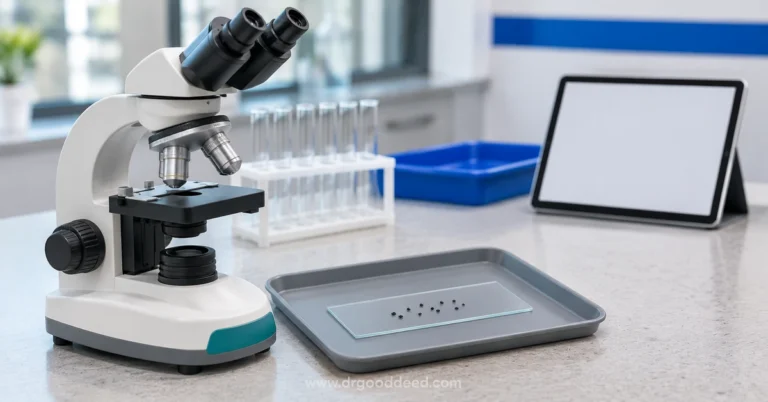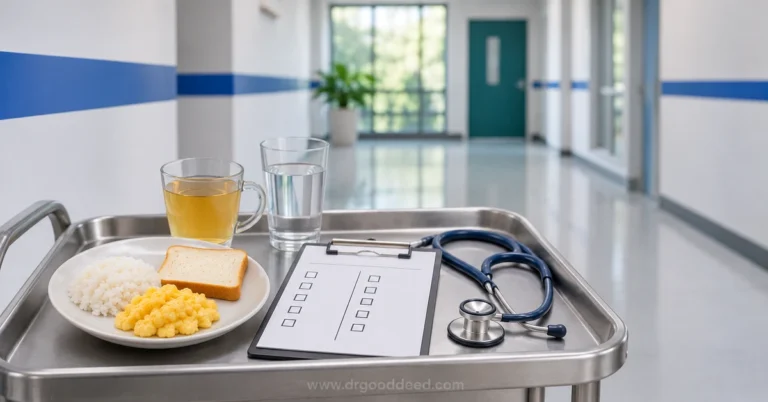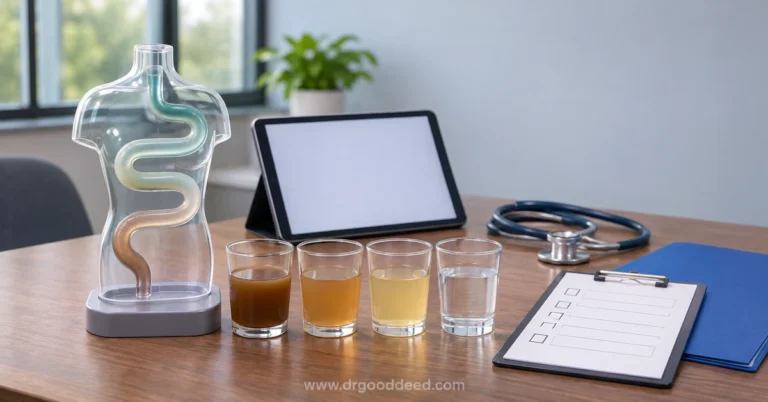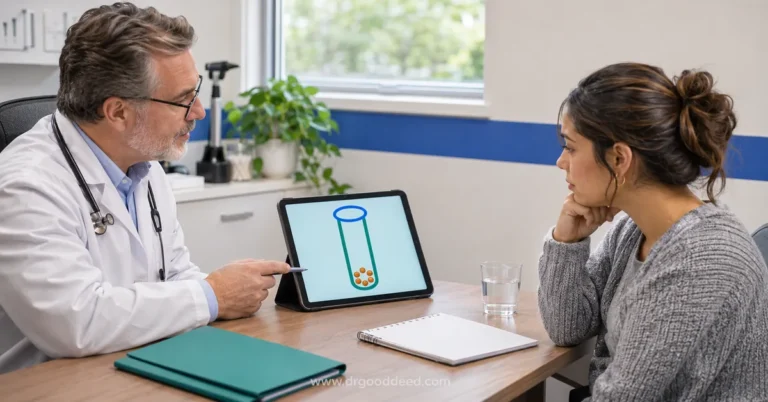

Yes, most labs ask you to pause omeprazole before an H. pylori breath test because it can hide an infection and affect your results. However, do not stop taking it on your own. Check with your prescriber about when to pause it and how to manage your symptoms before the test.
If you take omeprazole for frequent heartburn or indigestion, preparing for an H. pylori breath test may raise a few questions. Knowing which medicines can affect the results, how long to wait, and what to expect during the test can help you prepare with confidence.
Medically reviewed by Dr Nivedita Pandey, GI and hepatology.
Key Takeaways
- Most labs ask you to pause omeprazole before an H. pylori breath test because it can hide an infection and cause a false-negative result.
- The 2024 American College of Gastroenterology guideline recommends pausing proton pump inhibitors for 2 weeks and antibiotics and bismuth products for 4 weeks before testing.
- Always check with your prescriber before changing your medication routine, and ask how to manage heartburn during the waiting period.
- Black stools, vomiting blood, or sudden severe abdominal pain need a call to your doctor right away (NIDDK, 2022). Do not wait for your scheduled test.
Pausing Omeprazole Before an H. Pylori Breath Test
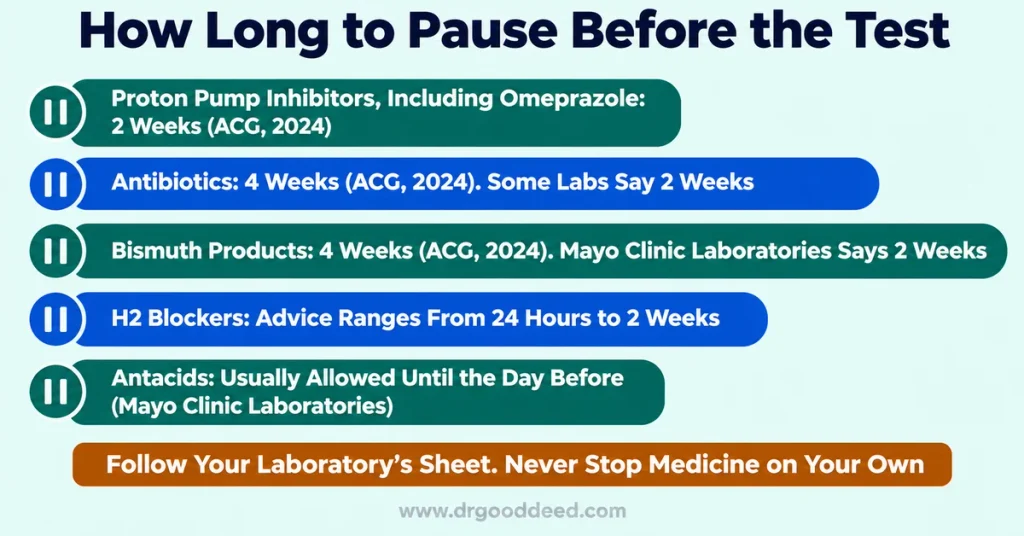
Guidelines and labs ask you to pause omeprazole for a set period before an H. pylori breath test, and to pause some other medicines for longer. The recommended waiting period depends on the type of medicine and the testing laboratory’s instructions.
Here is a quick guide to the usual preparation periods.
| Medicine group | Usual pause before testing | What you should know |
| Proton pump inhibitors, including omeprazole | 2 weeks (ACG, 2024) | These medicines can suppress H. pylori activity and make the test miss an infection. |
| Antibiotics | 4 weeks | The 2024 American College of Gastroenterology guideline recommends waiting 4 weeks, although some laboratory instructions specify 2 weeks. |
| Bismuth products | 4 weeks under the 2024 guideline | Mayo Clinic Laboratories recommends a 2-week pause, so check the instructions for your specific test. |
| H2 blockers | Recommendations range from 24 hours to 2 weeks | Some laboratories allow these medicines closer to the test, while others, such as Mayo Clinic Laboratories, recommend a longer pause. |
| Antacids | Usually allowed until the day before testing | Mayo Clinic Laboratories indicates that antacids can generally be used until 1 day before the test. Confirm this with your laboratory. |
These recommendations come from the 2024 American College of Gastroenterology guideline and Mayo Clinic Laboratories. Because instructions can differ, follow the preparation sheet provided by the laboratory performing your test.
Before changing your medication routine, ask your prescriber:
- When should you take your last dose of omeprazole?
- What can you use to manage heartburn during the waiting period?
- When can you restart omeprazole after the test?
- Do any other medicines you take need to be paused?
If your doctor has recommended testing because of recurring indigestion or upper abdominal pain, preparing correctly can help you get a more reliable result.
Why Omeprazole Can Hide H. Pylori
Omeprazole reduces stomach acid and can suppress H. pylori activity. This may cause a false-negative breath test, meaning the result appears negative even though the infection is still present (Laine et al., 1998).
H. pylori is a bacterium that lives in the stomach lining. The breath test detects signs of its activity by measuring labeled carbon dioxide produced when the bacterial enzyme urease breaks down a specially prepared urea solution.
When omeprazole suppresses the bacteria, the test may not detect enough activity to identify the infection. This is why the timing of your last dose matters.
A study of 93 infected patients by Laine and colleagues, published in 1998, demonstrated how much proton pump inhibitors can affect breath-test results:
- False-negative results: 31 of 93 infected patients, or 33%, tested negative while taking a proton pump inhibitor (Laine et al., 1998).
- After 3 days: 91% of the patients tested positive again after stopping the medicine (Laine et al., 1998).
- After 7 days: 97% tested positive again (Laine et al., 1998).
- After 14 days: All patients in the study tested positive again (Laine et al., 1998).
These findings support the recommendation to pause proton pump inhibitors for 2 weeks before testing (ACG, 2024), with your prescriber’s approval.
If your test comes back negative but you continue to experience symptoms, tell your doctor that you were taking omeprazole or recently stopped it. Your doctor can decide whether you need another test or further evaluation.
How the H. Pylori Breath Test Works
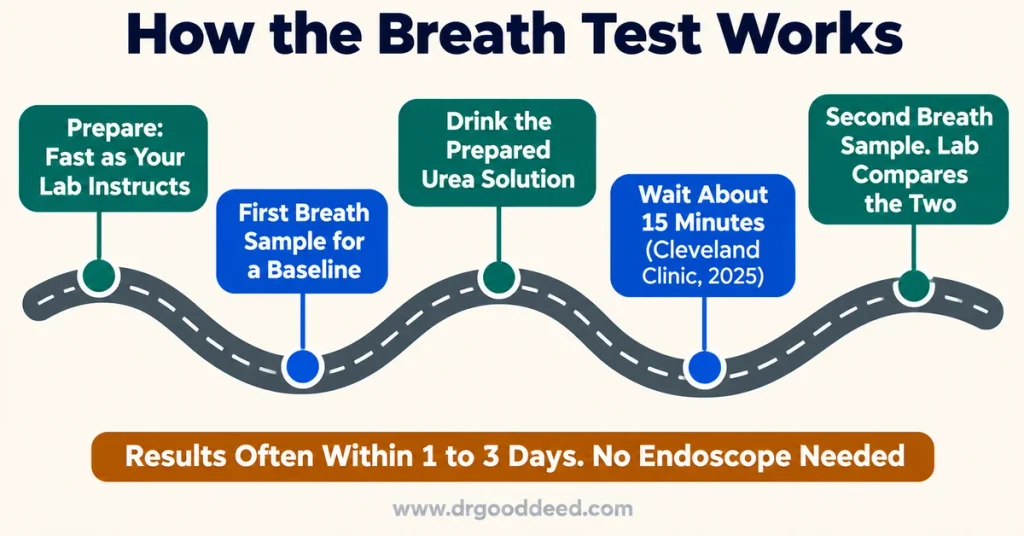
An H. pylori breath test is a simple, noninvasive way to check for an active infection. You provide a breath sample, drink a prepared urea solution, wait briefly, and provide another sample.
Here is what usually happens during the test.
- Prepare before your appointment: Mayo Clinic Laboratories recommends fasting for 1 hour before the test. Follow your laboratory’s instructions about food, drinks, and medicines.
- Provide the first breath sample: You breathe into a collection bag or another designated container to establish a baseline.
- Drink the urea solution: The solution contains specially labeled urea that helps detect H. pylori activity.
- Wait for the required time: You will usually wait about 15 minutes (Cleveland Clinic, 2025), although the exact timing depends on the laboratory’s protocol.
- Provide the second sample: The laboratory compares the samples to look for evidence of an active infection.
If H. pylori is present, its urease enzyme breaks down the labeled urea and produces labeled carbon dioxide. The laboratory detects this carbon dioxide in your breath to help determine whether the infection is present.
Results are often available within 1 to 3 days (Cleveland Clinic, 2025), although the actual turnaround time depends on the laboratory.
The test does not require an endoscope and is generally well tolerated. However, taking certain medicines too close to the appointment can affect accuracy, so follow the preparation instructions carefully.
Handling Heartburn While You Pause Omeprazole
If you regularly take omeprazole for heartburn, your symptoms may return when you pause it. Planning ahead with your prescriber can help you manage discomfort without interfering with the test.
Depending on your symptoms and medical history, your prescriber may suggest a few approaches.
- Antacids: These are generally permitted until the day before testing under Mayo Clinic Laboratories’ instructions. Confirm this with your laboratory before using them.
- H2 blockers: These may be an option for some people, but the recommended stopping time varies between laboratories. Ask whether you can use them and when you should stop.
- Meal timing: If large meals or eating close to bedtime makes your heartburn worse, try smaller meals and allow time between dinner and going to bed.
- Food triggers: Pay attention to foods and drinks that seem to worsen your symptoms. If coffee triggers discomfort, our guide to stomach pain after drinking coffee may help you understand this connection.
- Symptom tracking: Note when heartburn occurs, what seems to trigger it, and whether it becomes more severe. Share these details, including any stomach pain in the morning, with your prescriber.
Do not replace omeprazole with another acid-reducing medicine without checking whether it could affect your test results. If your symptoms become severe or you develop warning signs, seek medical attention rather than waiting for your appointment.
Retesting After H. Pylori Treatment
If you receive treatment for H. pylori, you will need another test to check whether the infection has cleared. This follow-up is called a test of cure, and it is recommended even when your symptoms improve.
The 2024 American College of Gastroenterology guideline recommends testing at least 4 weeks after treatment has ended. You should also follow the recommended medication pause, including 2 weeks without proton pump inhibitors before testing, with your prescriber’s guidance.
Here is what to know about follow-up testing.
- Who needs a follow-up test? Everyone treated for H. pylori should have a test of cure, regardless of whether their symptoms have disappeared (ACG, 2024).
- When should you retest? Wait at least 4 weeks after completing treatment (ACG, 2024). Your doctor will also help you plan the necessary medication pauses.
- Which tests can confirm the result? A urea breath test, stool antigen test, or appropriate biopsy-based test can check for an active infection (ACG, 2024).
- Why is a blood test different? Antibodies can remain in your blood after the infection has cleared. A blood antibody test therefore cannot reliably confirm that treatment worked (MedlinePlus, 2023).
- What if the result is positive? Your doctor will review your treatment history and decide whether further evaluation or treatment is needed.
Feeling better is encouraging, but it does not always mean the infection has gone away. A follow-up test helps confirm whether treatment has worked and whether you need further care.
When to See a Doctor Instead of Waiting
Some symptoms need medical attention before you have your scheduled H. pylori breath test. They may indicate bleeding from an ulcer or another serious digestive problem.
The National Institute of Diabetes and Digestive and Kidney Diseases (NIDDK, 2022) identifies several warning signs that should not be ignored:
- Black or tarry stools: These can indicate bleeding in the digestive tract.
- Blood in your stool: Red or maroon blood requires prompt medical evaluation.
- Vomiting blood: Blood or vomit that looks like coffee grounds can indicate bleeding in the stomach or upper digestive tract.
- Sudden, severe abdominal pain: Severe pain that does not go away needs urgent assessment.
- Dizziness or fainting: These symptoms can be particularly concerning when they occur alongside signs of bleeding.
Call your doctor right away if you notice these warning signs. If you experience heavy bleeding, fainting, or sudden severe abdominal pain, call 911 or seek emergency care.
Your doctor may recommend an upper endoscopy or other tests if your symptoms suggest a more serious condition (ACG, 2024). Do not delay an urgent medical evaluation because you are waiting to complete your breath test or medication pause.
If you have any of these warning signs, do not wait for an H. pylori breath test; call your doctor right away or get emergency care.
Frequently Asked Questions
Do You Have to Stop Omeprazole Before an H. Pylori Stool Test?
Yes, usually: the same pause applies, so stop omeprazole before an H. pylori stool test only with your prescriber’s OK, because it can hide the infection there too. A 2-week pause is commonly recommended (ACG, 2024), but check with your prescriber before stopping it. Your laboratory can confirm the correct preparation period for your test.
What Can Mess Up an H. Pylori Breath Test?
Recent use of proton pump inhibitors, antibiotics, or bismuth products can cause a false-negative result (ACG, 2024; Mayo Clinic Laboratories). Eating or drinking during the fasting period or testing too soon after treatment can also affect accuracy. Follow your laboratory’s instructions and tell your doctor about any medicines you have taken.
What Does a Positive H. Pylori Breath Test Mean?
A positive H. pylori breath test usually means you have an active infection. Your doctor can recommend appropriate treatment based on your medical history. Treatment generally involves antibiotics and acid-reducing medicine, followed by another test to confirm that the infection has cleared (MedlinePlus, 2023).
Is the H. Pylori Breath Test Worth It?
Yes, for many people. The breath test can detect an active H. pylori infection without an invasive procedure, and it has no known risks (MedlinePlus, 2023). It is also useful for checking whether treatment worked. Preparing correctly is important because certain medicines can affect the result.
What Are Three Symptoms of an H. Pylori Infection?
Many people with H. pylori have no symptoms. When symptoms occur, they may include upper abdominal discomfort, indigestion, and nausea. The infection can also cause peptic ulcers. Persistent symptoms should be evaluated by a healthcare professional, especially if you notice signs of bleeding. Our guide on why your stomach hurts after eating covers other causes.
Sources
- American College of Gastroenterology (Chey et al.), ACG Clinical Guideline: Treatment of Helicobacter pylori Infection (2024). link
- Annals of Internal Medicine (Laine et al.), Effect of proton-pump inhibitor therapy on diagnostic testing for Helicobacter pylori (1998). link
- Mayo Clinic Laboratories, Helicobacter pylori Breath Test (UBT) (undated). link
- MedlinePlus, Helicobacter pylori (H. pylori) Tests (2023). link
- National Institute of Diabetes and Digestive and Kidney Diseases, Symptoms and Causes of Peptic Ulcers (Stomach Ulcers) (2022). link
- Cleveland Clinic, H. pylori Tests (2025). link
Medical Disclaimer: This article is for general information only and is not medical advice. It does not replace a diagnosis, treatment plan, or guidance from a qualified healthcare professional. Always talk to your doctor about your own symptoms and before starting, stopping, or changing any treatment. If you think you may be having a medical emergency, call 911 or go to your nearest emergency room.