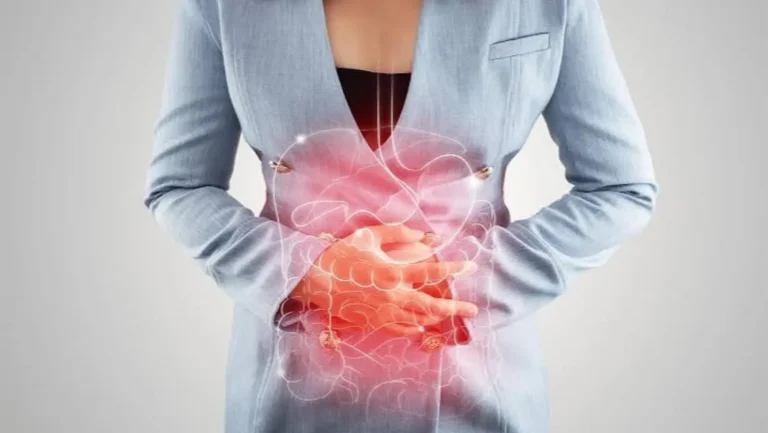

The best probiotics for IBS are specific strains studied in clinical trials. Irritable bowel syndrome, or IBS, is a common gut disorder that causes stomach pain, bloating, and changes in bowel habits. Major medical groups disagree on how strongly to recommend probiotics for IBS, so strain-level evidence matters more than brand marketing. This guide covers which strains have real data behind them, how to match one to your IBS type, and how long to give it a fair trial.
How Probiotics May Help IBS
Whether probiotics help IBS symptoms at all depends on strain, dose, and individual gut bacteria, but a few mechanisms explain the potential benefit. Understanding these mechanisms helps explain why some strains work for some people and not others.
- They may help rebalance gut bacteria that shift out of balance in IBS.
- They may reduce low-grade gut inflammation linked to symptom flares.
- They may strengthen the gut lining, reducing sensitivity to normal digestion.
- They may change how gas moves through the gut, easing bloating.
- They may support communication between gut bacteria and the nervous system.
Best Probiotic Strains for IBS
Research on the best probiotics for IBS points to a handful of specific strains with real trial data, not entire species or genus categories. Below are the strains most often studied for IBS symptom relief.
Bifidobacterium longum 35624
This strain, sold under the brand Align, has the strongest trial history among the best probiotics for IBS options. Multiple randomized, placebo-controlled trials found reduced abdominal pain, bloating, and better overall symptom relief after four to eight weeks of daily use.
Bifidobacterium infantis
Also studied under the 35624 designation before reclassification, this strain showed benefits for bowel movement frequency in people with both slow and fast gut transit. It performed best at a dose around 100 million CFU per day in trial data.
Bifidobacterium lactis
Studied under specific commercial names like DN-173010, this strain has shown improvement in bloating and stool frequency, particularly in people with constipation-predominant symptoms. Evidence is more limited than for B. longum 35624.
Lactobacillus plantarum 299v
Some small trials suggest this strain reduces abdominal pain and bloating, especially in IBS with gas-related discomfort. Evidence quality is lower than the Bifidobacterium strains above, with fewer large trials available.
Lactobacillus acidophilus
This common strain appears in many multi-strain products, but standalone evidence for IBS symptom relief remains weak. Most positive results come from combination formulas rather than acidophilus used alone.
Saccharomyces boulardii
This is a beneficial yeast, not a bacterium, often used for diarrhea-predominant IBS. Small trials suggest it may reduce stool frequency and improve stool consistency in IBS-D, though larger trials are still needed.
Multi-Strain Probiotics
Products like VSL#3, now sold as Visbiome in the U.S., combine multiple strains and show benefit in some trials for global IBS symptoms. More strains do not always mean better results, since strains can interact in unpredictable ways. This is why lists of the best probiotics for IBS usually rank single, well-studied strains above broad multi-strain blends.
The Probiotic Label Matters More For IBS
Reading a probiotic label correctly matters as much as picking a strain, since vague labels often signal weak evidence behind the product. Two details separate a research-backed choice from a guess.
Species Is Not Specific Enough; Look for the Strain
A label listing only the species tells you far less than one listing the exact strain identifier. Here is a simple breakdown:
- Bifidobacterium = genus
- longum = species
- 35624 = strain identifier
Clinical trials test specific strains, not entire species. A product labeled only “Bifidobacterium longum” without a strain number has not necessarily been tested in any IBS trial at all.
More CFUs Does Not Automatically Mean a Better Probiotic
CFU stands for colony-forming units, a measure of live bacteria count. A higher CFU count does not guarantee stronger symptom relief; trial data for B. infantis actually found that a lower dose of 100 million CFU worked better than a much higher dose in one study.
Choosing the Best Probiotic for Your IBS Type
Choosing the best probiotic for IBS depends heavily on which IBS subtype you have, since strains studied for constipation differ from those studied for diarrhea. Matching the strain to your symptom pattern improves your odds of a real response.
Best Options for IBS-C
For constipation-predominant IBS, Bifidobacterium lactis and Bifidobacterium longum 35624 have the most supporting data for improving stool frequency and easing bloating.
Best Options for IBS-D
For diarrhea-predominant IBS, Saccharomyces boulardii and Bifidobacterium infantis show the most relevant trial data for reducing stool frequency and improving stool form.
Best Options for IBS-M
For mixed-type IBS, Bifidobacterium longum 35624 remains the best-studied option, since its trials included patients with variable bowel habits rather than one fixed symptom pattern.
Personalized Treatment Approach
Choosing the best probiotic for IBS ultimately requires tracking your own symptoms over several weeks, since individual gut bacteria differ widely between people with the same IBS subtype.
How Long Probiotics Take to Work for IBS
How long probiotics take to work for IBS varies by strain, but most clinical trials measured results between four and eight weeks of daily use. Expecting overnight relief sets unrealistic expectations that lead people to quit too early.
First Few Weeks
Early changes, if any, tend to show up as mild shifts in bloating or gas rather than dramatic pain relief. Some people notice nothing at all during this stage.
Four-Week Assessment
Trial data on B. longum 35624 measured meaningful symptom improvement by week four in many participants. This point marks a reasonable first checkpoint to assess whether a strain is working.
Eight-Week Trial
Full assessment of how long probiotics take to work for IBS often requires a full eight-week course, since some strains show delayed benefit that was not visible at week four.
When to Stop or Switch
If eight weeks pass with no symptom change, most gastroenterologists suggest stopping that strain and trying a different one or a different approach entirely.
How to Take Probiotics Correctly
Correct timing and consistency affect how well a probiotic strain performs, even when the strain itself has solid trial data behind it.
Best Time of Day
Most trials had participants take their probiotic once daily, often in the morning, though no strong evidence shows one time of day works better than another for IBS specifically.
With or Without Food
Taking probiotics with food may improve survival through stomach acid for some strains, though capsule-coated products are designed to survive regardless of meal timing.
Daily Consistency
Missing doses reduces the odds of seeing benefit, since trial data reflects daily, uninterrupted use over the full study period, not occasional use.
Avoiding Common Mistakes
Common mistakes include switching strains too early, expecting results within days, and choosing products without a listed strain identifier on the label.
FAQ
What are the best probiotics for IBS?
Bifidobacterium longum 35624 has the strongest trial evidence overall. Strain choice should still match your specific IBS subtype for the best chance of symptom relief.
Do probiotics really help IBS symptoms?
Evidence is mixed. The American College of Gastroenterology suggests against probiotics for global IBS symptoms, citing very low quality evidence, while some individual strains show clearer benefit.
Which probiotic strains have the strongest evidence for IBS?
Bifidobacterium longum 35624 has the most randomized, placebo-controlled trials showing benefit. Saccharomyces boulardii and Bifidobacterium infantis follow with moderate supporting data.
How long do probiotics take to work for IBS?
Most trials measured results between four and eight weeks. Give any strain a full eight-week trial before deciding it is not working.
Which probiotic is best for IBS with constipation (IBS-C)?
Bifidobacterium lactis and Bifidobacterium longum 35624 have the most supporting data for improving stool frequency in constipation-predominant IBS.
Which probiotic is best for IBS with diarrhea (IBS-D)?
Saccharomyces boulardii shows the most relevant trial data for reducing stool frequency and improving stool form in diarrhea-predominant IBS.
Can probiotics make IBS worse at first?
Yes, temporarily. Some people report increased gas or bloating during the first one to two weeks, which usually settles as the gut adjusts.
Should probiotics be taken every day?
Yes. Trial data reflects daily, uninterrupted use. Skipping doses reduces the odds of seeing the symptom improvement seen in clinical studies.
What is the best time to take probiotics for IBS?
No strong evidence favors morning over evening. Pick a consistent time you will remember daily, since consistency matters more than exact timing.
Are probiotic foods as effective as supplements?
No direct comparison exists for IBS specifically. Fermented foods contain unspecified bacterial amounts and strains, unlike supplements with a tested dose and strain identifier.
Can I take probiotics with IBS medication?
Usually yes, but check with your doctor first, especially if you take antibiotics, since these can reduce probiotic effectiveness when taken too close together.
Should I take probiotics with food or on an empty stomach?
Either works for most encapsulated products. Taking with food may help some non-coated strains survive stomach acid better during digestion.
Who should avoid probiotic supplements?
People with weakened immune systems, central line catheters, or critical illness should avoid probiotics without direct physician guidance due to rare infection risk.
Can probiotics cure IBS permanently?
No. Probiotics may reduce symptoms while used consistently, but no current strain offers a permanent cure for IBS once discontinued.
What lifestyle changes work best alongside probiotics for IBS?
A low-FODMAP diet, regular exercise, and stress management show stronger evidence than probiotics alone and often work better combined with a targeted strain.
Sources
- American College of Gastroenterology, Clinical Guideline: Management of Irritable Bowel Syndrome
- American Gastroenterological Association, Clinical Practice Guidelines on Probiotics
- National Institutes of Health, National Center for Complementary and Integrative Health, Probiotics Fact Sheet
- PubMed Central, Effect of Bifidobacterium longum 35624 on Disease Severity and Quality of Life in IBS
- PubMed Central, An 8-Week Course of Bifidobacterium longum 35624 and IBS Symptoms
- Mayo Clinic, Irritable Bowel Syndrome Overview
- International Scientific Association for Probiotics and Prebiotics, Strain Specificity Explained
- PubMed Central, Probiotics in IBS: Rapid Review of Existing Guidelines
- U.S. Food and Drug Administration, Human Microbiome and Probiotic Products
Medical Disclaimer: This article is for general educational purposes only. It does not replace advice from a doctor or gastroenterologist. Talk to a healthcare provider before starting any probiotic, especially if you have a chronic digestive condition.