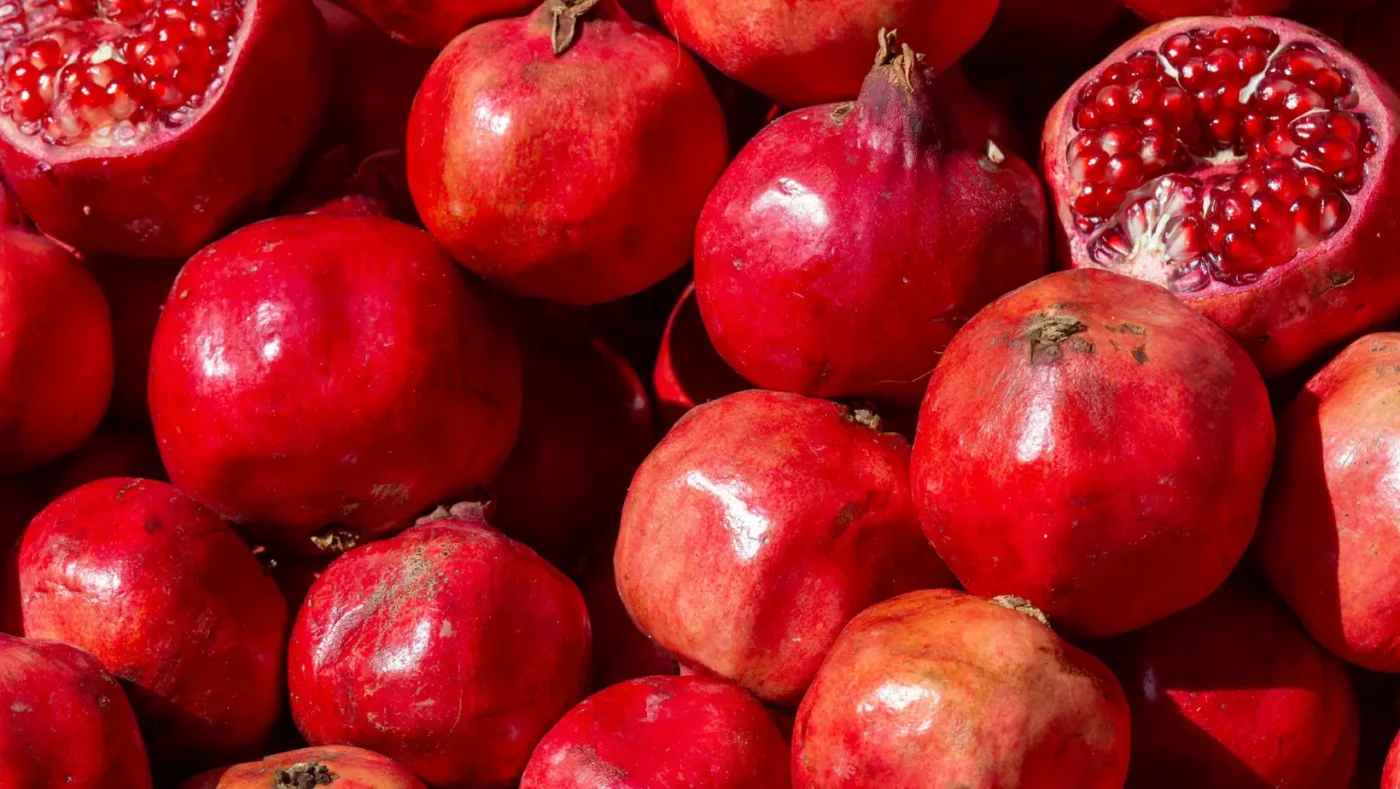

Pomegranate seeds pack antioxidants, vitamin C, vitamin K, and fiber into one low-calorie fruit. The health benefits of pomegranate include heart support, lower inflammation, and better digestion. Researchers have studied this fruit for decades, and the data keeps growing stronger.
This fruit comes from the Punica granatum tree, grown across California and the Middle East. One cup of arils has about 144 calories and 7 grams of fiber. That single serving also covers 30% of your daily vitamin C.
15 Benefits of Eating Pomegranate
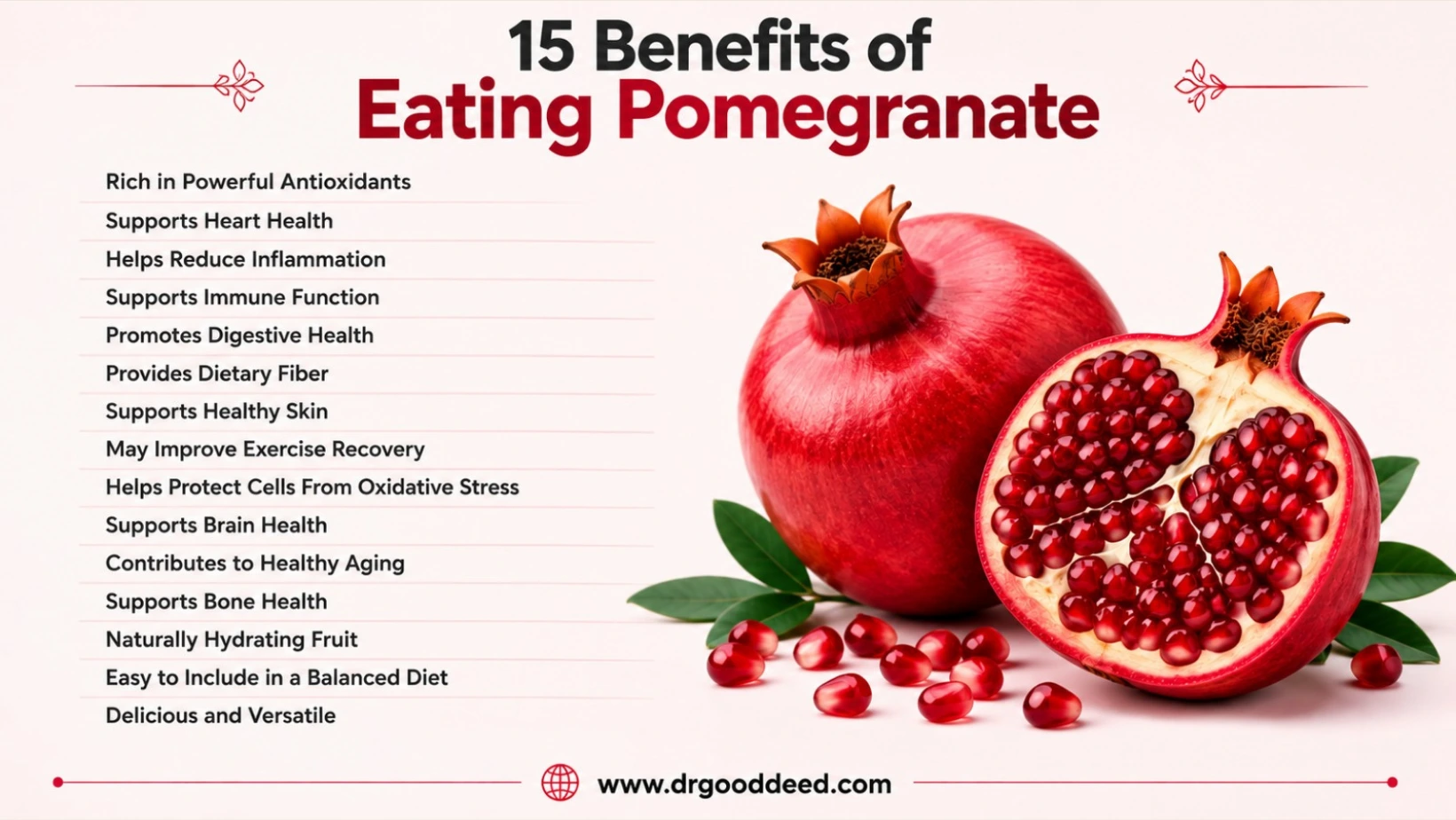
The 15 benefits of eating pomegranate span heart health, gut health, skin health, and brain function. Most come from three plant compounds: punicalagins, punicic acid, and ellagitannins. These compounds work at the cellular level, not just as generic “antioxidants.”
1. Rich in Powerful Antioxidants
Pomegranates rank among the highest antioxidant fruits tested. Their oxygen radical absorbance capacity, a lab measure of antioxidant strength, sits near 2,341 micromoles per 100 grams. That number beats green tea and red wine. The key compound is punicalagin, found in both the juice and the peel.
Punicalagin neutralizes free radicals, unstable molecules that damage your cells over time. Free radical damage links to aging, cancer, and heart disease. Eating the whole aril, not just drinking juice, gives you more punicalagin because much of it sits in the white pith around each seed.
2. Supports Heart Health
Heart disease kills more Americans than any other condition, according to the CDC. Pomegranate seed oil contains punicic acid, a fatty acid shown to lower triglycerides. In one four-week trial, patients with high triglycerides took 800 milligrams of pomegranate seed oil daily. Their triglyceride numbers dropped significantly by the end of the study.
Pomegranate also raises nitric oxide levels in your blood. Nitric oxide relaxes blood vessels. It also improves blood flow to your heart. This is one of the health benefits of pomegranate that cardiologists mention most often to patients.
3. May Help Maintain Healthy Blood Pressure
High blood pressure strains your arteries and raises stroke risk. Pomegranate juice contains natural nitrates that your body converts into nitric oxide. In one clinical trial, patients drank 150 milliliters of pomegranate juice daily for two weeks. Their systolic blood pressure, the top number in a reading, dropped within that short window.
Scientists believe the ACE-inhibiting activity in pomegranate plays a role too. ACE is an enzyme that narrows blood vessels. Pomegranate appears to block it, similar to how some blood pressure medications work, though at a much gentler level.
4. Helps Reduce Inflammation
Short-term inflammation heals cuts and fights infection. Chronic inflammation, though, drives diabetes, arthritis, and heart disease. A 12-week study gave type 2 diabetes patients 250 milliliters of pomegranate juice every day. Their inflammatory markers, including interleukin-6 and CRP, fell by up to 32%.
Punicalagins target the same inflammatory pathways that ibuprofen and other NSAIDs block, but through plant compounds instead of drugs. This makes pomegranate a useful food for people managing joint pain or autoimmune symptoms, alongside medical treatment.
5. Supports Immune Function
One cup of pomegranate arils delivers close to 30% of your daily vitamin C need. Vitamin C helps white blood cells fight bacteria and viruses more effectively. It also supports the skin barrier, your first defense against germs.
Pomegranate polyphenols add a second layer of immune support. These plant compounds reduce oxidative stress in immune cells, which keeps them working at full strength. Eating pomegranate during cold and flu season gives your immune system extra ammunition, though it will not replace vaccines or medical care.
6. Promotes Digestive Health
Pomegranate does something most fruits cannot. Gut bacteria, especially Gordonibacter species, convert its ellagitannins into a compound called urolithin A. Scientists found that urolithin A supports gut lining health and reduces inflammation in the digestive tract. Not everyone’s gut bacteria make this conversion efficiently.
Studies show only about 40% of people produce meaningful urolithin A after eating pomegranate. Still, the fiber and polyphenols in pomegranate feed beneficial gut bacteria directly, which supports regular digestion regardless of your urolithin A output.
7. Provides Dietary Fiber
A single cup of pomegranate arils holds about 7 grams of fiber, close to 25% of most adults’ daily target. Fiber slows digestion, which keeps blood sugar steadier after meals. It also feeds gut bacteria that produce short-chain fatty acids, compounds linked to lower colon inflammation.
Most Americans eat less than half the recommended fiber intake each day. Adding pomegranate arils to yogurt, oatmeal, or salads is an easy way to close that gap without extra effort.
8. Supports Healthy Skin
Pomegranate’s punicalagins protect collagen, the protein that keeps skin firm. UV rays break down collagen and speed up wrinkles. Lab research shows pomegranate extract reduces UV-related skin damage when applied topically or consumed regularly. Vitamin C in the fruit also drives collagen production from the inside.
Some skincare brands now add pomegranate extract to serums for this exact reason. Eating the fruit whole gives you the vitamin C and polyphenols together, which may work better than either compound alone.
9. May Improve Exercise Recovery
This is one of the most overlooked health benefits of pomegranate. Gut bacteria convert its ellagitannins into urolithin A, a compound that triggers mitophagy, the process where your cells clear out damaged mitochondria. A 2022 trial in middle-aged adults found that urolithin A supplementation improved muscle strength by about 12% over four months.
A separate trial in trained runners found it lowered inflammatory markers and eased muscle soreness after hard workouts. Whole pomegranate will not match supplement doses, but it feeds the same biological pathway.
10. Helps Protect Cells From Oxidative Stress
Oxidative stress happens when free radicals outnumber your body’s antioxidant defenses. This imbalance damages DNA, proteins, and cell membranes over time. Pomegranate’s ellagic acid and anthocyanins scavenge these free radicals before they cause harm.
Test-tube studies show pomegranate extract slows the growth of oxidative-stress-related damage in several cell types. This protective effect is why researchers keep studying pomegranate for its role in slowing chronic disease development, from artery damage to joint deterioration.
11. Supports Brain Health
Oxidative stress and inflammation both play a role in cognitive decline. Pomegranate’s polyphenols cross into brain tissue after digestion, based on animal research. Some studies link regular pomegranate juice intake to better memory performance in older adults recovering from surgery.
Punicalagins also appear to reduce beta-amyloid buildup in lab models, a protein tangle associated with Alzheimer’s disease. Human research on this specific benefit is still early, but the mechanism lines up with pomegranate’s known antioxidant strength.
12. Contributes to Healthy Aging
Cellular aging speeds up when mitochondria stop working well and inflammation stays high for years. Pomegranate hits both problems at once. Urolithin A supports mitochondrial renewal, while punicalagins calm chronic low-grade inflammation.
Some longevity researchers now call pomegranate one of the few whole foods that directly targets the biological hallmarks of aging, not just symptoms like wrinkles or fatigue. Regular intake, alongside sleep, exercise, and a balanced diet, supports this effect over years, not weeks.
13. Supports Bone Health
A half-cup of pomegranate arils provides about 14 micrograms of vitamin K, close to 14% of your daily need. Vitamin K activates proteins that bind calcium to your bones. Without enough vitamin K, calcium can end up in soft tissue instead of bone, where it does no good.
Animal studies also show pomegranate extract slows bone density loss linked to inflammation. This makes pomegranate a useful addition to diets for postmenopausal women, who face higher osteoporosis risk as estrogen levels drop.
14. Naturally Hydrating Fruit
Pomegranate arils are about 78% water. That water content, combined with potassium and natural sugars, helps replace fluids lost through sweat or illness. Potassium specifically helps your body hold onto water in the right places, inside cells rather than just in blood vessels.
This makes pomegranate a smarter hydration snack than sugary sports drinks, especially after light exercise. The fiber in the arils also slows sugar absorption, so you avoid the energy crash that plain fruit juice can cause.
15. Easy to Include in a Balanced Diet
You do not need a special recipe to get the health benefits of pomegranate. Toss arils into salads, yogurt, or oatmeal. Blend them into smoothies. Sprinkle them over roasted vegetables for a sweet crunch.
Whole arils give you more fiber and polyphenols than juice, since juicing strips out most of the pulp and pith. A quarter cup a day is enough for most adults to see steady benefits without adding much sugar or many calories to your diet.
Pomegranate Nutrition at a Glance
| Nutrient (per 1 cup arils, 174g) | Amount | % Daily Value |
| Calories | 144 | 7% |
| Fiber | 7g | 25% |
| Vitamin C | 28.5mg | 30% |
| Vitamin K | 28.5mcg | 24% |
| Folate | 66mcg | 17% |
| Potassium | 411mg | 9% |
| Sugar | 24g | Natural, no added sugar |
FAQs
Is it healthy to eat pomegranate every day?
Yes. A half-cup to one cup of arils daily is safe for most adults and supports heart, gut, and immune health without excess sugar or calories.
What nutrients are found in pomegranate?
Pomegranate contains vitamin C, vitamin K, folate, potassium, fiber, and polyphenols like punicalagin and punicic acid, which drive most of its antioxidant power.
Is pomegranate good for heart health?
Yes. Pomegranate seed oil lowers triglycerides, and its juice improves blood flow by raising nitric oxide levels, supporting healthier blood pressure over time.
Can pomegranate help with weight management?
Yes, in a supporting role. Its fiber and water content increase fullness, and one cup has only 144 calories, making it a low-calorie snack swap.
Is whole pomegranate better than pomegranate juice?
Yes. Whole arils retain fiber and pith-based polyphenols that juicing removes, giving you more antioxidants and less concentrated sugar per serving.
Does pomegranate improve skin health?
Yes. Its vitamin C boosts collagen production, and punicalagins reduce UV-related skin damage, according to lab research on topical and dietary use.
How much pomegranate should I eat daily?
A quarter to one cup of arils daily is the range most studies use to show measurable benefits, without added sugar or calorie concerns.
Is pomegranate high in sugar?
One cup has 24 grams of natural sugar, similar to grapes. Its fiber slows sugar absorption, so it affects blood sugar less than juice.
Can pomegranate boost immunity?
Yes. Its vitamin C supports white blood cell function, and its polyphenols reduce oxidative stress in immune cells, strengthening your body’s defense response.
Sources
- USDA FoodData Central: Pomegranate, raw
- Mayo Clinic: Pomegranate juice: Can it lower blood pressure?
- National Center for Complementary and Integrative Health: Pomegranate
- Cell Reports Medicine: Urolithin A improves muscle strength and biomarkers of mitochondrial health
- National Institute on Aging: Mitochondria and aging research
- American Heart Association: Nitric oxide and blood pressure
- National Institutes of Health, Office of Dietary Supplements: Vitamin C fact sheet
- National Institutes of Health, Office of Dietary Supplements: Vitamin K fact sheet
- PubMed Central: Pomegranate as a functional food and nutraceutical source
- Harvard T.H. Chan School of Public Health: Fiber