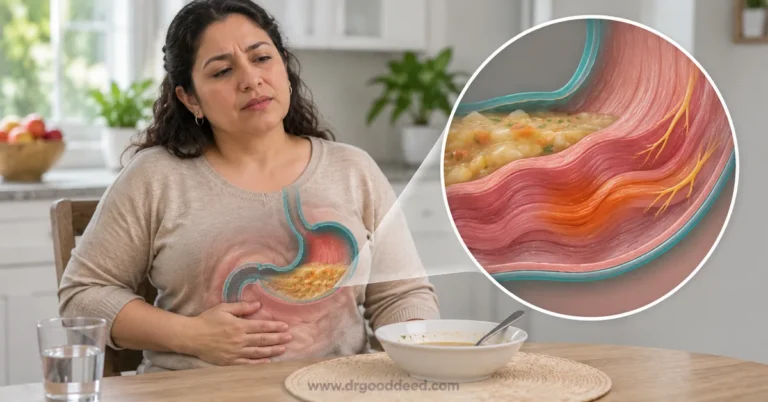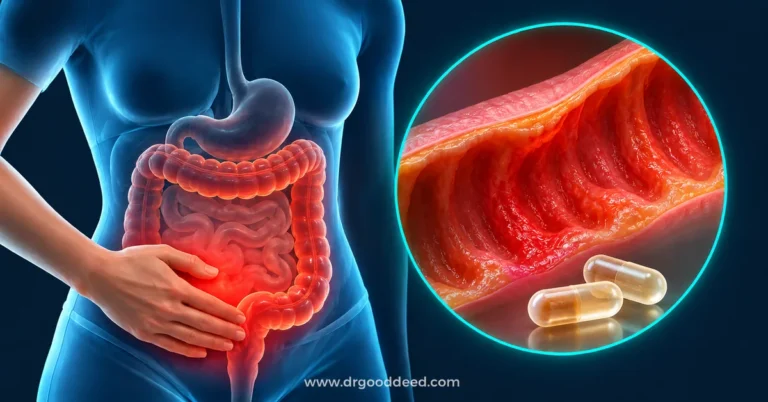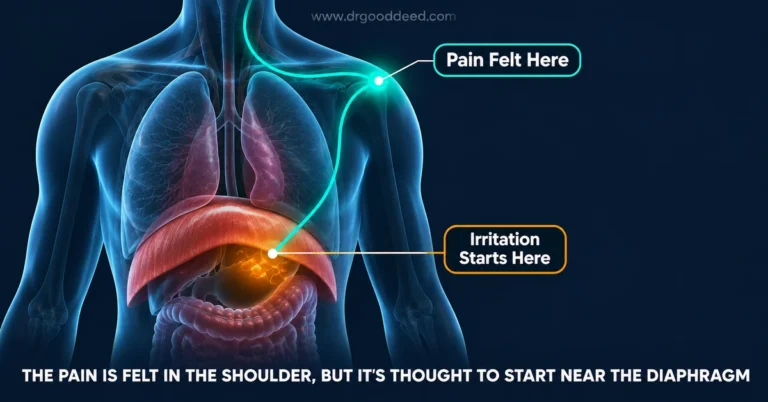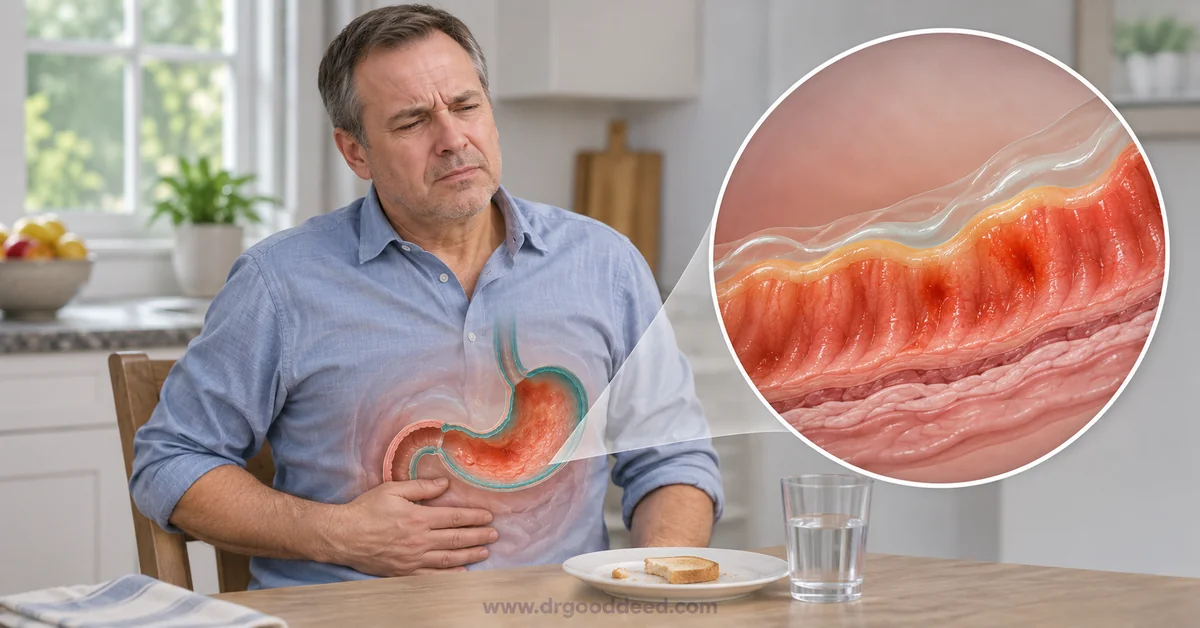

Gastritis and duodenitis both involve inflammation of the digestive lining: gastritis affects the stomach, and duodenitis affects the duodenum, the first part of the small intestine.
The most common causes of both are H. pylori infection, long-term use of some painkillers and heavy alcohol use.
Some people have abdominal pain, nausea or bloating, while others have no digestive symptoms at all.
Key Takeaways
- Gastritis duodenitis means inflammation of the stomach lining, the duodenum, or both; they share causes and differ mainly in location.
- H. pylori infection and some medications can cause both conditions.
- The symptoms can be upper abdominal pain, nausea, vomiting, bloating, and early fullness, but some people have none.
- Treatment depends on the cause and may involve antibiotics or acid-reducing medicines.
- Black stools, vomit containing blood or severe abdominal pain need urgent medical care.
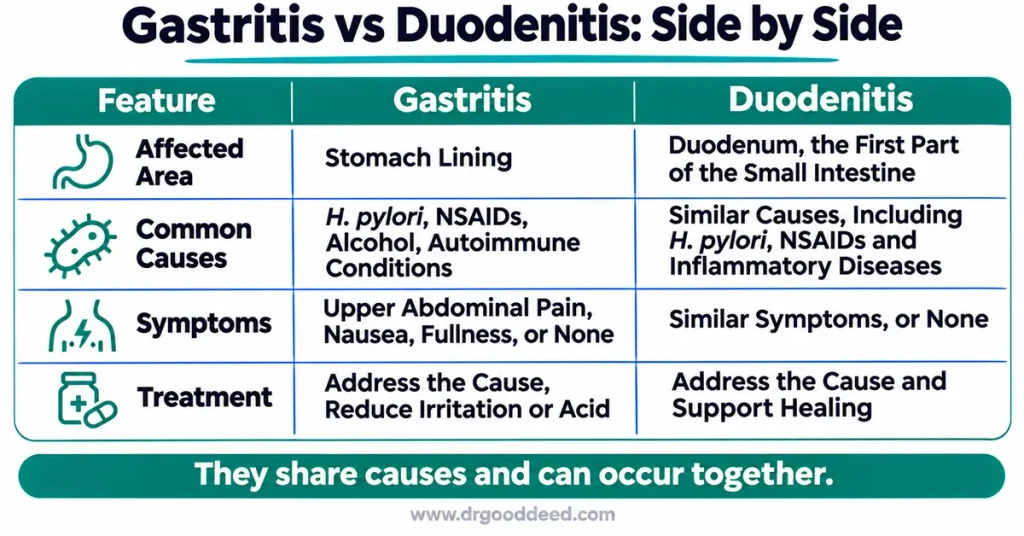
| Feature | Gastritis | Duodenitis |
| Affected area | Stomach lining | Duodenum, the first part of the small intestine |
| Common causes | H. pylori, NSAIDs, alcohol, autoimmune conditions | Similar causes, including H. pylori, NSAIDs, and inflammatory diseases |
| Symptoms | Upper abdominal pain, nausea, fullness, or none | Similar symptoms, or none |
| Treatment | Address the cause and reduce irritation or acid when appropriate | Address the cause and support healing |
What Are Gastritis and Duodenitis?
Gastritis is inflammation of the stomach lining, while duodenitis is inflammation of the duodenum, the first part of the small intestine just below the stomach. The main difference is location. Both conditions share causes and treatments, can occur together, and may cause no symptoms in many people.
When the stomach lining and the duodenum are inflamed at the same time, doctors may call it gastritis duodenitis.
Acute Gastritis vs Chronic Gastritis
Chronic gastritis is long-term inflammation of the stomach lining, while acute gastritis develops suddenly and is usually temporary. Gastritis may also be classified as erosive, nonerosive, or atrophic, depending on the type and extent of tissue changes. These terms are used mainly to describe gastritis. For duodenitis, a doctor describes the inflammation and any other changes seen during an upper endoscopy.
Common types include:
- Acute gastritis: Starts suddenly and often settles once the cause is removed.
- Chronic gastritis: Develops slowly, can last for years and may cause few or no symptoms.
- Erosive gastritis: The lining wears away, which can lead to erosions or ulcers.
- Nonerosive gastritis: Inflammation without erosive changes.
- Atrophic gastritis: The stomach lining thins, which can affect how some nutrients are absorbed.
- Gastritis named by cause: Infectious, drug-induced, alcohol-induced, stress-induced, autoimmune or eosinophilic.
What Causes Gastritis and Duodenitis?
Gastritis and duodenitis share the same causes, and H. pylori infection is the most common.
Common causes include:
- H. pylori infection: The most common cause of both conditions.
- NSAID use: Taking medicines like ibuprofen, naproxen, or aspirin on a regular basis.
- High alcohol intake: May irritate and weaken the stomach lining.
- Smoking: Can worsen digestive symptoms and slow ulcer healing.
- Extreme physical stress: Major surgery, burns, serious injuries, or serious illness.
- Autoimmune gastritis: The immune system attacks stomach cells; it is linked to Hashimoto‘s disease, type 1 diabetes and vitamin B12 deficiency.
- Inflammatory and gut diseases: Crohn’s disease and celiac disease may play a role.
- Other causes: Bile reflux, chemotherapy, and radiation treatment.
Important: Do not stop aspirin, other pain relievers or any medicine without talking to your doctor. Ask whether a safer option or a different medicine is right for you.
If coffee upsets your stomach, read about stomach pain after drinking coffee.
H. pylori: The Most Common Cause
H. pylori is the most common cause of gastritis and duodenitis, though only some infected people develop either condition. It is a bacterium that can live in the stomach and damage its lining, and it is also a common cause of peptic ulcers.
It usually spreads from person to person or through contaminated food or water. It can be found with a breath, stool or blood test, or with an upper endoscopy and biopsy.
Treatment is usually a combination of antibiotics and acid-reducing medicines, often for two weeks or longer. Finish the full course, even if you feel better.
Before an H. pylori test: Make sure to ask your healthcare provider how to prepare for an H. pylori test. Certain medications may interfere with the test results and should never be discontinued without medical supervision.
Duodenitis Symptoms vs Gastritis Symptoms
Duodenitis symptoms match gastritis symptoms, and many people with either condition have no symptoms at all. How serious either one is depends on the cause and any complications.
Possible symptoms of either condition include:
- Burning or gnawing pain in the upper abdomen.
- Nausea, sometimes with vomiting.
- Indigestion or discomfort after meals.
- Bloating and a feeling of fullness.
- Loss of appetite.
- Pain that improves or worsens after eating.
Because the symptoms are the same, they cannot tell the two conditions apart; an upper endoscopy can. They can also overlap with other digestive problems. If your pain comes mainly after meals, read about why your stomach hurts after eating.
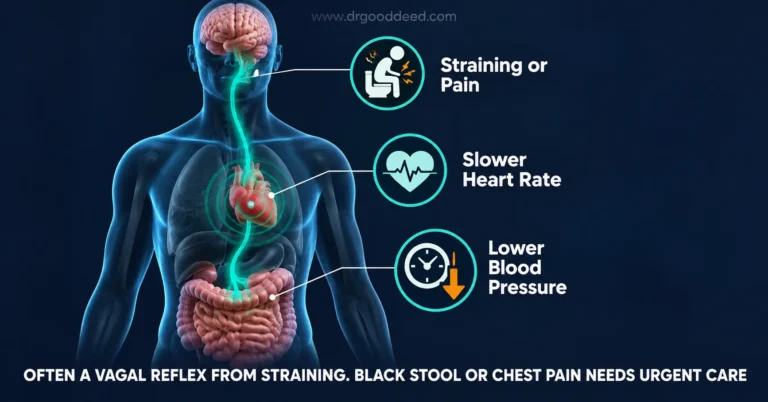
Black, tarry, foul-smelling stools or vomit that looks like coffee grounds can be signs of bleeding in the digestive tract. Get urgent medical care if either happens, and read more about what black poop can mean.
How Are Gastritis and Duodenitis Diagnosed?
Doctors diagnose gastritis and duodenitis from your symptoms, your medical and medicine history, and test results. An upper endoscopy with biopsy is the most definitive test because it lets the doctor see the lining directly.
A range of diagnostic techniques is possible, including:
- Medical history and examination: Reviews symptoms, possible causes and warning signs.
- H. pylori testing: Breath or stool tests can detect H. pylori; blood tests are used in some cases.
- Upper endoscopy: A flexible tube with a camera is used to look at the stomach and duodenum.
- Biopsy: A small amount of tissue can be taken to diagnose the presence of inflammation and other abnormalities.
- Blood tests: May check for anemia or be used to look for possible autoimmune disorders.
Gastritis Treatment: Medicines and Home Care
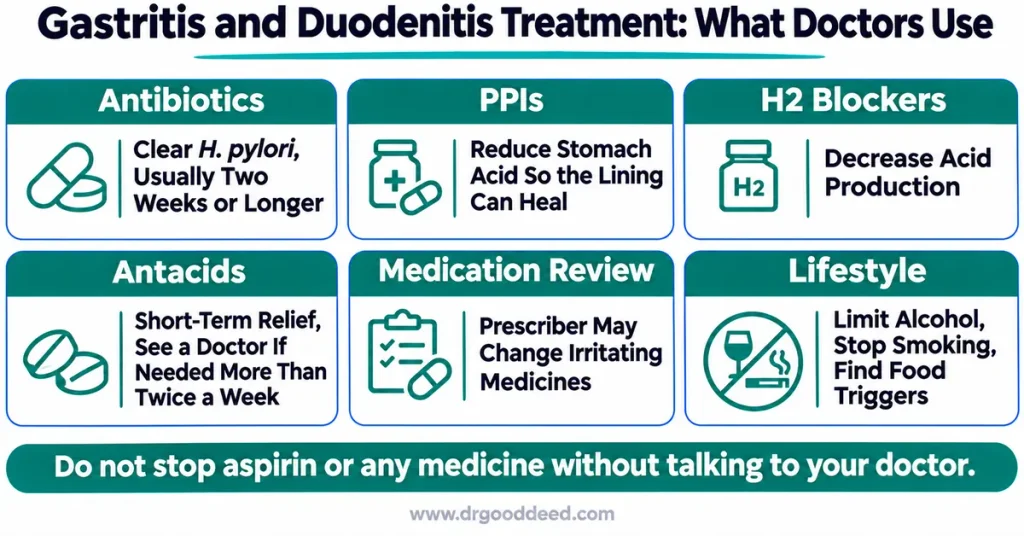
Gastritis treatment depends on the cause: antibiotics for H. pylori, acid-reducing medicines, and a review of pain relievers with your prescriber. The same approach is used for duodenitis.
Common approaches include:
- Antibiotics: Clear H. pylori, usually as a prescribed combination for two weeks or longer.
- Proton pump inhibitors (PPIs): Reduce stomach acid so the lining can heal. Read our comparison of two common proton pump inhibitors.
- H2 blockers: Decrease acid production and could help with symptoms.
- Antacids: Give short-term relief for occasional acid discomfort. Take them apart from other medicines, and see a doctor if you need them more than twice a week. See our comparison of two common antacids.
- Medication review: Medicines that can cause irritation may be changed by the prescriber.
- Lifestyle changes: Limiting alcohol, stopping smoking and finding personal food triggers may help.
If you take an acid-reducing medicine long term, review it regularly with your doctor, because long-term use has been linked to side effects such as fractures, kidney problems and nutrient deficiencies.
Diet changes can ease many symptoms, but no single diet suits everyone. These home care tips may help:
- If large meals are uncomfortable, try eating smaller meals.
- Limit spicy, fatty, acidic and fizzy foods if they cause symptoms.
- Limit caffeine if it makes you feel worse.
- Avoid alcohol while you have symptoms, especially if it is a trigger.
- If symptoms bother you at night, avoid eating for 3 to 4 hours before bed.
- Drink plenty of fluids, particularly if vomiting.
- Rather than cutting out many foods, keep a food and symptom diary to find your personal triggers.
When Do Gastritis and Duodenitis Need Urgent Care?
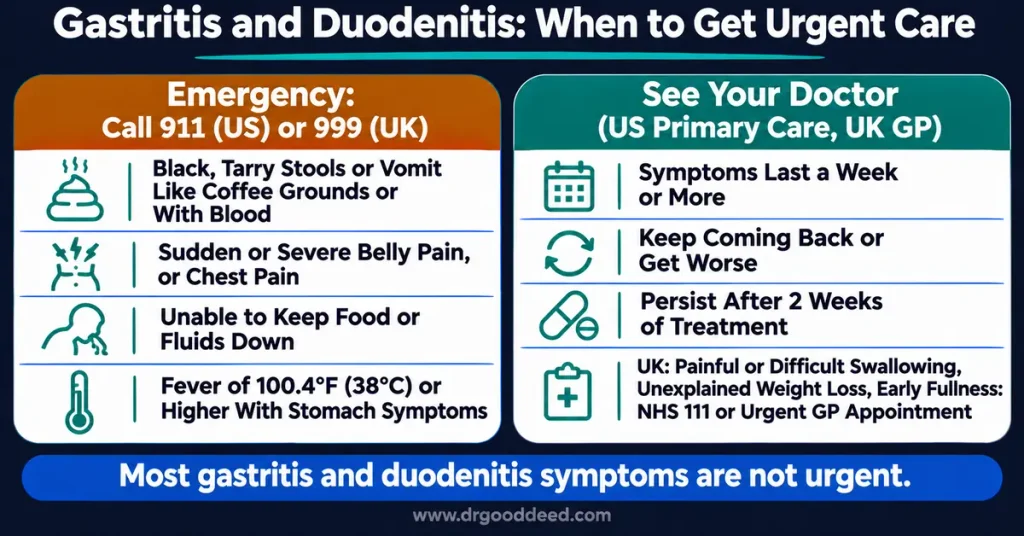
Most gastritis duodenitis symptoms are not urgent, but the signs below need care right away.
Get emergency care right away for:
- Black, tarry stools, or vomit that looks like coffee grounds or contains blood.
- Sudden or severe belly pain, or chest pain.
- Being unable to keep food or fluids down.
- A fever of 100.4°F (38°C) or higher with stomach symptoms.
In the US, call 911 or go to the emergency department for any of these signs. See your primary care provider if symptoms last a week or more, keep coming back, get worse, or persist after two weeks of treatment.
In the UK, see your GP if symptoms last longer than one week. Contact NHS 111 or request an urgent GP appointment for persistent vomiting, unexplained weight loss, loss of appetite, early fullness, or painful or difficult swallowing. Call 999 or go to A&E if you vomit blood or material resembling coffee grounds, pass black, sticky stools, or develop sudden, severe abdominal or chest pain.
If your symptoms seem more like a stomach bug, read about food poisoning vs stomach flu.
Medical Disclaimer: This article about gastritis and duodenitis is for educational purposes only and does not replace medical diagnosis or treatment. If you have digestive symptoms, consult a medical professional.
Frequently Asked Questions
Is duodenitis more serious than gastritis?
Not necessarily. The causes and treatment of gastritis and duodenitis are alike. The severity of either of these illnesses is based on the cause, level of inflammation, and complications like ulcers and bleeding.
Can stress cause gastritis?
Acute gastritis can be caused by a significant bodily stressor, such as major surgery, burns, serious injury, or a life-threatening disease. Emotional stress can have a negative effect on digestive symptoms; however, a symptom that continues for more than a day or two should not be assumed to be caused by stress.
What foods should you avoid with gastritis?
Reduce foods and drinks that make your symptoms worse, including alcohol, spicy or fatty foods, acidic foods, fizzy drinks, and caffeine if they trigger your symptoms. Everyone reacts to symptoms differently, and a symptom diary may assist in making the adjustments.
Can gastritis turn into stomach cancer?
Acute gastritis may not progress to cancer. In a small number of individuals, chronic types, especially those characterized by widespread thinning of the lining of the stomach and alterations in the cells, can cause an increased risk of cancer. If symptoms do not resolve or if there is weight loss for which there is no explanation, it needs medical assessment.
Sources
- Cleveland Clinic, Gastritis: What It Is, Symptoms, Causes and Treatment. link
- Mayo Clinic, Gastritis: Symptoms and Causes. link
- NHS, Gastritis. link
- Medical News Today, Gastritis and Duodenitis: Symptoms, Causes, and Treatment. link
- Healthline, Gastritis/Duodenitis: Types, Causes, and Symptoms. link
- Healthline, Acute Gastritis: Causes, Symptoms, and Diagnosis. link
Medical Disclaimer: This article is for general information only and is not medical advice. It does not replace a diagnosis, treatment plan, or guidance from a qualified healthcare professional. Always talk to your doctor about your own symptoms and before starting, stopping, or changing any treatment. If you think you may be having a medical emergency, call 911 or go to your nearest emergency room.