
Medically reviewed by Dr Anshu Alok, Endocrinology.
Nocturnal hypoglycemia, or low blood sugar while you sleep, can cause night sweats and nightmares, but night sweats alone have many other causes. Knowing what to look for can help you recognize a possible low and decide when to seek medical advice.
Key Takeaways
- Nocturnal hypoglycemia can cause night sweats, nightmares and a morning headache, mostly in people who use insulin or other diabetes medicines.
- Skipping meals, drinking alcohol, exercising more than usual, and changes in medication can increase the risk of nighttime lows.
- A high morning blood sugar reading does not automatically mean your blood sugar dropped overnight.
- Repeated nighttime lows, severe symptoms, or episodes that need another person’s help require medical attention.
Can Nocturnal Hypoglycemia Cause Night Sweats and Nightmares?
Yes, nocturnal hypoglycemia can cause night sweats and nightmares, along with restless sleep and a racing heart, often without fully waking you. These symptoms occur because the body releases hormones, including adrenaline, to raise blood sugar when it falls too low.
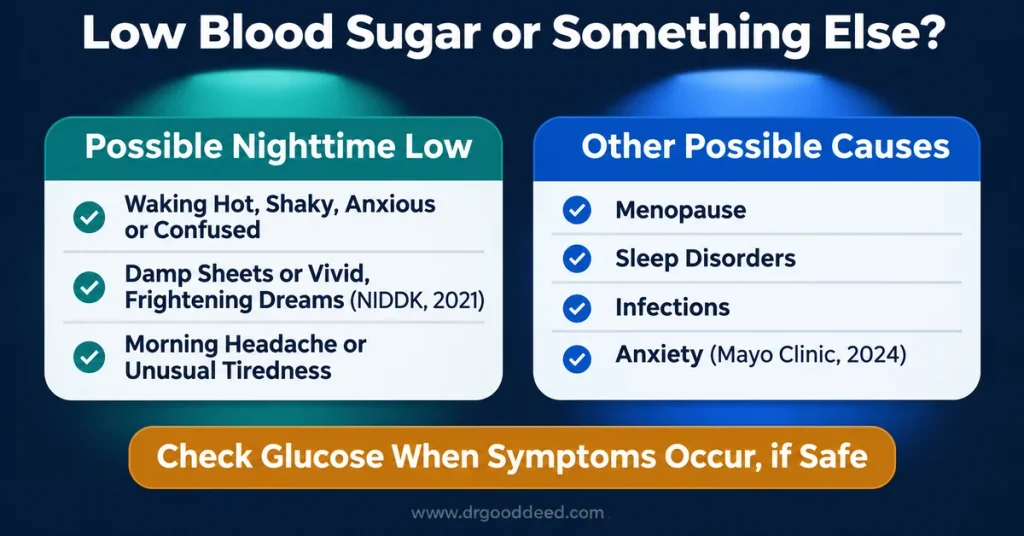
You might wake up suddenly feeling hot, shaky, anxious, or confused. Some people notice damp bedsheets or pajamas, while others remember having an unusually vivid or frightening dream (NIDDK, 2021). You may also wake with a headache or feel unusually tired the next morning.
However, these symptoms do not always mean your blood sugar is low. Menopause, sleep disorders, infections, anxiety, and other conditions can also cause night sweats or disturbed sleep (Mayo Clinic, 2024). Hot flashes are a leading cause of night sweats in midlife, and a guide to how long menopause lasts explains the timeline.
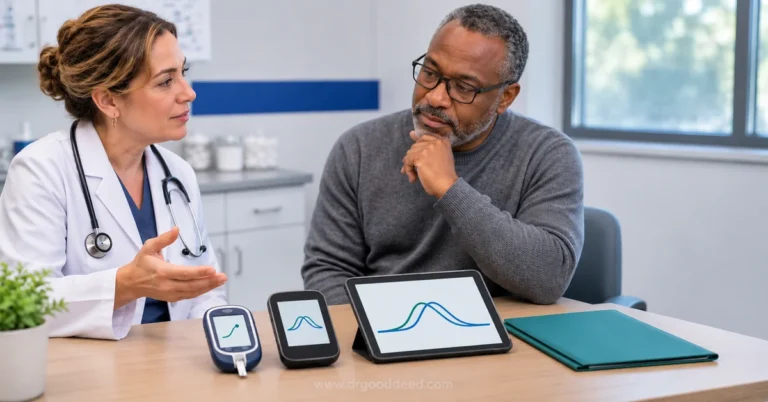
The best way to confirm a suspected low is to check your blood glucose when symptoms occur, if you can do so safely. If you use a continuous glucose monitor (CGM), review its reading and trend. A CGM measures glucose in the fluid beneath your skin, so its readings may not always match a finger-stick test exactly.
If you have symptoms that suggest low blood sugar but your CGM reading doesn’t match how you feel, check your glucose with a finger-stick meter if available and follow your diabetes care plan.
What Causes Nocturnal Hypoglycemia?
Blood sugar can fall during sleep for several reasons. The risk is particularly important for people with diabetes who use insulin or other medications that can cause hypoglycemia.
Common causes include:
- Medication-related lows: Insulin or certain diabetes medications may lower glucose too much overnight, especially when their effects don’t match your body’s needs.
- Missed or delayed meals: Eating less than usual, skipping dinner, or having fewer carbohydrates than expected can contribute to a nighttime low.
- Evening exercise: Physical activity can increase your body’s glucose use. The effect may last for hours after exercise, including during sleep.
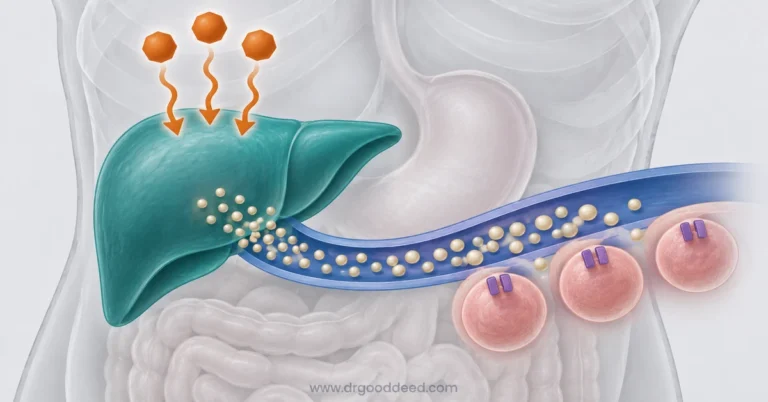
- Alcohol consumption: Alcohol can interfere with the liver’s ability to release stored glucose. This may increase the risk of a low, especially when you drink without eating enough.
- Changes in your daily routine: Differences in meal timing, physical activity, sleep schedules, or medication timing can affect overnight glucose levels.
- Illness or changes in appetite: Eating less than usual while continuing your usual diabetes medication may increase the risk of hypoglycemia.
Not everyone with diabetes experiences nighttime lows, and night sweats alone cannot establish the cause.
If you repeatedly wake up with symptoms or your CGM records overnight lows, discuss the pattern with your healthcare professional. Reviewing your meals, exercise, medication schedule, and glucose readings can help identify what is happening. Do not change medication doses on your own.
Can You Have Low Blood Sugar at Night Without Diabetes?
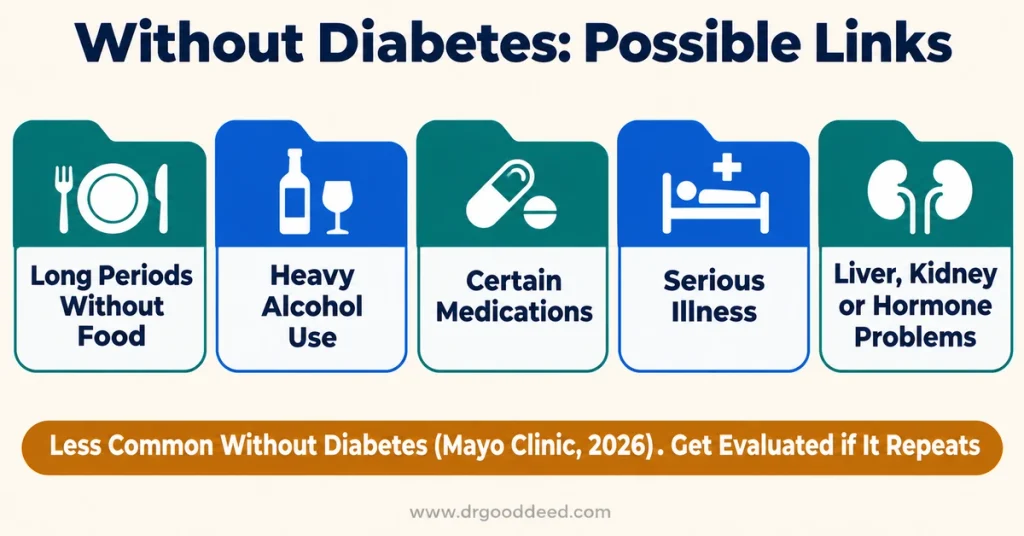
Yes, although nocturnal hypoglycemia is less common in people who do not have diabetes (Mayo Clinic, 2026).
In people without diabetes, low blood sugar can sometimes be associated with prolonged periods without food, heavy alcohol consumption, certain medications, serious illness, or problems affecting the liver, kidneys, or hormone production (Mayo Clinic, 2026). In some cases, the cause may not be immediately clear.
Waking up sweaty, hungry, shaky, or anxious does not necessarily mean you have hypoglycemia. Similar symptoms can occur with anxiety, menopause, sleep disturbances, and other health conditions.
A clinician may assess whether your symptoms occur alongside a genuinely low blood glucose level and whether they improve when glucose returns to normal. They may also review your medical history, medications, eating patterns, and other symptoms.
If you repeatedly experience suspected low blood sugar without diabetes, arrange a medical evaluation rather than trying to manage the episodes on your own. Call 911 if you develop severe confusion, seizures, fainting, or difficulty staying conscious.
Does High Morning Blood Sugar Mean You Went Low?
Not necessarily. A high glucose reading on waking doesn’t prove your blood sugar dropped overnight.
Several factors can explain high morning glucose, including:
- The dawn phenomenon: Hormonal changes in the early morning can raise blood sugar before you wake up.
- Glucose changes overnight: Your blood sugar may rise or fall during sleep because of meals, medication, activity, or your body’s normal hormone patterns.
- Medication or treatment timing: Your current treatment schedule may not keep glucose within your target range overnight.
- Differences in testing: A single reading shows your glucose at one moment. It cannot tell you exactly what happened several hours earlier.
The idea that every high morning reading is caused by a rebound (the Somogyi effect) after nighttime hypoglycemia can be misleading. CGM studies have not shown this rebound on average, though it may happen in some people (Journal of Diabetes Science and Technology, 2024). You need overnight glucose information to understand the pattern.
If you use a CGM, review the overnight graph for changes before and after waking. If you use a finger-stick meter, your healthcare professional may recommend checking at specific times to help identify a pattern.
For a clearer understanding of glucose targets, see our guide to normal blood sugar levels by age.
If morning readings are consistently higher than your target, share your results with your healthcare professional. Do not take extra medication or change your usual dose based on one reading unless your prescribed care plan specifically instructs you to do so.
What to Do If You Wake Up With Low Blood Sugar
If you wake up feeling shaky, sweaty, dizzy, unusually hungry, or confused, check your blood glucose if possible. If the reading is below 70 mg/dL (3.9 mmol/L), it is generally considered low for most people with diabetes (NIDDK, 2021).
If you are awake, alert, and able to swallow safely, follow your prescribed hypoglycemia plan. A common approach for an adult who can swallow is the 15-15 rule (NIDDK, 2021):
- Take 15 to 20 grams of fast-acting carbohydrate.
- Wait 15 minutes.
- Check your blood glucose again.
- If it remains below 70 mg/dL (3.9 mmol/L), repeat the treatment.
- Once your glucose has recovered, follow your care plan for preventing another low. You may need a snack if your next meal is not soon, depending on your circumstances.
Examples of fast-acting carbohydrates include glucose tablets or glucose gel in an appropriate amount, or a measured serving of regular juice. Check the product label to make sure you take the intended amount of carbohydrate.
If you use a CGM, remember that readings may lag behind changes in blood glucose. If the reading does not match your symptoms, confirm it with a finger-stick meter when possible.
Never give food, drinks, or glucose gel by mouth to someone unconscious, having a seizure, or unable to swallow safely. Call 911. If the person has a prescribed emergency rescue medicine and someone present knows how to use it, administer it according to the instructions while waiting for help.
If you have severe symptoms, cannot treat the low safely, or your blood glucose doesn’t improve after following your care plan, seek urgent medical help.
How to Prevent Low Blood Sugar While Sleeping
Preventing nighttime hypoglycemia starts with identifying why your glucose is falling. Small routine changes may help, but repeated lows require a review of your diabetes management.
Here are practical steps to discuss with your healthcare professional.
- Track nighttime patterns: Record your glucose readings, symptoms, meals, physical activity, and medication timing. These details may help reveal a recurring trigger.
- Avoid skipping meals without a plan: If your meal timing or food intake changes, ask how this may affect your risk of hypoglycemia.
- Pay attention to evening exercise: Note whether nighttime lows occur after longer or more intense workouts. Your care plan may need to account for activity changes.
- Be cautious with alcohol: Alcohol can increase the risk of delayed hypoglycemia, particularly when you have not eaten enough. Ask your healthcare professional how to reduce this risk.
- Use your CGM alerts appropriately: If you use a CGM, review your alert settings with your healthcare team so you can respond to important glucose changes.
- Keep your treatment supplies nearby: If you are at risk of hypoglycemia, keep your glucose meter and appropriate fast-acting carbohydrate within easy reach.
- Review recurring lows with your clinician: Frequent nighttime hypoglycemia may mean your treatment plan needs reassessment. Do not adjust your medication without appropriate guidance.
A bedtime snack is not necessary for everyone. Whether it helps depends on your medication, glucose pattern, activity level, and individual care plan. Ask your healthcare professional whether one is appropriate for you.
If night sweats continue despite stable glucose readings, consider other possible causes. Our guides on waking up at 3 AM and sleep apnea symptoms in women explore other reasons for disrupted sleep.
When to See a Doctor for Nighttime Lows
Occasional sweating or a bad dream does not automatically indicate a blood sugar problem. However, repeated symptoms or documented nighttime lows deserve attention, particularly if you take medication that can cause hypoglycemia.
Contact your healthcare professional if you:
- Frequently wake up sweaty, shaky, hungry, or confused.
- Have repeated CGM alerts or confirmed low glucose readings overnight.
- Notice unexplained changes in your morning glucose levels.
- Experience nighttime lows after exercise, alcohol consumption, or changes in your meals.
- Need help from another person to treat a low.
- Have suspected hypoglycemia despite not having diabetes.
Call 911 if a low causes a seizure, loss of consciousness, severe confusion, or an inability to swallow safely. These symptoms can indicate severe hypoglycemia and require immediate attention.
Keeping a record of your symptoms and glucose readings can make your appointment more useful. Note when symptoms occur, what you ate, your activity level, any alcohol consumption, and the medications you take. If you use a CGM, save the overnight readings for your clinician to review.
Night sweats and nightmares can have several explanations. Determining whether they coincide with low blood glucose is an important first step in choosing the right response. After any episode of nocturnal hypoglycemia, call your doctor so you can find the cause and adjust the plan together.
Frequently Asked Questions
Can You Die From Low Blood Sugar in Your Sleep?
Yes, in rare cases. Severe hypoglycemia can be life-threatening if it is not treated (NIDDK, 2021). Nighttime lows do not always cause serious harm, but repeated or severe episodes need medical attention, especially if you use insulin or certain diabetes medications.
What Are the Signs Your Blood Sugar Is Too Low?
Common signs include sweating, shaking, hunger, a racing heartbeat, dizziness, and confusion. During sleep, you may notice damp pajamas, nightmares, restless sleep, or a headache when you wake up. Checking your glucose can help determine whether a low is responsible.
Is Every CGM Alarm for Low Blood Sugar at Night a Real Low?
Not always: an alarm for low blood sugar at night can be a false low if you were lying on the sensor (Journal of Diabetes Science and Technology, 2014). If the reading does not match your symptoms, confirm it with a finger-stick meter when possible and follow your care plan.
What Bedtime Blood Sugar Is Safe?
No bedtime glucose number is right for everyone. For people with diabetes, Joslin Diabetes Center (2020) suggests about 90 to 150 mg/dL at bedtime. Your target depends on factors such as your treatment, risk of hypoglycemia, age, and other health considerations. Ask your healthcare professional to help you set an appropriate target.
Can You Sleep Through a Low?
Yes. Some people do not wake up when their blood sugar drops, while others experience sweating, restless sleep, or nightmares. If you are at risk of nighttime hypoglycemia, ask your healthcare professional whether CGM monitoring or changes to your care plan could help.
Sources
- National Institute of Diabetes and Digestive and Kidney Diseases, Low blood glucose (hypoglycemia) (2021). link
- National Institute of Diabetes and Digestive and Kidney Diseases, Continuous glucose monitoring (2023). link
- Journal of Diabetes Science and Technology, Nocturnal Hypoglycemia in the Era of Continuous Glucose Monitoring (2024). link
- Mayo Clinic, Hypoglycemia (2026). link
- Mayo Clinic, Night sweats: causes (2024). link
- Joslin Diabetes Center, Avoiding Nighttime Hypoglycemia (2020). link
- Journal of Diabetes Science and Technology, A Novel Method to Detect Pressure-Induced Sensor Attenuations (PISA) in an Artificial Pancreas (2014). link
Medical Disclaimer: This article is for general information only and is not medical advice. It does not replace a diagnosis, treatment plan, or guidance from a qualified healthcare professional. Always talk to your doctor about your own symptoms and before starting, stopping, or changing any treatment. If you think you may be having a medical emergency, call 911 or go to your nearest emergency room.