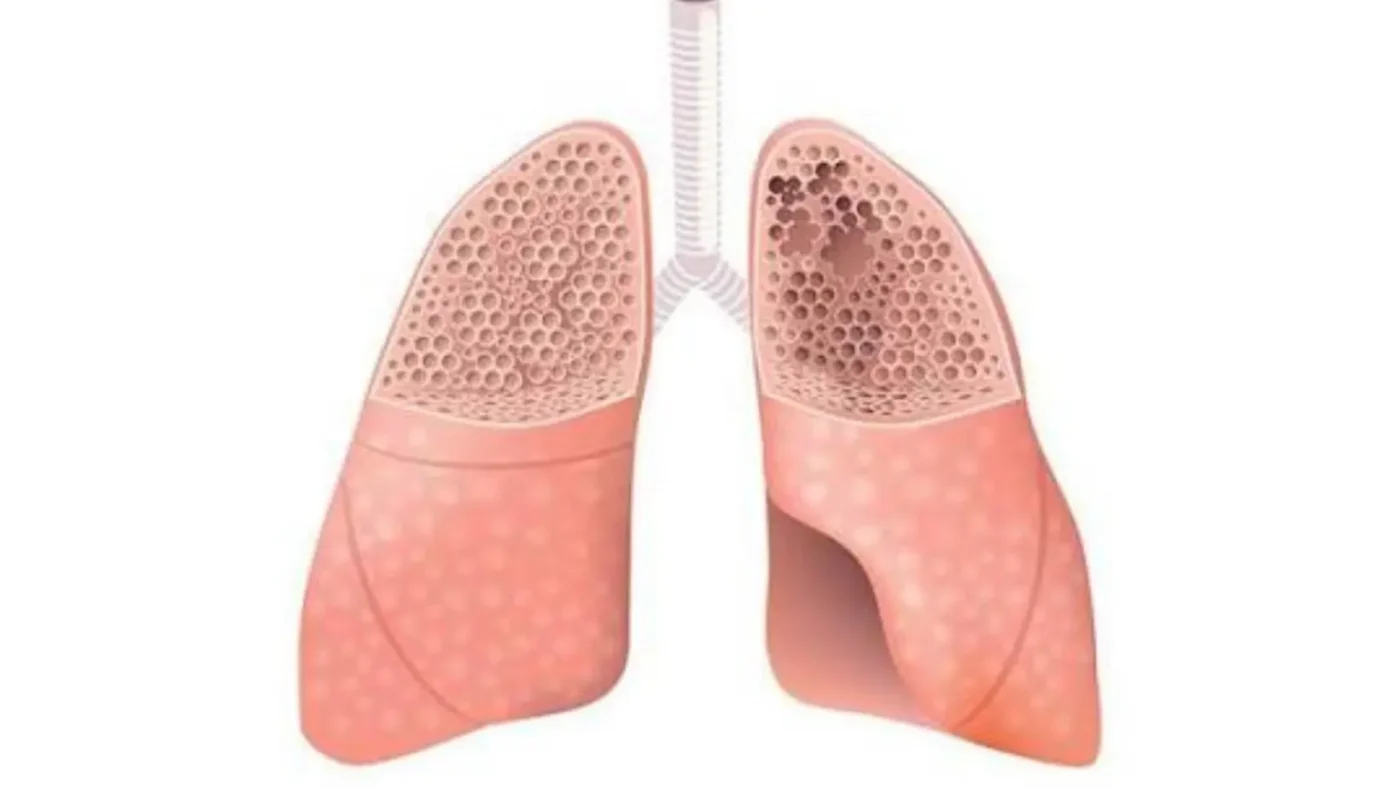

The difference between COPD and emphysema is that COPD is the umbrella diagnosis, and emphysema is one specific disease living under that umbrella. The National Heart, Lung, and Blood Institute defines COPD as a progressive disease covering two main conditions, emphysema and chronic bronchitis. Emphysema itself is a physical, permanent breakdown of the air sacs in the lungs, called alveoli.
In the USA, over 16 million adults live with a COPD diagnosis, and roughly 3 million of them specifically have emphysema. This guide covers how the two conditions differ, where their symptoms overlap, and how doctors treat each one.
Difference Between COPD and Emphysema
Understanding the difference between COPD and emphysema starts with structure. COPD is a category, not a single disease, similar to how “heart disease” covers several separate heart conditions. Emphysema is one named disease that fits inside that category. Every person with emphysema has COPD, but not every person with COPD has emphysema.
Disease Definition
COPD is airflow limitation that doesn’t fully reverse with medication, according to the GOLD (Global Initiative for Chronic Obstructive Lung Disease) definition used by pulmonologists worldwide. Emphysema is a specific pathology: permanent, abnormal enlargement of air spaces past the smallest airways, along with destroyed air sac walls.
Lung Structures Affected
COPD can affect airways, air sacs, or both, depending on which condition is driving it. Emphysema targets the alveoli specifically. Healthy alveoli look like a tight cluster of small balloons. Emphysema turns that cluster into a few large, floppy pockets that can’t spring back after each breath.
Symptoms
Both conditions cause breathlessness and reduced exercise tolerance. Emphysema tends to cause more pronounced shortness of breath during activity, since damaged air sacs can’t move oxygen into the blood efficiently. Chronic bronchitis-driven COPD leans more toward a mucus-heavy cough. Many patients have a mix of both patterns.
Diagnosis
Doctors diagnose COPD broadly using spirometry, a breathing test that measures how much air a patient can forcefully exhale. Emphysema specifically gets confirmed with a CT scan, which shows the physical holes and enlarged air spaces that spirometry alone cannot detect.
Treatment
Treatment plans overlap heavily since both conditions share the same core damage: reduced airflow and lower oxygen exchange. Bronchodilators, pulmonary rehab, and oxygen therapy apply to both. Emphysema adds a few extra options, like lung volume reduction surgery, that aren’t standard for chronic bronchitis-only COPD.
Prognosis
COPD is the third leading cause of death in the United States. Prognosis depends heavily on which sub-condition is present, how early it’s caught, and whether the patient keeps smoking. Emphysema causes irreversible tissue damage, so its outlook depends on how much lung tissue was destroyed before diagnosis.
COPD Symptoms vs Emphysema Symptoms
COPD symptoms vs emphysema symptoms distinction usually comes down to which symptom dominates and how far the disease has progressed.
Shortness of Breath
Both conditions cause breathlessness, but emphysema patients often notice it earlier during light activity, since destroyed air sacs cut oxygen exchange directly. In broader COPD, breathlessness can build more gradually as airways narrow over years.
Chronic Cough
A long-lasting cough leans more toward chronic bronchitis than pure emphysema. The cough shows up because inflamed, mucus-filled airways trigger the body’s urge to clear them constantly.
Wheezing
Wheezing happens when air squeezes through narrowed or partially blocked airways. It’s common across all forms of COPD, including emphysema, and often gets worse during physical activity or respiratory infections.
Chest Tightness
A squeezing chest sensation shows up when the lungs work harder than normal to move air in and out. Patients with either condition can experience this, especially during flare-ups.
Excess Mucus Production
This symptom points more toward chronic bronchitis. Inflamed airway linings produce extra mucus as a defense response, which then clogs the airways further and worsens breathing.
Fatigue
Lower oxygen levels force the heart and muscles to work harder for the same output. Fatigue builds gradually and often gets dismissed as normal aging before a diagnosis is made.
Weight Loss in Advanced Emphysema
Advanced emphysema burns extra calories just from the physical effort of breathing. Unexplained weight loss in a person with emphysema is a sign the disease has reached a more severe stage.
Frequent Respiratory Infections
Damaged lung tissue and narrowed airways make it harder to clear bacteria and viruses. People with COPD or emphysema catch respiratory infections more often, and those infections tend to hit harder.
COPD Treatment vs Emphysema Treatment
COPD treatment vs emphysema treatment shares a common foundation, but emphysema requires a couple of procedures that other COPD types don’t need.
Smoking Cessation
Quitting smoking is the first and most effective step for both conditions. It’s the only intervention proven to slow lung function decline in COPD, according to the American Lung Association.
Bronchodilator Inhalers
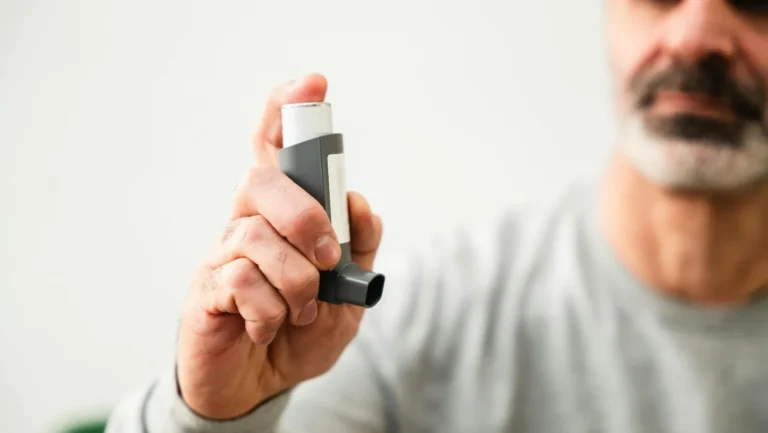
These medications relax the muscles around the airways, making it easier to move air in and out. They’re a standard first-line treatment across nearly all COPD subtypes, including emphysema.
Inhaled Corticosteroids (Selected Patients)
Doctors add inhaled steroids for patients with frequent flare-ups or an asthma-COPD overlap. They’re not used for everyone, since long-term steroid use carries its own risks, like pneumonia.
Pulmonary Rehabilitation
This structured program combines exercise training, breathing techniques, and education. It helps patients with either condition build stamina and manage daily symptoms more effectively over several weeks.
Oxygen Therapy
When blood oxygen drops too low, supplemental oxygen reduces strain on the heart and other organs. It’s more commonly needed in advanced emphysema, where oxygen exchange is directly impaired.
Vaccinations
Flu and pneumonia vaccines matter more for COPD and emphysema patients than the general population, since a routine respiratory infection can trigger a serious flare-up or hospitalization.
Lung Volume Reduction Procedures
This is an emphysema-specific option. Surgeons or specialists remove or reduce damaged, overinflated lung tissue, giving healthier remaining tissue more room to expand and work properly.
Lung Transplant in Advanced Disease
For severe, advanced cases that no longer respond to other treatments, a lung transplant is the last option available. It’s reserved for patients who meet strict eligibility criteria.
FAQs
Is emphysema a type of COPD?
Yes. Emphysema is one of the two main conditions that fall under the COPD umbrella, alongside chronic bronchitis, per the National Heart, Lung, and Blood Institute.
Can you have COPD without emphysema?
Yes. A person can have COPD driven entirely by chronic bronchitis, with no measurable emphysema damage on a CT scan.
What causes COPD and emphysema?
Smoking causes 85% to 90% of cases. Remaining cases come from long-term exposure to air pollution, occupational dust, secondhand smoke, or a genetic condition called alpha-1 antitrypsin deficiency.
Does smoking always cause emphysema?
No. About 25% of U.S. adults with COPD never smoked, per CDC survey data. Long-term irritant exposure or genetics can cause emphysema without any smoking history.
How are COPD and emphysema diagnosed?
Spirometry diagnoses COPD broadly by measuring exhaled airflow. A CT scan confirms emphysema specifically by showing physical holes and enlarged air spaces in lung tissue.
Can emphysema be reversed?
No. Destroyed alveoli do not regenerate. Treatment only slows further damage and manages symptoms; it cannot restore air sacs that are already gone.
Can pulmonary rehabilitation help both conditions?
Yes. Pulmonary rehab improves exercise capacity and breathing control in both emphysema and chronic bronchitis-driven COPD, regardless of which structure is most damaged.
Is oxygen therapy required for everyone with COPD?
No. It’s prescribed only when blood oxygen levels drop below a specific clinical threshold, confirmed through a pulse oximetry or arterial blood gas test.
How can I slow the progression of COPD or emphysema?
Quit smoking immediately, avoid air pollution and occupational irritants, get yearly flu and pneumonia vaccines, and start pulmonary rehab as early as your doctor recommends.
Sources
- National Heart, Lung, and Blood Institute: What is COPD?
- StatPearls (NCBI Bookshelf): Emphysema
- Centers for Disease Control and Prevention, cited via PAM Health: The Relationship Between Emphysema and COPD
- American Lung Association, cited via Kelsey-Seybold Clinic: The Difference Between COPD and Emphysema
- GoodRx Health: What’s the Difference Between COPD and Emphysema?