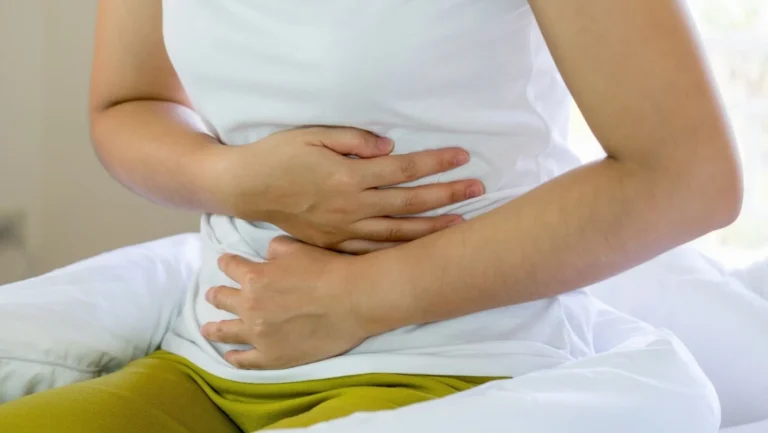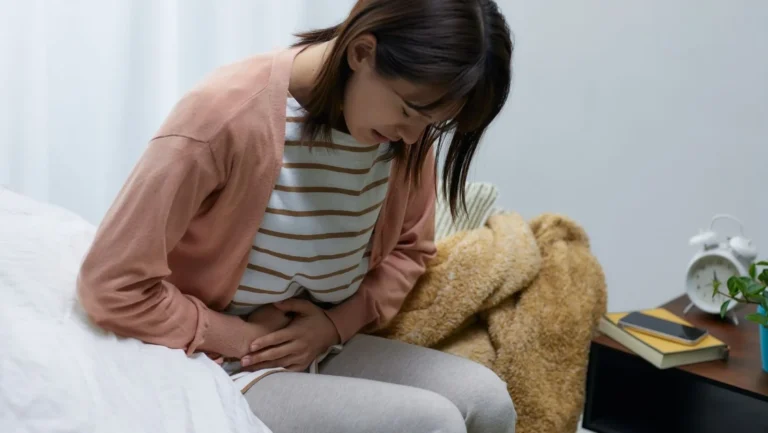

Cramps but no period usually means ovulation, early pregnancy, or a hormone or reproductive organ issue is irritating your pelvic muscles without triggering menstrual bleeding. In the USA, gynecologists report ovulation pain and early pregnancy as the two most frequent reasons behind cramps but no period, followed by conditions like endometriosis and ovarian cysts.
This guide covers the causes, symptoms, and evidence-based ways to relieve the pain, plus when it signals something that needs a doctor. If you have already searched causes of menstrual cramps without a period, the breakdown below sorts every trigger by how common and how serious it is.
Causes of Menstrual Cramps Without a Period
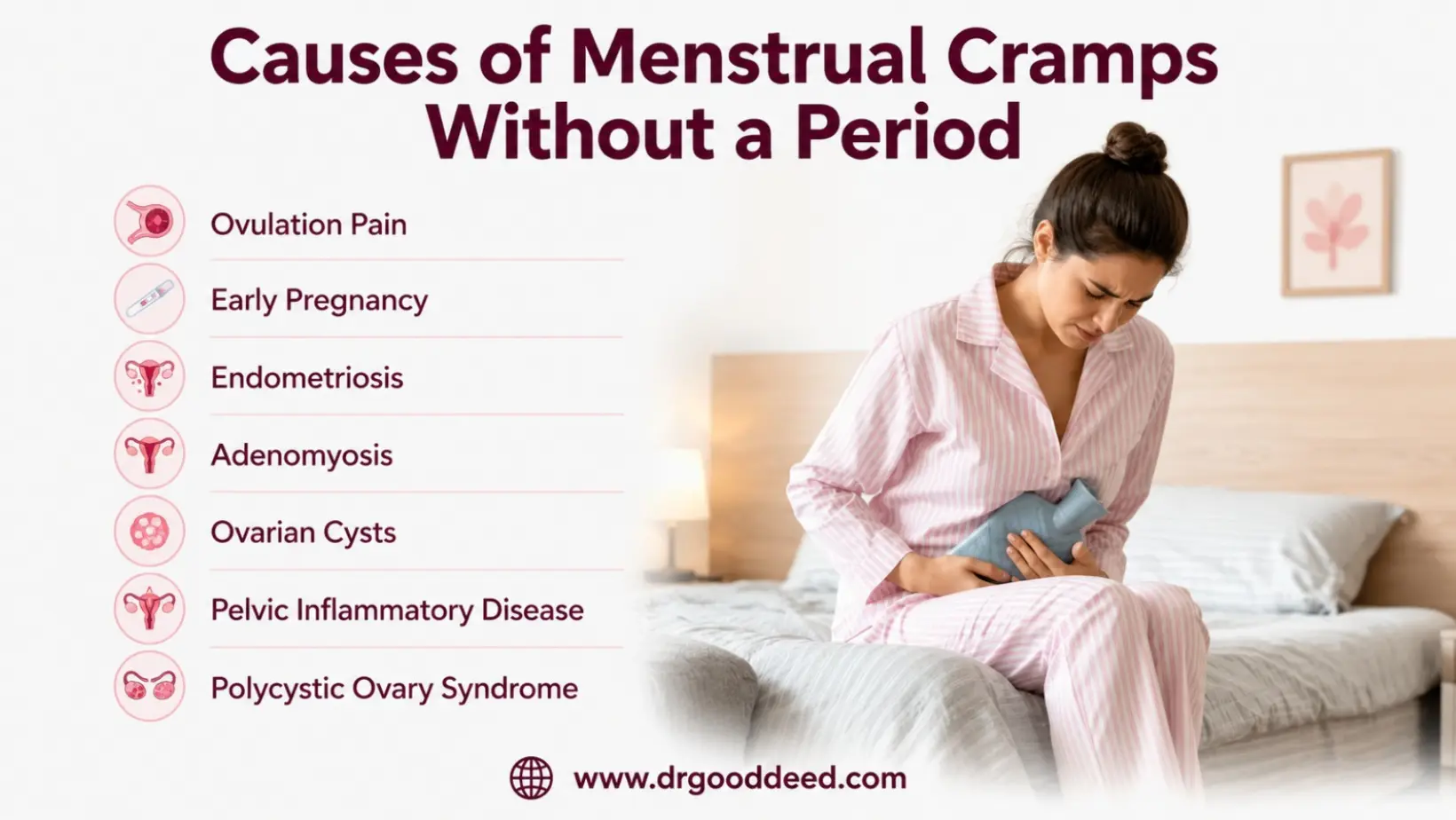
Pelvic cramping without bleeding has several possible triggers, ranging from a normal ovulation cycle to conditions that need treatment. The causes of menstrual cramps without a period fall into two groups: short-term hormonal shifts and longer-term reproductive conditions. Knowing which group fits your symptoms helps you decide if home care is enough or if you need a checkup.
Ovulation Pain (Mittelschmerz)
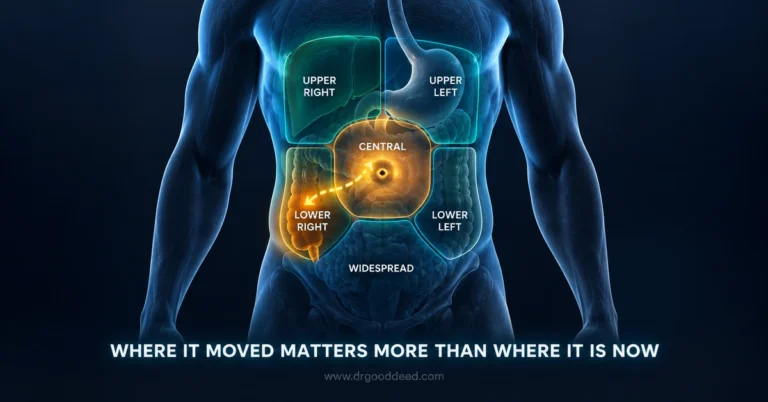
Ovulation pain happens when an ovary releases an egg, usually around day 14 of your cycle. It causes a sharp, one-sided ache that lasts minutes to hours. This one-sided pelvic pain, but no period, is harmless and needs no treatment beyond rest or a heating pad.
Early Pregnancy
Implantation cramping happens when a fertilized egg attaches to the uterine wall, about 6 to 12 days after conception. It feels like mild period cramps but without the bleeding, or with only light spotting. A missed period plus cramping calls for a home pregnancy test.
Endometriosis
This condition happens when tissue similar to the uterine lining grows outside the uterus, often on the ovaries or pelvic wall. It causes chronic pelvic pain that can strike any time in your cycle, not just during your period. The National Institute of Child Health and Human Development notes that endometriosis affects roughly 1 in 10 women of reproductive age.
Adenomyosis
Adenomyosis occurs when uterine lining tissue grows into the muscular wall of the uterus itself. It causes deep, aching lower abdominal cramps but no period timing, along with a feeling of pelvic pressure or fullness that worsens over months. It’s most common in women over 30 who have already had children.
Ovarian Cysts
Fluid-filled sacs on the ovaries usually cause no symptoms, but larger ones can twist or rupture. A ruptured cyst causes sudden, sharp pain on one side, matching the pattern of one-sided pelvic pain but no period, which sends many women to urgent care. Most functional cysts form during normal ovulation and shrink on their own within one to three menstrual cycles.
Uterine Fibroids
Fibroids are noncancerous growths in or around the uterus. Depending on size and location, they cause pressure, cramping, and a heavy or bloated feeling in the lower belly, even between periods. Larger fibroids are a frequent cause of lower abdominal cramps but no period that women mistake for ordinary bloating.
Pelvic Inflammatory Disease (PID)
PID is an infection of the reproductive organs, often linked to untreated sexually transmitted infections like chlamydia or gonorrhea. It causes cramping with fever, unusual discharge, and pain that gets worse quickly, making it a condition that needs antibiotics fast. Doctors confirm PID using tests for cramps without menstrual bleeding, including a pelvic exam and swab culture, before starting treatment.
Polycystic Ovary Syndrome (PCOS)
PCOS is a hormone disorder that disrupts ovulation and causes irregular or missed periods. The hormone imbalance behind PCOS often produces cramping and pelvic discomfort even during cycles with no bleeding at all. It ranks among the more overlooked causes of menstrual cramps without a period because doctors often check for pregnancy first.
Symptoms of Menstrual Cramps Without a Period
Not all pelvic cramping feels the same, and the symptoms tagging along with it often point straight to the cause. The symptoms below separate cramps but no period cases that need home care from those that need same-day medical attention. Pay attention to combinations, since one symptom alone rarely tells the full story.
Cramping With Nausea
Nausea paired with cramping can point to ovulation, early pregnancy, or an ovarian cyst. If the nausea is severe or comes with vomiting, it may signal a cyst rupture or, rarely, an ectopic pregnancy.
White Vaginal Discharge
A thick, white, odorless discharge alongside cramping is often just a normal hormonal shift tied to ovulation. Discharge that is yellow, green, or foul-smelling signals infection, not a normal cycle event.
Fever
Fever with pelvic cramping is a red flag for pelvic inflammatory disease or another infection. This combination of cramps but no period plus fever needs medical evaluation within 24 hours, not a wait-and-see approach.
Heavy Bleeding
Bleeding that soaks through a pad in an hour, combined with cramping, can point to fibroids, a miscarriage, or a hormonal imbalance. This level of bleeding always warrants a doctor’s visit.
Pain During Urination
Cramping plus a burning feeling when you pee often means a urinary tract infection sitting close to reproductive organs, though it can also point to PID. A urine test tells the two apart quickly.
Pain During Intercourse
Deep pelvic pain during or after sex is a common marker of endometriosis, adenomyosis, or ovarian cysts. Doctors consider this symptom significant enough to prompt an ultrasound in most evaluations.
How to Relieve Cramps Without a Period
Most cramps but no period cases respond to simple home care within a day or two, especially when ovulation or early hormone shifts are behind them. If pain is severe or one-sided, these tips help short term, but they don’t replace a diagnosis. Below are 6 ways to know how to relieve cramps without a period, ranked from simplest to most involved.
Heat Therapy
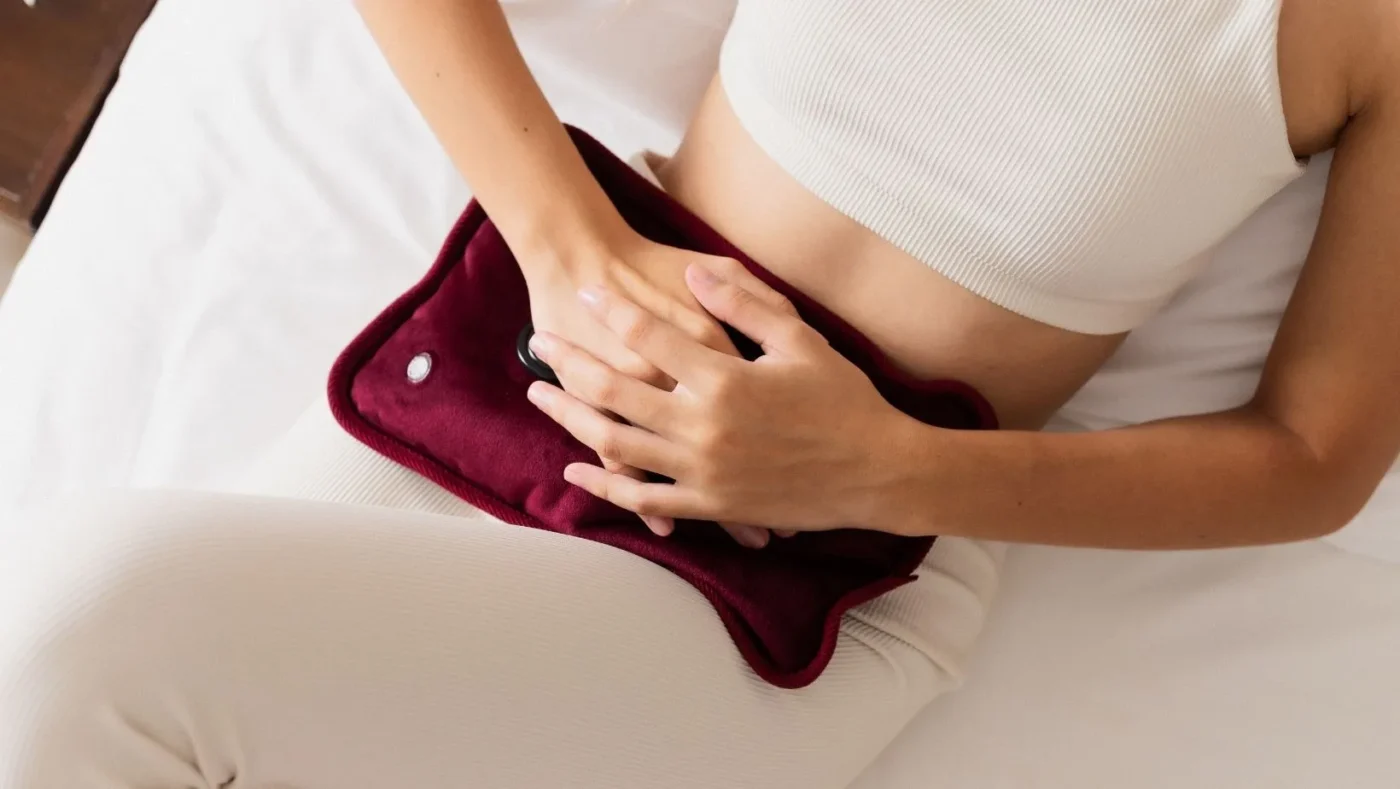
A heating pad or warm compress on the lower belly relaxes cramping muscles within 15 to 20 minutes. This works for ovulation pain, mild endometriosis flares, and general pelvic tension alike.
Gentle Exercise
Light walking or stretching increases blood flow to the pelvic area and can ease cramping faster than resting still. Avoid intense workouts if pain is sharp or one-sided until you know the cause.
Hydration
Dehydration tightens muscles and can worsen cramping intensity. Drinking water throughout the day, along with reducing caffeine and alcohol, is one of the easiest parts of how to relieve cramps without a period.
Over-the-Counter Pain Relievers
Ibuprofen and naproxen reduce the prostaglandins that cause cramping muscle contractions. Doctors usually recommend taking these with food, and dosage varies by age, weight, and other health conditions, so check the label or ask a pharmacist.
Stress Reduction Techniques
Cortisol from chronic stress can disrupt ovulation timing and intensify pelvic muscle tension. Deep breathing, short walks, and consistent sleep lower cramping frequency over weeks, not overnight.
Treating the Underlying Cause
Home care only masks pain from fibroids, endometriosis, PID, or cysts. A doctor uses pelvic exams, ultrasounds, and sometimes blood work as tests for cramps without menstrual bleeding to find and treat the real cause. This step is the difference between managing cramps but no period and actually fixing what’s causing it.
FAQs
Why do I have cramps but no period?
Ovulation, early pregnancy, or a hormone imbalance are the most common reasons. Endometriosis, ovarian cysts, and PID also cause cramps, but no period in cases that need medical evaluation, not just home care.
Can pregnancy cause cramps without a period?
Yes. Implantation cramping happens 6 to 12 days after conception, often before a missed period registers. A home pregnancy test taken after a missed period confirms it within minutes.
How can I relieve cramps without a period?
Heat therapy, hydration, and over-the-counter pain relievers work for most mild cases. Learning how to relieve cramps without a period long term means treating the root cause, not just the symptom.
When should I see a doctor for pelvic cramps?
See a doctor if pain lasts more than a week, returns every cycle, or comes with fever, heavy bleeding, or pain during sex. Sudden, severe, one-sided pain needs same-day care.
Can ovarian cysts cause cramps without bleeding?
Yes. Cysts larger than 3 centimeters commonly cause dull or sharp lower abdominal cramps but no period, especially if the cyst twists or leaks fluid into the pelvis.
Is endometriosis a cause of cramps without a period?
Yes. Endometriosis tissue responds to hormone shifts throughout the entire cycle, not just during menstruation, which is why pain can strike weeks before or after a period.
Can stress delay a period and cause cramps?
Yes. High cortisol disrupts the hormones that trigger ovulation, delaying your period while pelvic muscles stay tense from the hormonal imbalance. Cycles often normalize once stress drops.
What are the warning signs of an ectopic pregnancy?
Sharp one-sided pain, shoulder tip pain, dizziness, and vaginal bleeding after a positive pregnancy test are warning signs. This combination needs emergency care immediately, since it can be life-threatening.
When is pelvic pain considered a medical emergency?
Pain with fainting, heavy bleeding, fever above 101°F, or vomiting counts as an emergency. These signs can point to a ruptured cyst, ectopic pregnancy, or severe infection needing immediate treatment.